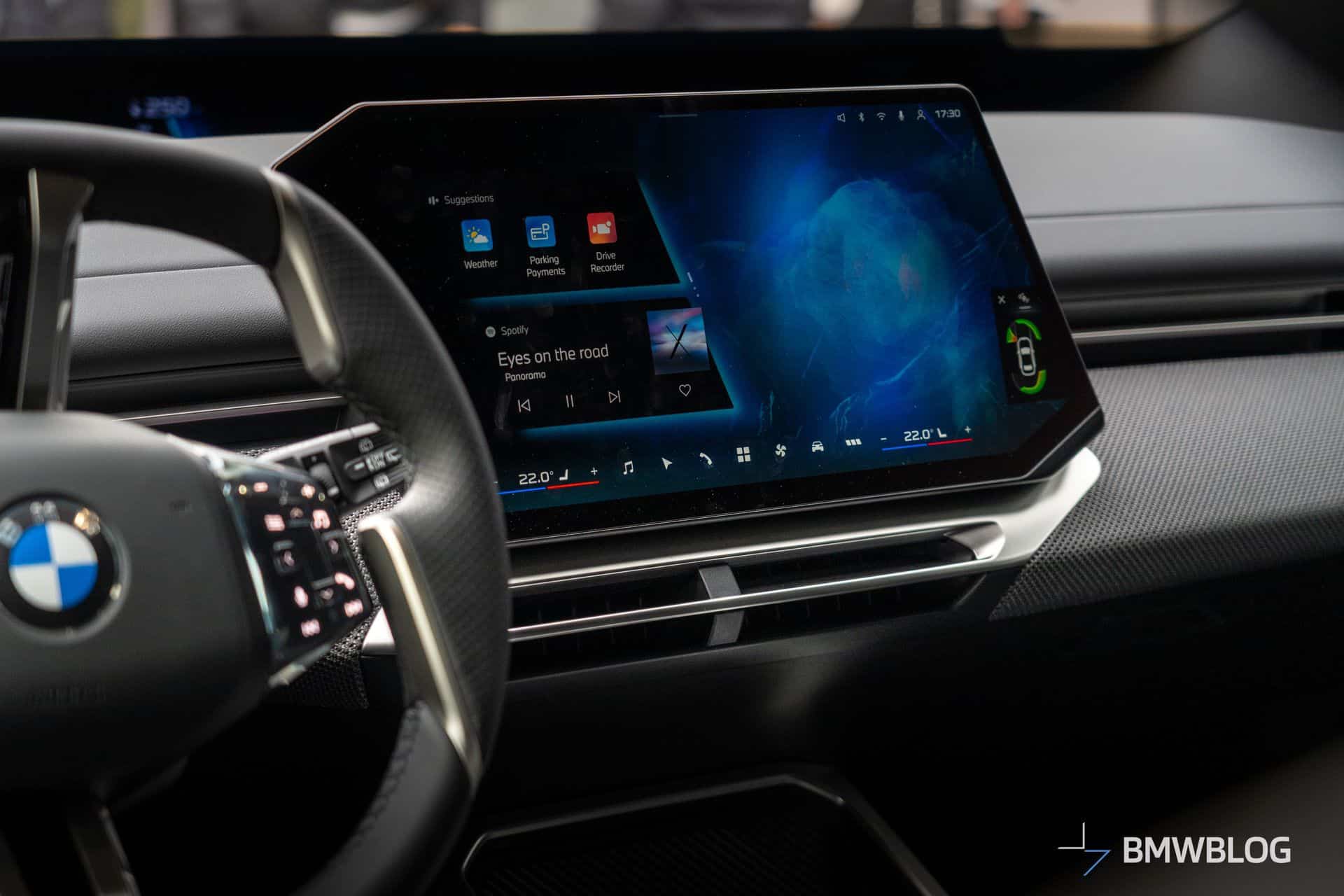
BMW unveiled a near-production version of its Neue Klasse technology at CES 2026, unveiling one of the most significant updates to its driving experience when it hits dealers later this year. The star of the show? A deep integration with Amazon’s Alexa+ intelligent assistant, transforming the BMW Intelligent Personal Assistant into a conversational AI that can do much more than just simple voice commands.
I spent time with the system in a new iX3 at CES and experienced demos from both BMW product manager Sarah Rau and Amazon engineering manager Sophie Zhou. The technology is promising, although some implementation options – particularly related to the wake word – may frustrate owners.
A conversational leap forward
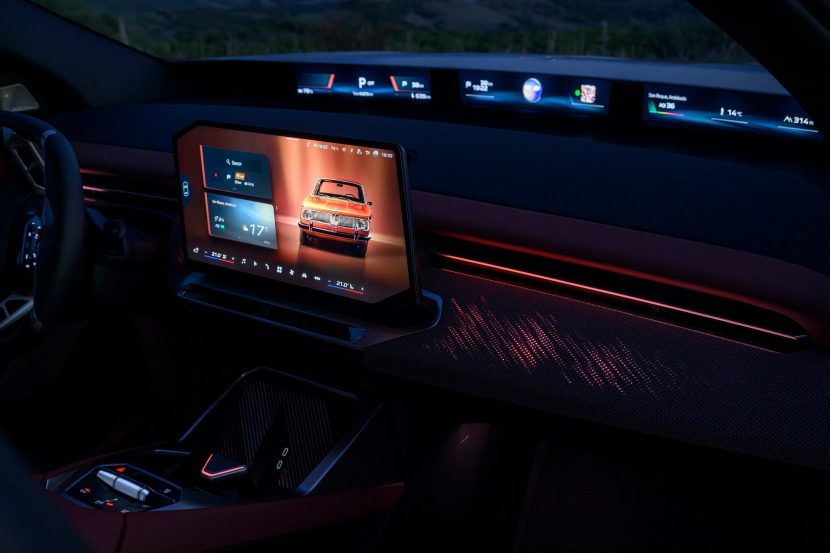
Current BMW models already have the BMW Intelligent Personal Assistant for handling calls, messages and basic vehicle functions. This Alexa+ integration (although still early) represents a fundamental change in capability. The system, based on large language models and generative AI, processes natural language requests in the cloud and allows drivers to interact conversationally rather than memorizing specific commands.
The assistant is activated by saying “BMW” – just the brand name, with no need for “Hey BMW” as a prefix. This design choice proves controversial in practice, as I will explain shortly.
During Rau’s demonstration, she tested the system through a realistic road trip scenario. She asked it to navigate to Mount Charleston, add a CVS stop along the route for sunscreen, switch to sport mode, lower the cabin temperature, recommend Italian restaurants in Las Vegas, check table availability at Brezza Restaurant and play Las Vegas-style music. The assistant successfully processed each request, although with noticeable delays in processing between responses, largely due to the poor internet connection around CES and also the need to ping external API services such as Open Table.
Technical architecture and performance
The system is based on a hybrid model, based primarily on cloud processing but including local language components for basic functions. If cellular connectivity is lost, drivers can still control windows, HVAC systems and navigate to previously saved locations using built-in voice recognition. Everything else – complex navigation queries, restaurant searches, music requests – requires an internet connection.
Amazon’s engineer explained that requests are processed sequentially, not in parallel. If you ask the system to change the driving mode and adjust the temperature at the same time, it will confirm the first action before moving on to the next. This approach ensures accuracy but introduces latency, especially for multi-stage instructions. The CES demo environment’s inconsistent connectivity exacerbated these delays, although Zhou insisted that normal operations should be noticeably faster.
The assistant maintains the conversation context for about 16 to 17 rounds, or about an hour, before clearing its memory. However, users can instruct it to store specific information – favorite destinations, family preferences, frequently visited locations – in long-term memory to enable true personalization across sessions.
Understand context and limitations
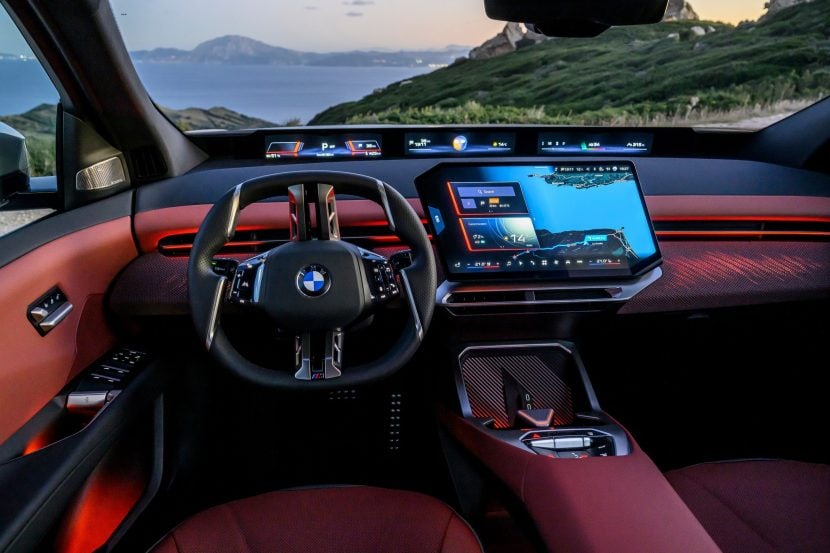
The way the system handles vehicle-specific boundary conditions is impressive. During the demo, I asked the European iX3 to close the windows and it complied immediately. Rau pointed out that for U.S.-market vehicles where regulations prohibit remote window closing, the assistant will have to explain why it can’t perform that action – a significant improvement over the current iDrive 8 and 8.5 systems, which simply don’t provide context.
The assistant also shows a real understanding of natural language variations. When I asked about charging stations and said, “Can you find me a charging station along the way,” 20 options appeared along the route. Asking to open the windows “just a little” worked as expected. The system asked clarifying questions when necessary, rather than guessing at unclear requests.
You can even answer questions about BMW products. When I jokingly asked whether the iX3 would get ventilated seats, he correctly replied that they would come later in the model’s lifecycle, citing confirmation from product manager Mark Berger – information from a conversation I had actually had with Berger two months earlier, demonstrating the system’s ability to search for current information.
Smart home integration expands functionality
The demonstration at the Amazon booth showed possibilities that go beyond the vehicle itself. By linking an Amazon account, the system enables smart home control from your car. Zhou showed how a conversation started with Alexa in your kitchen — about a ski resort destination, for example — can continue immediately when you get in the vehicle. Simply saying “BMW, take me to the place we just talked about” will start navigation without having to repeat the destination.
On the go, the assistant can control home lighting, check Ring doorbell cameras for package deliveries or visitors, and manage all Alexa-connected smart home devices. Zhou noted that they are working on push notifications for Ring cameras so that alerts come automatically instead of the driver having to ask for them.
The wake word needs work
This is where my enthusiasm comes up against a significant obstacle: the implementation of the wake word. The system activates on “BMW” alone, without the need for the “Hey” prefix. This means that any casual mention of the brand name during a normal conversation will trigger the assistant. I discussed this directly with BMW and Amazon representatives, and they were also aware of this media feedback.
They also shared usage data showing that customers naturally omit the “Hey” prefix anyway and prefer the shorter trigger. BMW initially tested “Hey BMW,” but found that users tended to just say the brand name.
I understand the reasoning, but I don’t agree with the execution. Either provide full wake word customization so owners can name their personal assistant, or mandate the full phrase “Hey BMW” to prevent false activations. The current implementation will frustrate anyone who regularly talks about BMWs while driving, and there is currently no way to change it.
Practical use cases and learning curve
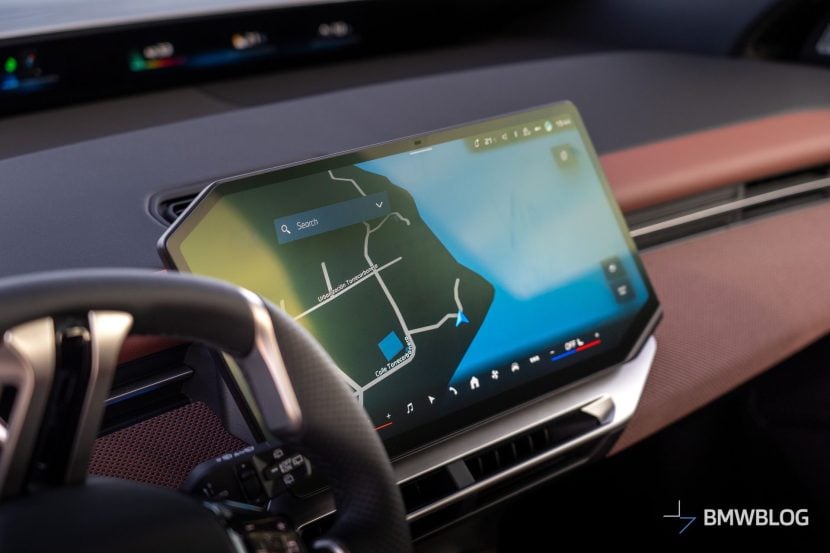
According to BMW, the most frequently used functions are navigation, telephone calls, climate control and driving mode changes. Customers also often ask about speed warning sounds – “What was that sound I just heard?” – which the assistant can explain and deactivate if desired. BMW will continue to conduct testing and improvements based on real-world usage patterns.
If commands are not supported, the wizard will now explain the reason instead of simply failing. A request for a change to the Las Vegas-themed interior lighting elicited a resounding response: “This feature is not supported.”
Rollout and availability
BMW will launch the Intelligent Personal Assistant with Alexa+ integration in vehicles with BMW OS 9 and BMW OS in the second half of 2026
Integration comes standard with no additional subscription costs – all you need is a basic Amazon account to access advanced features like music streaming, restaurant reservations and smart home control. Core vehicle functions (navigation, climate control, driving modes) work without an Amazon account, but you miss out on conversational AI features and third-party integration.
Amazon officials emphasized that BMW and Amazon will be able to continually add features and improvements after launch because most of the processing is done in the cloud without requiring vehicle software updates. This cloud-based architecture should enable rapid evolution of the system based on customer feedback and usage patterns.
