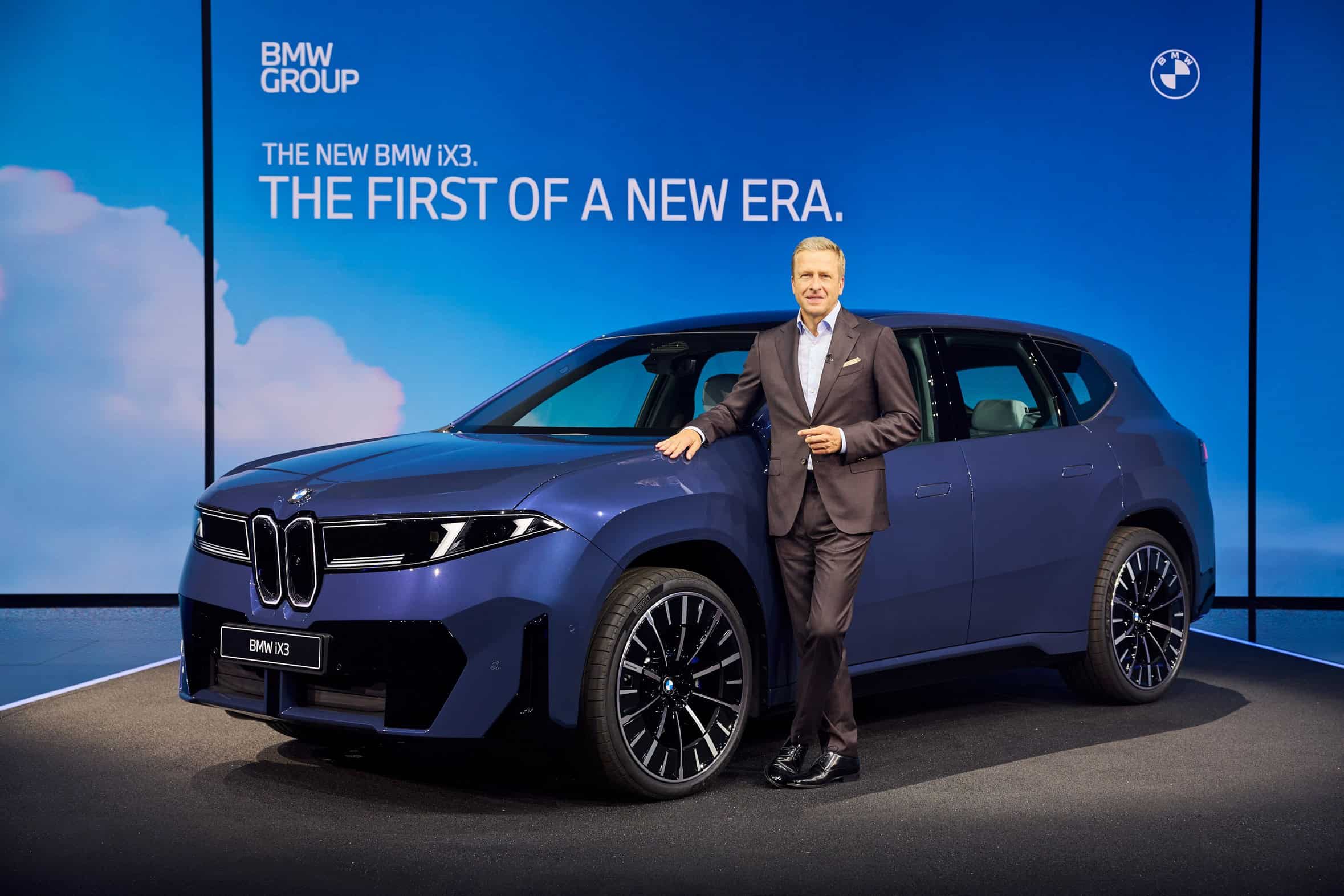
BMW builds several models in India at its Chennai factory, but most of its vehicles are imported from other countries. The company has long supported open markets and global free trade and advocated for lower tariffs. It is therefore not surprising that CEO Oliver Zipse welcomed the historic agreement reached today between the European Union and India.
Before the agreement was signed, vehicles manufactured in the EU and imported into India were subject to tariffs of between 70 and 110 percent. Under the deal, rates will immediately drop to 30 to 35 percent before falling to 10 percent over the next five years, with an annual quota of 250,000 cars. In conversation with ReutersThe BMW boss praised the agreement to drastically reduce tariffs:
“It is extremely important for Germany as an export nation, which we want to remain – we are very pleased that things are now moving forward quickly and that we are expanding multilateral relationships instead of cutting them off.”
Although the exclusion of EU-made vehicles priced below 15,000 euros has no impact on BMW, the decision still makes sense given its premium positioning as India seeks to protect locally manufactured low-cost cars from an influx of imports. However, BMW is affected by the decision to postpone tariff reductions for electric vehicles until 2031.
Within five to ten years, tariffs on car parts from the 27 member states of the European Union will be abolished. This is intended to help BMW and other car manufacturers better manage the supply chains for vehicles delivered to India.
Source: Automotive News Europe, Reuters
