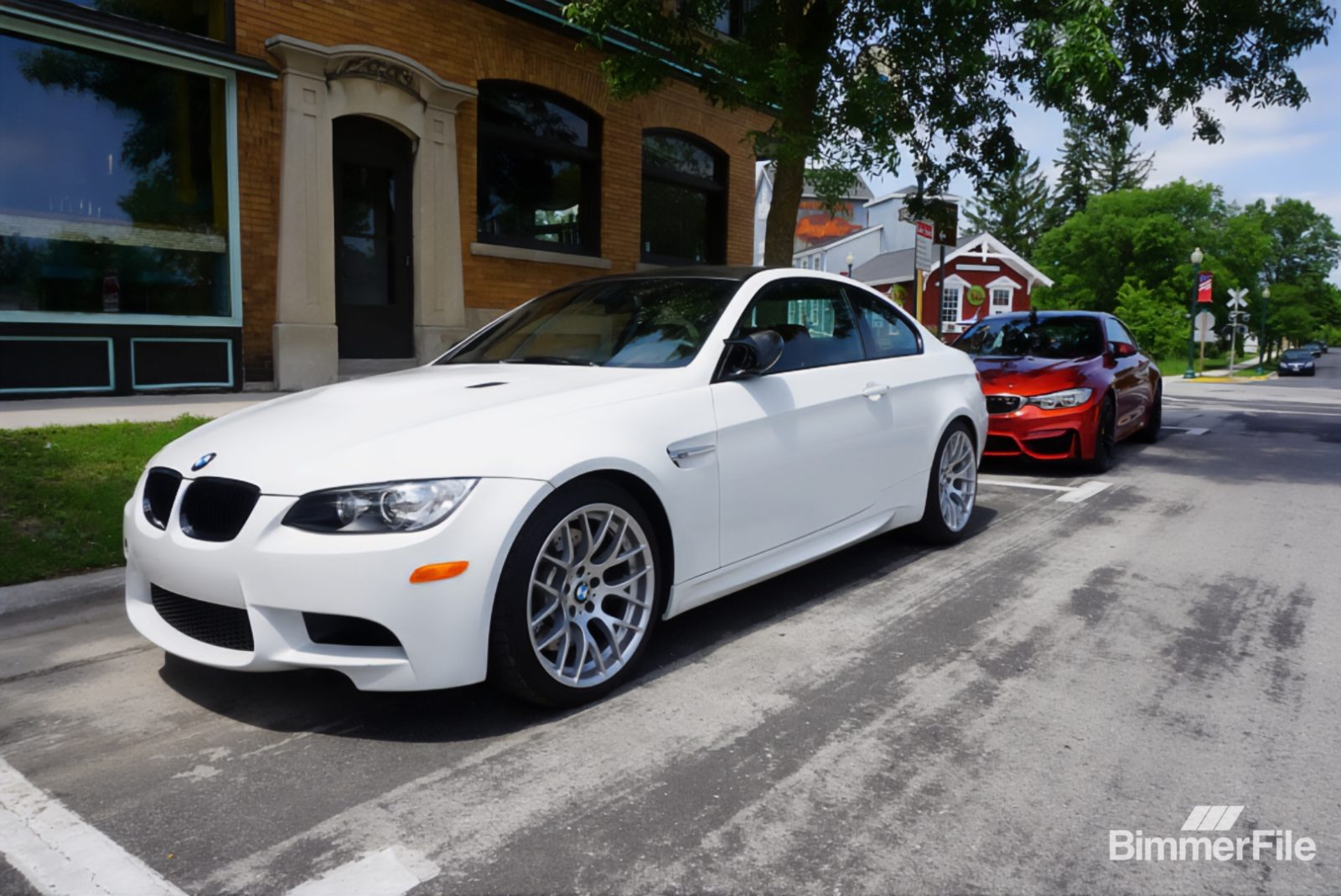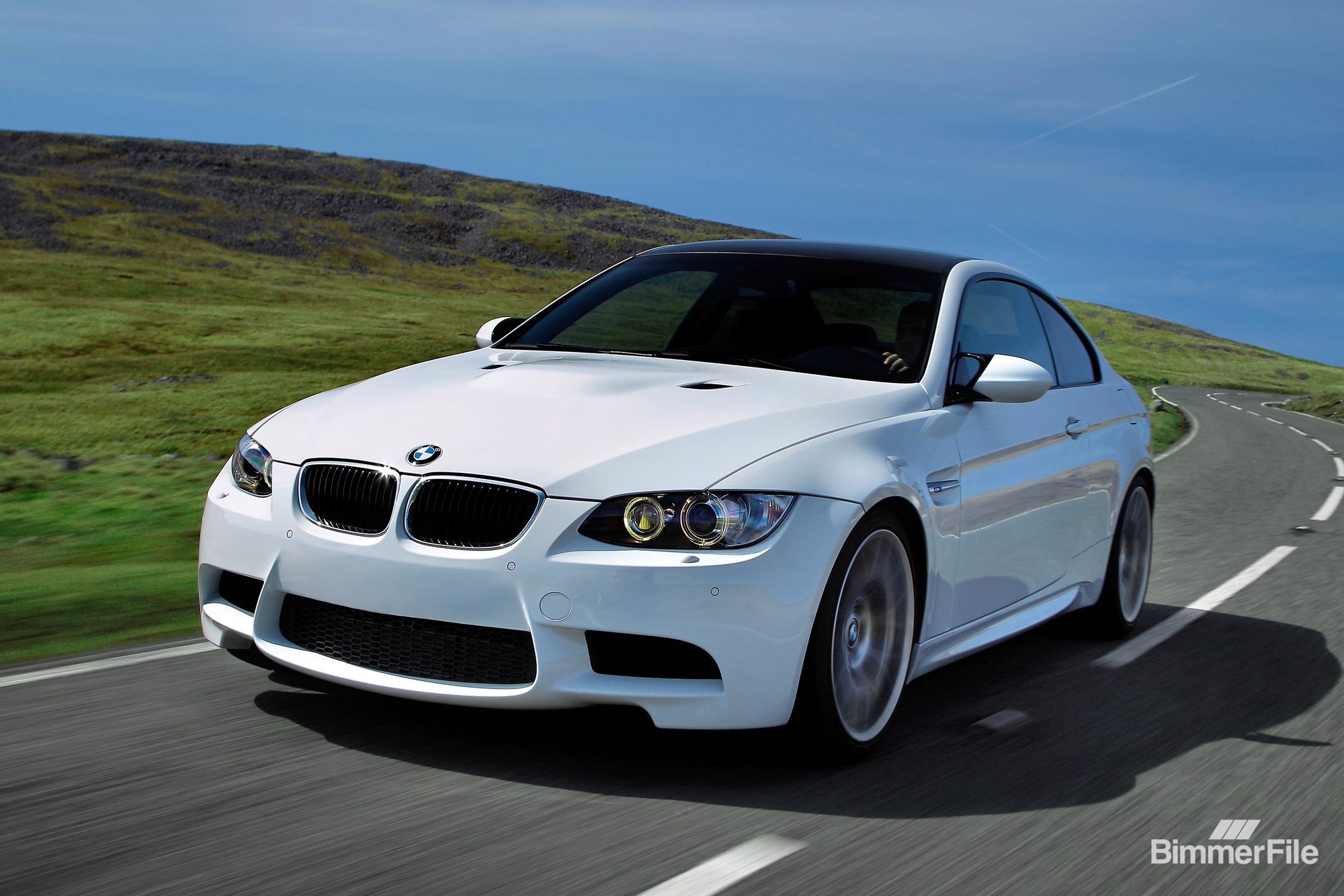
The BMW E92 M3 is a car that I know very well. I’ve driven it flat out at Laguna Seca, leaned on it at Road America, lived with it day after day, and even piloted it on long highway drives. It was once a well-known benchmark. But I haven’t been behind the wheel in almost 15 years. During this time, BMW M has moved decisively into the world of turbocharging, automatic transmission and all-wheel drive. Returning to the E92 now, with that modern context burned into muscle memory, wasn’t just an exercise in nostalgia. It was a recalibration. And what it revealed says as much about where M has been as it does about where it’s going.
Unlike modern M cars, the E92 doesn’t flatter. The lack of instant torque, long manual throw, and jerky action make 0-60 runs a methodical exercise. But we’re in a post-speed world these days with 1000 horsepower electric SUVs and the like. The reason the E92 is more special today than when it was released is because it communicates. Through your fingertips. Through the seat. Through a steering wheel that feels alive in your hands and not filtered by software, sensors or code. And above all because of this wonderful soundtrack.
This is a car that was built at the last moment before the digital tide fully swept in.
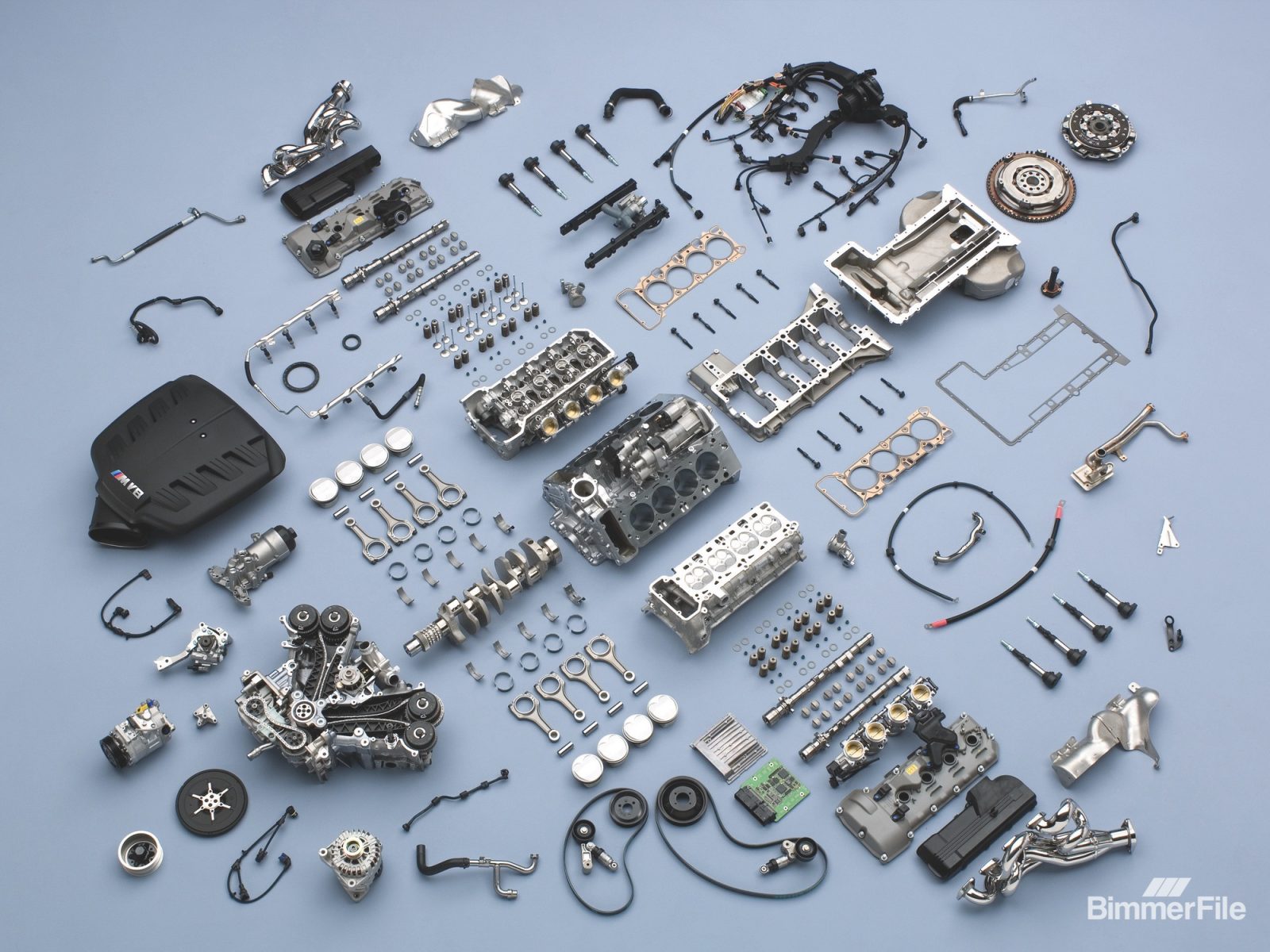
The heart is the S65. A 4.0 liter naturally aspirated V8 engine. No turbos. No tricks. Only eight individual throttle valves breathe in perfect synchrony. 414 hp at 8,300 rpm and a cold start noise that raises the hairs on the back of your neck and wakes up the neighbors at the same time.
Do not operate this engine at low speeds. Like the S50 in the E36 M3 and the S54 in the E46 M3, the power builds cleanly and inexorably, with a rising mechanical whine that gets louder as the tachometer turns clockwise. What is crucial, however, is that this happens with two more cylinders than in the vehicles on offer. This gives the E92 an exotic combination of low rumble with a touch of mid-range screech at 5,000. At 7,500 it feels electric, wild and urgent. Shifting through gears and revving feels like an event. I did this over and over again and most of the time I had no idea how fast I was going because I was so focused on the feedback at every level.
And then there is the steering.
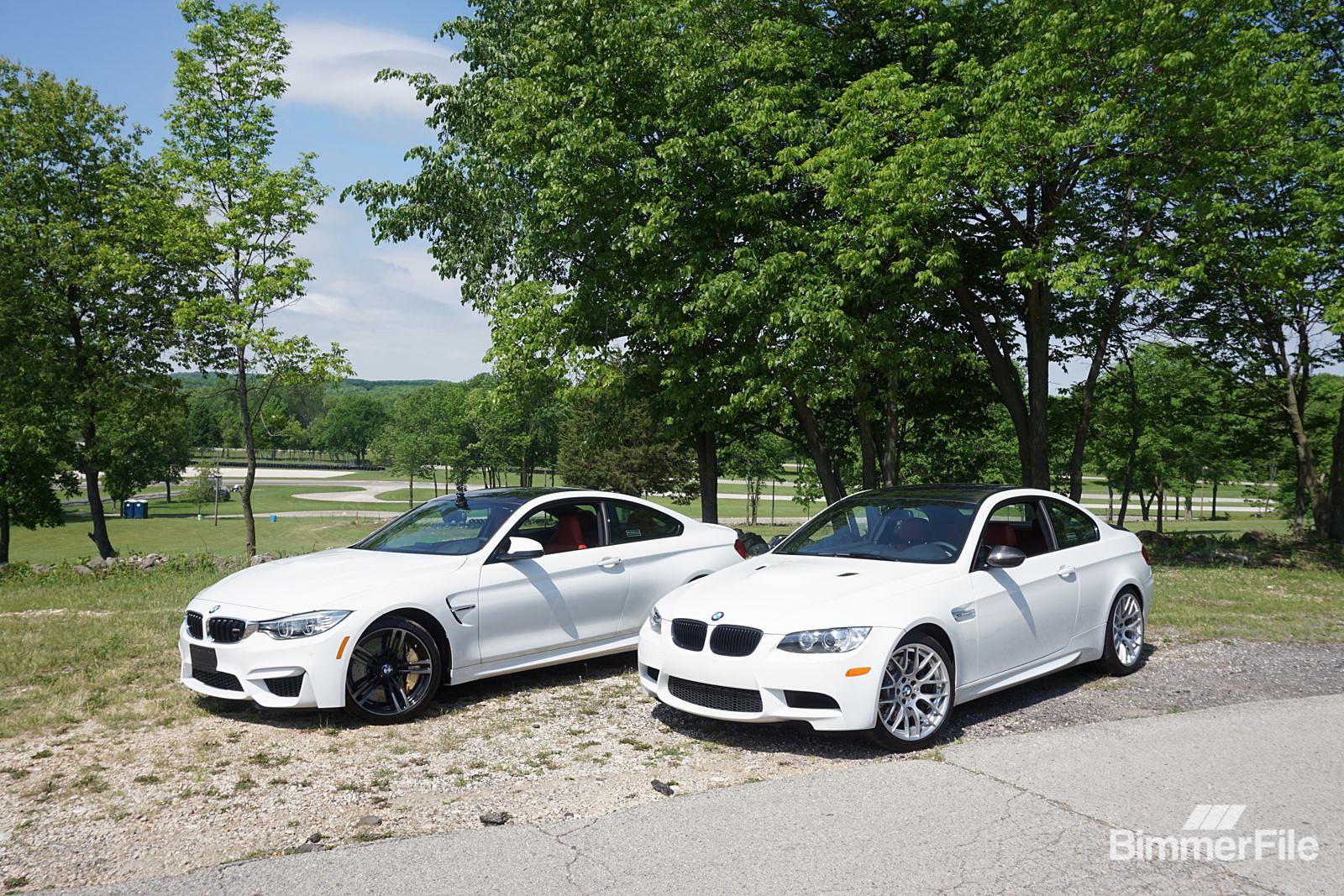
Hydraulic. Unfiltered. Honest. I remember driving it back-to-back with the F82 M4 when it was launched in North America in 2014. The difference even at 10 mph was shocking. If you drive the G82 today with its lighter steering, this is even more the case.
Every change in camber, every wave on the asphalt, every ounce of grip on the front wheel is transferred directly to your palms. You won’t guess what the tires are doing. You know. The bike charges naturally as you lean into a corner, becomes lighter as grip decreases, and speaks in a language that modern electric racks simply don’t use anymore. And this from a hydraulic system that wasn’t even considered great at the time.
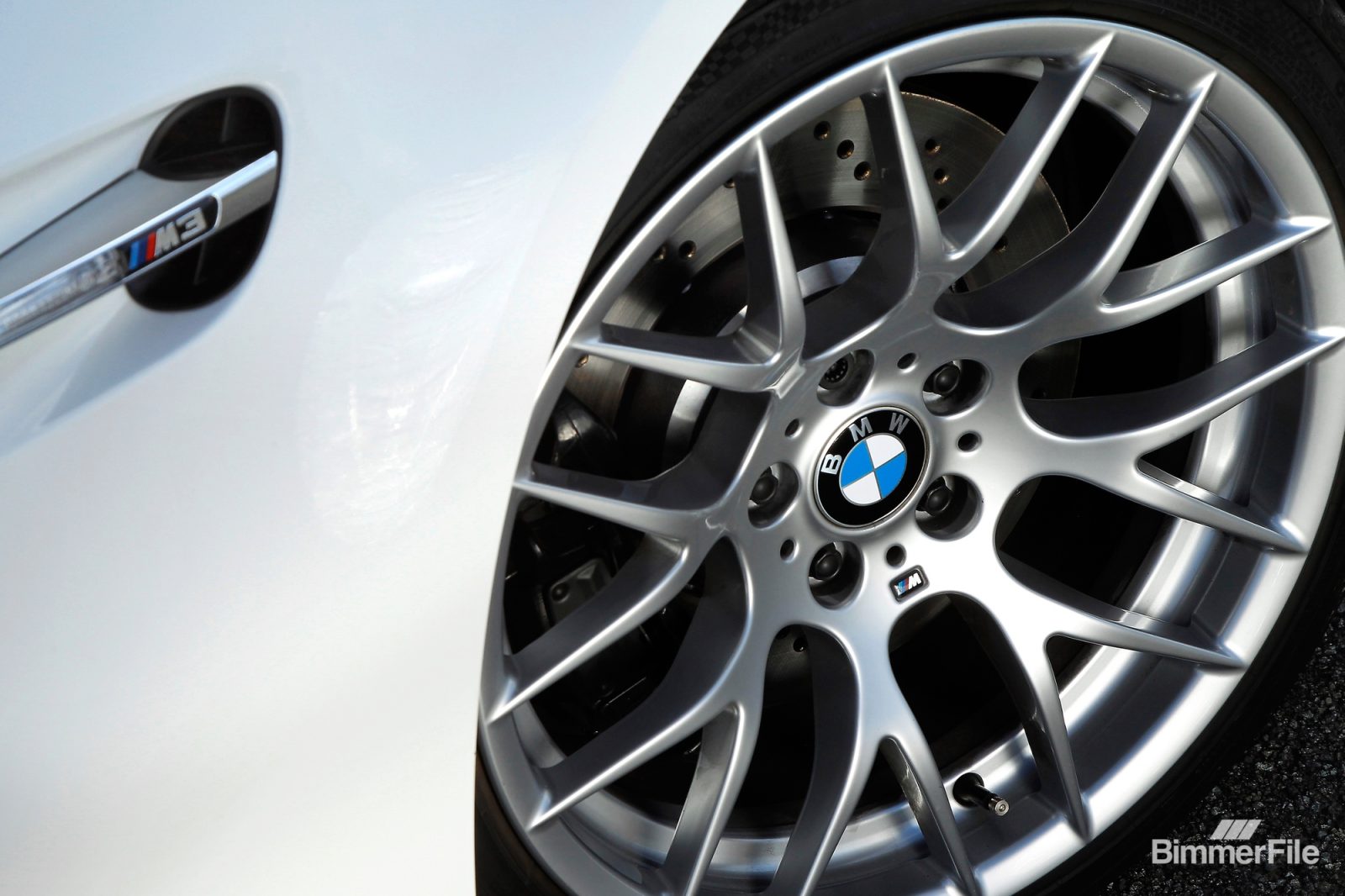
The Competition package that our test car was equipped with exacerbates all of this. Lowered suspension. Revised EDC tuning. Stiffer springs. Thicker stabilizers. And those 19-inch Style 359M wheels that somehow look perfect from every angle. The car feels safe, alert and balanced. The ride is a little rough, but not brittle or jarring on broken pavement. Just focused.
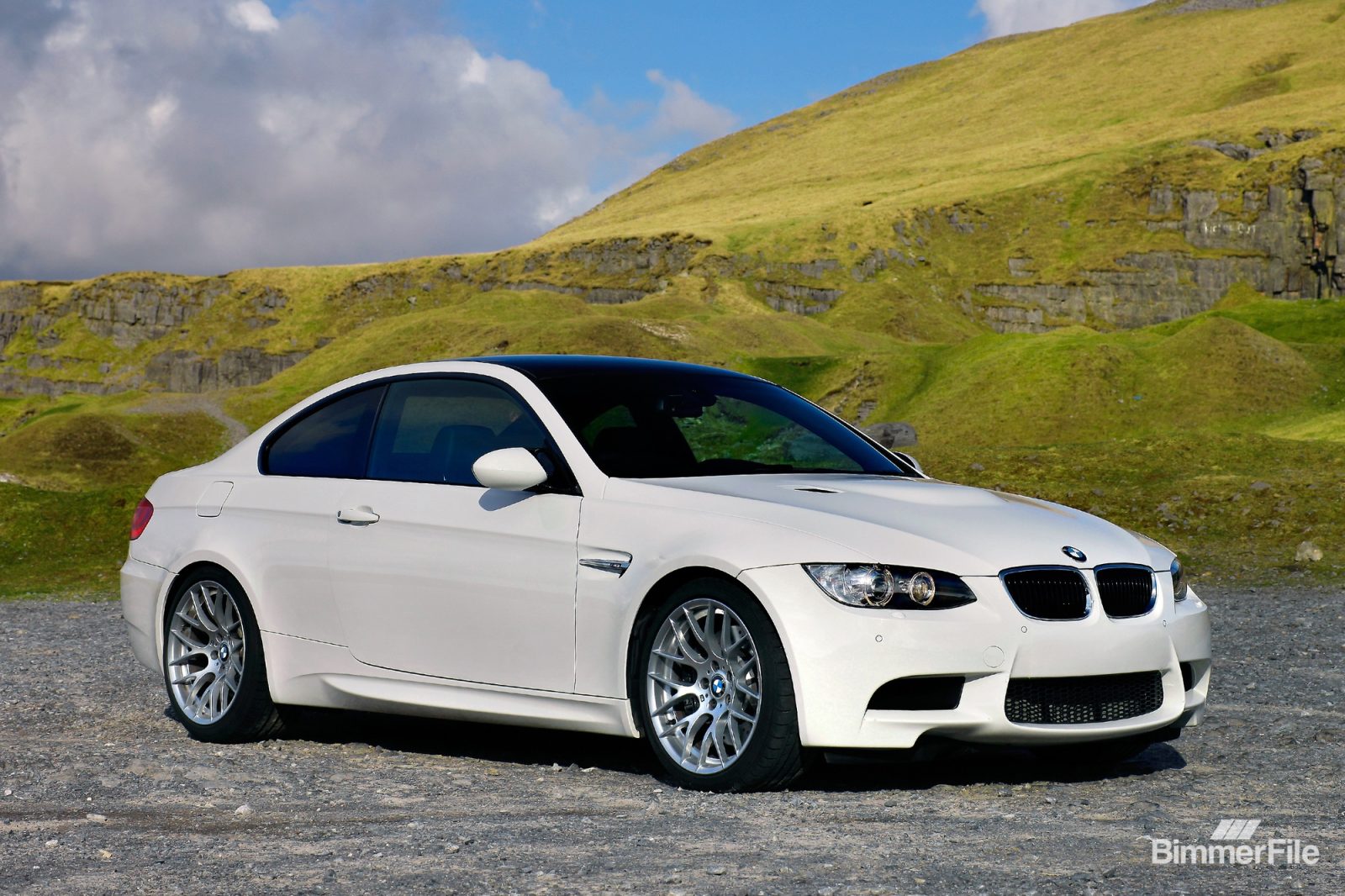
On back roads, the E92 M3 feels organic in an increasingly rare way. The chassis breathes with the road. The throttle responds immediately. The brake pedal is firm and linear. You don’t manage modes or calibrations on the E92 like you do on the current generation of M vehicles. There are no layers of computation standing in the way of feedback.
The modern G82 M4 is objectively faster in every measurable way. More performance. More torque. More grip. More technology. It delivers performance through software layers, adaptive systems, and configurable personalities. It’s stunningly capable and an exceptional car. Maybe it’s even an exceptional M car.
But it is also interpretive in the way it responds.
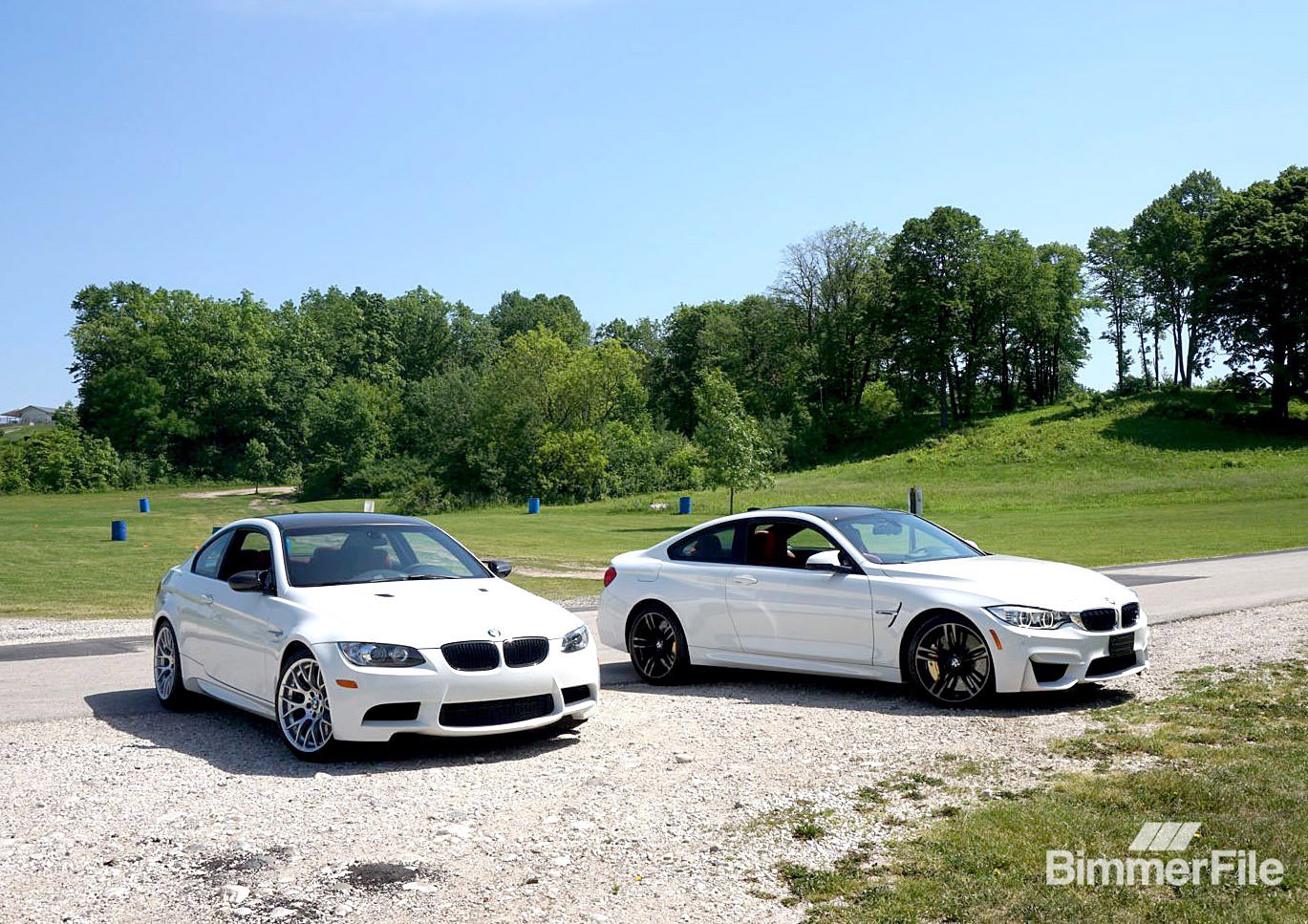
The E92 does not interpret. It simply responds to your input.
There is no artificial engine sound. No programmed torque plateau. No steering algorithm to compensate for your mistakes. The car rewards precision and punishes indifference. It demands something from you and gives you everything in return.
For this reason, the E92 M3 Competition Package feels less like a computer and more like a sports car. Not because it’s slower or easier, but because it’s more humane. It requires commitment. Attention. Respect.
It’s a car you listen to. A car that you learn to drive. A car that teaches you something.
And when the road opens up, the engine sings in full voice, the steering feels lively in your hands and the chassis is perfectly balanced beneath you, a moment of clarity arises. A moment when the noise of the modern world fades and all that remains is the connection between driver, machine and asphalt.
The E92 M3 is a flawed car. When it was launched, many members of the press expressed mixed feelings about the V8 engine, increased size and additional weight over the previous model. But over time, the E92 has become an unlikely classic.