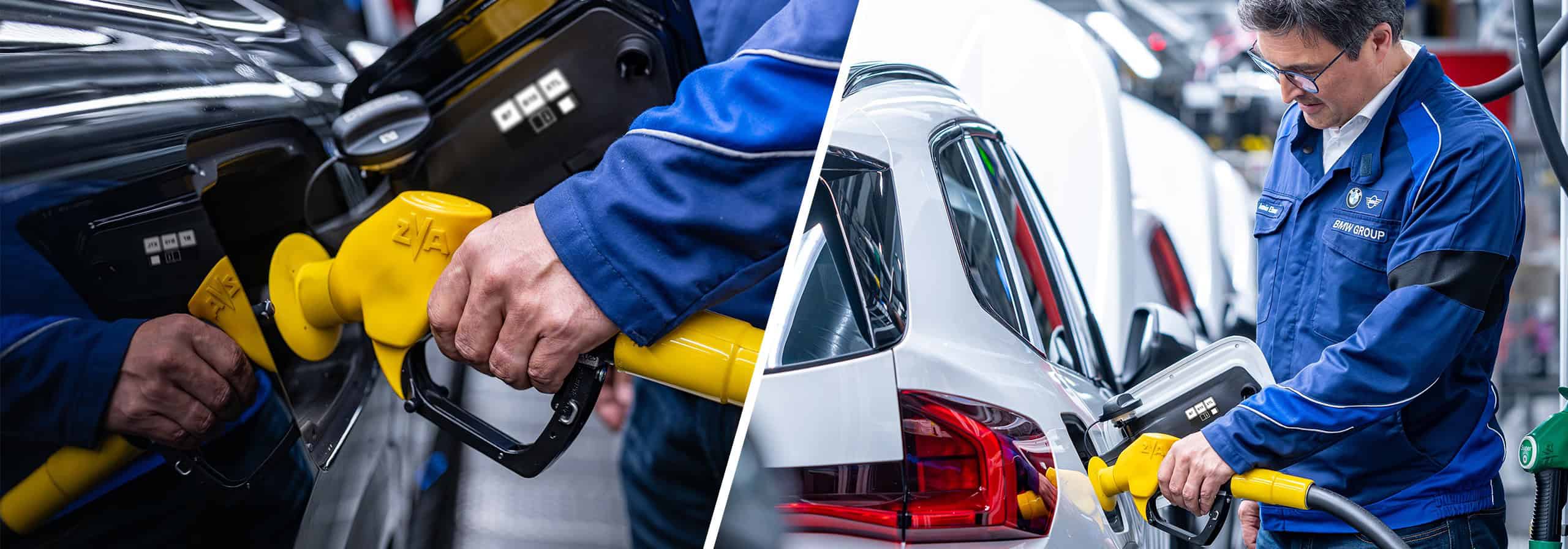
BMW is developing a new way for fleet customers to verify the use of renewable diesel in their vehicles. The focus of the project is HVO100, a plant-based alternative to fossil diesel that can reduce CO₂ emissions by up to 90 percent over the entire life cycle. All BMW models built in Germany are already compatible with the fuel, but acceptance among large fleet operators is limited. The biggest challenge was not availability or performance – HVO100 works in existing diesel engines without modification – but rather proving its use. Until now, there has been no reliable method to confirm that a vehicle has been continuously fueled with renewable diesel.
The new digital tool from BMW closes this gap. The system links vehicle data with the operator’s payment records, allowing each refueling transaction to be logged and verified. This means a company can document the exact amount of HVO100 used across its fleet, turning carbon reduction estimates into measurable results.
The technology is already in use in a BMW demonstration fleet and is currently being evaluated in everyday use. Discussions are also ongoing with large fleet operators in Germany and Italy.
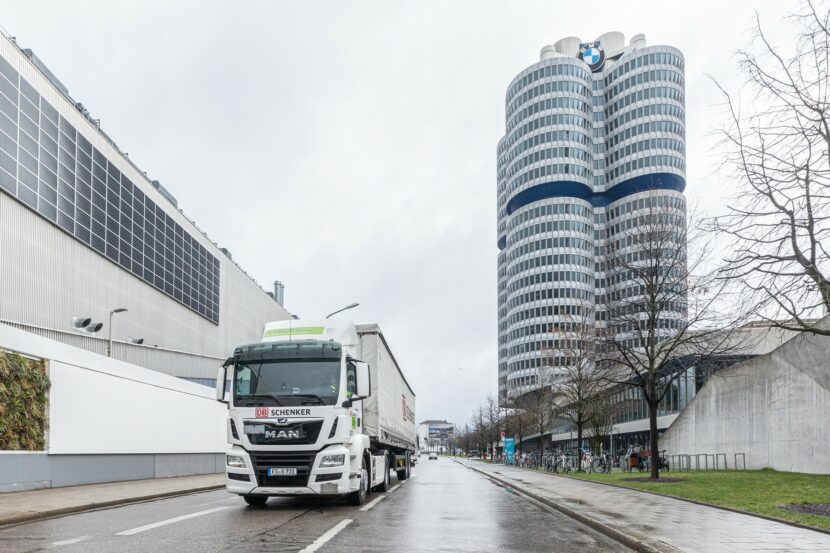
For large commercial fleets, the impact could be significant. Diesel vehicles still make up a large proportion of company traffic and many of them will remain in use for years to come. Using verified renewable fuels offers a way to reduce emissions immediately, without having to wait for new vehicle purchases or charging infrastructure.
BMW is also looking at other renewable fuel options. Starting in 2028, the company plans to introduce synthetic e-fuels for gasoline engines, part of a broader effort to reduce emissions from the large number of existing vehicles still on the road. At the same time, BMW has called on European decision-makers to accelerate the implementation of the Renewable Energy Directive (RED III), which calls for a 30 percent reduction in greenhouse gas emissions from fuels. The company argues that stronger policy incentives are needed to make renewable fuels like HVO100 viable at scale.
