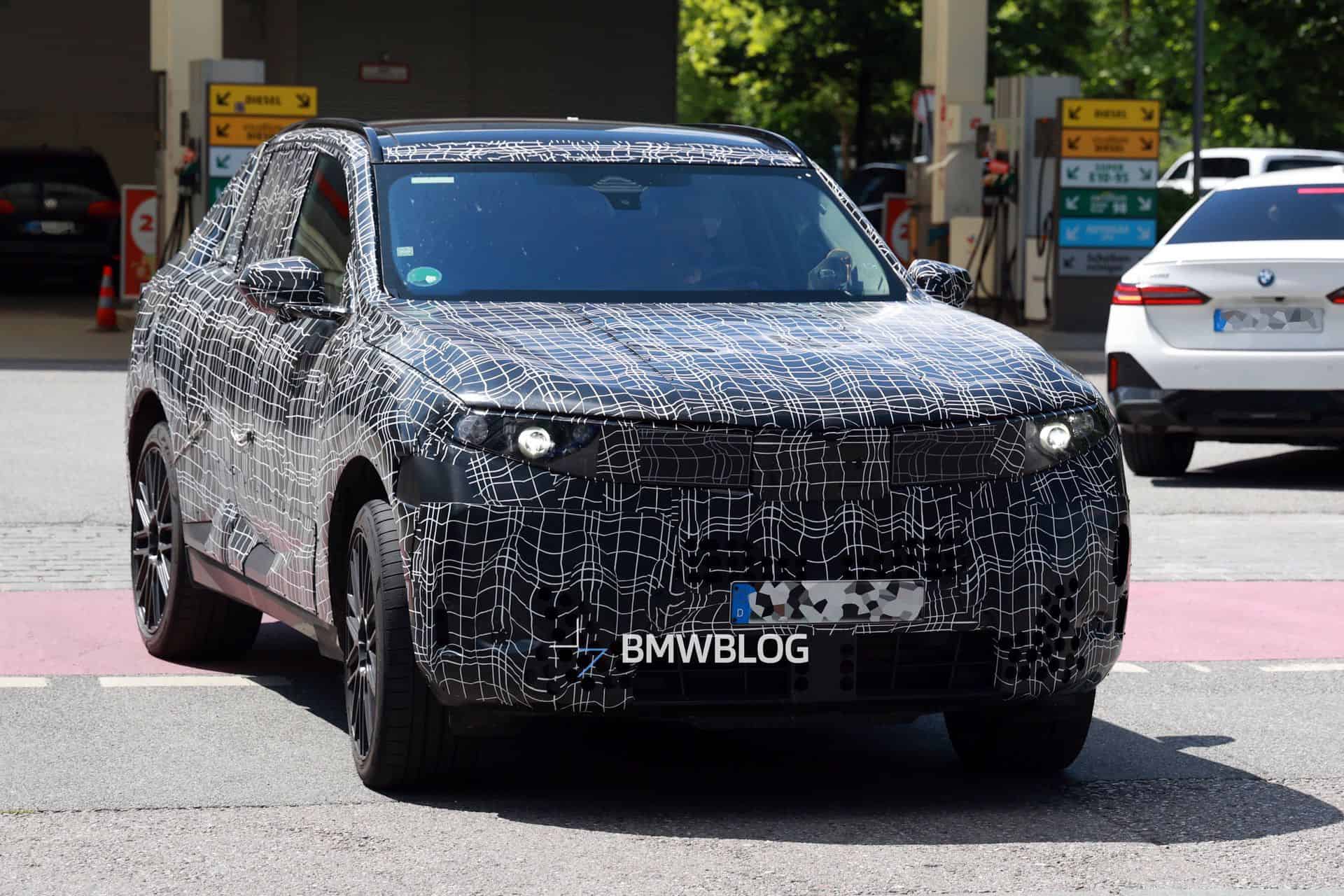
Reports continue to accumulate about BMW’s possible return to the range extender. Previous reports suggested that the next-gen X5 could now potentially get the range extender treatment Bloomberg Adds further fuel to the story, reporting that BMW is evaluating range-extender variants for top models like the X5 and 7 Series, according to people familiar with the company’s strategy. These larger vehicles offer enough space for a compact engine that functions solely as a generator – similar to how BMW configured the old i3 REx.
Why a range extender?

China explains most of it. BMW’s sales in the region are no longer as strong as they once were, but the country remains the company’s largest single market. Last year, 29.2% of all BMW Group deliveries (including MINI and Rolls-Royce) went to Chinese customers – more than in the US and Germany combined. And China’s preference for extended-range electric vehicles (EREVs) is growing rapidly.
According to Automotive News, citing the China Passenger Car Association, EREV sales rose nearly 50% in the first five months of 2025. Local heavyweights such as BYD’s Yangwang U8, Aito M9 and Li Auto L9 have made the range extender layout a popular middle ground between pure electric vehicles and combustion engine SUVs.
BMW abandoned the i3 REX years ago, but market conditions have changed dramatically. A next-generation X5 with a high-efficiency, constant-speed generator motor could appeal to buyers who want to drive electric cars most of the time but don’t want to deal with the anxiety of long-distance charging.
Bloomberg’s reporting says that American buyers – particularly in the large SUV segments – have also shown interest in the range extender format. The upcoming Ramcharger pickup and Volkswagen Scout projects follow a similar concept: an electric powertrain supported by a small combustion generator to increase range without sacrificing towing power or long-distance capability. In Europe, the future EREV classification could exempt these vehicles from the combustion ban from 2035, depending on how regulations evolve. That’s far from guaranteed, but the possibility is another reason for BMW to explore REX models.
A small engine as a dedicated generator

If BMW gives the project the green light, the system would likely reflect the i3 philosophy: the engine wouldn’t drive the wheels at all. Instead, it would run at an optimal, fixed speed to charge the battery and stabilize consumption. BMW is already developing compact, efficient gasoline engines in-house as well as generator-friendly components that could shorten the development cycle.
BMW’s official position remains cautiously non-binding for the time being. A spokesperson told Bloomberg that the company will “continuously analyze usage patterns, customer needs and market developments, and evaluate the market potential of various technologies.” We also learn from sources today that BMW has not yet released any range extender models and their future remains uncertain.
