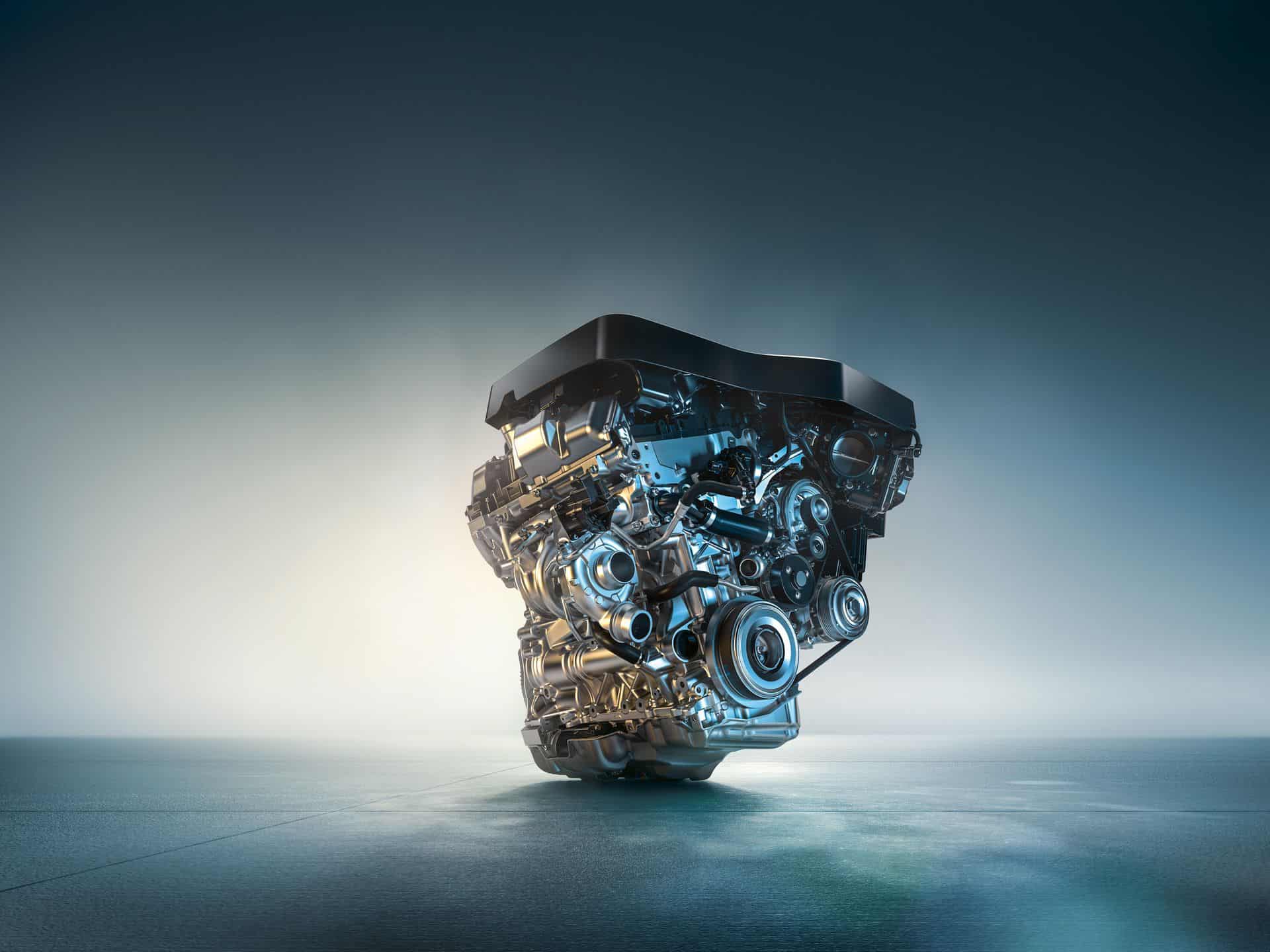
One of the longest-perceived weaknesses of BMW vehicles is overall reliability. This is one of the reasons why “German engineering” has become more of a tongue-in-cheek remark rather than the badge of honor some people claim it to be. Eventually, a story full of complicated electronics, half-baked cooling systems and weak subframes catches up with you. But the problem is anything but black and white. And lately, BMW has had a lot more success when it comes to reliability, thanks to robust engines like the B58 that have a lot to thank the brand for. But have things really changed that much?
BMW’s early, deserved reputation
To understand where the stigma comes from, you have to look back. BMW’s reliability narrative was largely shaped in the late 1990s and early 2000s, when the brand pushed hard for new technologies, lighter materials and increasingly complex electronics. Cars like the BMW 3 Series E46 and early BMW 5 Series E60 were great to drive, but they also introduced fragile cooling systems, experimental electronics, and components that didn’t age gracefully without rigorous maintenance. At the same time, BMW relied heavily on long service intervals and “lifetime” fluids – decisions driven more by marketing than mechanical reality.
During my time at the dealership, I regularly witnessed BMW drivers (almost invariably lessees) drive 20,000 miles or more before even considering scheduling a service visit. This not only significantly exceeds the manufacturer’s recommended maintenance intervals in several areas, but also ensures that any problems that have arisen since delivery up to this point have had enough time to worsen or cause irreversible damage. Neither scenario paints a promising picture for longevity. When these cars hit the used market, all of these variables contribute to a throng of car buyers piloting “new” (to them) BMWs with a host of pre-existing problems.
BMW’s pursuit of reliability
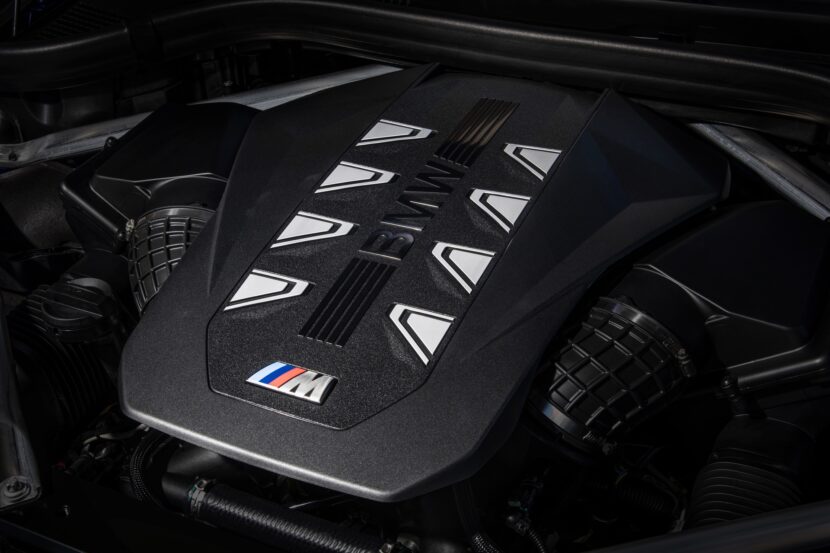
However, things have changed recently. The N52 engine existed alongside the much more spirited mills and built on the brand’s excellent foundation in naturally aspirated six-cylinder engines. Although it went unnoticed at the time, it is now praised for its reputation for being long-lasting when properly cared for. The turbocharged B58 has gone even further and has proven itself in everything from 3 Series sedans to true performance cars like the Toyota Supra, with high reliability even at higher mileages. Even the S58, despite its complexity, has avoided the widespread system problems that plagued previous M engines.
Despite modest improvements, today BMW is at the top Consumer Reports As the No. 2 overall and No. 1 luxury brand, you’ll often find pages and pages of online advice parroting the brand’s old reputation. Why? First of all, “brand reliability” is a somewhat misleading concept. In almost all cases, reliability depends on the individual vehicle and not a brand-wide mandate for faulty technology. Of course, the exceptions to the rule – and the things that contribute to perceived unreliability – include “fatal errors.” A good example is the failure of the connecting rod bearing on certain BMWs manufactured up to around 2013. But BMW is not unique in this regard. Many other cars have “that one thing” that requires attention, even at the risk of catastrophic (and seemingly unpredictable) failure. For example, look at the valve drop problem on the C6 Z06 or any Wankel engine at all.
BMW Reliability: Not All That’s Talked About

BMW’s reputation for “unreliability” has other problems: the conflation of reliability and maintenance costs is one of them. There is almost no debate that BMWs (and all luxury cars) are more expensive to maintain than, say, a Toyota Camry or similarly priced car. After all, any car’s high-performance capabilities have to come from somewhere; It is often due to complicated technology or engines with tight tolerances. None of these are cost effective to keep running properly. be it through hours of work or demanding components. Additionally, researching BMWs online disproportionately highlights negative experiences because no one rushes to post about a trouble-free 120,000-mile commute. With no personal ownership stories to fall back on, “nightmare BMW ownership stories” are the norm rather than the exception. In a certain way, BMW’s enthusiast image also works against this. These cars are potentially driven harder than many competitors, which naturally accelerates wear and tear.
BMWs are reliable: However, terms and conditions apply
BMW vehicles are not “unreliable”; At least not in the black and white form that the internet loves so much. Reliability varies greatly depending on engine, generation and specification. The brand’s reputation for reliability is outdated, but not meaningless. BMW’s latest engines are more reliable than ever, but owners expecting hands-off (deferred) maintenance from Toyota are in for a rude awakening. Especially on a long enough timeline. Informed owners are rewarded; Careless, punished. For riders who understand balance, reality is far better than myth.
