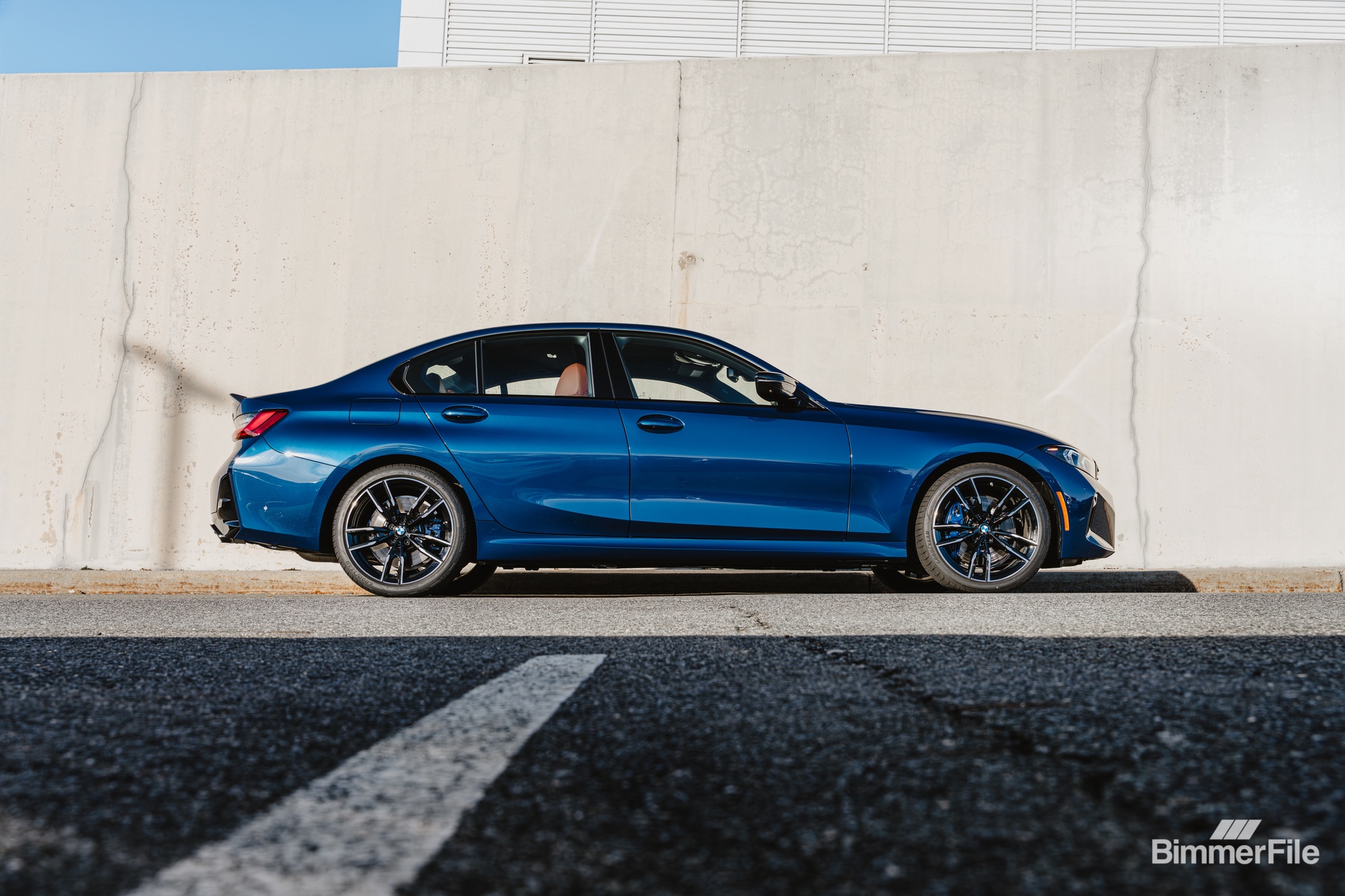
In 2025, BMW of North America not only posted strong results. It reinforced a long-term strategy built on flexibility rather than forcing customers into a single technological path.
BMW ended the year with 388,897 vehicles sold in the U.S., setting a new all-time sales record and marking its third consecutive year of record performance. Sales rose 4.7 percent year-on-year, an impressive result given the uneven demand environment that characterized much of the industry in the second half of the year.
The milestone was achieved on the occasion of BMW’s 50th anniversary in the USA, which gave the result additional weight. According to Sebastian Mackensen, this success reflects the strength of BMW’s dealer network, the attractiveness of its product range and a conscious technology-open approach that continues to resonate with US buyers.
A softer ending, but a strong year
The fourth quarter told a more complex story. BMW delivered 113,512 vehicles in the fourth quarter, a decline of 3.4 percent compared to the same period in 2024. Passenger car sales fell 13.6 percent in the quarter, while light trucks again did the heavy lifting, rising 4.5 percent year-over-year.
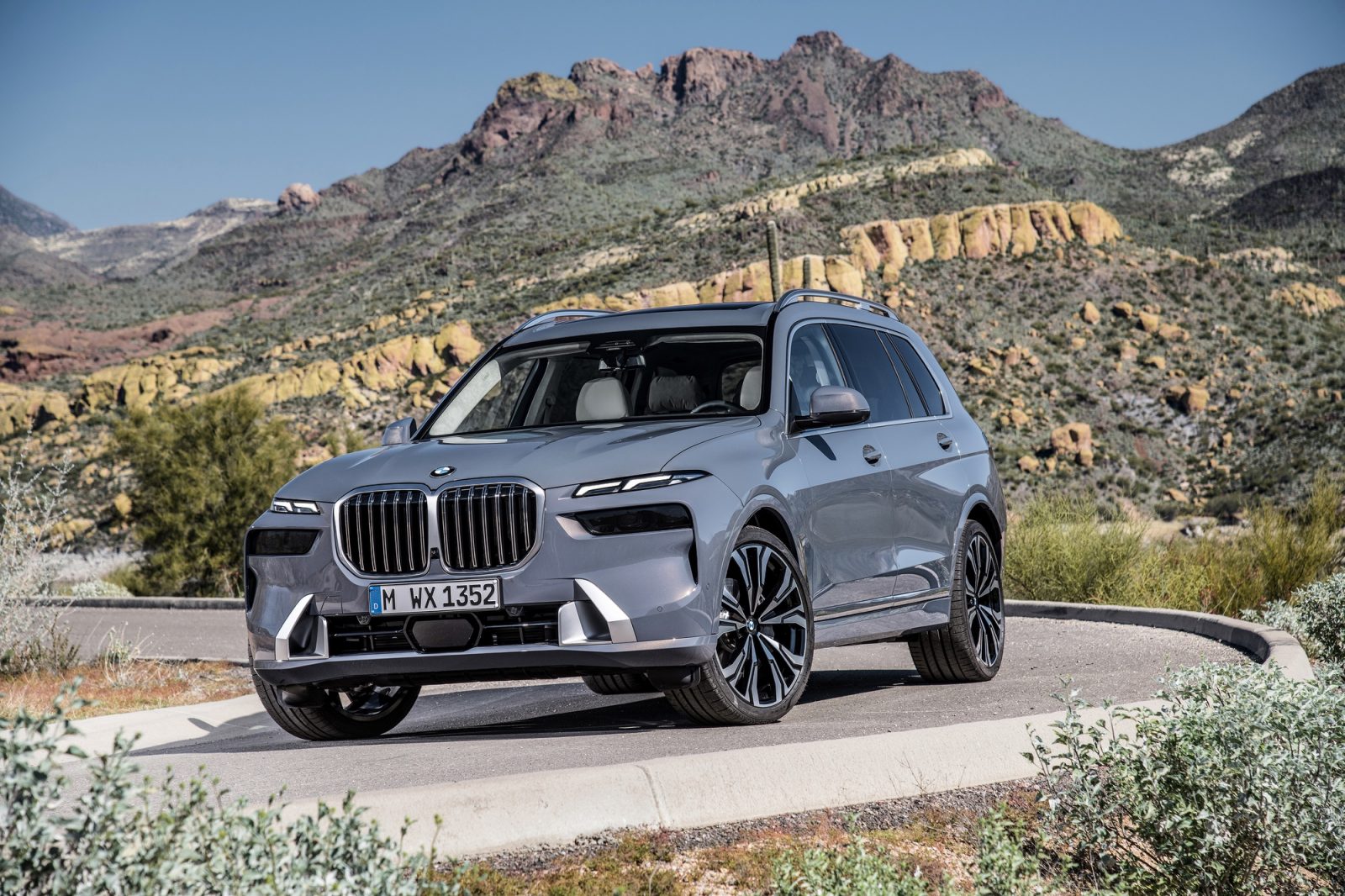
However, on a full-year basis, the picture remains positive. Passenger car sales rose by 5.1 percent in 2025, while the BMW light truck increased by 4.4 percent. The X series continued to anchor the brand in the US, with strong demand for core models such as the X3, X5 and X7 offsetting weakness elsewhere in the portfolio.
Electric vehicle sales and the impact of subsidy changes
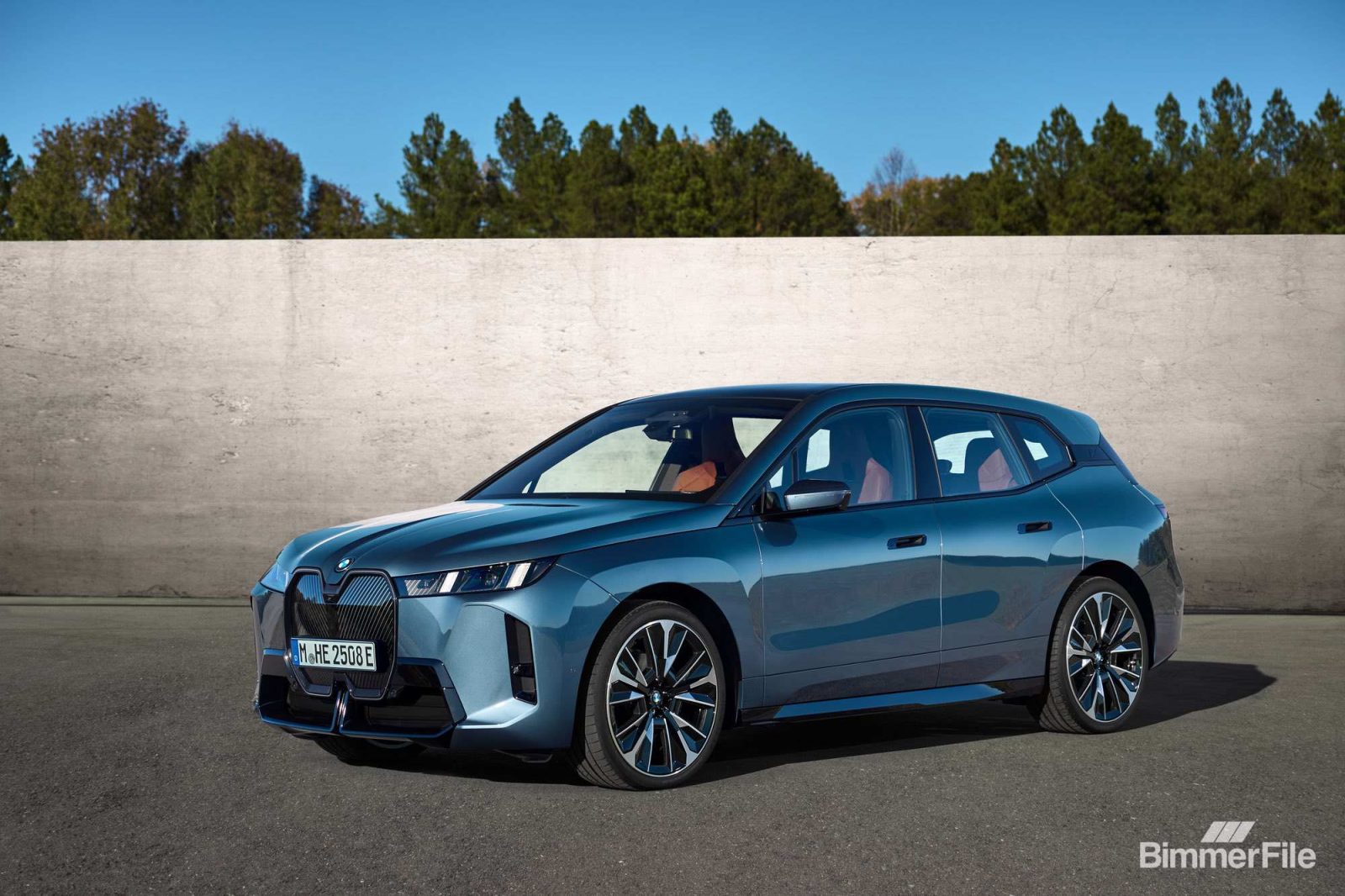
BMW’s electric vehicle performance in 2025 closely followed broader U.S. market dynamics, particularly in the fourth quarter. Sales of battery electric vehicles for the full year amounted to 42,484 units, a decrease of 16.7 percent compared to 2024. The decline was particularly pronounced in the fourth quarter, when BEV sales fell 45.5 percent year-over-year.
A key factor in this slowdown toward the end of the year was the elimination and tightening of U.S. federal electric vehicle subsidies for many BMW models. As incentives disappeared or became more difficult to qualify for, consumer demand slowed rapidly, particularly in the premium segment where monthly payment sensitivity remains high. This policy shift had a direct and measurable impact on BMW’s EV results in the fourth quarter, exacerbating the overall EV market slowdown.
At the same time, customer interest in electrification has not disappeared. Instead, it shifted. Plug-in hybrid sales rose significantly over the course of the year by 30.7 percent to 25,351 vehicles. Buyers increasingly preferred powertrains that deliver electric performance without the compromises that come with charging infrastructure, range anxiety or reduced incentives.
Choice as a competitive advantage
This divergence between BEVs and plug-in hybrids highlights the advantage of BMW’s multi-way strategy. Rather than relying solely on full electrification, BMW continued to offer combustion engine, plug-in hybrid and all-electric powertrain options across much of its lineup. In a year marked by regulatory uncertainty and changing consumer sentiment, this breadth helped BMW retain customers who might otherwise have delayed or abandoned a purchase.
Looking ahead, BMW’s long-term vision remains intact. The global launch of the Neue Klasse platform in 2025 paves the way for the next generation of BMW products. The all-new BMW iX3 is scheduled to hit the US market later this year. Importantly, Neue Klasse is not positioned as a one-size-fits-all solution, but rather as part of a broader portfolio that is designed to evolve based on customer preferences.
In an industry grappling with slowing electric vehicle adoption, changing incentives and mixed signals from regulators, BMW’s performance in 2025 suggests that adaptability, not absolutism, could be the most reliable path forward.

Winners and losers: model-level sales trends in 2025
Looking at the headlines, BMW’s 2025 performance in the US was marked by clear winners and equally clear pressure points across the lineup.
winner
BMW’s light trucks once again carried the brand, with several outstanding achievements:
- X3 – The X3 was one of the strongest volume drivers of the year, posting double-digit growth and reaffirming its role as the core of BMW’s US lineup. Its mix of size, price and powertrain options continues to be the focus of the market.
- X5 – BMW’s midsize SUV remained a pillar of stability, delivering solid year-on-year growth despite a cooling luxury market. The availability of ICE, PHEV and performance variants helped increase its appeal.
- X7 – The flagship SUV continued to grow silently, reinforcing BMW’s strength at the top end of the market where buyers are less price sensitive and more loyal.
- Plug-in Hybrid Models – Despite not having a single model story, BMW’s PHEV range was a clear winner. With a sales increase of more than 30 percent compared to the previous year, plug-in hybrids benefited from customers who sought electrification without friction losses caused by the charging infrastructure or a lack of incentives.
loser
Not every part of the portfolio was shared in BMW’s record year:
- Battery Electric Vehicles (i4, i5, i7, iX) – Each of BMW’s core BEVs experienced year-over-year declines, with the largest declines occurring in the fourth quarter. The loss of US subsidies for electric vehicles played a significant role here, reinforcing weaker demand and making it harder for many buyers to justify premium EV prices.
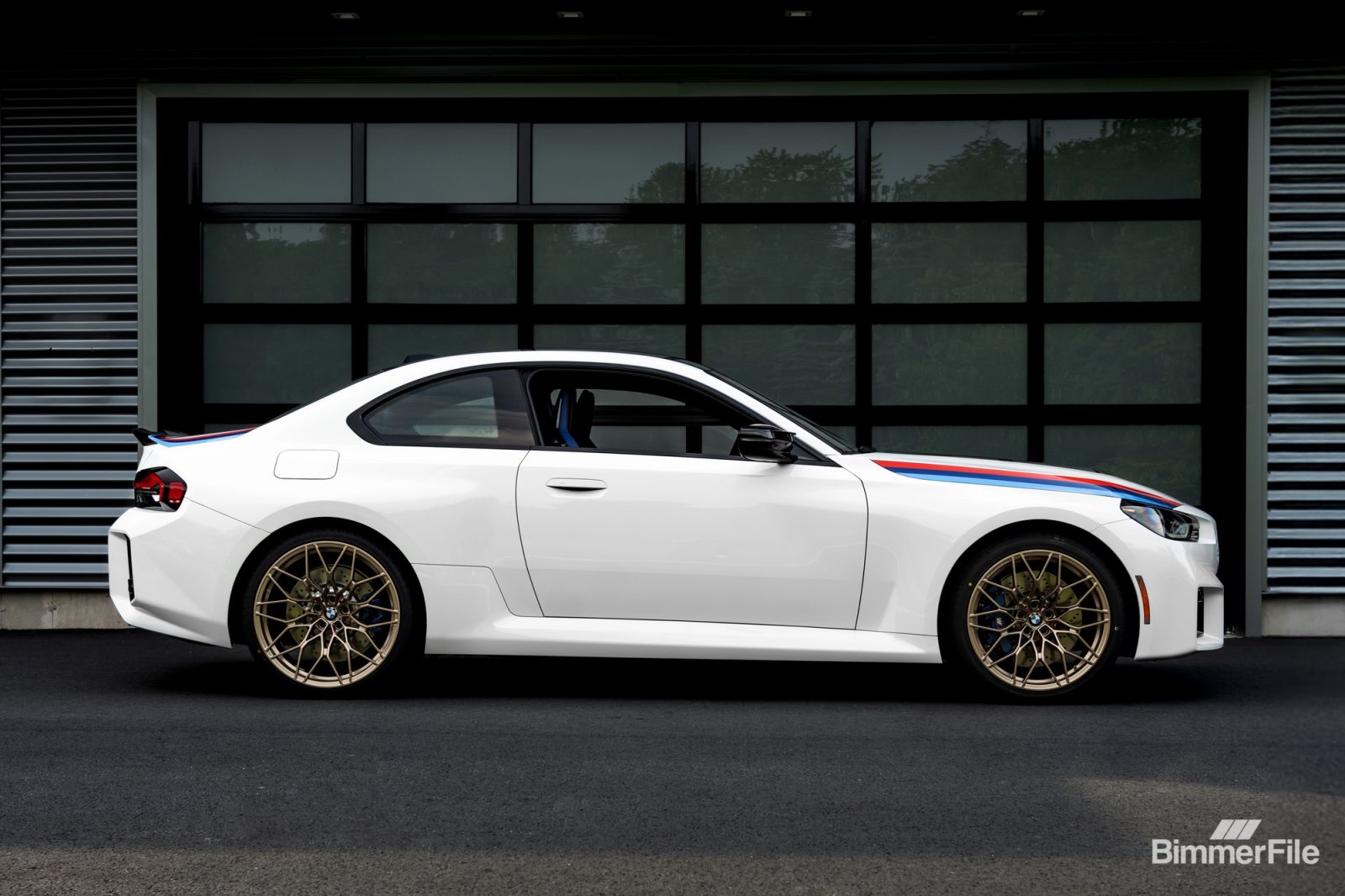
- 4 Series – Sales fell significantly, reflecting continued pressure on coupes and convertibles as buyers focus on SUVs and more versatile body styles.
- X4 – The coupe-style SUV saw one of the steepest declines in the lineup, suggesting that interest in niche variants is waning as consumers increasingly focus on value and functionality.
The conclusion is clear. BMW’s growth in 2025 came not from chasing trends but from doubling down on the strengths of its strongest brands while allowing less important models to absorb the volatility of a changing market.

