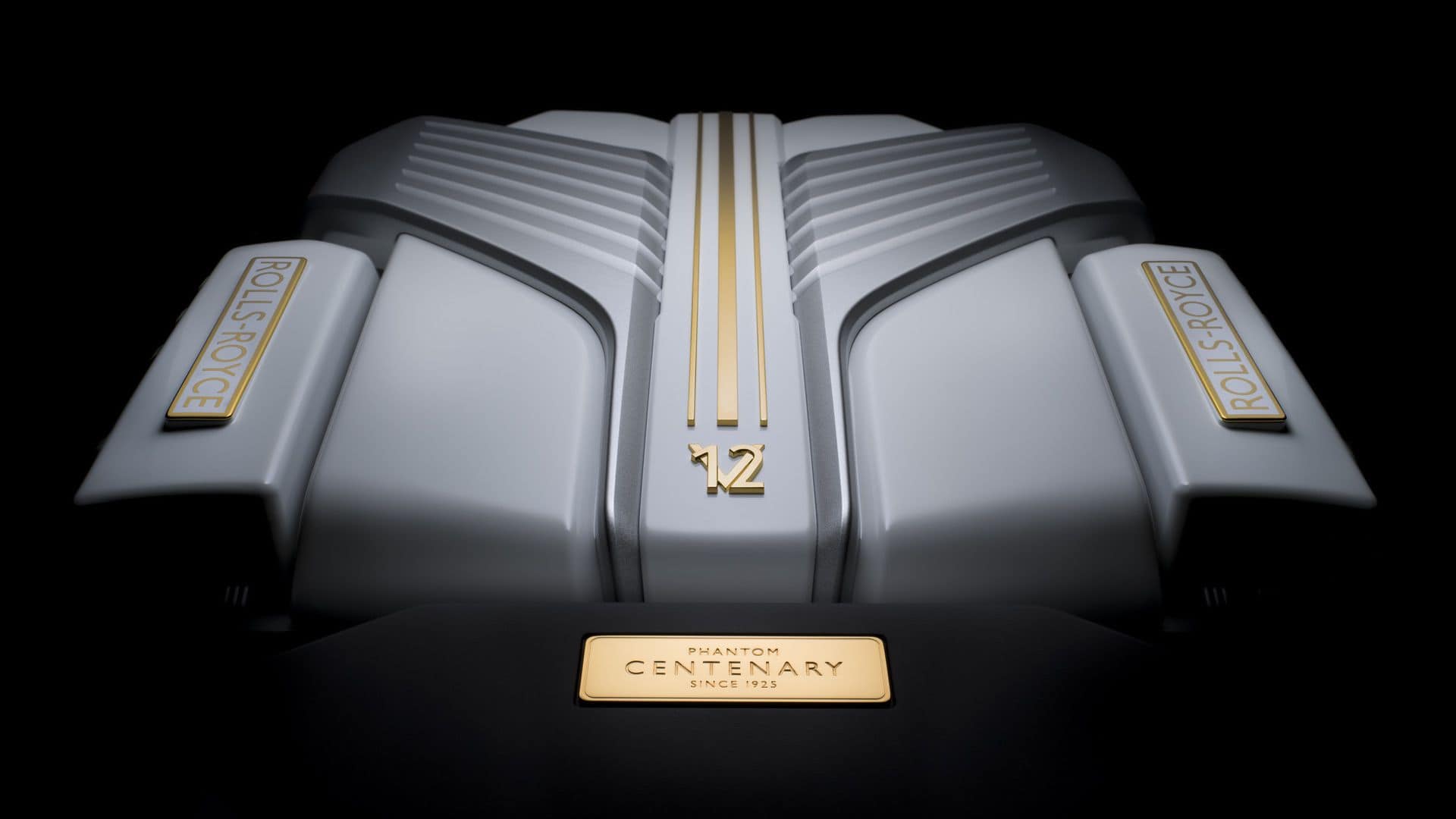
BMW has given one of the clearest signals yet that Euro 7 will not automatically wipe out its combustion engine portfolio – and that Rolls-Royce’s V12 engine still has a way forward.
BMW development chief Joachim Post told Autocar that the company expects to be able to meet Euro 7 requirements through targeted optimization of the exhaust aftertreatment system – particularly upgrades and refinements around elements such as the catalytic converters – rather than having to develop completely new combustion engines at enormous expense. The background is that BMW believes the company is already operating from a strong base, with modern engines designed to meet stricter emissions limits through hardware development and calibration, rather than a complete restart.
The market is changing
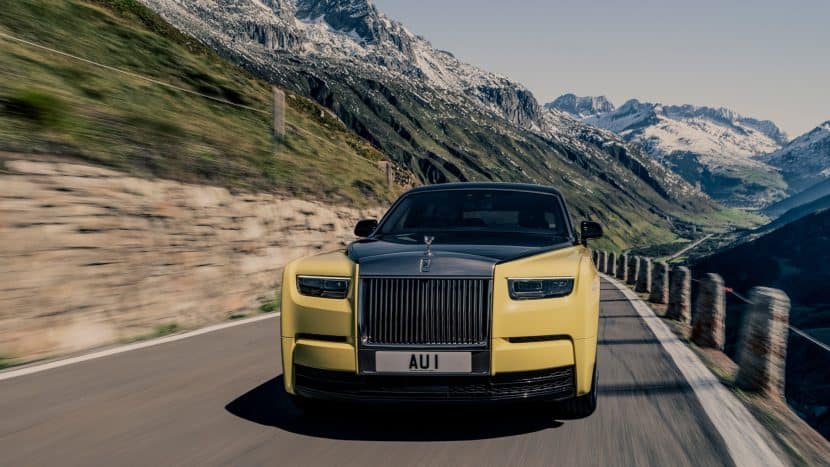
Post also confirmed that BMW’s next lineup will continue to include four-, six-, eight- and twelve-cylinder engines. That’s important because BMW itself no longer sells a V12 engine under the brand – the last chapter effectively ended with the brand’s flagship luxury models – but the BMW Group still has a very well-known home for twelve-cylinder engines: Rolls-Royce. Post’s comments explicitly keep the door open for this engine to continue, suggesting that the Euro 7 regulatory hurdle is manageable enough that it will not result in an immediate end to the V12 engine at Goodwood.
This contradicts previous statements. In 2023, said former Rolls-Royce boss Törsten Müller-Ötvos Car magazine “We have also made the decision that this car cannot be available with electric and combustion engines. The Specter is electric only. All future Rolls-Royces, including new ones, will be electric only, maintaining what Rolls-Royce stands for. This should be the most dynamic RR ever in history. And it is.”
However, as the market shifts back to internal combustion engine cars, it makes sense that the British luxury market plans to keep its V12 engines alive. Post’s comments reinforce the idea that Rolls-Royce can expand its range of electric vehicles without having to immediately remove the V12 from the order book.
It’s unlikely you’ll see a V12 in a BMW car
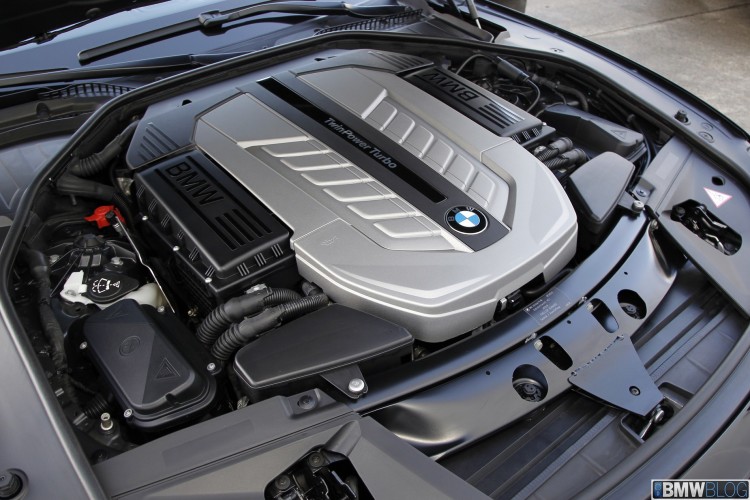
At the same time, this should not be mistaken as a sign that BMW is preparing its own V12 comeback. If anything, the opposite is more likely. BMW’s mainstream twelve-cylinder business case has largely evaporated: demand is niche, the engineering effort is hard to justify against tighter regulations and corporate fleet targets, and BMW can already deliver flagship-level performance with its six- and eight-cylinder engines – increasingly supported by hybrid systems – while electric vehicles take over a larger part of the halo and technology narrative.
[Source: Autocar]
