Selling cars is fundamentally more difficult in Europe than anywhere else in the world. Car manufacturers must comply with increasingly strict fleet emissions regulations. Otherwise, there is a risk of high fines if the targets set by the 27 EU member states as well as Norway and Iceland are missed. At the BMW Group, the limit value last year in the WLTP cycle was 92.9 grams of CO₂ per kilometer.
This turned out to be no problem at all. The company estimates its fleet’s emissions at a nice round figure of 90.0 grams. As the proportion of electric vehicles and plug-in hybrids continues to increase, fleet-wide emissions are naturally declining. For comparison: The BMW Group average was a significantly higher 135 grams per kilometer in 2020.
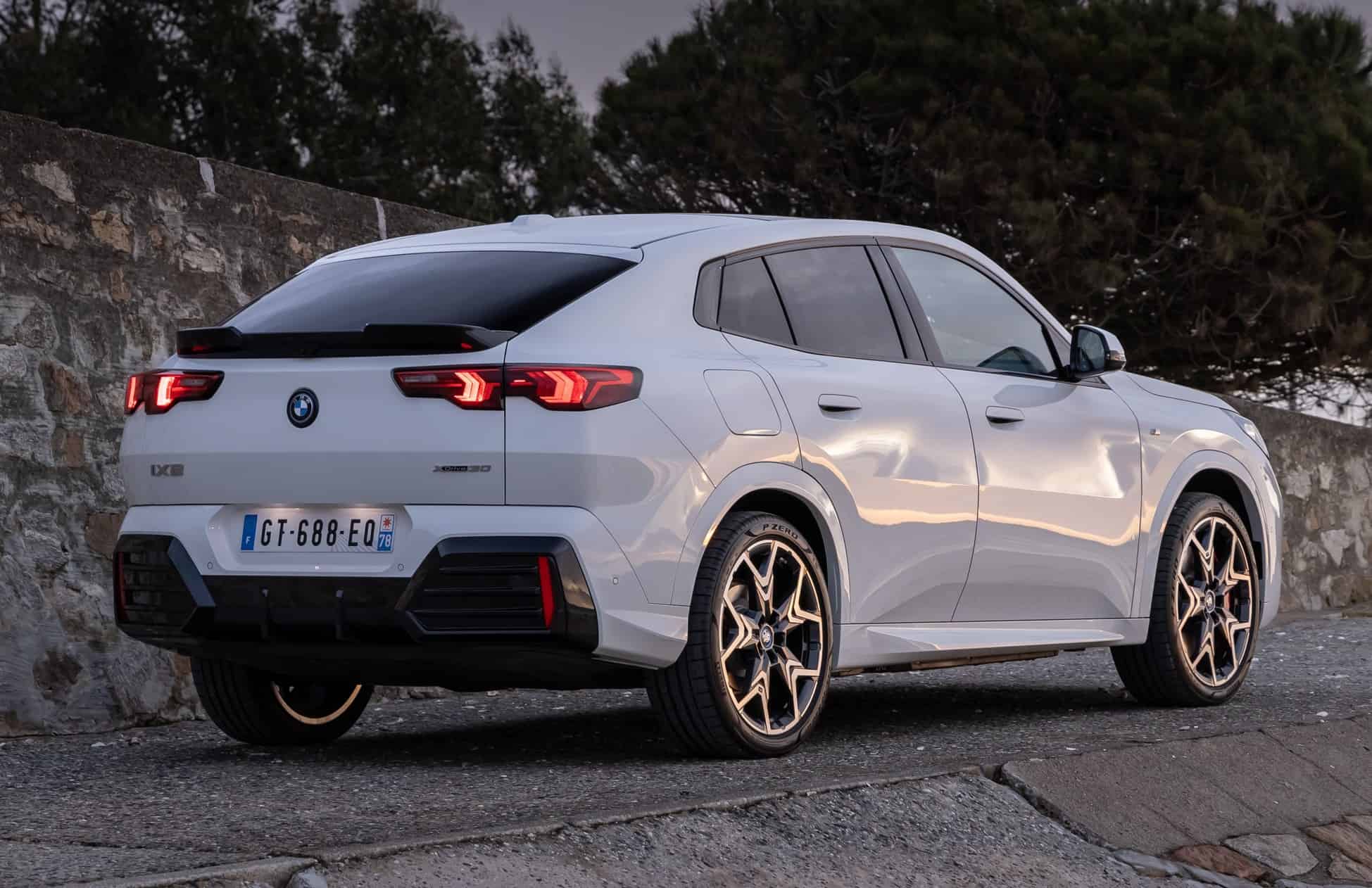
Given the early success of the new iX3, 2026 should be a breeze for BMW. The New Class SUV is already almost sold out in Europe this year, even with 11 months left. In order to shorten waiting times, a second shift will be introduced at the Debrecen plant in Hungary earlier than originally planned.

Even without the iX3, the BMW Group (including MINI and Rolls-Royce) sold more than 202,000 electric vehicles in the EU, Norway and Iceland last year. About 26.3% of all vehicles sold in the region did not have an internal combustion engine. Year-on-year, demand for electric vehicles in Europe increased by 28.2%. If plug-in hybrids are included, electrified models accounted for more than 40% of total deliveries across the 29 countries.
While the iX3 is an important part of the story for 2026, several other electric vehicles are on the way. From a volume perspective, the i3 sedan will be the most important, although production will only begin in the second half of the year. This means that the full impact on sales will not be felt until 2027. The same applies to the first-ever iX5 and i7 facelift, both planned for 2026. It hasn’t been officially confirmed yet, but the iX4 is also expected to come onto the market this year.
Looking ahead, the BMW Group is confident that fully electric vehicles will account for over 50% of global annual deliveries by the end of the decade. However, there is still a long way to go as electric vehicles accounted for only 18% globally in 2025. The influx of New Class models, including cheaper i1 and i2 models, is expected to significantly boost demand. Nevertheless, it will be a major challenge to reach the 50 percent mark in just a few years.
