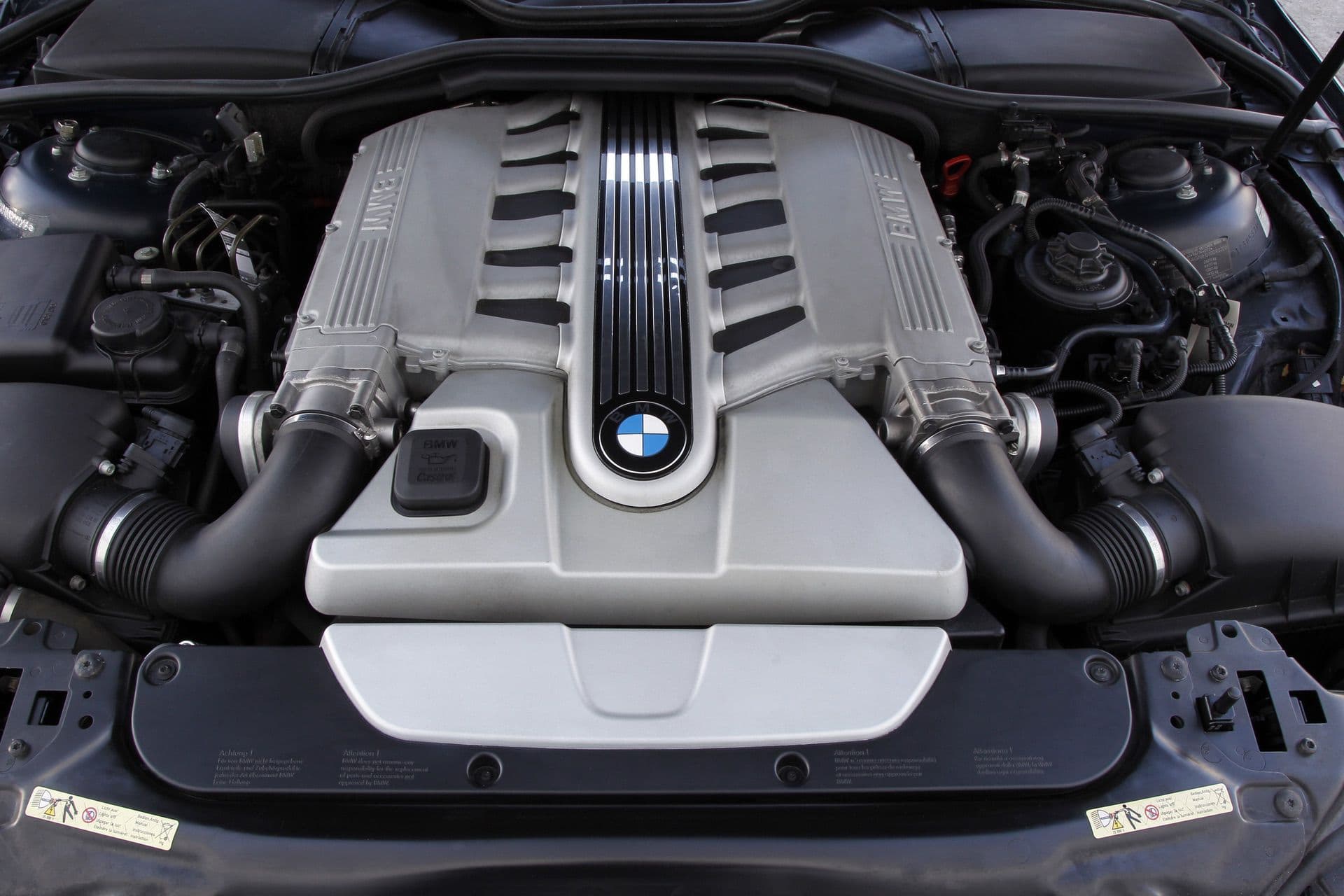
Before the twin-turbocharged N74 ushered BMW’s V12 into the boost era, the N73 represented something arguably more ambitious: a flagship naturally aspirated engine that combined the smoothness of an old-school V12 with then-modern technology. It debuted in the 7 Series E65/E66 as the 760i/760Li and is widely considered to be the world’s first production V12 with direct gasoline injection – a big leap over its predecessor, the M73.
In return, you got the kind of effortless, turbo-like power delivery that V12 engines do best, plus a modern BMW touch: Double VANOS + Valvetronic, paired with direct injection – a combination that BMW itself highlighted as a first for the brand with this engine.
Quick N73 overview
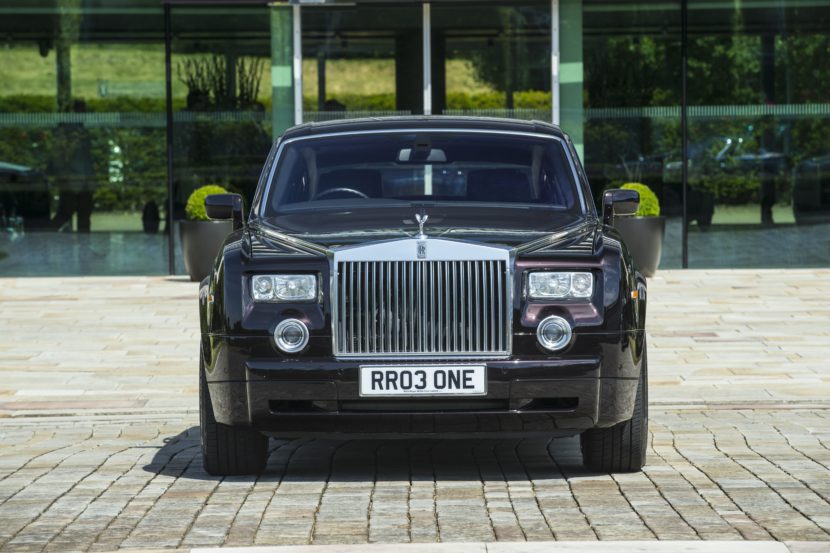
At its core, the N73 is a 60-degree all-aluminum DOHC V12 engine that was developed as a new development by BMW of the “New Generation” (NG) in 6.0-liter form (N73B60) for the 760i/760Li. A larger derivative, N73B68 (6.75 liters), powered the first-generation Rolls-Royce Phantom VII and related Phantom variants for years – one of the most fascinating footnotes in BMW’s modern powertrain history.
Outstanding features that make the N73 special
1. Direct injection, V12 edition
The headline: direct gasoline injection on a standard V12 – years before DI became mainstream across all model lines. BMW’s training material positions DI alongside Valvetronic as an important pillar of the N73’s efficiency and performance goals.
2. Valvetronic + double VANOS (a rare combination on a V12)
Unlike the later N74 (which famously did not have Valvetronic), the N73 relied heavily on BMW’s variable valve technology: Bi-VANOS plus variable intake valve lift via Valvetronic.
3. High system complexity (since flagship)
BMW’s own workbook addresses the additional layers of control hardware surrounding the N73’s DI/valve train management (this theme is felt every time you perform maintenance or troubleshooting).
Which cars have the N73?
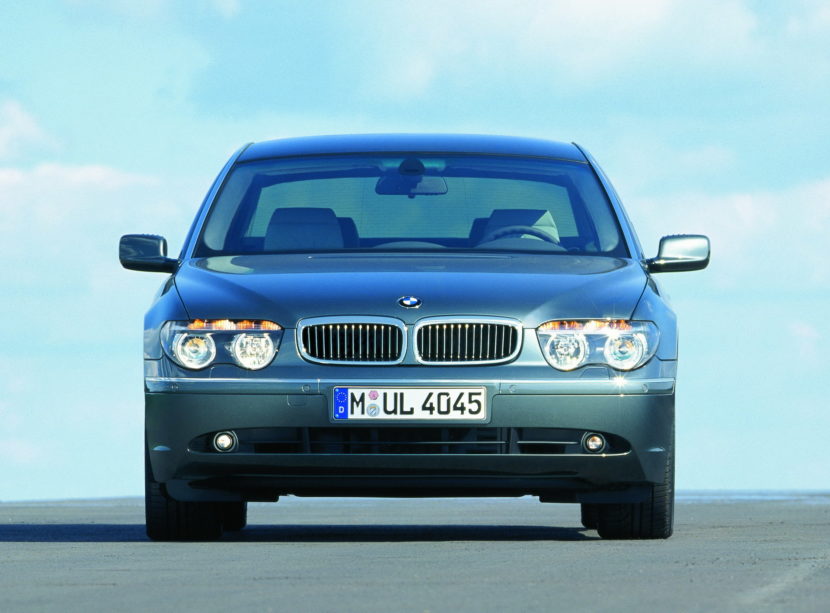
BMW applications (N73B60):
- 2003-2008 BMW 760i / 760Li (E65/E66)
Rolls-Royce applications (N73B68):
- Rolls-Royce Phantom VII (and related Phantom variants throughout the era)
Reliability: What owners should pay attention to
Let’s face it: the N73 isn’t “unreliable” in the cartoon sense – it’s just expensive and complicated, and that changes the ownership equation. When problems arise, they often involve direct injection hardware components, weak points in the cooling system, or labor-intensive maintenance access.
High Pressure Fuel System Failures (DI Reality)
DI brings benefits, but it also introduces high-pressure components that can be prone to failure as it ages. A commonly discussed problem with the E65 760i is a problem with the high pressure fuel pump (HPFP), with symptoms such as long cranking, misfires, loss of power or stalling.
Cooling system leaks (the infamous coolant pipe problem)
There is enough demand for specialist repair solutions that entire kits are available specifically for N73 coolant transfer line leaks on BMW 760Li and Rolls-Royce N73 applications – usually because traditional repair can be labor intensive.
Service Access: “How many things need to be solved to achieve this?”
BMW’s N73 workbook notes that even routine things like spark plugs can be a bigger job than one would expect, including instructions that the intake system needs to be removed and that spark plugs are scheduled at 100,000 miles (US vehicles).
Carbon deposits (a side effect of direct injection)
A common disadvantage of gasoline direct injection is the lack of the “fuel washing effect” on the intake valves, which can lead to increased carbon deposits over time. How important this is depends on mileage, usage and maintenance, but is part of the discussion of DI ownership.
Tuning potential: What is realistic for a naturally aspirated V12 engine?
Because the N73 is naturally aspirated, it doesn’t have the easy “turn up boost” way that makes the N74 so customizable. That doesn’t mean there isn’t an upside – it just means that profits tend to be incremental and the cost-to-income ratio can quickly turn ugly.
Software tuning
There are off-the-shelf tunes, and community chatter typically presents them as modest gains (think “noticeable, not transformative”). In a forum discussion, typical tuning expectations are compared to around 30 hp and minor torque improvements.
Exhaust upgrades (sound + breathing space)
When looking at anything hardware-related on an N73, many start with the exhaust – often for both sound and performance. There are aftermarket manifold solutions (e.g. Supersprint manifold kits for the E65 760i/760Li).
The Final Verdict on Big Power Builds
If your goal is big numbers, the N73 isn’t the “cheap horsepower” V12. Due to the compact package, complexity, and limited bolt-on ecosystem compared to turbocharged engines, this is typically an engine you modify because you love the N73 experience, not because it’s the smartest platform for performance per dollar.
The BMW N73 occupies an intriguing place in the brand’s V12 generation: old-school smoothness coupled with modern first-generation technology – Valvetronic and direct injection – just as the luxury market began to demand both performance and efficiency.
As a used flagship engine, it rewards the dedicated owner with a uniquely cultivated character. But it also requires realistic budgeting for DI fuel hardware, cooling system vulnerabilities, and labor-intensive maintenance. If you’re buying one (or planning to tune one), the best thing you can do first is make sure the maintenance baseline is absolutely set
