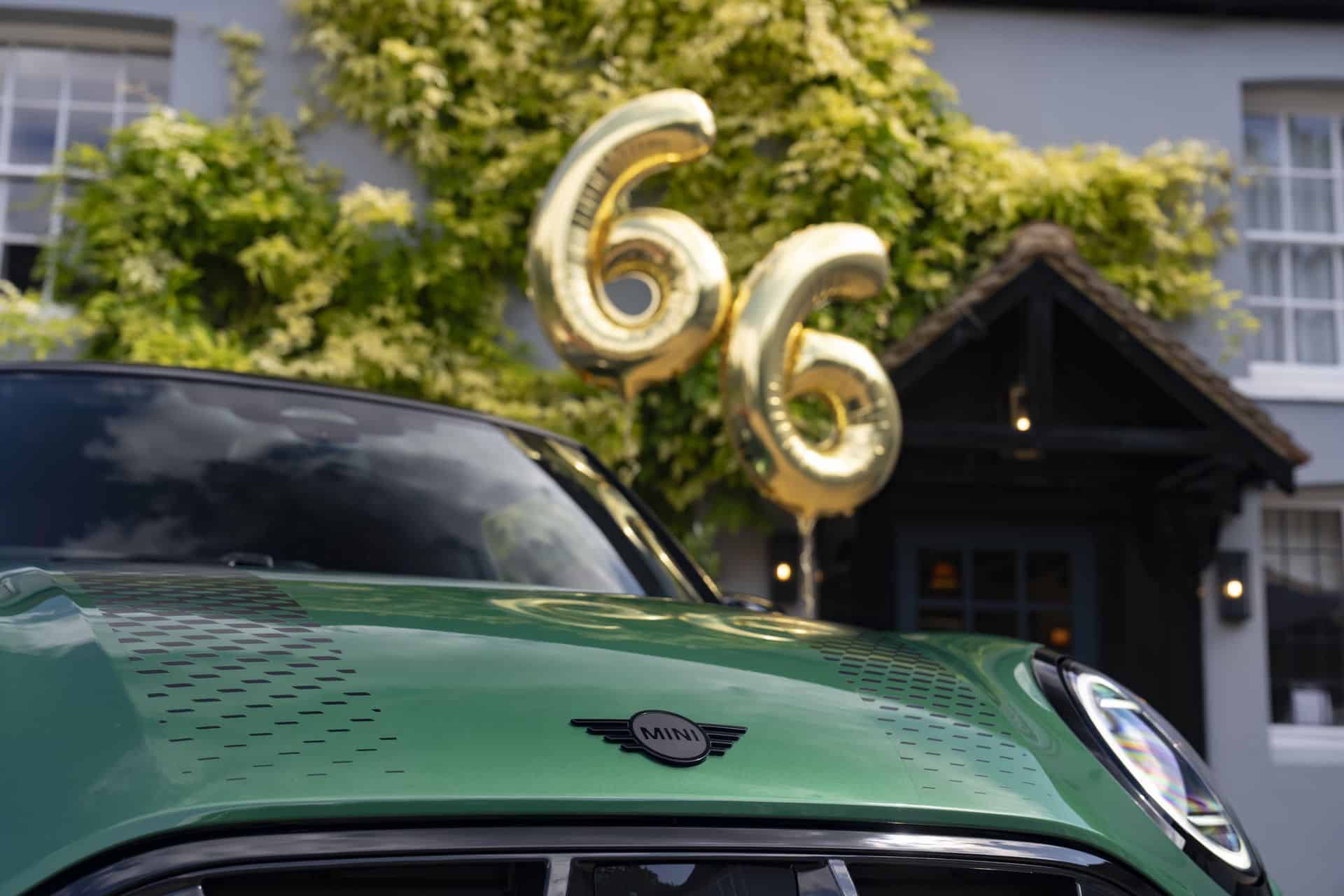
On August 26, 2025, Mini will be 66 years old – a milestone that only reaches a few cars. What started in 1959 as a brave experiment by Sir Alec Issigonis has become one of the most constant stories in automotive history. The Mini redefined how small cars could be designed, won both everyday drivers and cultural icons and proved on rally phases against much larger competitors.
More than six decades later, the modern mini still wears this DNA, even if it has grown under BMW’s responsibility in the electrical era. This anniversary is not only a review of a British icon, but also a memory of why the Mini formula has remained relevant since the start of the day.
Cultural icon and outsider racing driver
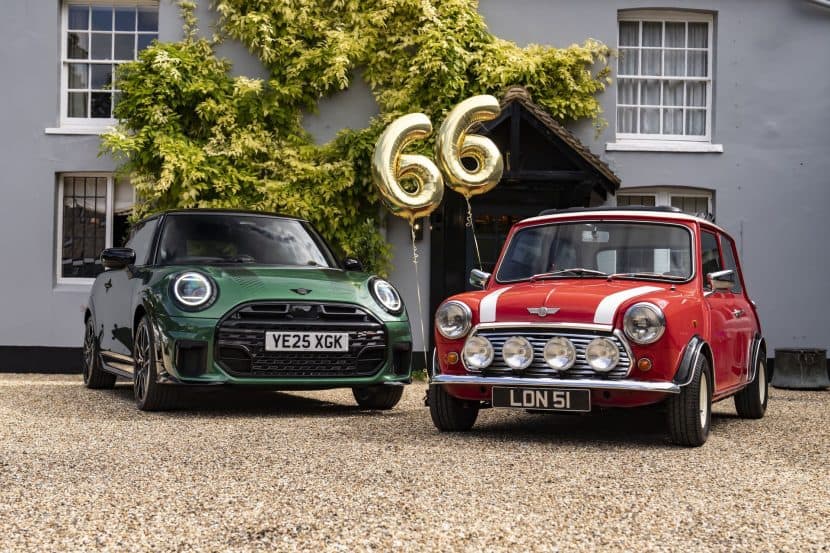
The Mini appeal quickly spread beyond the Great Britain’s working class. It was loved by the 1960s Great Britain, from all, from everyday drivers to the Beatles and even the royal family. Its screen presence was just as permanent: from the Italian job to Mr. Bean the mini became a hero of pop culture. At the same time, his performance registration information was undeniable. John Cooper converted the little car into the Mini Cooper and later the Cooper S, who amazed the motorsport world. Against much larger competitors, the Mini won the Monte Carlo rally in the 1960s and proves that engineering could surpass the size and power of raw materials.
Expansion of the family
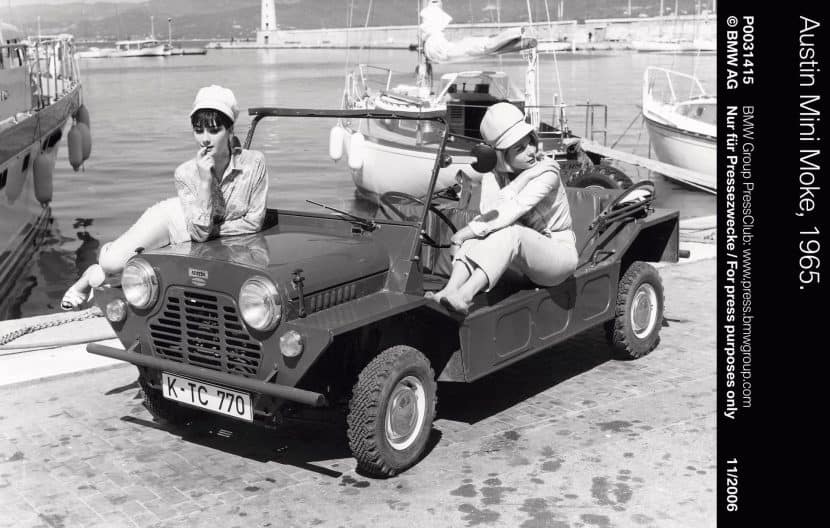
The mini was not limited to a single body style. Vans, collection and the quirky mini-Moke gave the brand the versatility and served merchants, vacationers and even the military. The mini kept this adaptability visible in all areas of life and brought it further into the cultural material.
Production milestones and popularity
A million minis were built by 1965. This number had tripled until 1972. A total of over 5.3 million classic minis were produced before the original model ended its course in 2000. On the way, numerous special editions and colorful cladding in the 1980s and 1990s kept the car fresh for new generations.
The BMW era: reinvention and growth
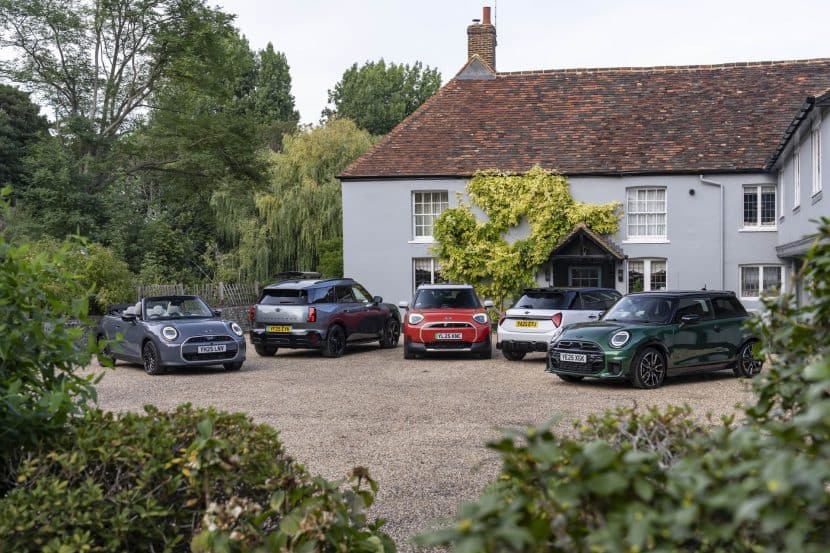
The Mini brand entered a new phase when BMW took over Rover in 1994. In 2001 the first modern mini came under BMW management. While they are larger and equipped with modern safety and comfort features, it put the essence of Issigonis’ idea: a small, stylish car with sharp handling and personality.
In the decades since then, Mini has expanded far beyond its single model roots. The compatriot brought SUV practicability, the Clubman offered more space and the new Aceman enters the crossover market. In the meantime, models such as the Mini Cooper SE (electrically) and the Mini Cabrio (F67) ensure that the original spirit continues in modern form.
It has been 31 years since Mini joined the BMW Group and has been on the market for 24 years since the first BMW-developed mini. During this time, BMW managed to modernize and expand the brand without losing its core identity. Today’s mini is not a carbon copy of the original from 1959 – but judged to its contemporaries, it still stands for individuality, mobility and fun in a way in which no other small car fits completely.
