With a few exceptions such as Volvo and Polestar, most automakers reject the European Union’s plan to ban the sale of new internal combustion engine cars from 2035. Although the legislation does not explicitly ban internal combustion engines, it does require that vehicles emit no emissions. Practically speaking, it amounts to the same thing. Well, unless hydrogen-powered engines and synthetic fuels make a breakthrough in just nine years.
BMW has resisted the proposed deadline from the start, warning that the European car industry could implode. If the ban is left unchanged, tens of thousands of workers could lose their jobs. Munich also doubts that markets will be ready to fully embrace electric vehicles by 2035.
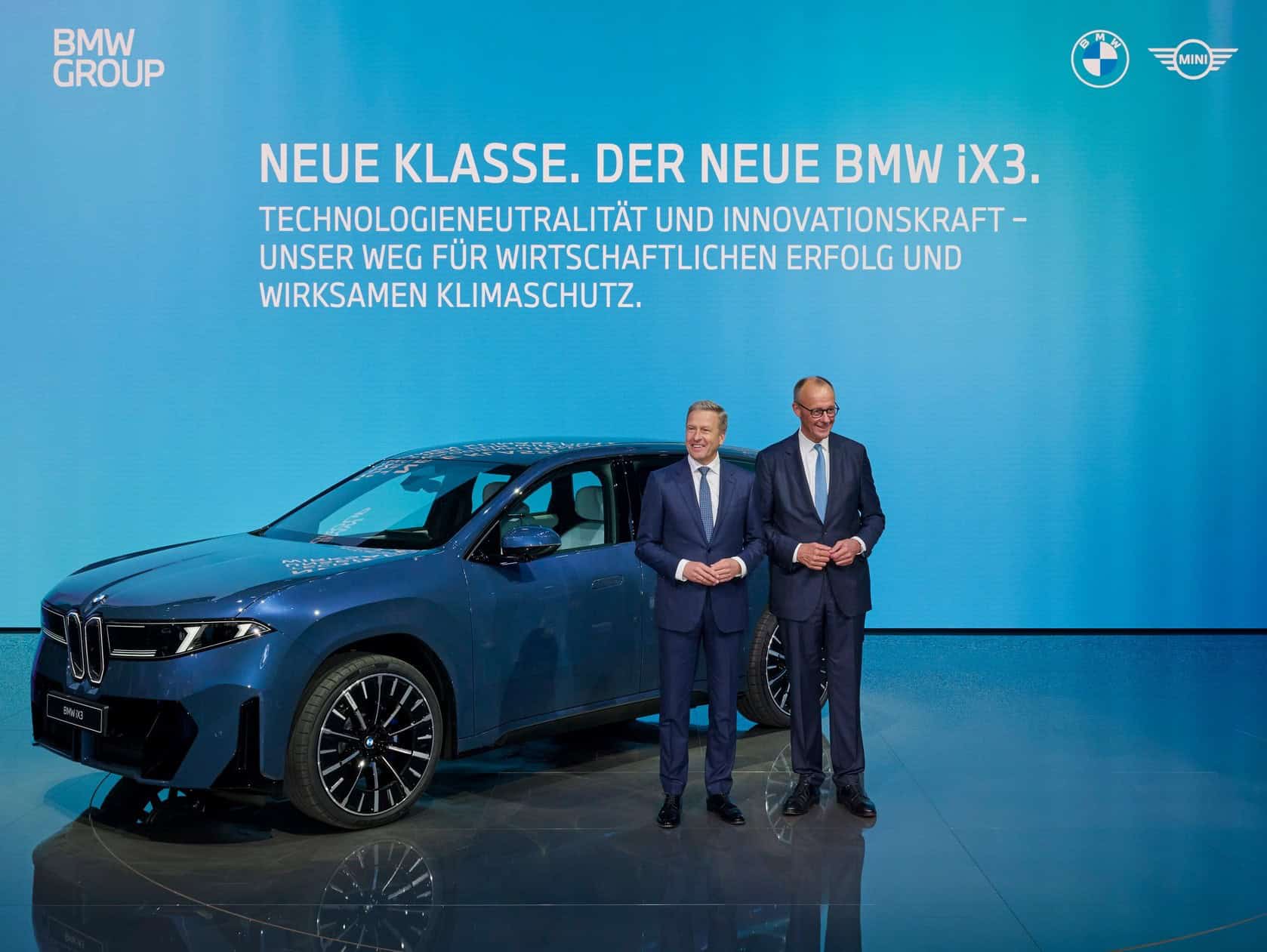
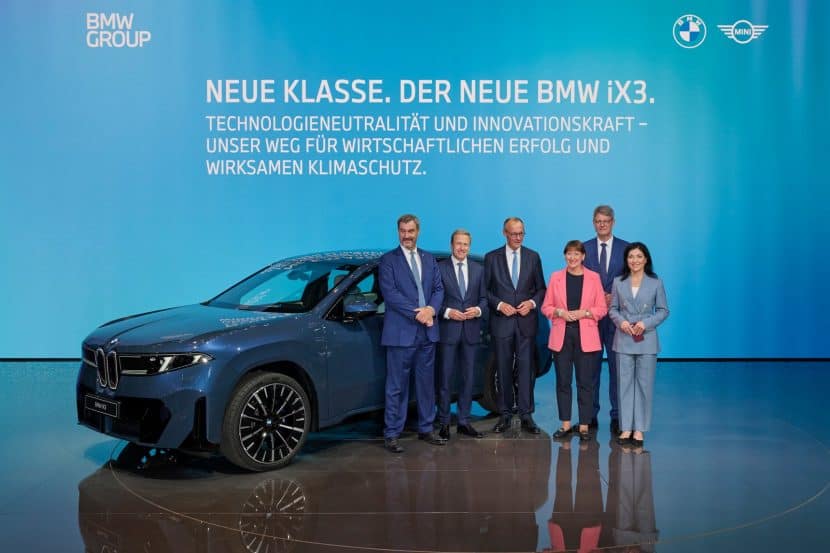
Demand for electric cars in Europe remains uneven and is influenced by several factors, including underdeveloped charging infrastructure and higher prices for electric vehicles compared to equivalent gasoline models. Chancellor Friedrich Merz now joins BMW and other car manufacturers in opposing the ICE ban in 2035.
Bloomberg received a letter that Merz sent to EU Commission President Ursula von der Leyen. Why now? The European Commission will meet on December 10 to report on the current status of the 2035 zero emissions target. Merz wants legislation revised to allow plug-in hybrids beyond the middle of the next decade. He is also convinced that “highly efficient” vehicles with combustion engines should remain on the market even after 2035.
Merz also advocates that gas-powered engines with range extension should be excluded. If you’re unfamiliar with the technology, these vehicles use an internal combustion engine as a generator to charge a battery, while electric motors power the wheels. The engine is not mechanically connected to the wheels. BMW used a range extender in the i3 and is reportedly considering reintroducing it to its largest SUVs.
Accordingly BloombergMerz writes in the letter: “Our goal should be a technology-neutral, flexible and realistic CO2 regulation that meets the EU’s climate protection goals without endangering innovation and industrial value creation.”
He also advocates synthetic and renewable fuels to reduce emissions from existing cars. BMW is a strong supporter of alternative fuels, particularly Hydrogen Treated Vegetable Oil (HVO100) for diesel engines and eFuel for gasoline engines.
We’ll have to wait and see how this plays out, but one thing is clear: automakers need clarity. Even though 2035 is still nine years away, developing new products takes time. Companies need at least four years to bring a model to market. Not knowing whether a car can be legally sold in all 27 EU member states after mid-2035 raises major concerns about the viability of a product.
Source: Bloomberg
