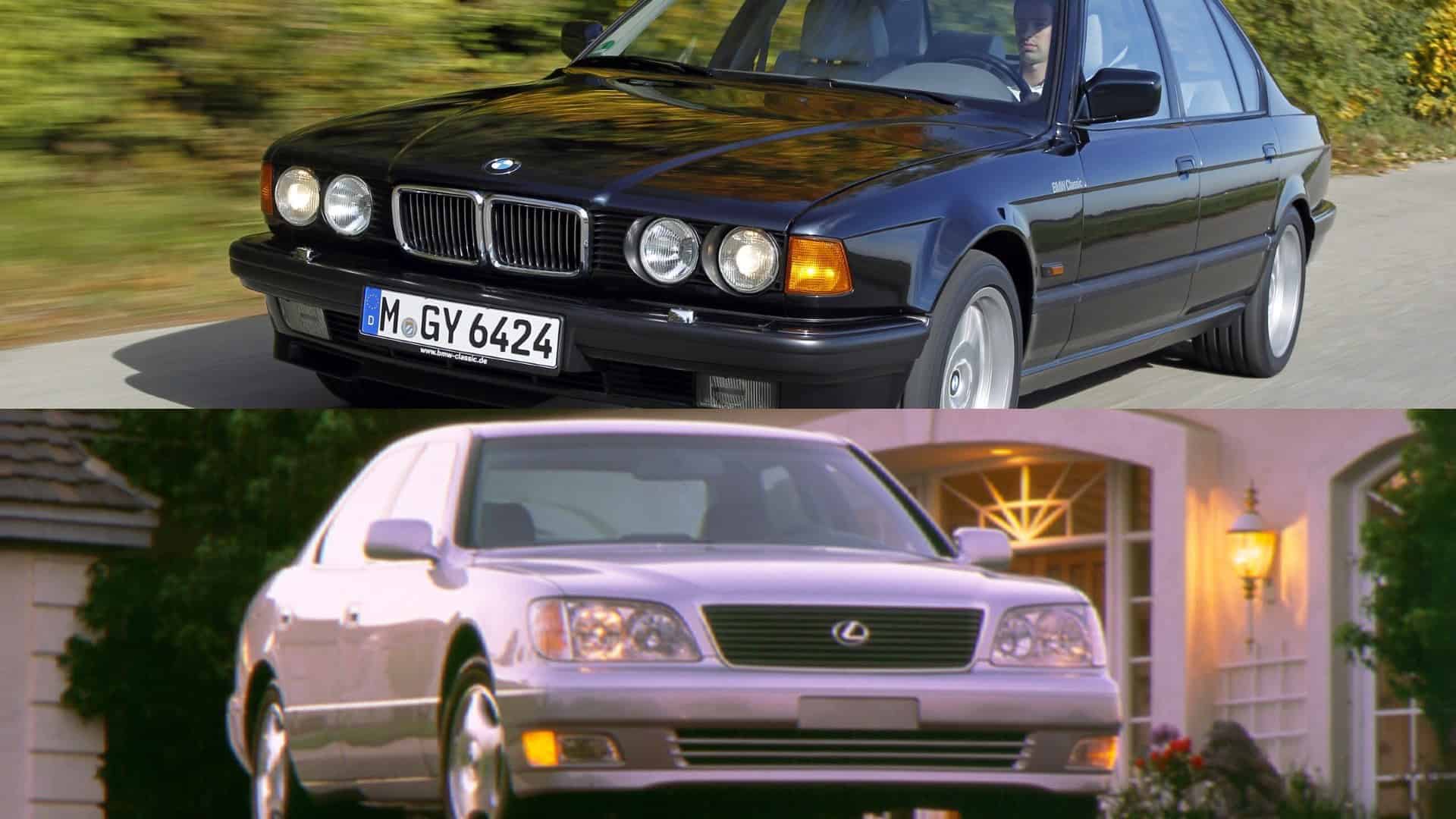
BMW sells a lot of cars in the US these days. In fact, at last count, the brand moved 371,346 cars and SUVs last year. It didn’t happen overnight; Fifty years ago, the year BMW of North America was founded, the brand sold just 19,419 cars. One of the biggest speed bumps in the brand’s journey to selling so many cars came in the late 1980s. The problems began when the exchange rate of the US dollar to the German mark fell, which unfortunately made BMWs extremely expensive in the US (and elsewhere). The brand’s problems in the USA were compounded by increasingly strict emissions standards. That’s probably why some of the biggest BMW models for enthusiasts never made it to our shores. Then finally, in the last year of the 1980s, BMW had another reason to lie awake at night: Lexus.
Lexus challenges BMW
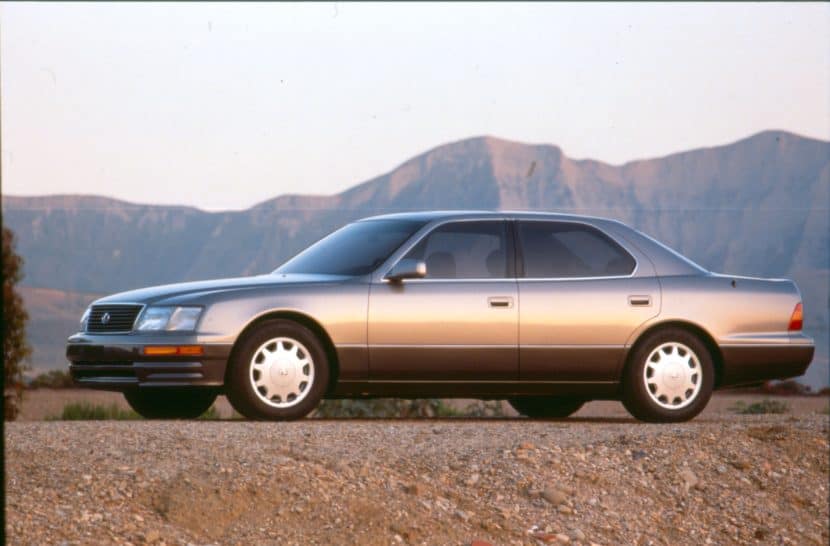
In 1989, Toyota officially launched the Lexus brand. The aim was to appeal to the BMW/Mercedes-Benz buyer with luxurious vehicles and an attention to customer service; Historically, a single customer complaint triggered a brand-wide service campaign that garnered a lot of positive attention. In 1991, Lexus came along, and that was painfully clear to anyone who looked at BMW’s sales figures. While the brand sold 96,759 cars in 1986, that number dropped to a painful 53,343 in 1991. “It was clear that our model range simply did not live up to the claim of ‘The Ultimate Driving Machine’,” said Vic Doolan, then newly appointed Head of Sales and Marketing at BMW AG. “We knew that to be competitive we had to delight and satisfy the BMW owner.” The unspoken truth? Lexus gained market share due to its powerful and smooth V8 engines, its excellent comfort and amenities, and its perceived reliability thanks to its Toyota connections.
BMW is fighting back

So BMW started working on something that Lexus had shown was a customer need: larger and more powerful V8 engines. BMW says the 5 and 7 Series became more attractive to U.S. customers, and a new product line in the Z3 Roadster further strengthened the offering. There were also changes at the dealer level. After all, that’s what they had to do to keep up with Lexus’ newfound reputation. “Our dealer network was demotivated and unprofitable,” Doolan said. “The result was poor dealer service.” Doolan introduced free scheduled maintenance and enhanced technical training to ensure a better service experience.
The mid-1990s also saw major changes in the way people bought BMWs. BMW Financial Services was introduced in 1992 and offered customers and dealers better conditions and more flexibility. Customer loyalty increased while dealers had increased access to used BMW vehicles. By 1996, BMW had managed to record annual sales of 105,761 units. By 1999, Lexus had sold its millionth vehicle after less than a decade of existence. So the fight continued.
As we now know, there was room in the market for both brands – and many other competitors. In 2000, BMW launched the E39 M5 and the all-new BMW X5 SUV. The latter in particular was a perfect complement to the thriving Lexus portfolio, which was joined in 1998 by the Land Cruiser-based LX 470 SUV. As a sort of “where are they now,” Lexus moved 91,609 vehicles in the third quarter of 2025. BMW, on the other hand, sold 96,886. As close as ever, it seems. As a big fan of both brands – and owner of a GX 470 and a “clown shoe” M coupe – it’s amazing to see the dividends the good competition has paid.
Source: BMW USA
