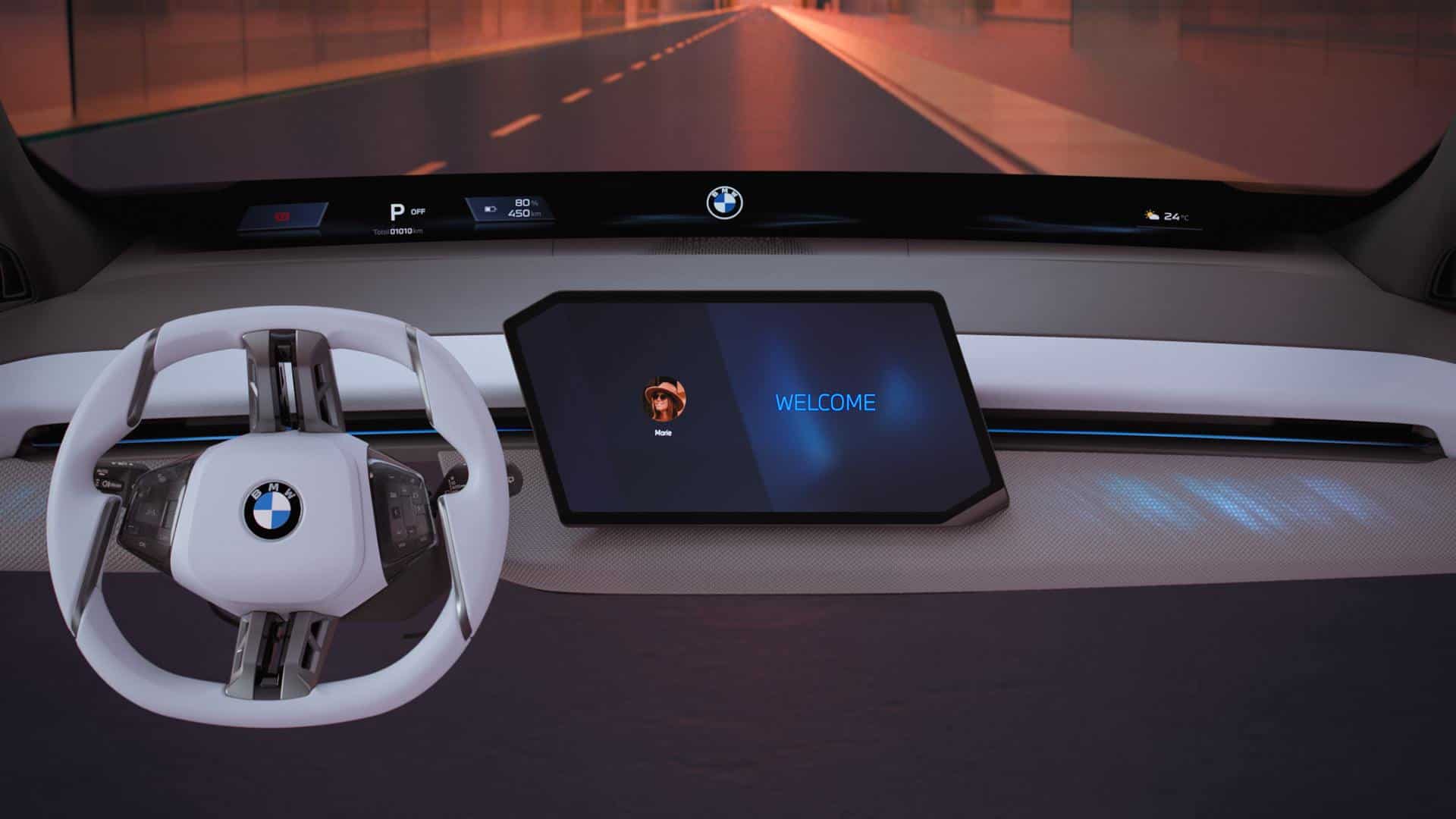
In an age where dashboards resemble smartphones and cars behave more like connected devices than machines, the real battle for driver loyalty is on the screen. Behind every swipe, every animation, and every menu is a design philosophy informed not just by aesthetics, but also by culture, geography, and the tug-of-war between simplicity and performance. At Designworks, these invisible decisions are the focus – and the way they are made reveals far more about modern automotive engineering than most drivers ever realize.
How BMW’s interfaces evolved from simplicity to cultural complexity
Design has always been more than just superficial. These days, however, what goes on inside the vehicle is arguably more important than what it looks like. A car’s user interface (UI) can ruin an otherwise sleek vehicle, and no one seems to be more aware of this than the folks at Designworks. Matthew Potter, Director of Interaction Design at Designworks, shared how interfaces are created in the studio. The early iDrive, introduced in the then-new BMW 7 Series E65 in 2001, was a “really big opportunity,” Potter said. “Everything was much simpler back then,” he begins. “We have such an iconic dashboard that you see in this concept here. The center display unit was just a really big goal.” Potter claims it was in search of the “ultimate sense of simplicity.”
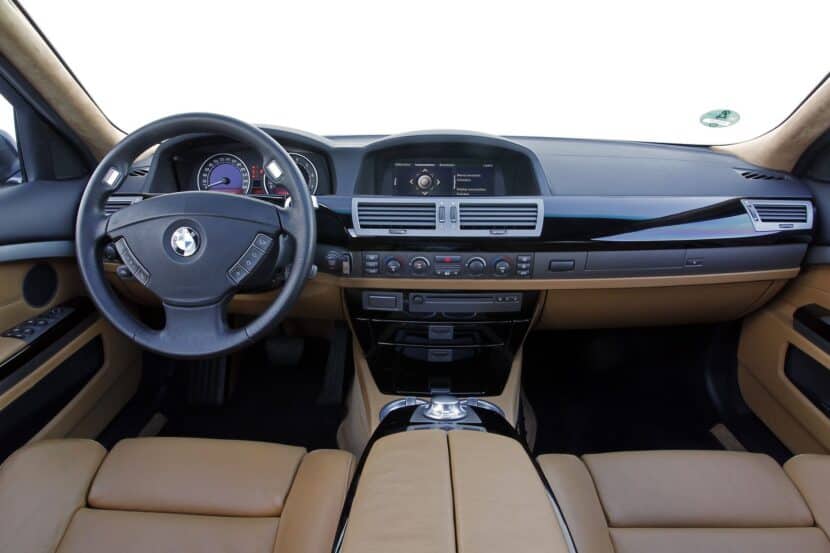
Of course, today things are a little more complicated. “What are the most powerful apps in the United States? What are the most powerful apps in Germany? How do people interact with these apps? Where is the middle ground?” Potter asks. Early iDrive screens consisted of little more than a handful of button options. That is no longer the case. “People in the United States really want convenience. They want more visuals, more simplicity. They want more playfulness,” says Potter. “What we found in German apps is much more useful, more data, more to read and more educational.”
Balancing emotion, usability and global influence at Designworks

Ultimately, good design seems to be all about balance. “We need to balance emotion with usability, right?” Potter says. “You can make a really cool interface, you can make it look nice, you can make it fun and exciting, but if you can’t use it, it’s kind of useless.” There are no arguments here. Geography is also important. While Designworks – and thus also BMW – pools data from all over the world, the USA is of central importance. “We have a very diverse user base in the US,” begins Designworks. Buyers in Texas are different than buyers in California, and their needs are different too. It’s a small illustration of why Designworks has studios in Munich, Shanghai and Los Angeles. Adrian van Hooydonk translates it for us on the global stage: “The studios have two tasks. One is to work with all international Designworks studios to identify global trends, things that become relevant for all our clients.” The second task is to look locally and find out what matters most in their markets.
Whether you’re looking longingly at the latest BMWs sitting in the dealer’s parking lot or peering over the hood from the driver’s seat, it’s clear that almost every design decision that goes into a car is, at least in some sense, a global collaborative effort. True, the details may vary. “There are some things that differ in customer preferences,” says van Hooydonk, “and we try to take these into account as well, as all of our markets are now very competitive.” At the same time, you’ll be hard-pressed to find anything that isn’t still recognizable as a BMW. “So far I haven’t seen anything that is completely contrary to what our brands stand for,” he says. “We take these things into account from what we learn from customers in China or the US, and they all ultimately make our products better.”
