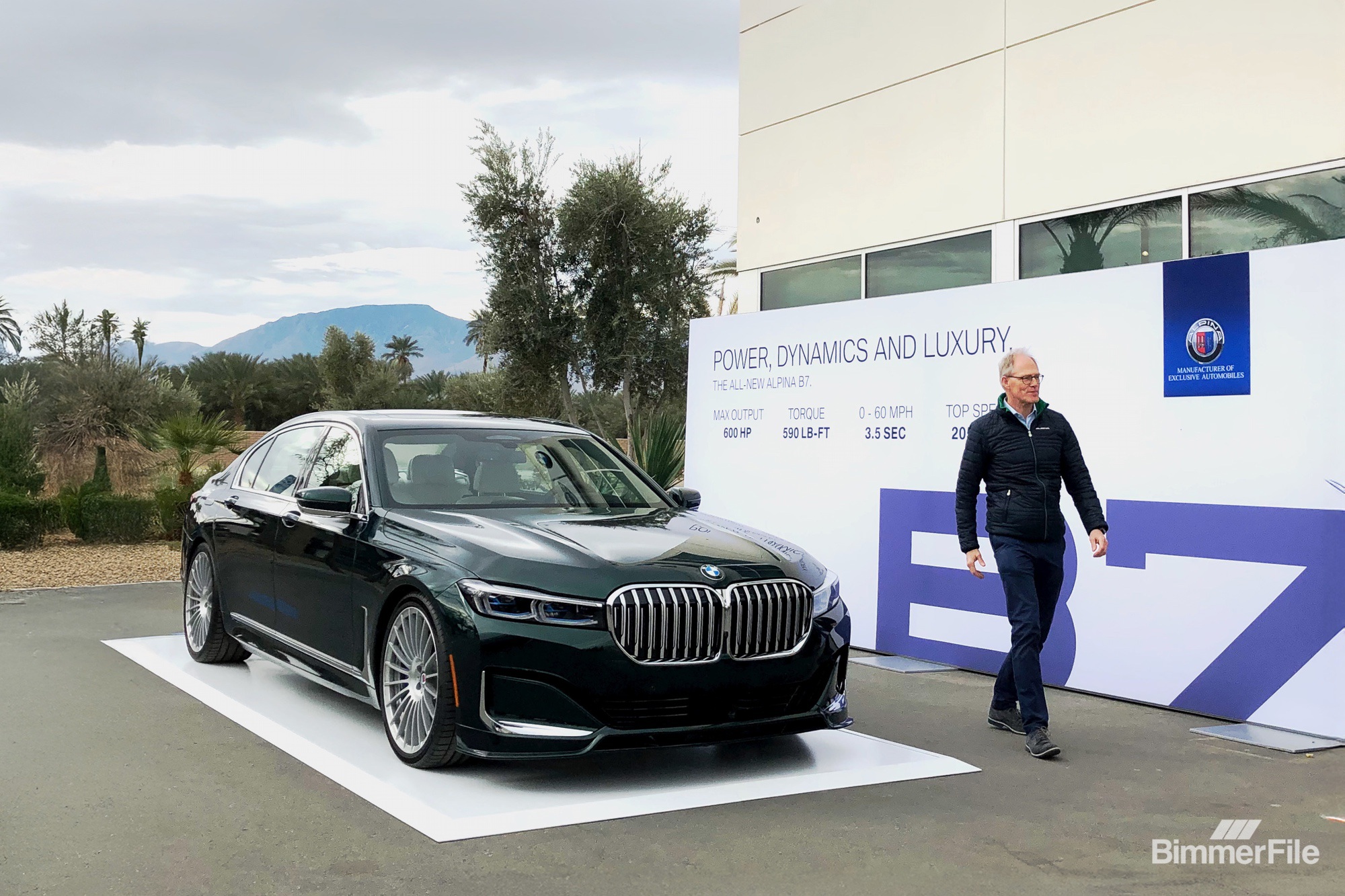
In the long and complicated history of BMW performance, Alpina has always occupied a unique position. It was never intended to chase lap times or dominate headlines. Instead, Alpina built its reputation on subtlety, torque and an almost obsessive focus on refinement. The result was a parallel universe of performance that ran quietly alongside BMW M, often misunderstood, occasionally overlooked, but deeply respected by those who knew.
It started with a carburetor
The story of Alpina begins in the early 1960s, not with a car, but with an idea. Burkard Bovensiepen, the son of a German industrialist, developed a double Weber carburetor conversion for the BMW 1500. It was a small modification with a big impact. The upgrade worked so well that BMW granted the factory warranty for vehicles equipped with it, which was an extraordinary show of trust at the time.
That moment set everything in motion. In 1965, Bovensiepen officially founded Alpina in Buchloe, Bavaria, naming the company after his father’s former typewriter business. What followed was not a rush to greatness, but rather careful development driven by the credibility of engineering.
Race as proof, not as marketing
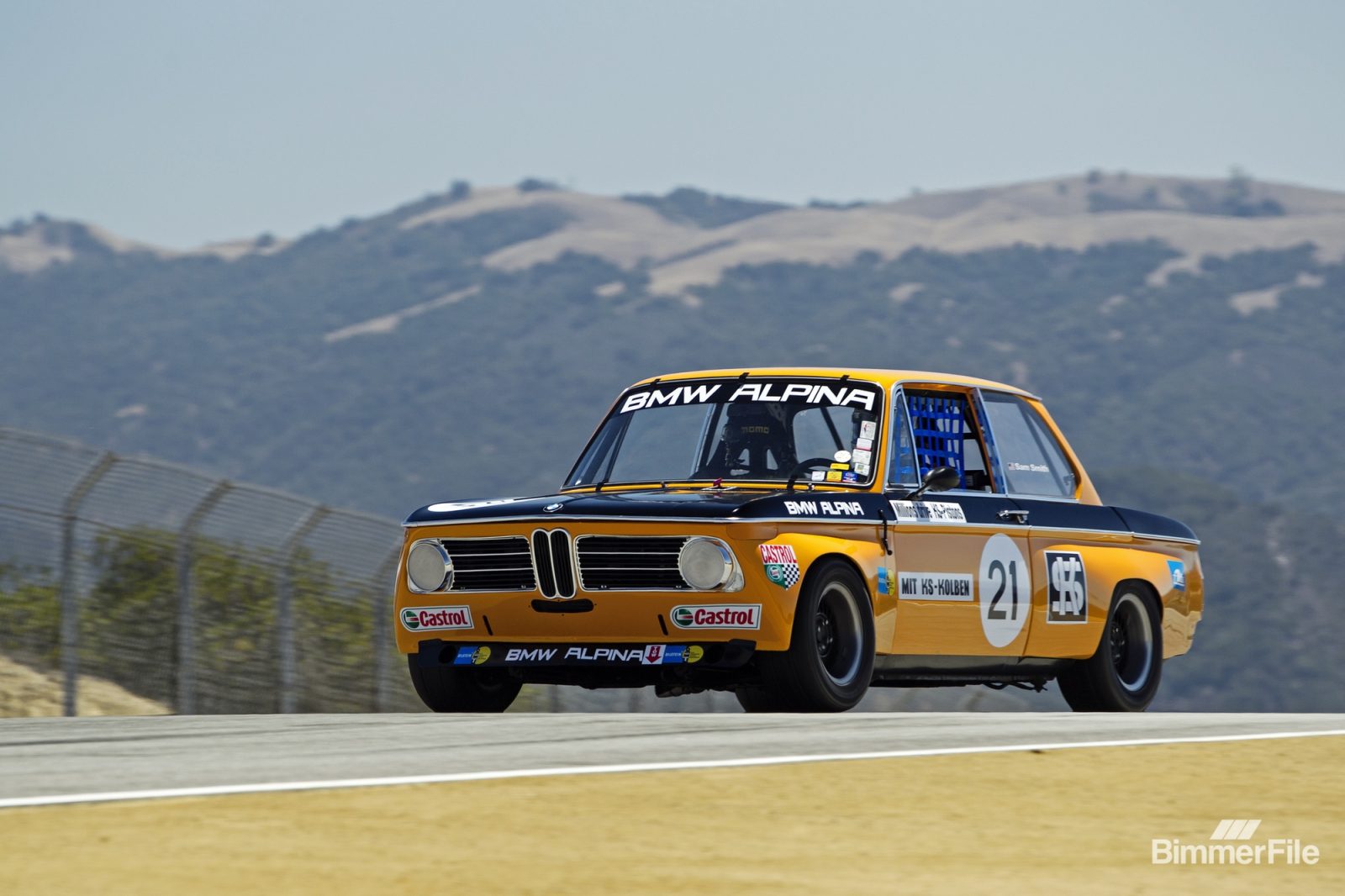
In the late 1960s and 1970s, Alpina established itself on Europe’s racing circuits. Its BMW-based touring cars achieved significant success in the European Touring Car Championship, endurance races and hill climbs. These victories were never about spectacle. They were a confirmation.
Racing used Alpina’s road cars but never used them up. As BMW M increasingly turned to motorsport homologation and high-revving drama, Alpina began refining a different idea of performance. One based on torque delivery, high-speed stability and effortless pace over long distances.
From tuner to manufacturer
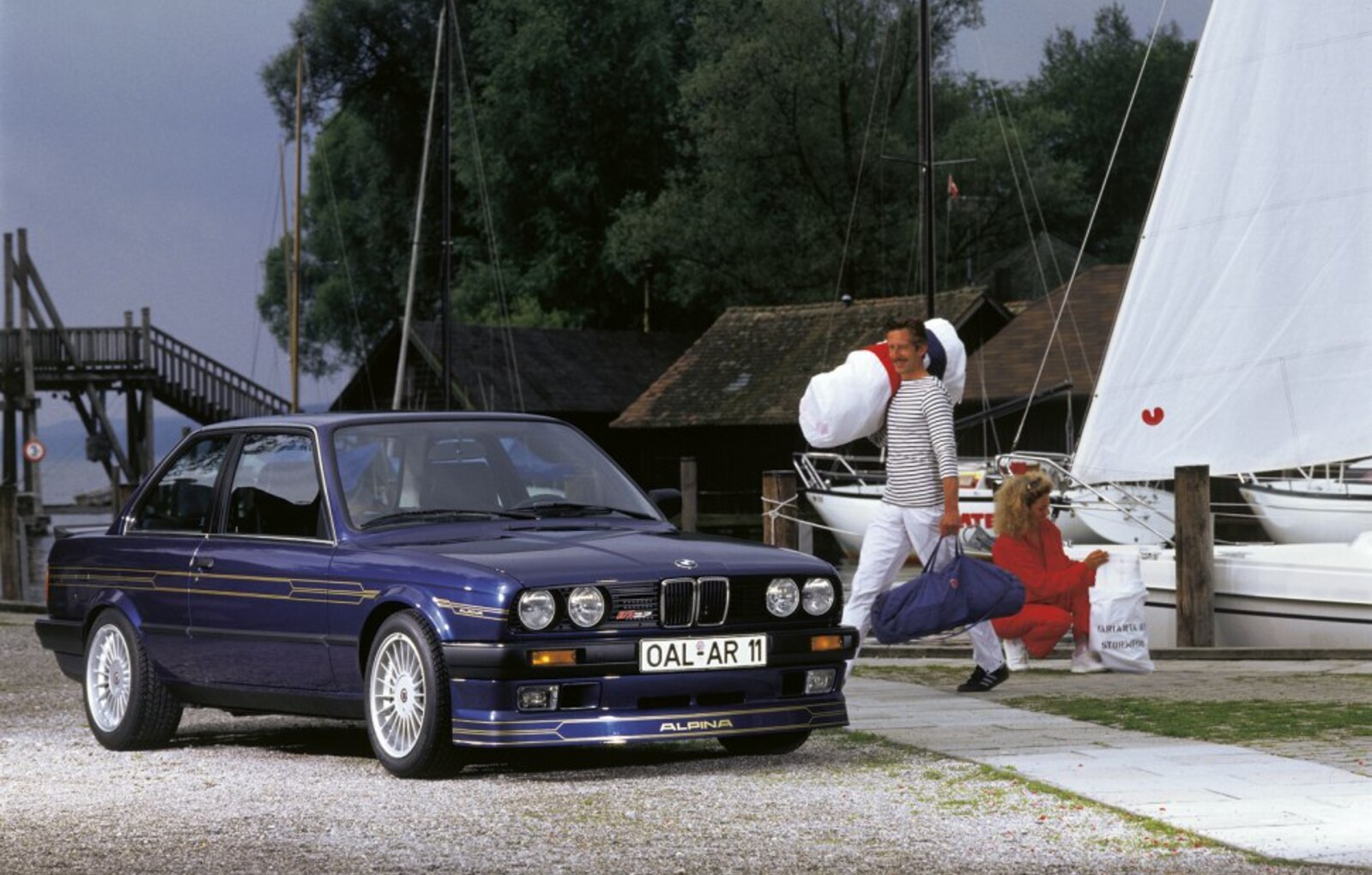
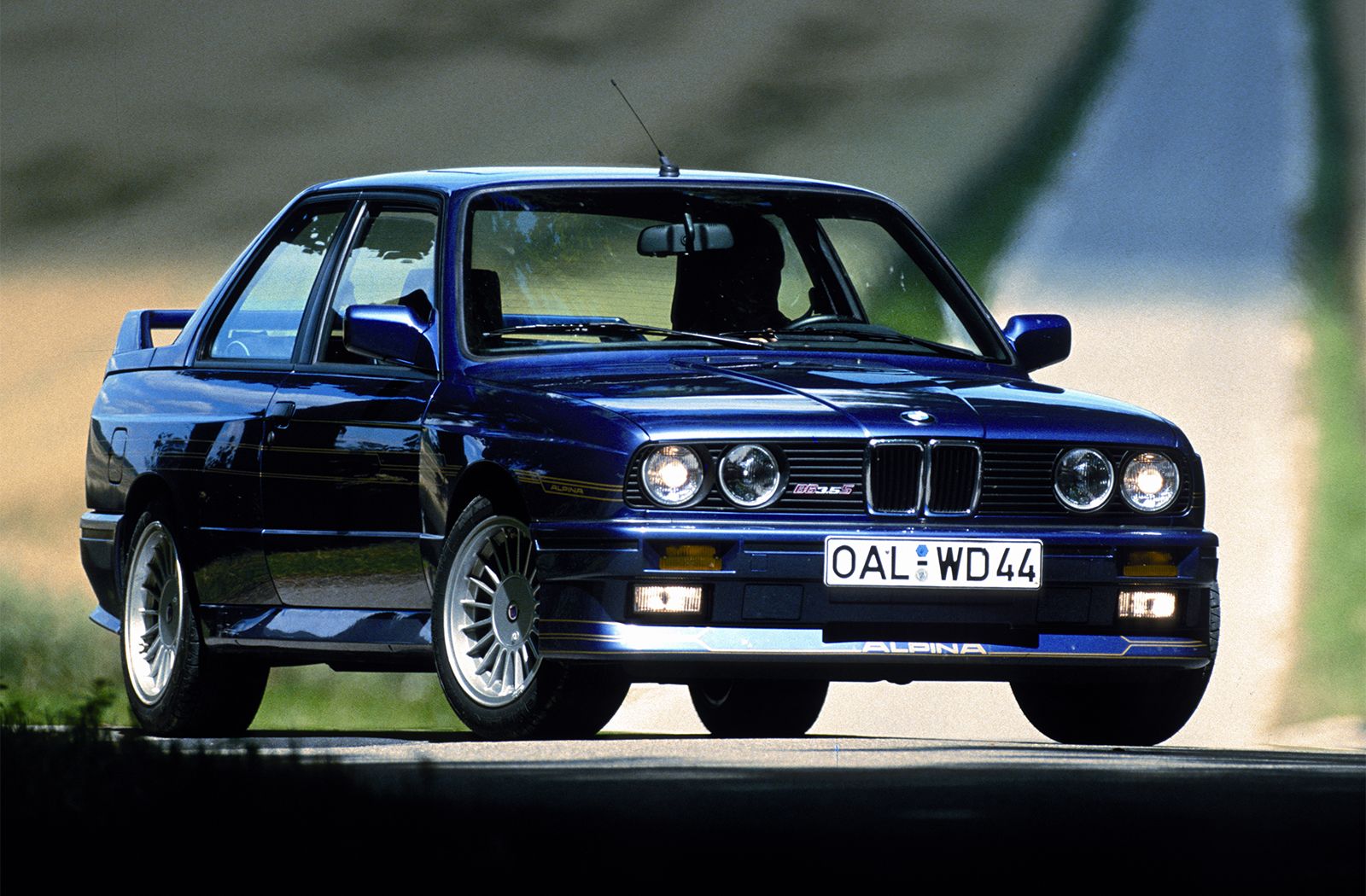
At the end of the 1970s, Alpina crossed a critical threshold. They no longer just acted as tuners, but began producing complete vehicles based on the BMW platforms. The Alpina B6 2.8 is widely regarded as the first true Alpina automobile, not simply a modified BMW, but a car with its own technical identity.
This change became official in 1983 when the Federal Motor Transport Authority recognized Alpina as an independent automobile manufacturer. Alpina cars were given their own chassis numbers and were legally different from the BMW models, even though they were built in close cooperation with Munich.
This distinction is important. Alpina was not an aftermarket brand. It was and is more of a boutique manufacturer operating within the BMW ecosystem.

Another definition of performance
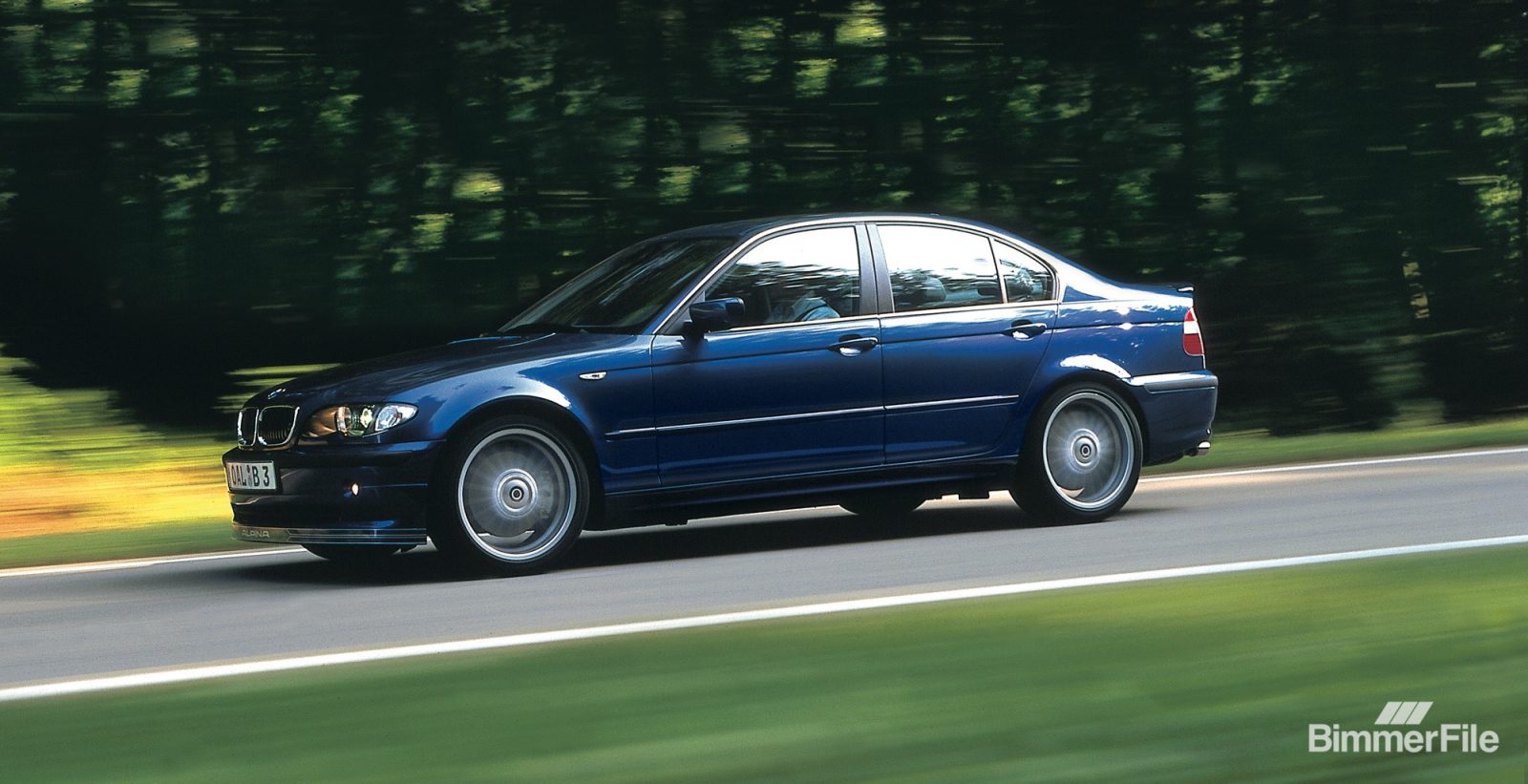
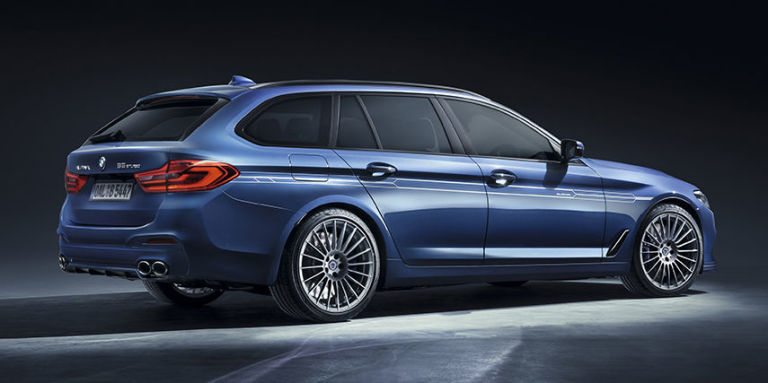
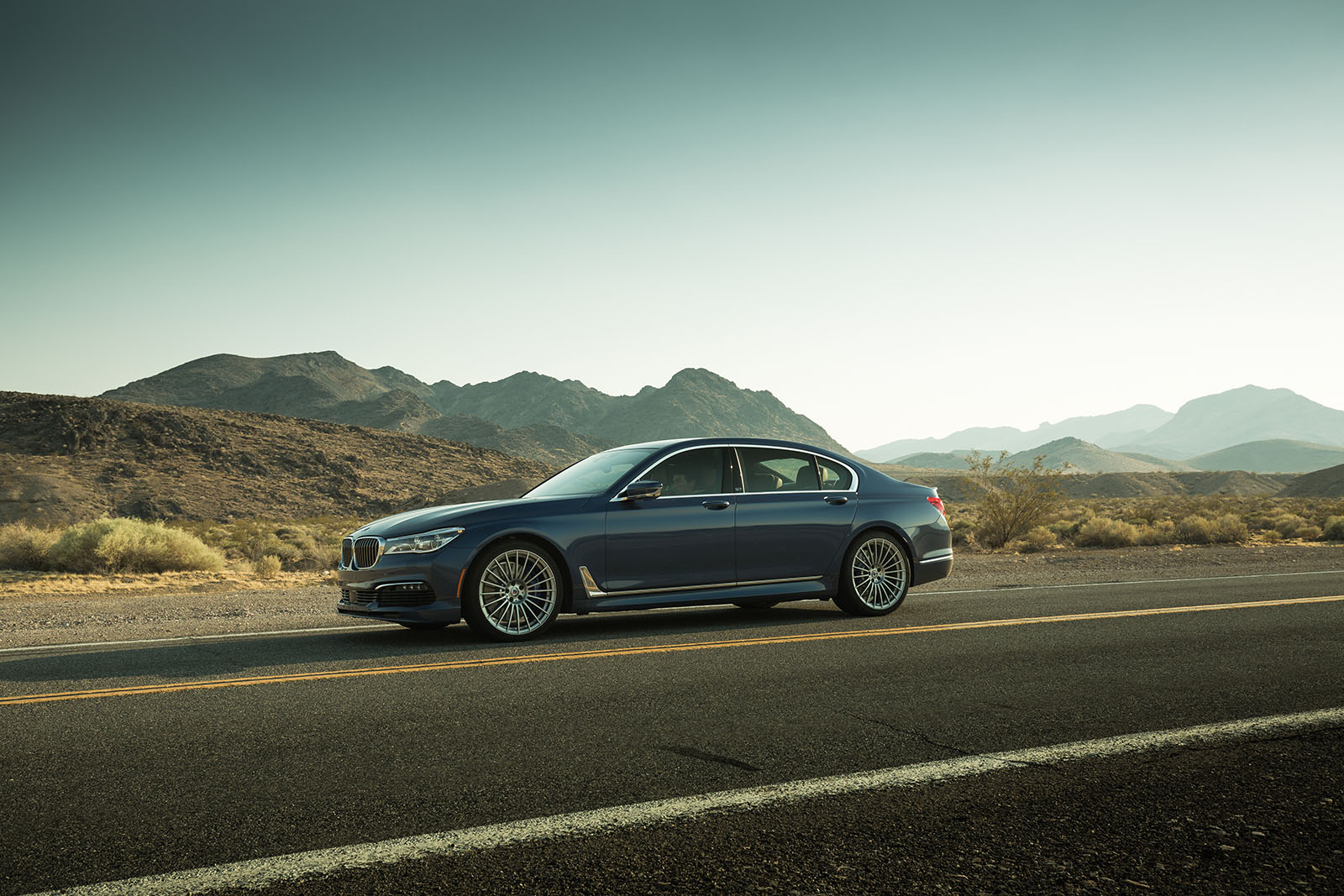
Alpina’s philosophy has always differed from that of BMW M. M cars are about leadership, aggressiveness and driver involvement. Alpinas are about composure, torque and real-world speed.
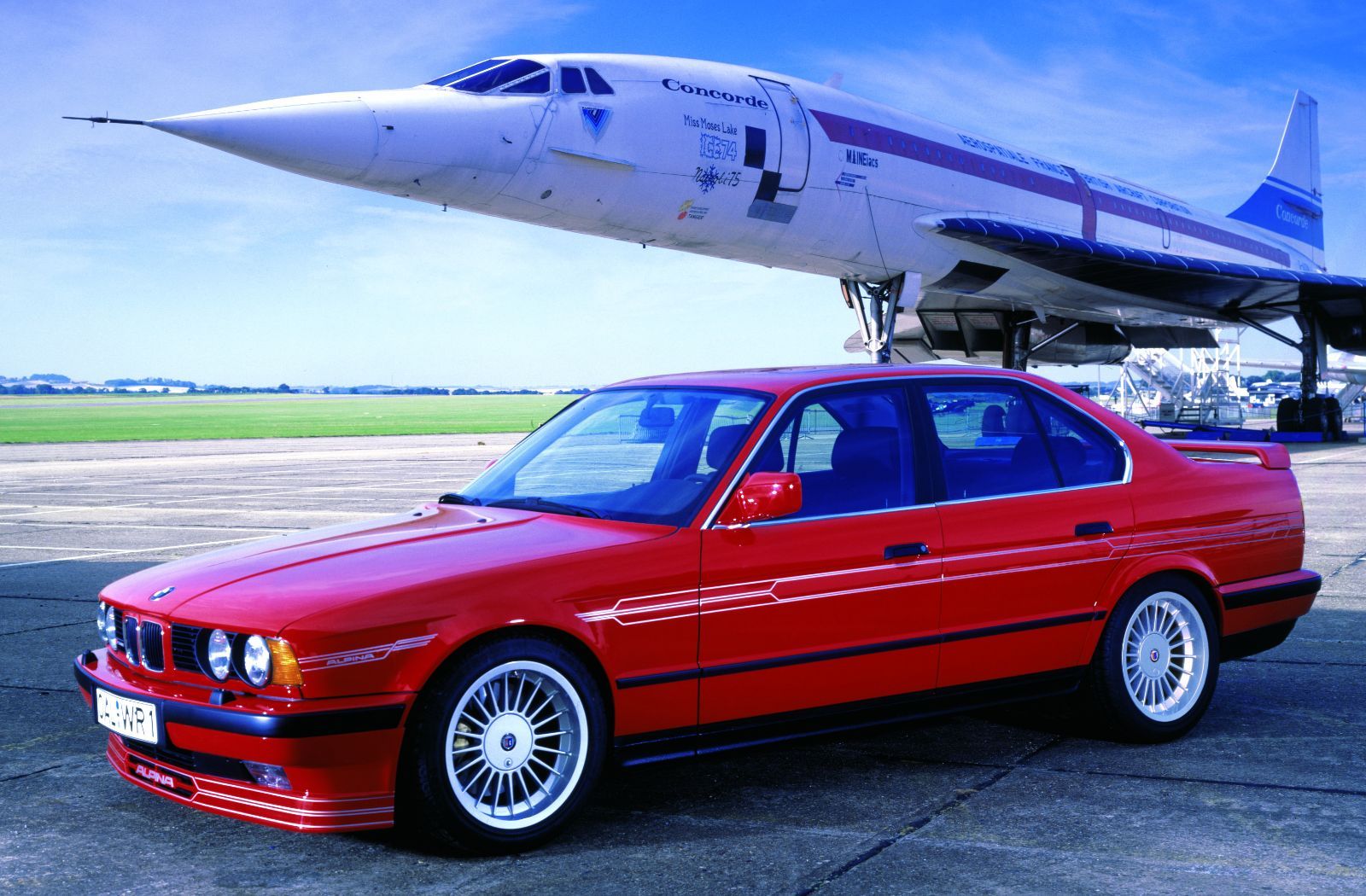
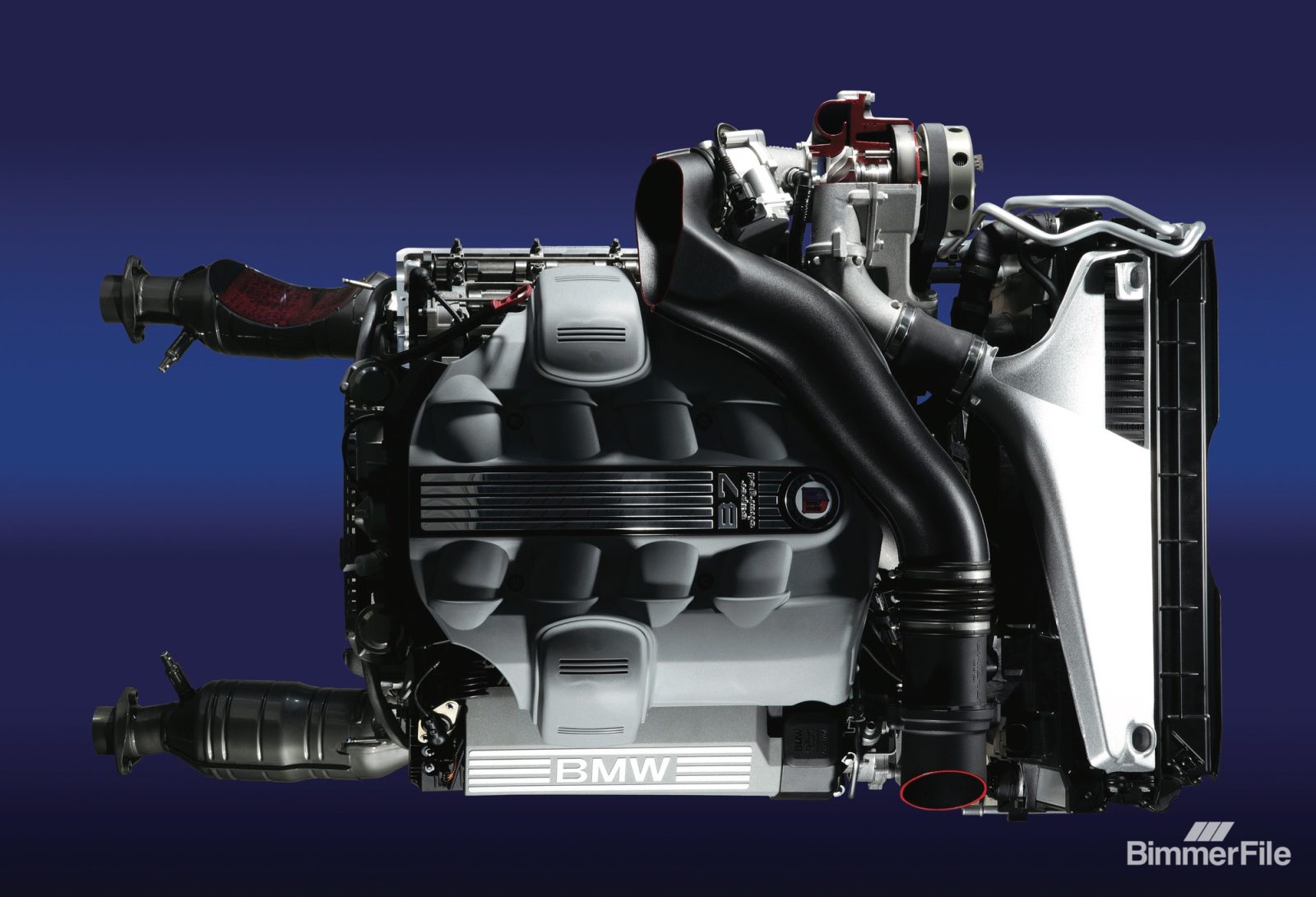
Instead of pursuing maximum horsepower, Alpina focused on usable performance. Turbo engines have been tuned for broad torque curves. ZF automatic transmissions were redesigned with Alpina’s Switch-Tronic software long before performance automatic transmissions became fashionable. The interior featured Lavalina leather, natural wood and subtle details that rewarded time behind the wheel rather than attention in the parking lot.
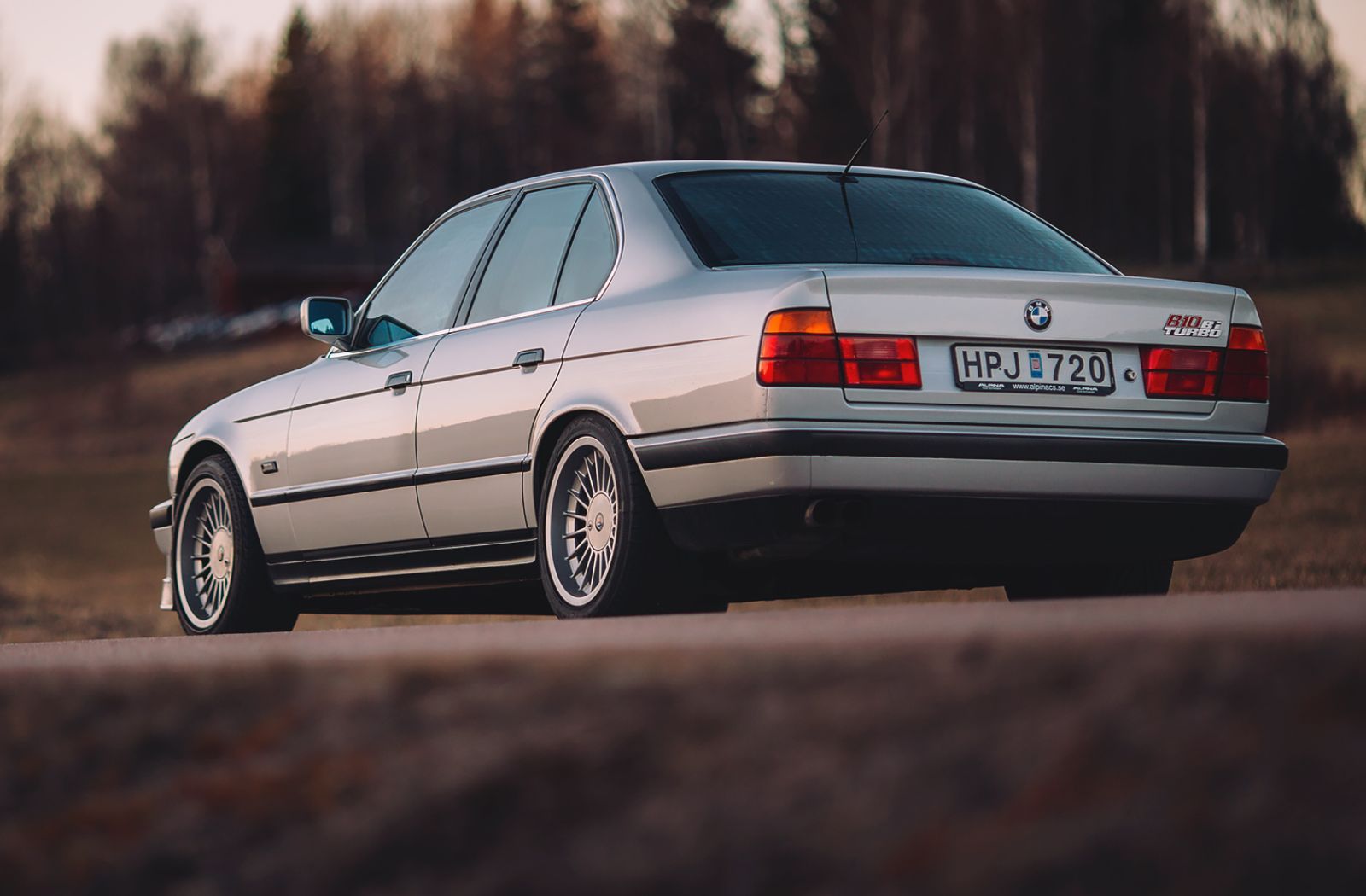
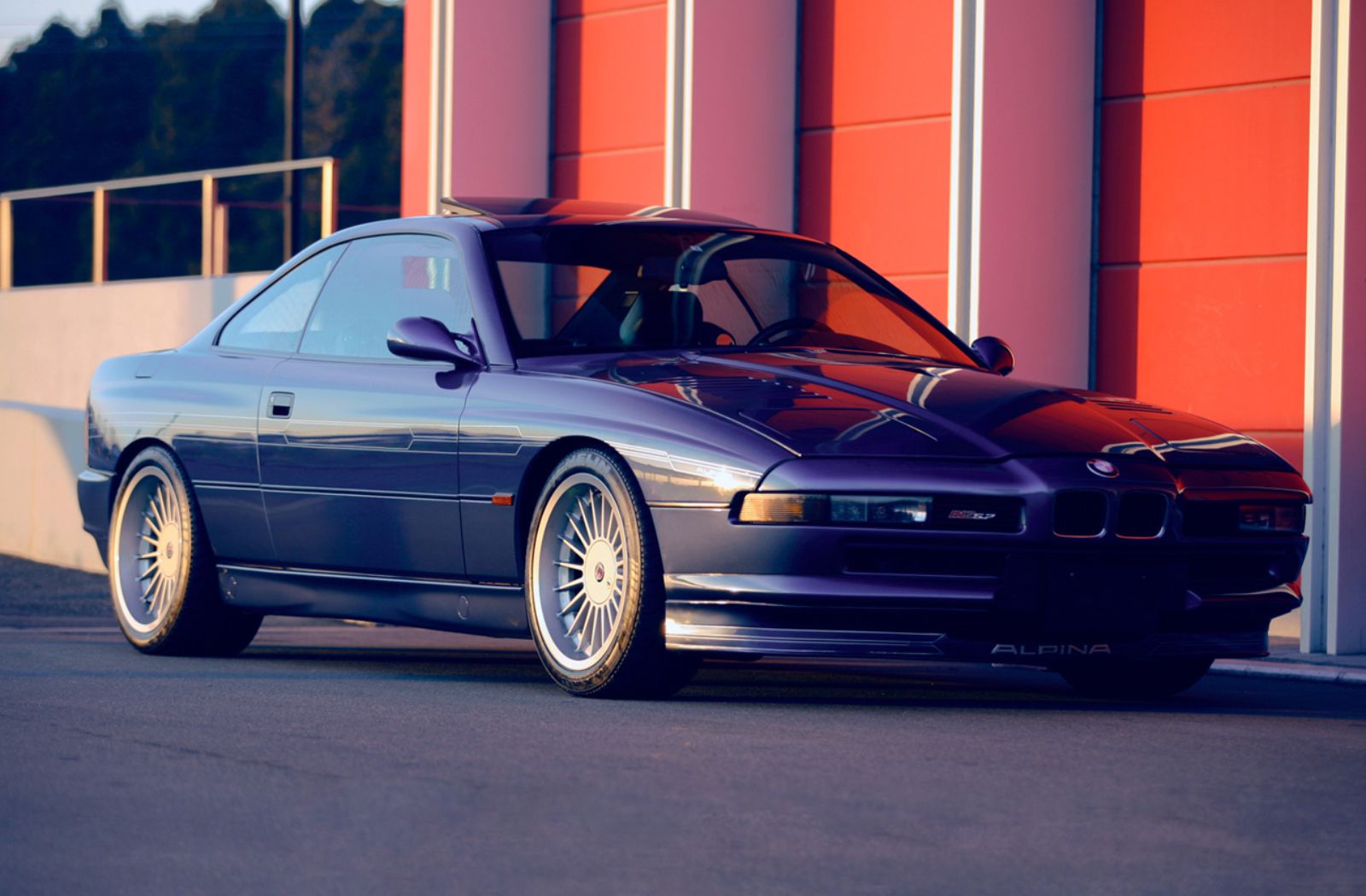
Cars like the Alpina B10 Bi-Turbo and later the Alpina B7 embodied this ethos perfectly. They were devastatingly fast when needed, but never demanding. These were cars built for traversing countries, not chasing peaks.


Innovation with a purpose
Alpina has also quietly pushed technical boundaries. In the 1990s, the company introduced an electrically heated metal catalytic converter that dramatically reduced cold-start emissions and met regulatory requirements years before many competitors. That was typical Alpina. Solve the problem, move on, don’t brag.
The same applied to the production figures. Alpina was never looking for volume. Annual production remained low by design, reinforcing the feeling that these were cars built for those who knew exactly what they were buying.
Why the Bovensiepen family sold Alpina and the future of the brand
In 2022, BMW announced the acquisition of the Alpina brand, with full integration planned for 2026. For some enthusiasts, the news felt like the end of something special. For others, it was the natural conclusion to a decades-long partnership.
The Bovensiepen family’s decision to sell Alpina was due less to market demand and more to regulatory reasons. Over the last decade, EU emissions regulations, safety standards and software requirements have become far more complex, placing an undue burden on small series manufacturers.


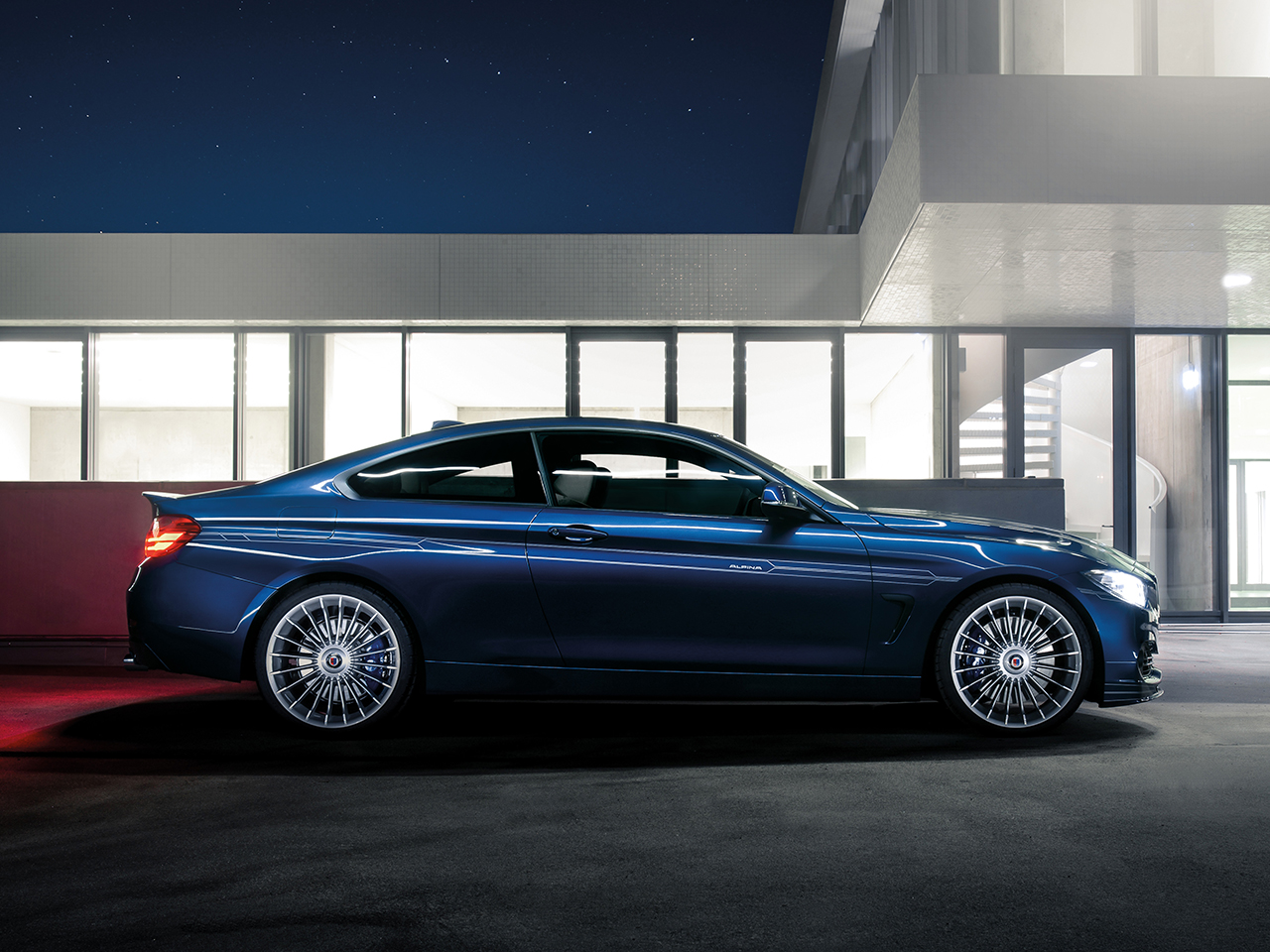
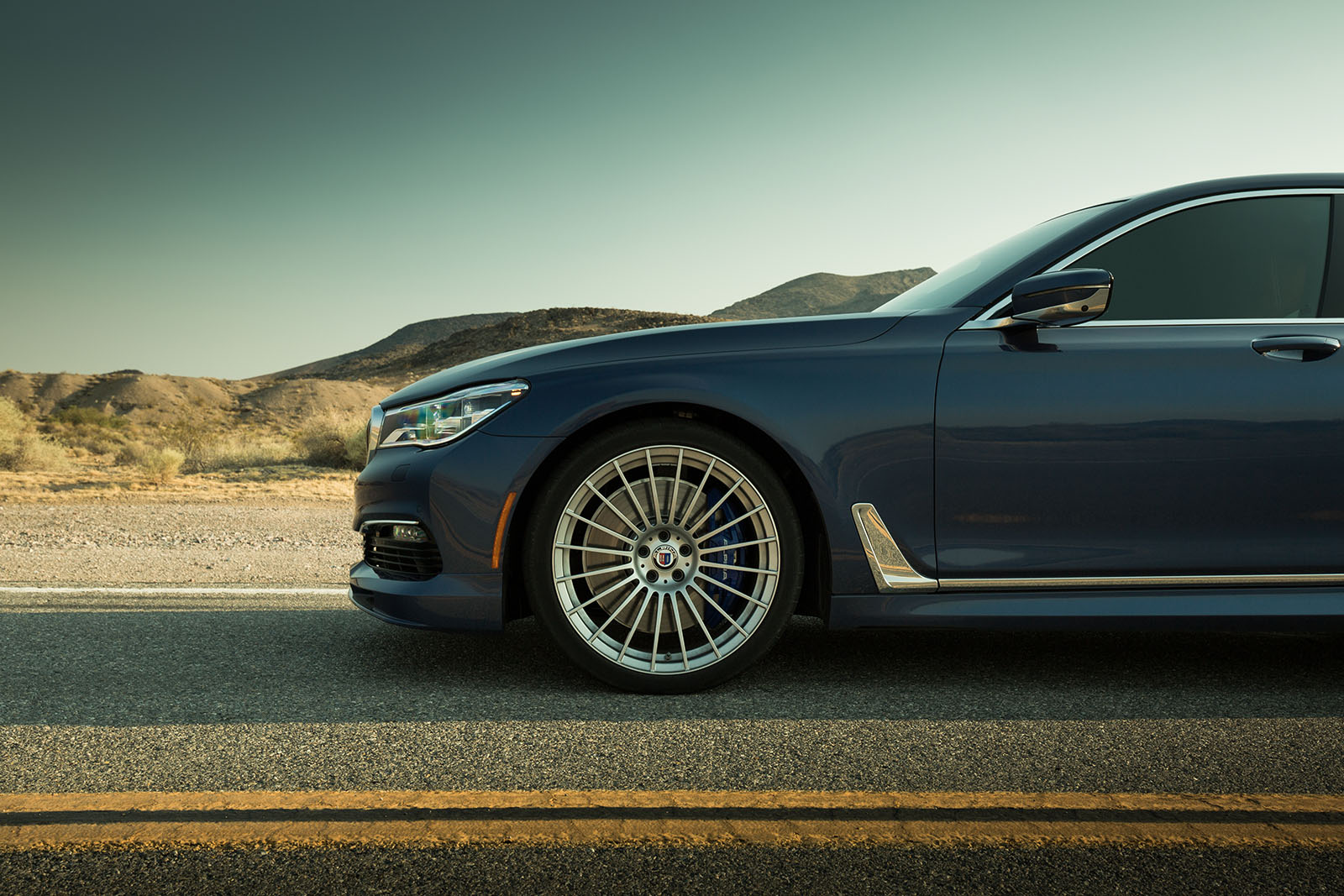
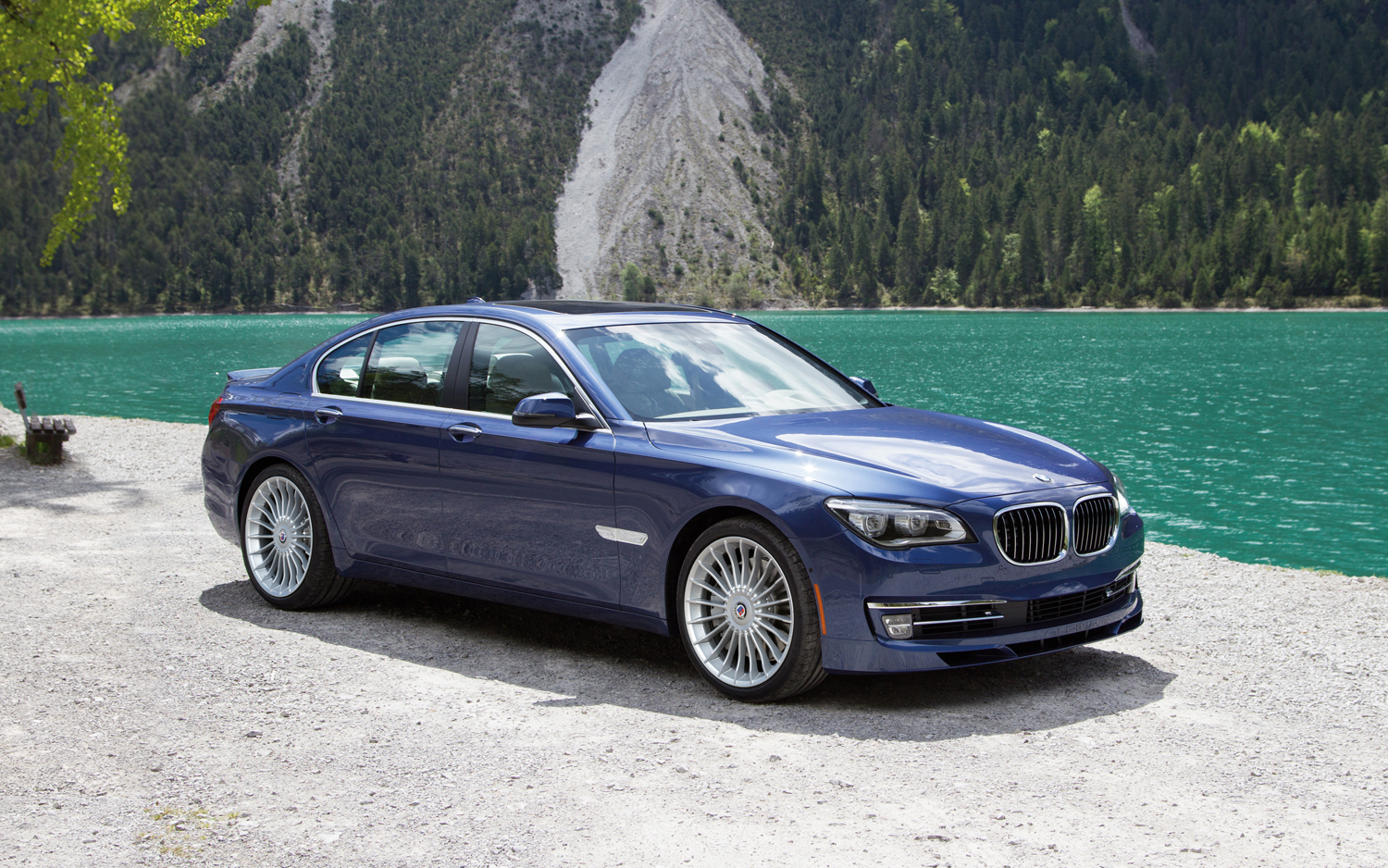
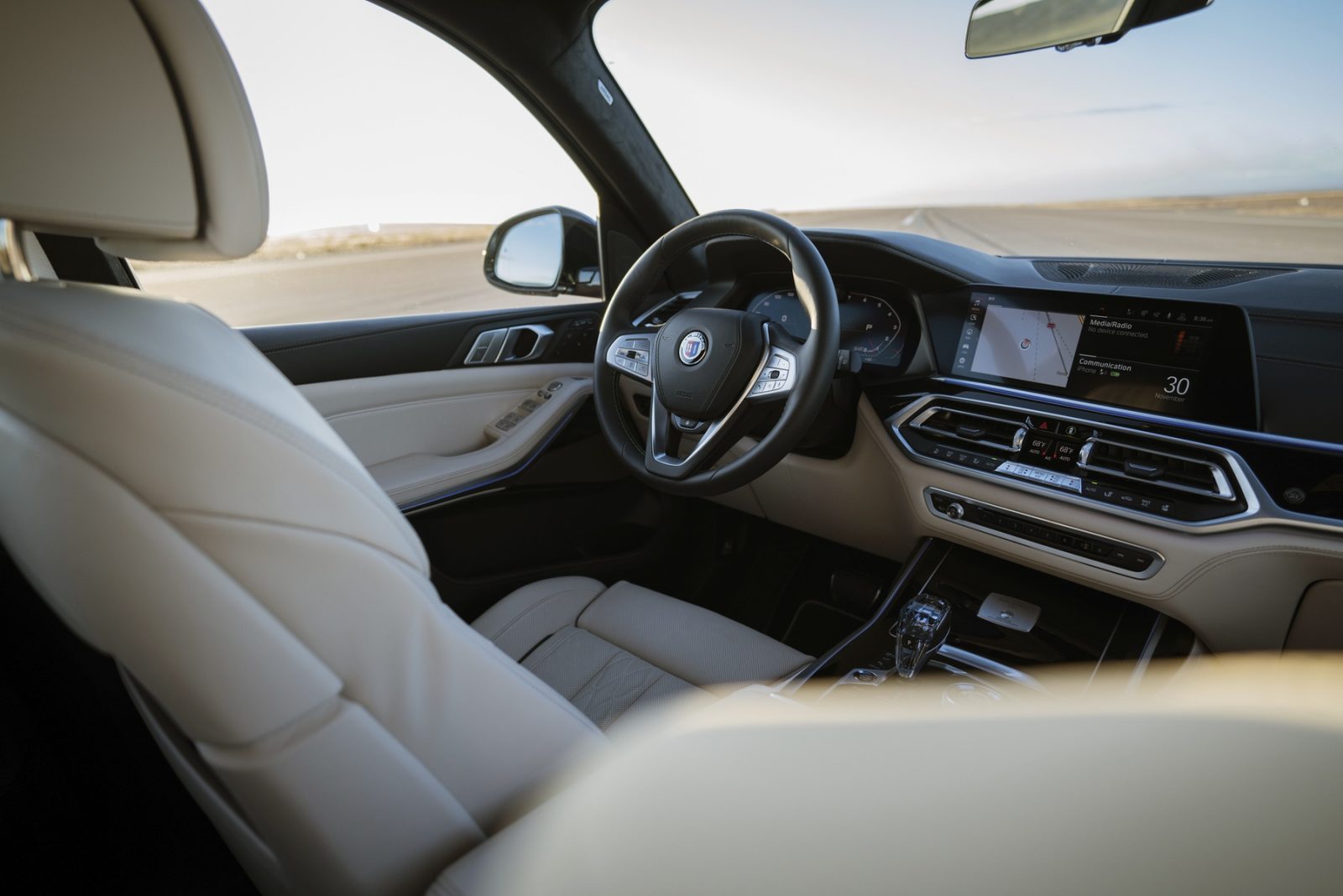

For a company that only produces a few thousand cars a year, developing a new model became increasingly expensive and difficult to justify. Each generation required deeper integration into BMW systems, longer development cycles and higher certification costs, all while shrinking margins.
Electrification compounded the challenge. Battery compliance, high-voltage safety and software validation required resources that would have forced Alpina to either expand dramatically or jeopardize its boutique approach.
Selling to BMW offered a practical alternative. This has allowed Alpina’s philosophy to continue within an organization capable of managing the complexity of regulations while preserving what makes the brand unique.

BMW has been careful to position Alpina not as a replacement for M, but as a complementary offering. A different kind of performance. One based on luxury, lightness and maturity.
What that means in an electrified future remains to be seen. But Alpina’s history suggests that adaptability has always been part of its DNA.
Our opinion
Alpina is important because it has proven that there is more than one way to build a high-performance BMW. It showed that speed doesn’t require shouting. This luxury and this performance can coexist. This technical integrity can be more compelling than spectacle. Honestly, it’s a lesson BMW can learn from many of its production cars.
As BMW pushes deeper into a future defined by electrification and software, Alpina’s legacy serves as a reminder. The best cars on paper aren’t always the loudest or fastest. Sometimes they’re the ones that feel right mile after mile.
