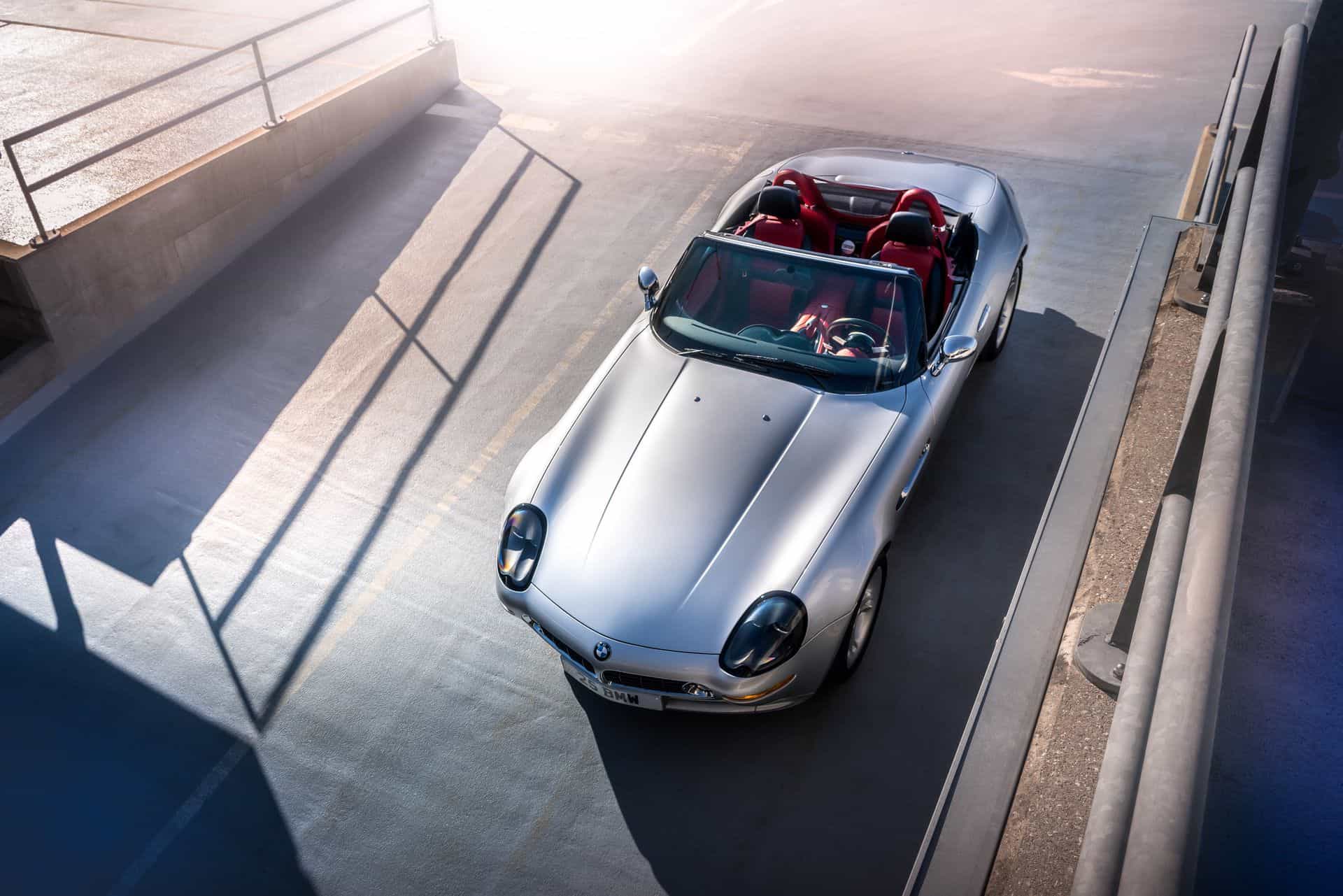
BMW has built a lot of great-looking cars, but only a handful that feel untouchable – designs so clean and confidently proportioned that time can’t really get to grips with them. The BMW Z8 (E52) lives in this rare atmosphere. Look at one today and it doesn’t read as “early 2000s” at all. It reads as correct.
When you choose a single BMW as the most beautiful of all time, you’re not choosing the fastest M car or the most important sales success. You choose the one that combines the sense of proportion, surface design and restraint of the brand in one form. For me this car is the BMW Z8.
The history of the BMW Z8
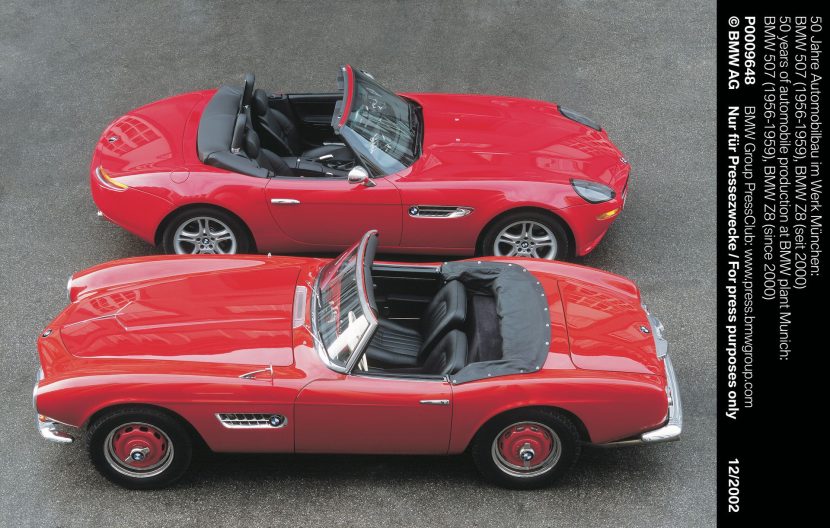
BMW built the Z8 from 2000 to 2003 and total production worldwide was 5,703 cars. However, this shortage is not the main story – it is part of the problem. The Z8 was never intended to be commonplace, but neither was it meant to be as rare as some of BMW’s latest special editions. It was BMW that decided to build a dream car, completely different from 2026, because the brand wanted a modern icon.
The Z8’s roots go back to BMW’s largest open-top car, the 507, but the Z8 never feels like a retro replica. It takes the spirit of the 507 – long bonnet, pushed-back cabin, simple athletic stance – and translates it into a modern BMW without false nostalgia.
Henrik Fisker has spoken about how the idea came about when BMW board members drove vintage cars – including the 507 – in the south of France and returned wondering why BMW didn’t have a modern equivalent. This origin story is important because it explains why the Z8 feels so intentional. It wasn’t just a marketing game, but was born out of passion.
Proportions that require no tricks
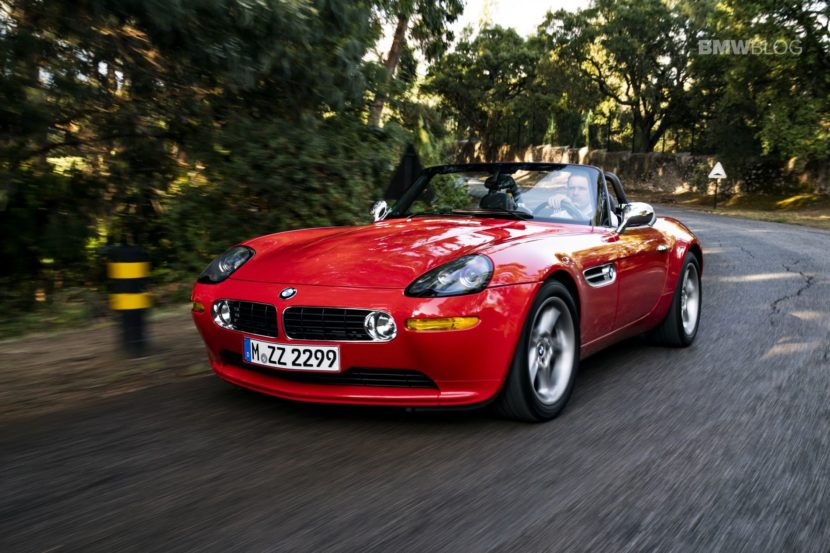
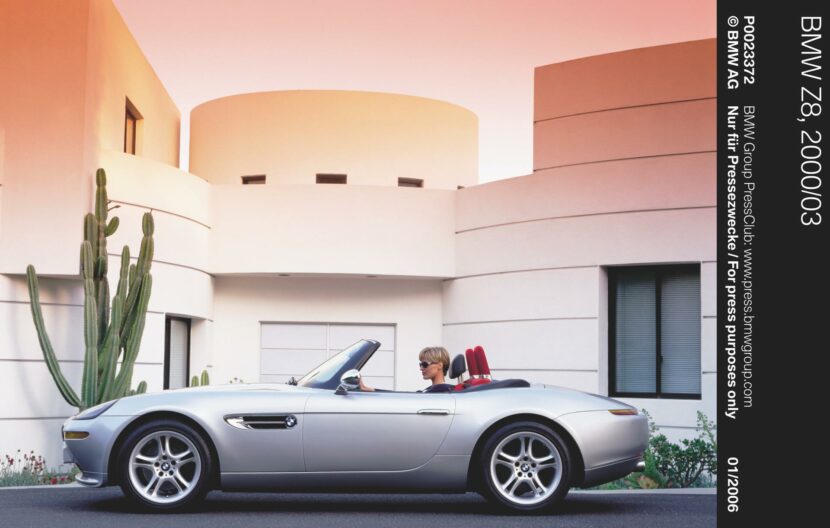
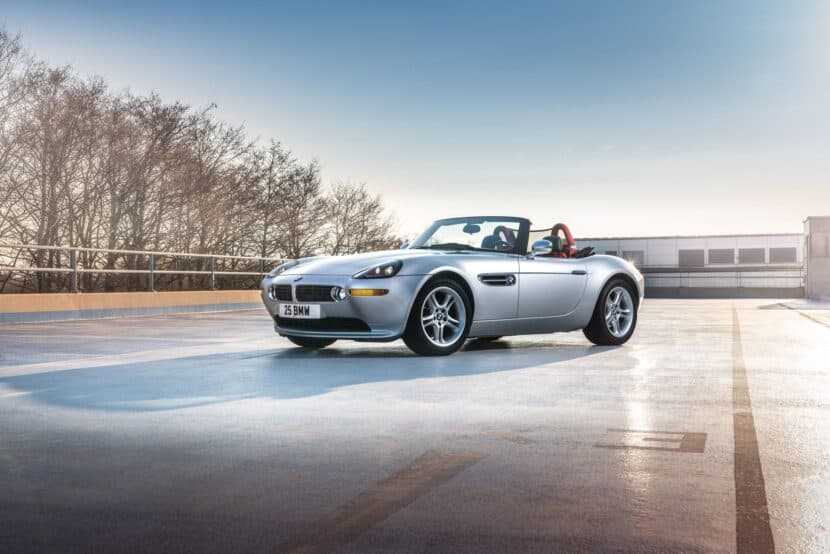
The Z8 doesn’t rely on visual aggression. No oversized grilles. No non-functioning vents. No futuristic eyebrows. It impresses with its poise and balance: a hood that seems to run for miles, a taut rear deck and surfaces that catch light at just the right moment.
A big reason it looks so clean is structural: Fisker has described that the Z8 wasn’t built on a carryover platform, and that the freedom to keep a clean sheet helped the team keep the proportions “right.” That’s a sentence you can almost never write about modern production cars, and that’s exactly why the Z8 still looks like a concept car that’s escaped into the real world.
The cabin understood the task
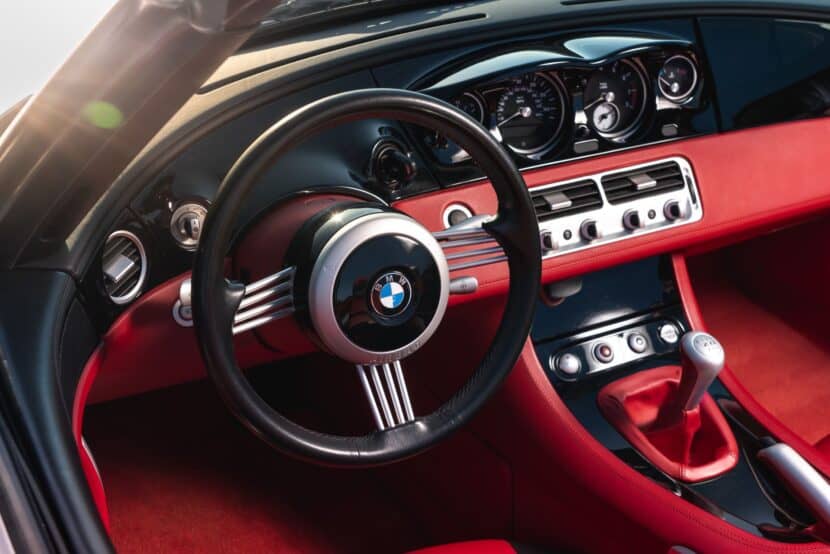
The interior of the BMW Z8 is one of those designs that could have gone wrong with a single wrong decision. Instead, BMW based itself on classic roadster elements with a centrally mounted instrument cluster and a dashboard layout that deliberately appears tidy. Even early infotainment technology couldn’t dominate the design: BMW hid it behind a pull-out cover to keep the dashboard visually clean when not in use.
Why? Because driving comes first. The cabin is built to frame the powertrain and match the character of the car – an old-fashioned idea executed with modern precision.
Wasn’t cheap by 2000s standards
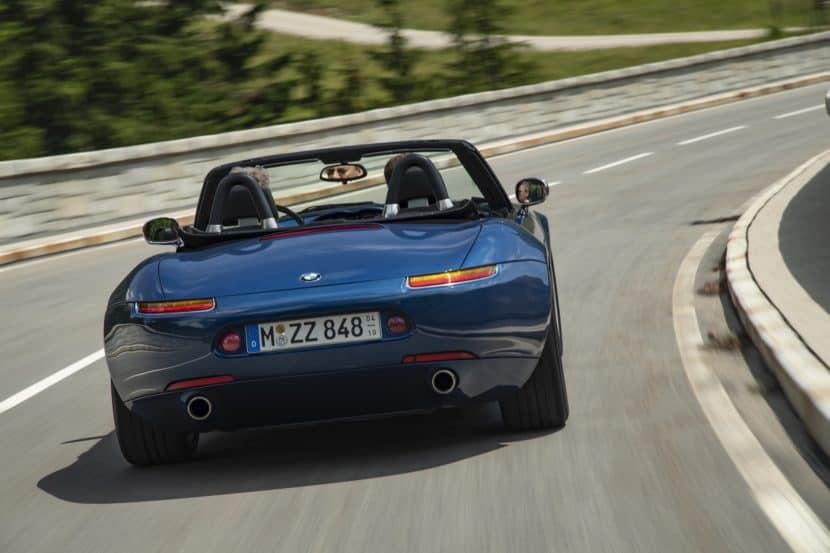
The Z8’s design is even more true because BMW has backed it with real intention. When new, the price without options was $128,000.
That amount in 2000 is equivalent to about $241,000 in purchasing power today, an increase of about $113,000 over 26 years. The dollar has had an average inflation rate of 2.46% per year between 2000 and today, resulting in a cumulative price increase of 88.22%. Of course, that doesn’t take into account the occasional price increases that BMW has made over the years.
So it makes sense why BMW treated it like a collector car from day one – right down to the promise of a 50-year parts supply. Just as was promised today with the new Skytop and Speedtop.
pop culture behind it
And yes, the Z8 got a pop culture boost: It appeared in a James Bond movie, the kind of placement that can either enhance a car or turn it into a gimmick. The Z8 has survived because the design doesn’t depend on the Cameo. It stands on its own.
Even the Z8’s strangest footnote proves how special the original is. After BMW stopped production, ALPINA stepped in with the ALPINA Roadster V8 – more of a grand tourer than a razor-sharp roadster. ALPINA built 555 of them and the price rose to $140,000.
Why we won’t be getting another Z8 anytime soon
Let’s start with this. BMW can and is absolutely capable of still designing beautiful cars. The problem is that the Z8 belongs to a business model that barely exists at the moment.
An ultra-expensive two-seater roadster with low volume and individual design priorities is a difficult task in today’s market – especially if you want something that resembles mass production. Buyers who want a premium badge and an emotional purchase often end up with performance SUVs, high-performance sedans or grand touring coupes that justify themselves with everyday practicality.
Then there is the reality of modern development: regulations, safety structures, packaging requirements and technical expectations mean that cars are becoming ever larger and visually more complex. The Z8’s magic comes from what it doesn’t bring with it – no excess, no noise, no desperation for attention. To restore that purity today would require both design discipline and the financial freedom to build something that will never be a mass victory.
That’s why the Z8 feels like a once-in-a-generation BMW. Not because the brand has forgotten how to make something great – but because the conditions under which the Z8 was created are rarely right anymore.
So this is my choice: the BMW Z8 (E52), the most beautiful BMW ever built.
Now I want to hear from you: What is the most beautiful BMW of all time – Z8, 507, E9, M1 or something completely different?
