Day 2 of BMW Responsibility Days 2025 shifted the focus from strategic presentations to the operational reality behind the company’s next phase of electrification. The tour took us from Munich to Straßkirchen and Irlbach – two small communities in Lower Bavaria where BMW is building one of its most important facilities – before moving on to Landshut to talk about supplier readiness, AI integration and more.
A high-voltage battery plant in rural Bavaria
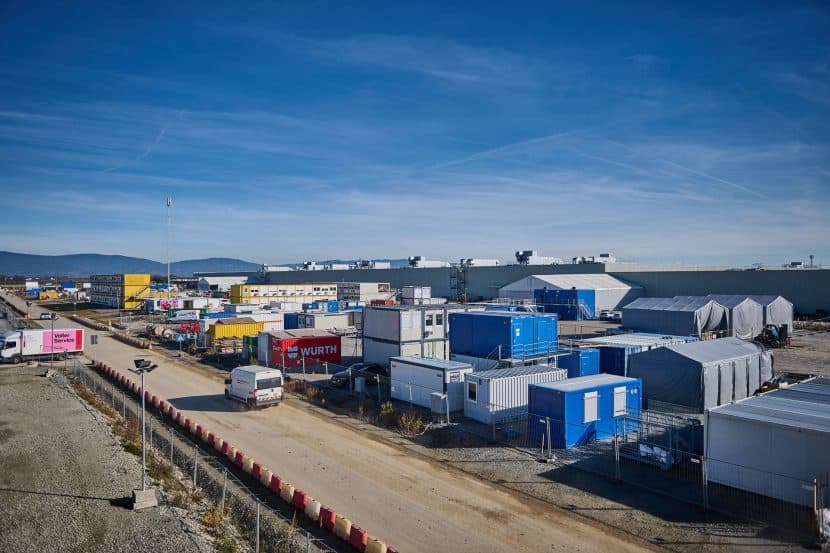
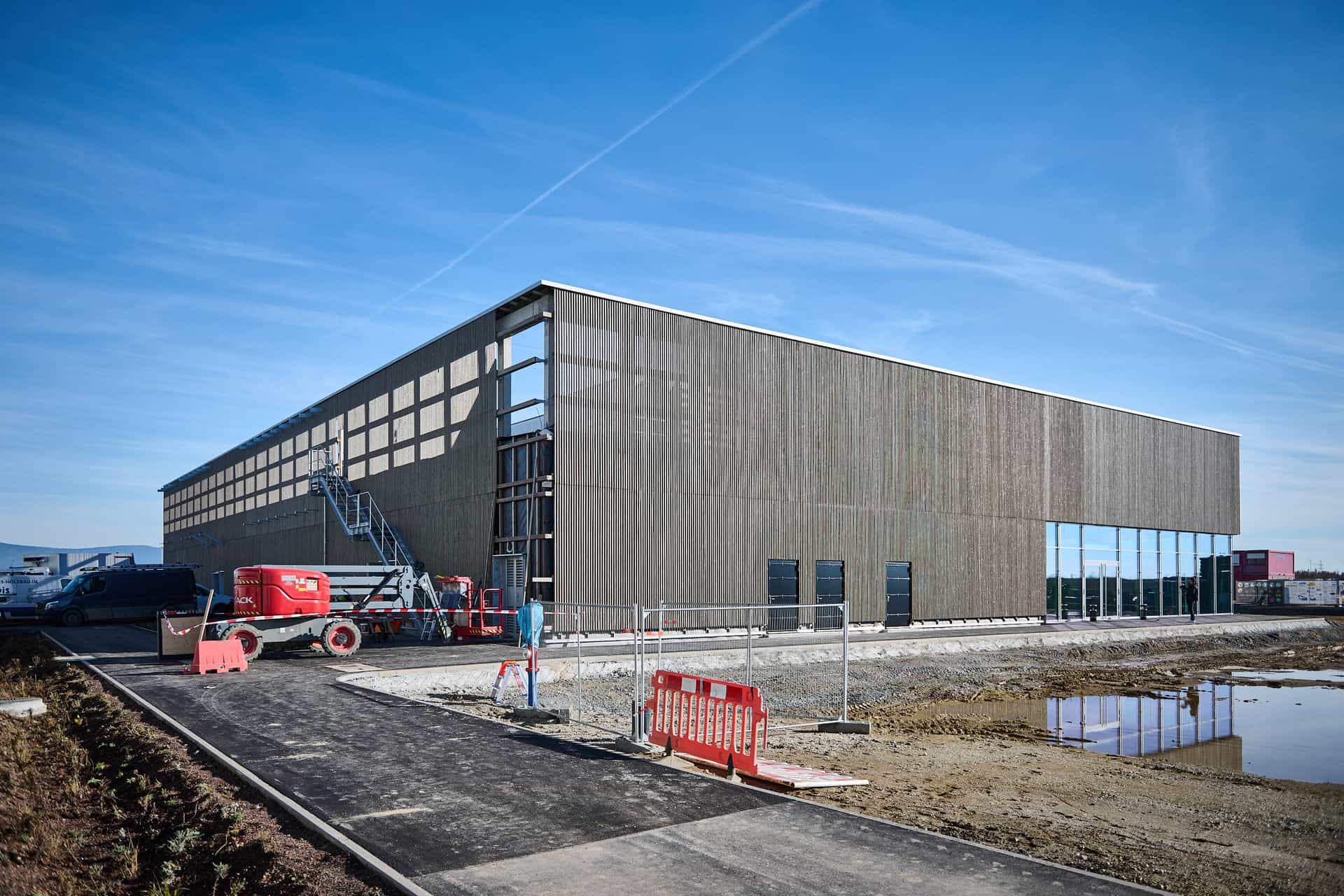
The new Irlbach–Straßkirchen plant is located in the middle of the flat Gäuboden arable landscape, directly adjacent to a village with only a few thousand inhabitants. Despite the rural setting, the scale is unmistakably industrial: a 500 meter long, 300 meter wide assembly hall, an energy center, logistics corridors and a newly built fire station already equipped with six vehicles. Overall the page stretches 105 hectareswith dedicated inbound and outbound logistics zones, new road connections and large-scale parking and charging infrastructure measuring over 1,000 employees and intensive daily truck movements.
The site is expected to be in production until the end of 2026 1,000 sixth-generation high-voltage battery packs per daywhich supplies the BMW plants in Munich, Dingolfing and Regensburg while production of the Neue Klasse starts. When fully staffed, the plant will employ around 50,000 people in 2028 1,600 peoplesupported by 540 truck movements per weekdayA 23,000 m² Incoming goods warehouse and a 32,500 m² supply center.

The production process follows BMW’s six-stage Gen6 battery assembly logic – cell inspection, clustering, welding, foaming and sealing, main energy assembly and end-of-line testing – supported by digital twins of all major machines and real-time quality control.
The construction progress reflects an unusually short period of time for Germany. After a public approval process that produced more than 6,000 pages of documentation, BMW received approval in April 2024. Just 19 months later, the core structures are in place, machines are being installed and more than 1,000 workers enter the site every day.
While BMW executives refer to this rapid pace as “Bavarian speed,” internal comparisons are often made to China – where such industrial projects can progress even faster. For Bavaria, this is as close as possible. The company now openly describes Straßkirchen as its flagship iFACTORY Principles: lean, green, digital and people-oriented.
Local politics and a difficult referendum
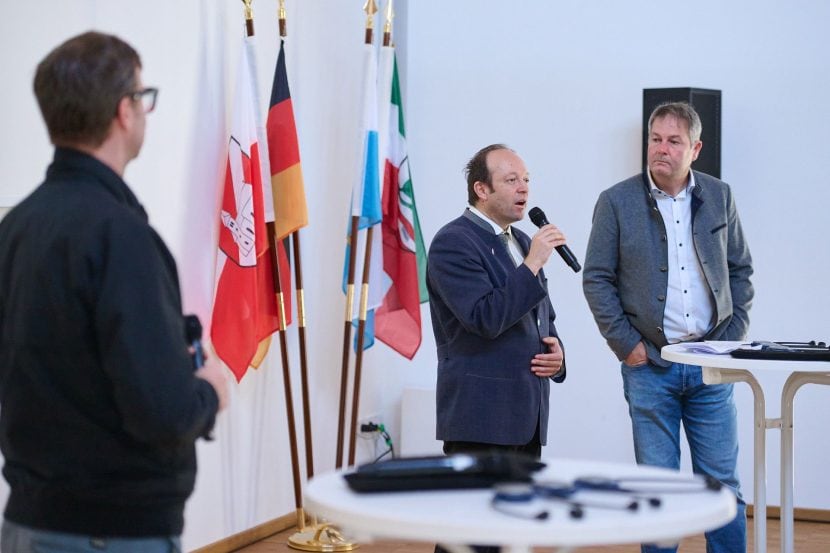
As was to be expected with large industrial projects in Germany, this facility was not implemented quietly. A citizen group mobilized significant local resistance. Concerns centered on land use, traffic, noise and fears that a village known for agriculture could be turned into an industrial corridor.
Their efforts triggered a referendum in 2023. Voter turnout reached 75 percent, and two thirds of voters ultimately approved the BMW project. The campaign left a social impact that is still visible: some banners remain and some residents continue to oppose the development. But the economic impact is undeniable.
Straßkirchen’s municipal budget has tripled. Long-requested infrastructure investments – including a bypass – are now being pushed forward. Childcare funding, sewer upgrades and several local businesses have directly benefited from the facility. The mayor openly admits that the project has “transformed the development of the community”.
Several board members acknowledged that BMW had to mount an unusually intense charm offensive: information pavilions, public question-and-answer sessions and face-to-face conversations at local restaurants like Anyone, where executives answered questions late into the night. The company made concessions on traffic routing, water management and environmental compensation zones, among others 500 newly planted trees and more than 3,000 shrubs.
In short, the factory has produced winners and dissenters, but also produced a level of economic activity the region has never seen before.
Technical basics: BMW’s sixth generation battery architecture

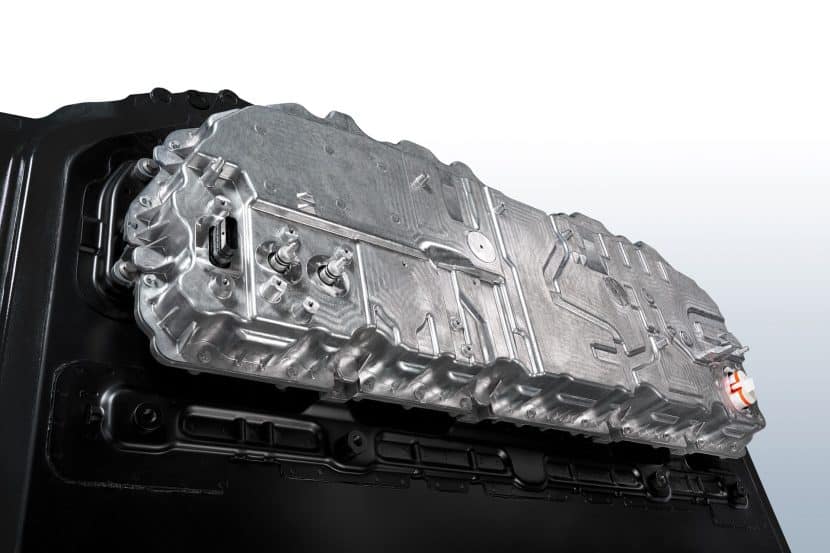
BMW is installing production facilities for its sixth-generation battery packs in the main hall. These are used 46mm cylindrical cells supplied by CATL and EVE of Hungary, reflecting a mixed procurement strategy influenced by both cost and geopolitical considerations.
The switch from prismatic to cylindrical cells is central to BMW’s next EV architecture. The new batteries promise:
- 30% more range,
- 30% faster charging and
- Up to 50% lower production costs compared to current packs.
At the cellular level, the energy density improves by approx 20%while costs at the package level are falling thanks to a development towards Cell-to-pack constructionthereby completely eliminating modules. The Gen6 package also supports BMW’s upcoming development Pack to open body Integration in which the vehicle structure becomes the active element of the battery housing.
Higher nickel content, lower cobalt consumption and silicon-enriched anodes are driving these increases. Half of the raw materials used will come from recycling streams, the rest will be sourced from global supplier networks. Battery cell production at partner locations in Hungary is based 100% on renewable energy.
What is remarkable is that the system uses almost no process water. Rainwater is collected and non-production needs – canteens, sanitation – are handled through a separate water system. A 62,000 m² photovoltaic system on the roof will help cover energy needs from 2026.
A roundtable on supply chain resilience
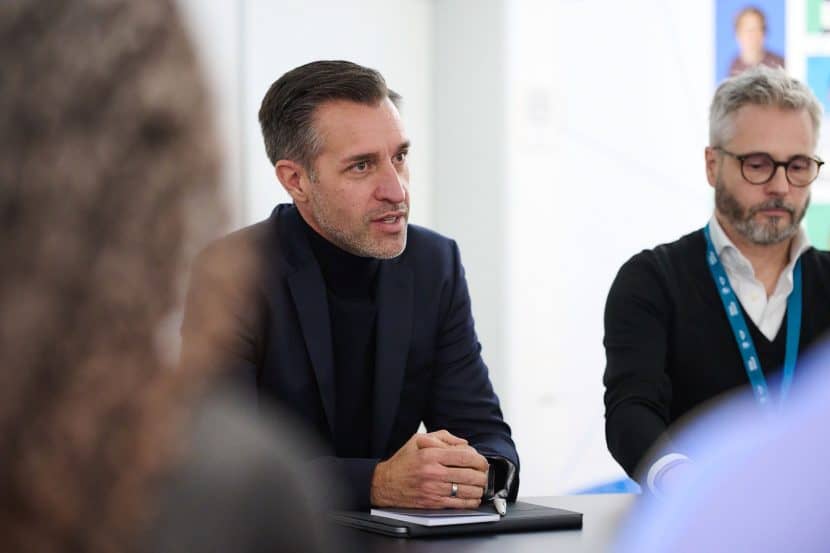
Later in the day, BMW hosted a roundtable focused on supply chain stability and the industry’s transition to electrification. BMW Board Member for Purchasing and Supplier Network, Nicolai Martin, emphasized a clear point: the long-term health of suppliers is directly linked to competitiveness.
“We don’t leave suppliers out,” he said, “but every company must ensure its competitiveness. Innovation, efficiency and data readiness are crucial factors.”
Martin emphasized BMW’s operational benchmark: its corporate processes more than 36 million parts per daysecured by an annual purchasing volume of 90 billion euros. Electrification increases complexity – battery cells are now the largest single source of upstream CO₂ in BMW’s value chain, making supply chain decarbonization a key strategic lever.
The speed of transformation varies greatly by region, and BMW continues to rely on suppliers to successfully navigate the transition – from components for the combustion era to manufacturing for electric vehicles. BMW uses digital tools like Digital twins from Catena-X increase transparency from raw materials to assembly, a capability Martin described as essential to sustainability reporting and long-term resilience.
Localization remains a priority, but complete regional self-sufficiency is not always possible. Martin reiterated BMW’s preference for open markets and lower trade barriers, despite current political trends pointing in the opposite direction.
Landshut: Supplier development and AI use
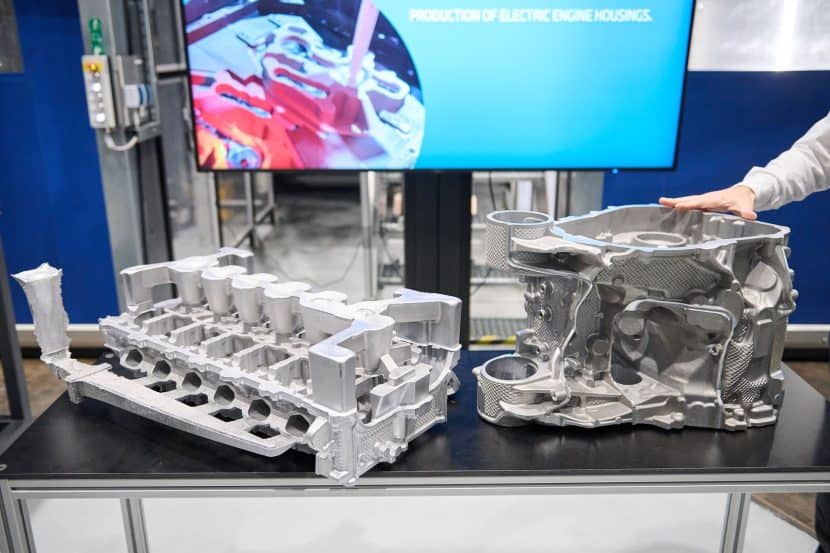
The second half of the day moved to Landshut, where BMW’s Zero Defect Campus serves as a structured training and transformation environment for suppliers. Around 70-80 suppliers per year Take part in the two-day workshops that combine operational theory with on-site work in the workshop.
Suppliers review BMW’s production processes, KPIs, transparency tools and communication systems and then identify five to seven elements that they can implement themselves. BMW then checks the progress directly on site with the suppliers.
Landshut itself is one of BMW’s most modern component plants 3,800 people and produce more than five million components per year. These include light metal castings, plastics, cockpit modules, cardan shafts, energy management components for electric vehicles and more. The light metal foundry used two thirds secondary aluminumand that’s what BMW wants to achieve 50% recycled sand in casting until 2026.
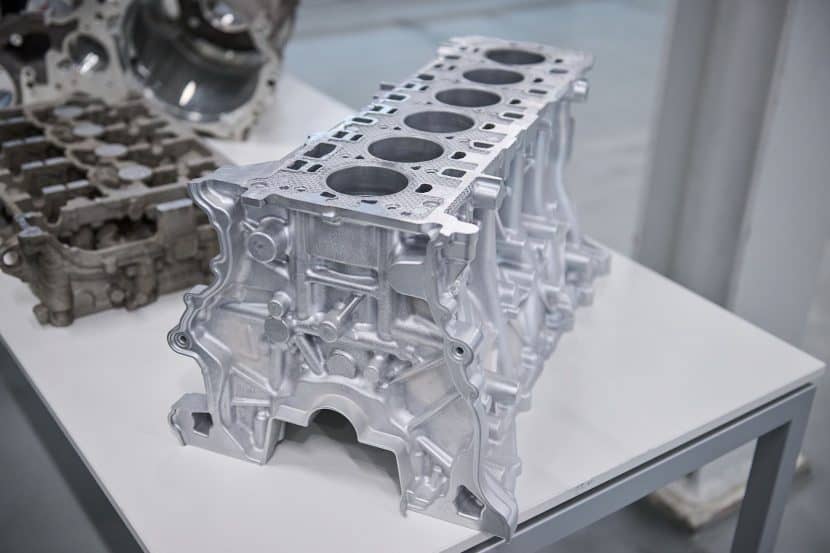
Quality control is becoming increasingly automated. Each electric motor housing goes through one CT scan with 2,400 images in 42 secondsThis enables structural analyzes that would be impossible using manual methods. End-of-line testing is fully digitalized and integrated into plant-wide data systems.
Next door, the AI Lab highlights BMW’s digitization push. The company has developed an internal multi-agent generative AI interface that connects LLM functions with real-time operational tools such as training platforms, quality databases and production monitoring systems.
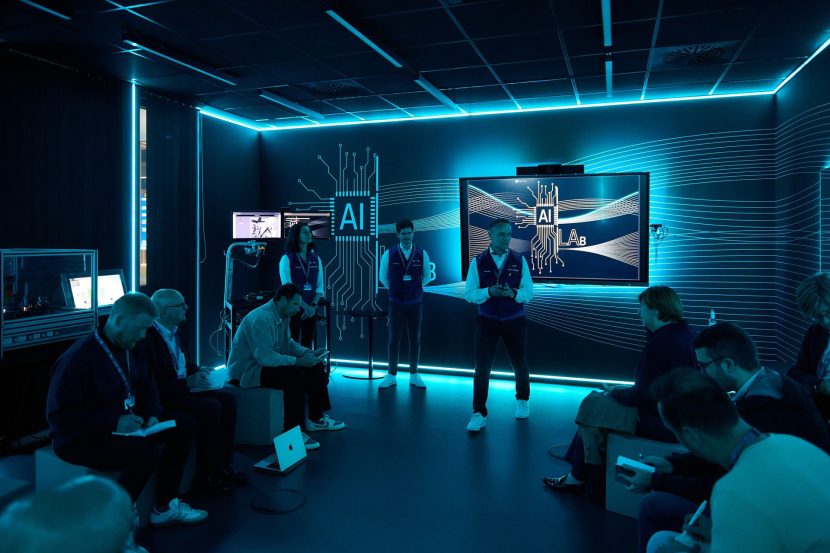
One example is AIQX, BMW’s own computer vision system for optical inspections. Traditional rule-based image processing couldn’t handle reflective surfaces or inconsistent lighting. AIQX trains custom models for each use case, improving detection rates and reducing the need for manual rework. More than 1,000 AIQX use cases are already used in all BMW plants. Through an initiative called AI laboratory on tourBMW is now training suppliers in the introduction of similar systems.
These tools are not experimental – they are integrated into production environments and used by assembly line workers, planners and quality engineers.
On the second day, it became clear that BMW sees electrification not just as a technological shift, but also as an operational restructuring – one that requires new plants, new workflows, new supplier skills and new digital tools.
[Photos: Rainer Haeckl © BMW AG]
