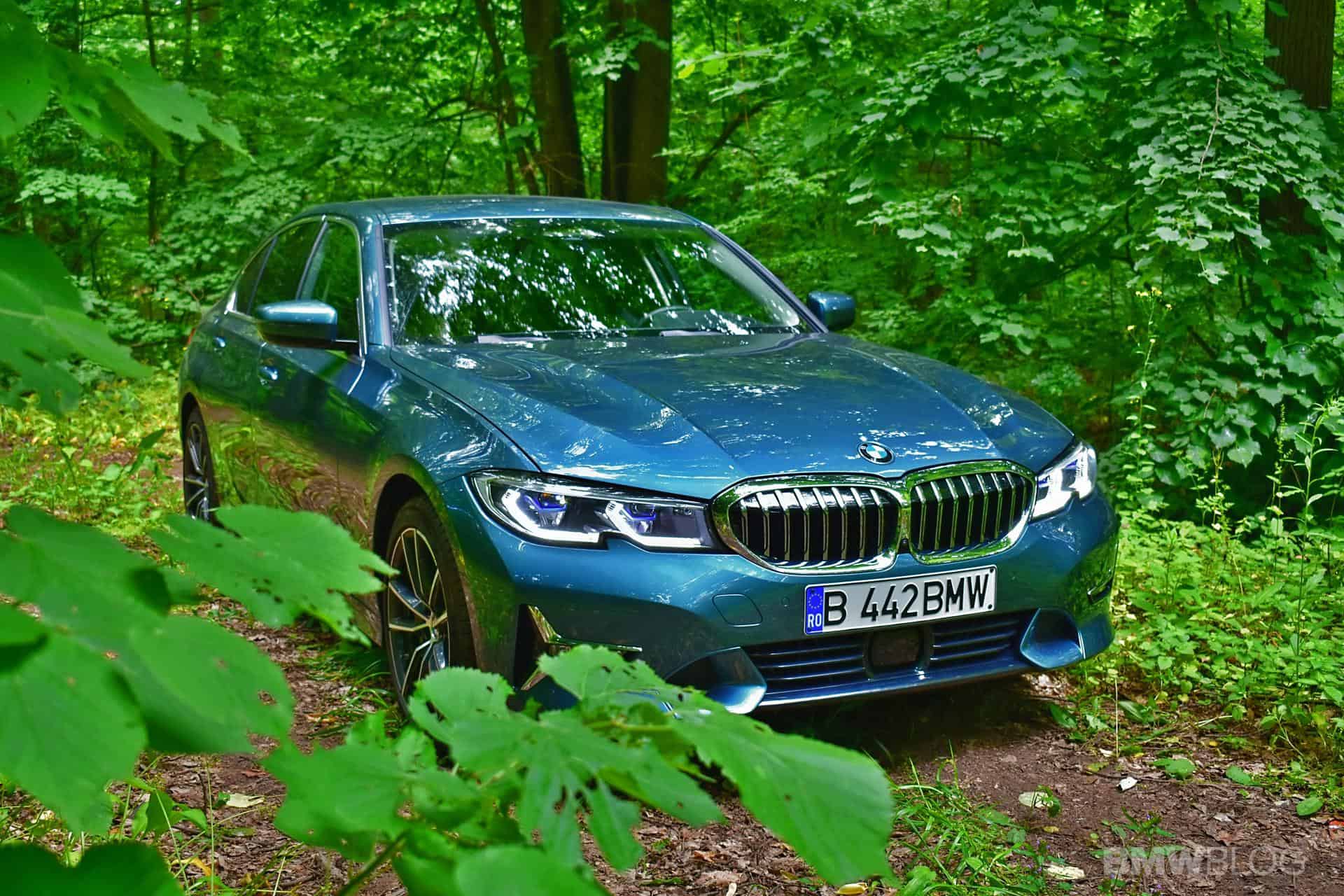
The BMW 330e occupies an intriguing place in the brand’s lineup – one that never quite received the attention it deserved. Situated between the traditional 330i with a combustion engine and the all-electric i4, the plug-in hybrid 3 Series promised the best of both worlds: classic BMW dynamics with a pinch of plug-in power. But despite its technical prowess and real-world versatility, it was often overlooked by enthusiasts looking for horsepower or opting for full electrification.
That’s unfortunate, because the 330e more than lived up to both expectations and its logo. It proved that efficiency doesn’t have to come at the expense of driving pleasure and that the hybrid drive can enhance rather than dilute BMW’s distinctive character. Beneath its understated exterior lay one of the brand’s most comprehensive modern powertrains – efficient, powerful and surprisingly engaging.
A balanced hybrid powertrain
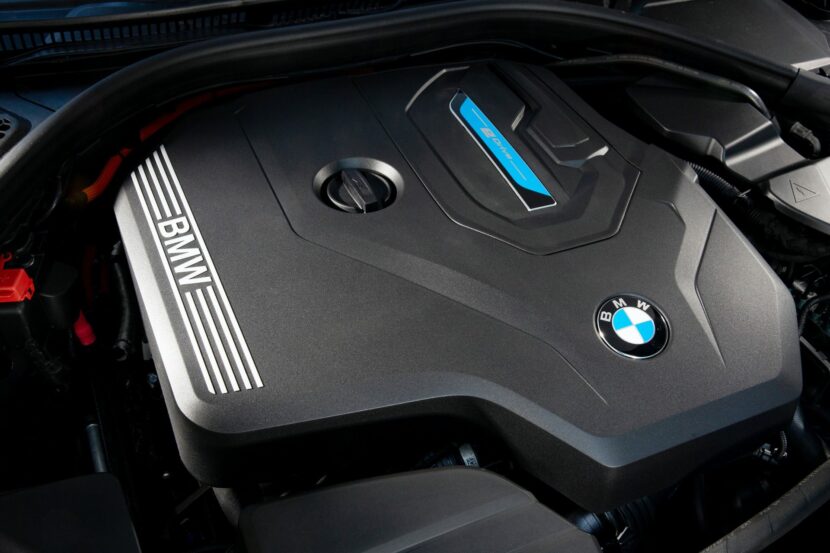
Similar to the first generation 330e, the G20 330e combined a 2.0-liter four-cylinder engine with an electric motor and battery. The resulting 288 horsepower and 310 pound-feet of torque are an improvement over the car’s predecessor, the F30-generation 330e. Or, as it was called back then, the 330e iPerformance. This car used similar hardware and also featured the “Xtraboost” feature, which locks out some horsepower in normal driving situations. While 250 hp might not sound like much for around-town driving – especially compared to the high-octane M340i (which now makes 386 hp) or the fire-breathing M3 – it’s certainly plenty for a “normal” 3 Series. While the additional power didn’t add much oomph to the car compared to the regular 330i, it was enough to offset the weight of the additional drivetrain components. Additionally, the smooth electric power delivery gives the 330e’s powertrain an even more linear feel.
And remember, the 330e is a PHEV. Before the car was unceremoniously phased out in the US, the 330e offered an all-electric range of just over 20 miles. But in the rest of the world, the range increased to a whopping 63 miles in a 2024 update. Granted, this was measured via WLTP and not EPA estimates, but it still represents a 30 mile increase over the previous EU test numbers. Plus, 60+ miles of range is of course notable, but even the lower number was nice. Especially given the real shortage of PHEV sedans on the market; You’re really stuck if you upgrade to the Porsche Panamera Hybrid or the larger 5 Series Hybrid. For those with a short commute, the 330e was perfect for the job.
The same great looks and precision as the 3 Series
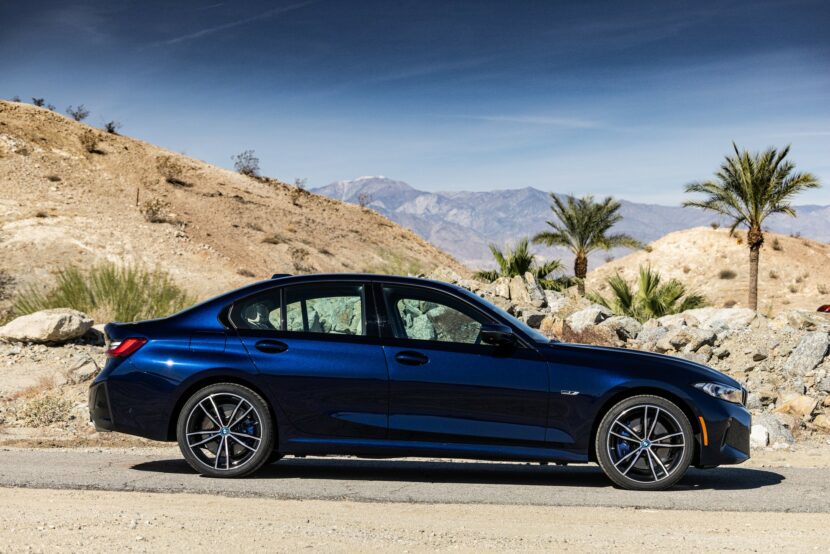
Like the best PHEV BMW currently makes, the X5 xDrive50e, the 330e does little to demonstrate its “hybridity” to the world. While the tailgate was a clear sign of this and some models featured additional badging and an optimized round design, there were no other significant changes to the Hybrid 3 Series. This makes the 330e look largely the same as any other G20 on the road – a very good thing. If you want, you can even equip it with M Sport goodies. In addition, the 330e benefits from the same chassis technology that was used in the regular BMW 3 Series. This makes driving just as much fun as a petrol model.
The 330e is always judged unfairly, at least in America. Enthusiasts rejected it in favor of the faster M340i. Meanwhile, many drivers opted for an all-electric i4, which was technically the better choice as long as you could handle the challenges of EV infrastructure (e.g. a charger at home/work). But just because there are better options for niche use cases doesn’t mean the 330e can’t stand on its own. In fact, this succeeds admirably. I sincerely hope that European (and probably some other markets) drivers enjoy their 330e. The advanced, longer-range version is arguably one of the best modern BMWs money can buy.
