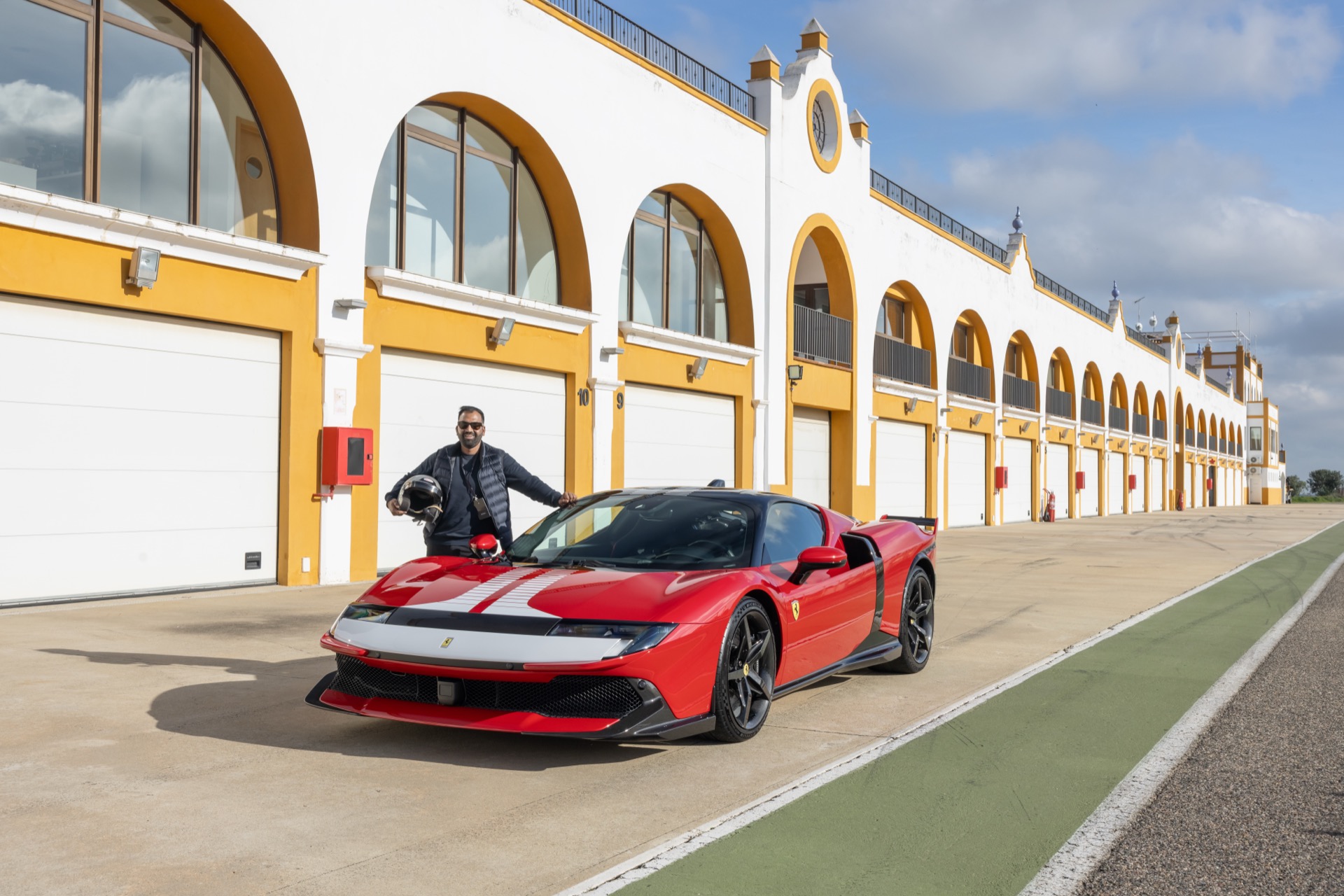
There was a time when 1,000 horsepower felt like an abstract number. Something unreal that was reserved for the most extreme exotics, the Bugattis and other real hypercars that existed to prove that a
Point how to drive. The Ferrari 849 Testarossa quietly expresses this idea. This is a 1,036 hp production Ferrari that accelerates from 0 to 100 km/h in under 2.3 seconds and accelerates to 200 km/h in 6.3 seconds, but starts at around 460,000 euros and will be available from market launch not only as a coupé, but also as a spider. Such numbers still seem slightly ridiculous, but Ferrari now delivers them with a confidence that suggests this is simply the next logical step.
When Ferrari first revealed the car and its name, the internet went wild. “Testarossa” remains one of Maranello’s most emotive badges and for many people immediately conjured up images of boxer engines, side skirts and Miami Vice posters. But the story goes much deeper. Long before the 1984 icon, Testa Rossa referred to the red-painted cam covers of Ferrari’s 1950s racing engines, a designation reserved for the brand’s most extreme, competition-derived powerplants. Viewed through this lens, the name suddenly makes sense. This means Ferrari is reclaiming the Testarossa as an expression of its technical intent rather than an exercise in style.
The 849 Testarossa replaces the SF90 at the top of Ferrari’s mid-engined V8 range, and, crucially, it feels more like a finished product than a brilliant prototype. Its thoroughly redesigned twin-turbo V8 produces 819 hp alone, paired with a three-motor plug-in hybrid system for a total of 1,036 hp. It’s the most powerful production powertrain Ferrari has ever offered, but more importantly, it finally feels cohesive.
Visually, the car is more reminiscent of Ferrari’s sports prototype heritage than the nostalgia of a road car. The sharp, geometric surface and angular volumes refer to the 1970s, most clearly at the rear, where the twin-tail architecture is directly reminiscent of the 512 S and 512 M. These double tails are not styling theater. They incorporate active rear aerodynamics and help generate 415kg of downforce at 250km/h, along with a 15 per cent improvement in cooling performance over the SF90. The heritage here is functional and not decorative.
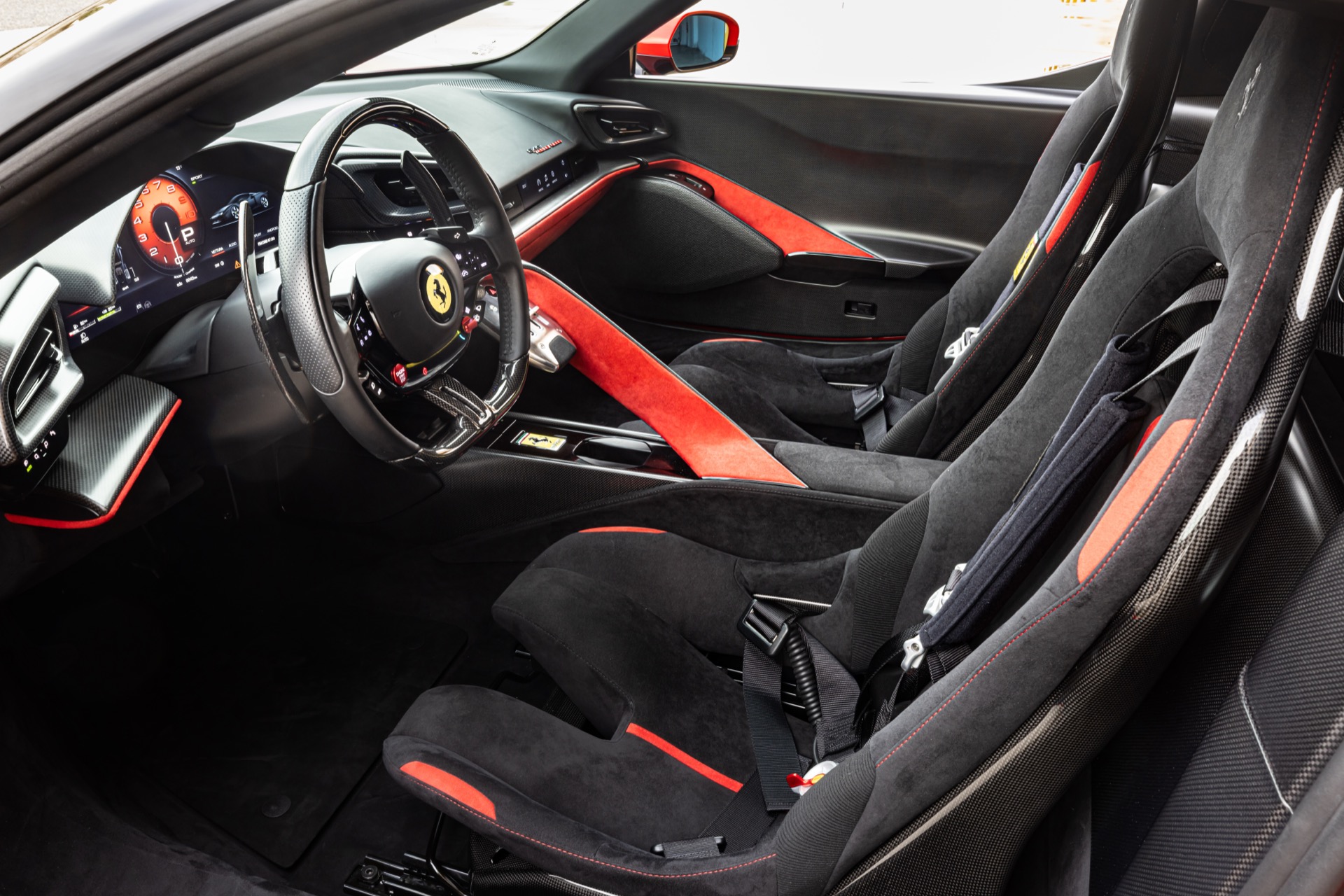
Inside, Ferrari has deliberately stripped things back. The interior is more driver-focused, with a mechanical feel returning via physical steering wheel buttons and the classic red start button. The gated-style selector lever motif reappears as a tactile anchor in an otherwise very modern cockpit. It feels modern but is unmistakably Ferrari. The space in the front trunk is still not enough, but the space behind the seats can be used if you pack very little luggage.
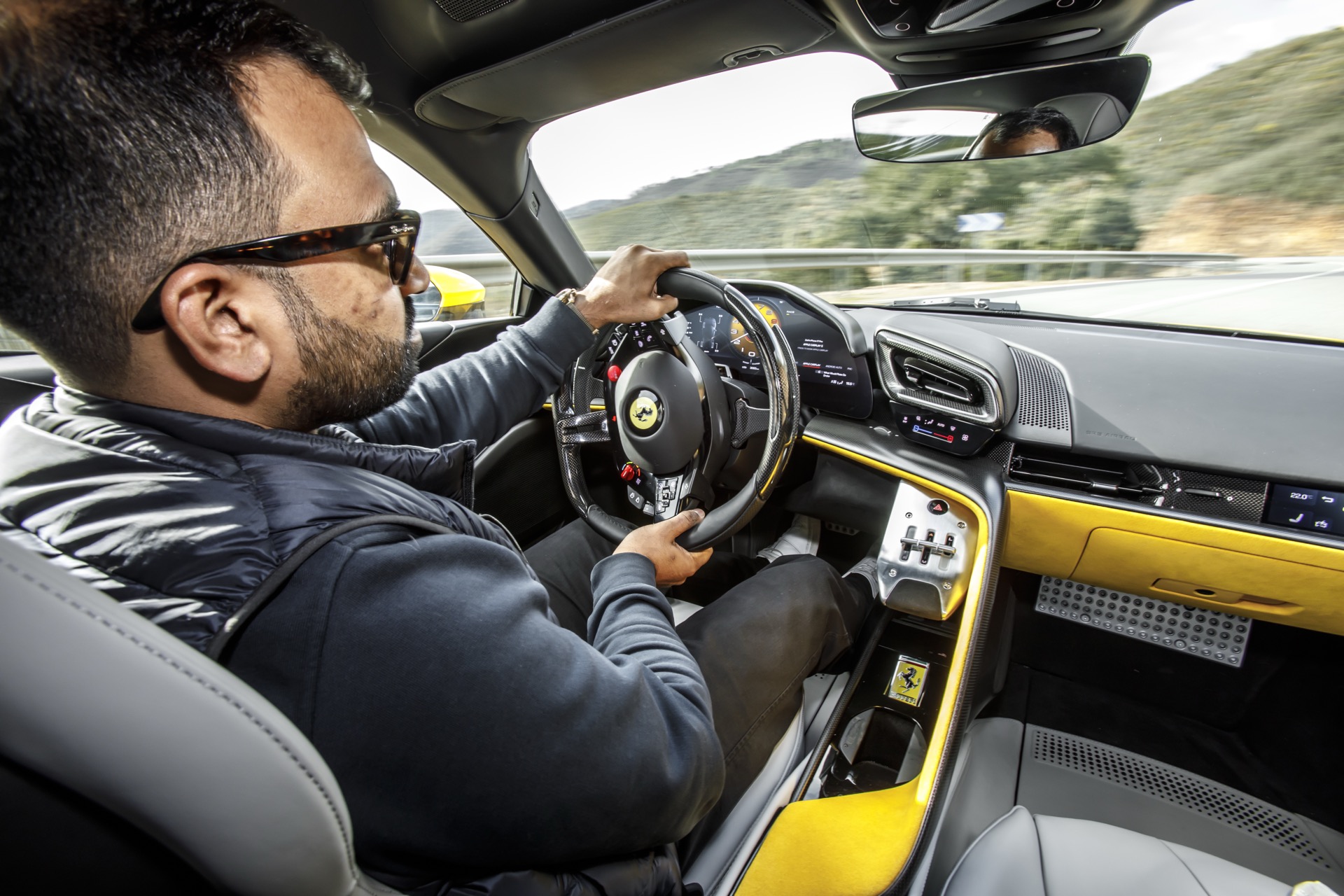
After just a few meters on the road you know that it is a modern Ferrari. The control weights are extremely alert yet measured, the steering needle-sharp and immediate. The seating position reinforces this connection, bringing you close to the front axle and its electric motors, giving a distinct sense of precision to the nose’s response.
There is also theater. Under load you will hear a playful flutter from the turbo wastegates, which click into place without ever being intrusive. In EV operation, the electric motor emits a gentle, futuristic whirring sound that seems more thoughtful than artificial. It’s always there, but never annoying. The performance is outrageous without ever leaving you feeling ragged. In-gear acceleration borders on the surreal, as instant electric torque blends seamlessly with the relentless power of the 819 horsepower V8. You heat up the revs so quickly that you’d swear the gear ratio was short, but that’s not the case. The drivetrain simply builds speed with an almost unreal sense of momentum that recalibrates your internal sense of pace.
The eight-speed dual-clutch transmission is exceptional. Pulling the oversized left paddle shifts downshifts you wouldn’t believe would allow, and it slams right into the redline with a good V8 roar. The upshifts have also been given real character. There’s a hard, almost brutal thud when changing gears, making each upshift feel like an event rather than a background process. The brakes are fierce. Ferrari’s latest brake-by-wire system with ABS Evo clearly delivers amazing stopping power and repeatability. I trusted them completely, but I needed more miles to feel completely in tune with the pedal. I recently had the same experience in the Amalfi, which suggests that this is more about getting used to the ABS Evo than a real fault. Once you adapt, confidence remains sky-high.
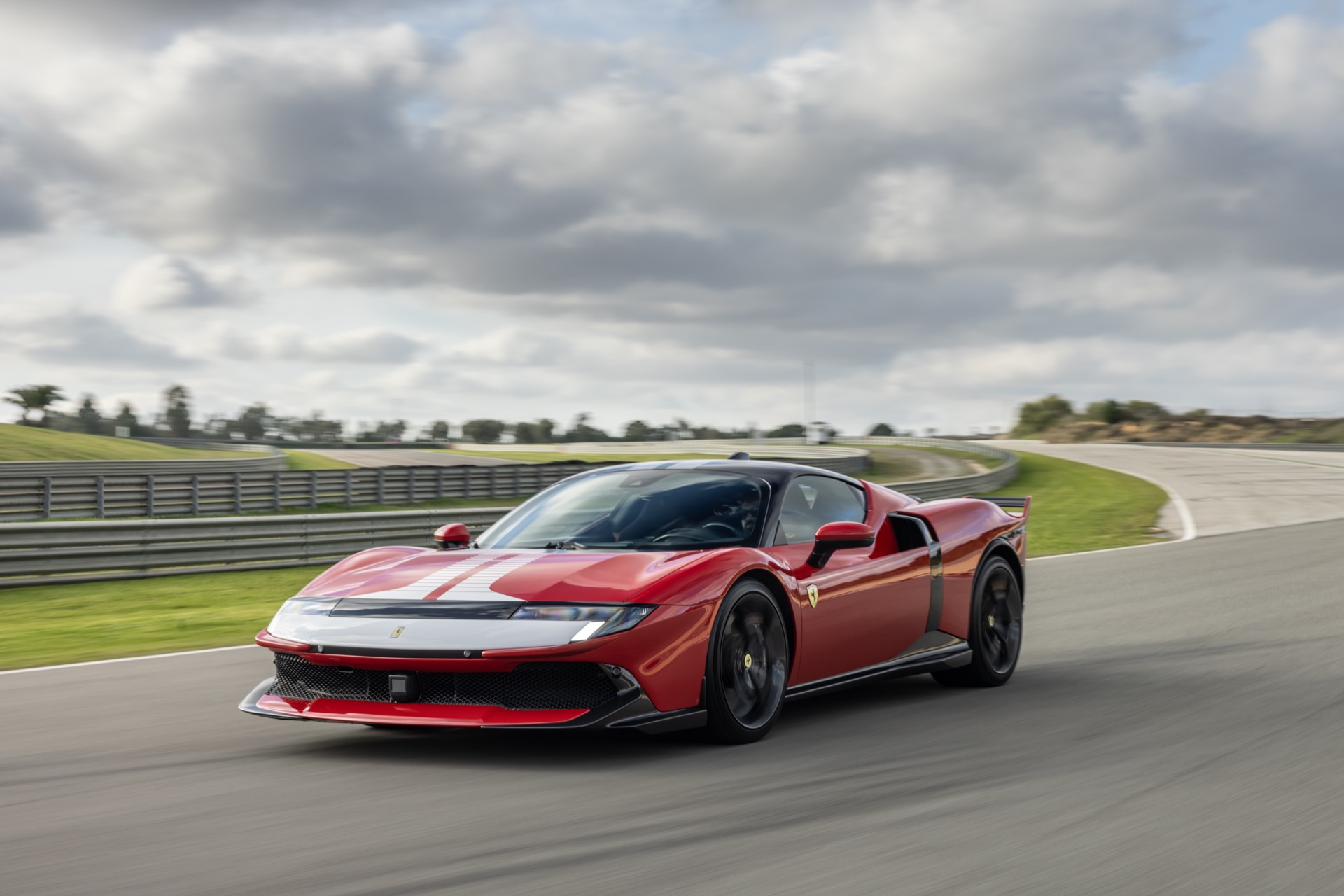
What also stands out on the road is the ride quality, which is nothing short of sensational. This car doesn’t use Multimatic’s active dampers, which are reserved for the F80 and Purosangue, but the passive tuning here is a quiet masterclass. In the softer settings, particularly in bumpy road mode, the adjustable spring and damper calibration provides remarkable compliance without ever feeling loose. It breathes with broken asphalt, maintains body control and somehow manages to feel calm and alert at the same time. Crucially, Ferrari has now made this configuration available as part of the Assetto Fiorano package. Instead of the fixed Multimatic setup that previously characterized Fiorano cars, buyers can now choose this adaptive passive suspension along with a front axle lift system, making the most focused version of the 849 Testarossa far more usable in the real world. It’s a smart decision, and a very Ferrari decision.
What really sets the car apart on the road is transparency. Many found the SF90’s calibration to be a bit rushed, as if the systems never quite harmonized. Everything feels in harmony in the 849 Testarossa. The car is quiet, devastatingly quick and remarkably legible. You can feel the electronics working, but they are working with you, not above you.
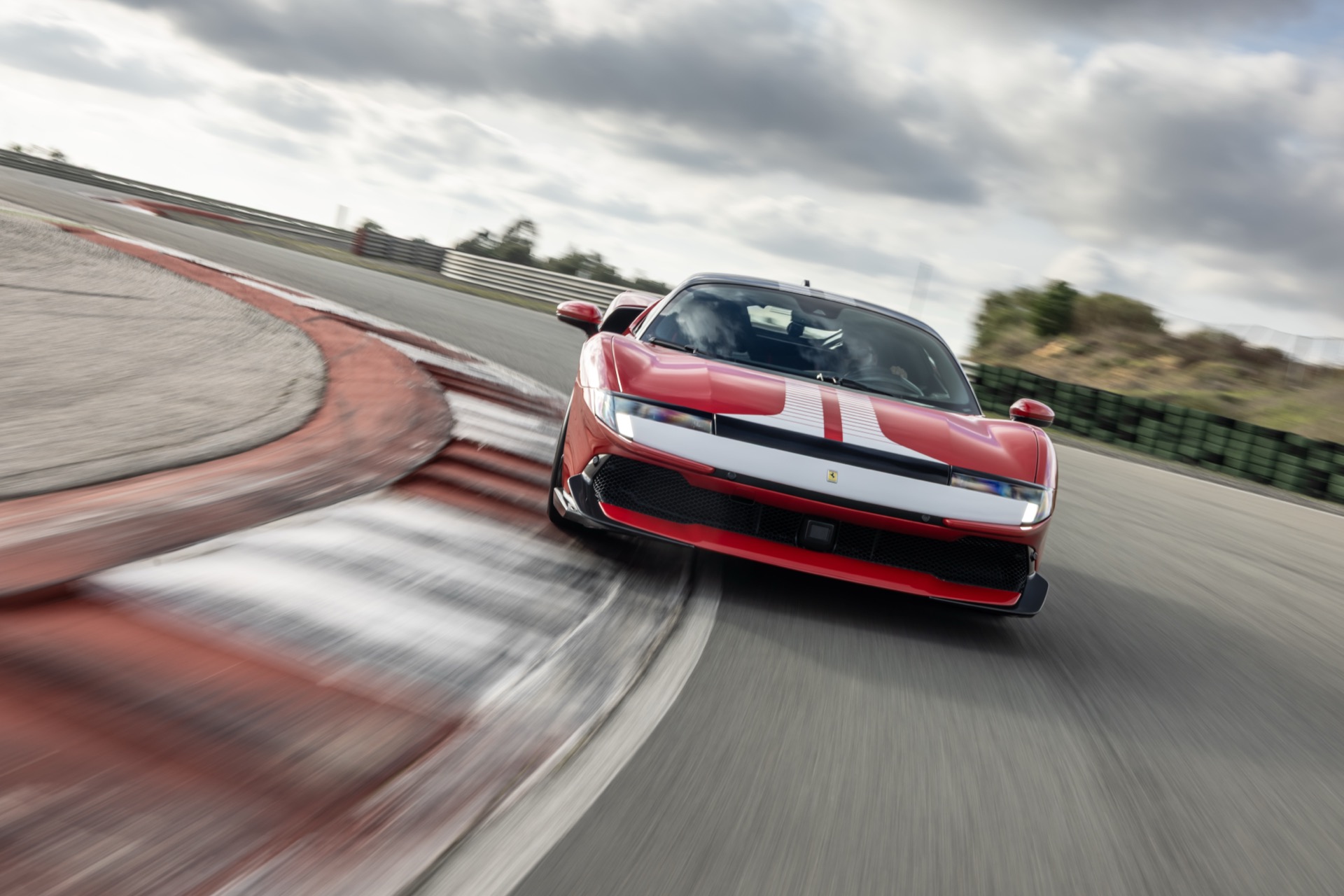
Monteblanco was new to me and learning a track with 1,036 hp is objectively absurd. Nevertheless, the 849 Testarossa never seemed intimidating. This Assetto Fiorano equipped car delivered tremendous pace with amazing composure. The way the power is dosed is masterful. You get everything you ask for, but never in a way that gets you into trouble.
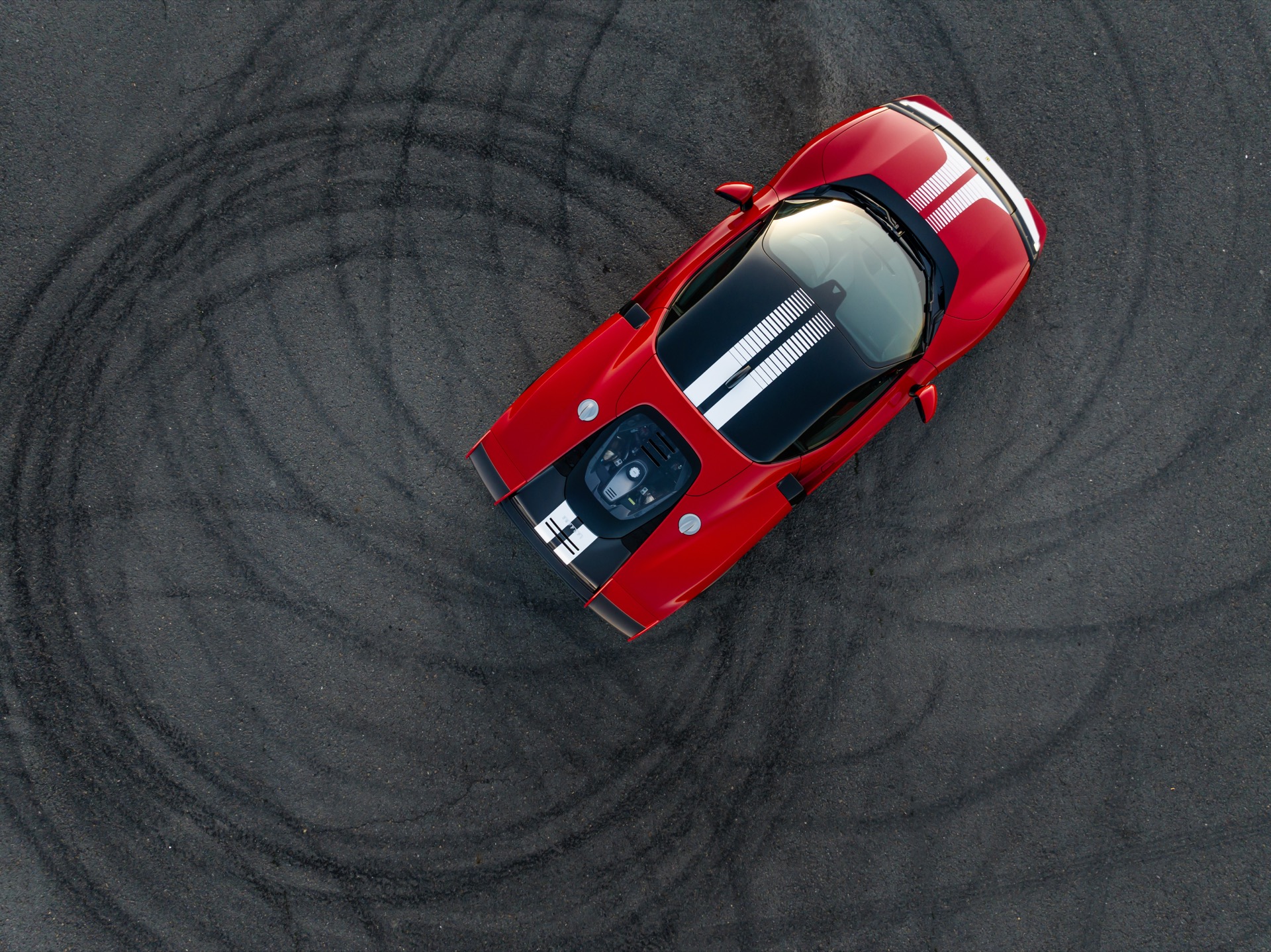
The car gives you the feeling of being fast, encourages you to push and takes care of you quietly in the background. Variable traction control and sideslip systems let you lean into the torque, handle the undulations, and make small, clean corrections. At the exit of the corner, when the Michelin Pilot Sport Cup 2 was well past its best after a full day of punishment, you could feel the car carefully metering its 1,036 horsepower and the traction control light flashing feverishly as it translated the intention into forward motion rather than wheel spin. The chassis speaks; interpret the systems. On the racetrack you can also feel the work of the front electric motors. On turn-in and in tighter corners, there’s a subtle pull from the front axle that helps pull the car into the apex, sharpening response and aiding rotation before rear power takes over. It never feels artificial, just quiet and effective. With the same heavily used tires there was a touch of understeer on break-in, which is completely understandable given the abuse. Nevertheless, the traction remained tremendous from the apex and the balance remained reliable throughout the lap.
The gearing on the track is borderline telepathic. There is no hesitation, no thinking. It gives you the gear you want, when you want it, even if that means downshifting straight into the limiter. The feeling of speed is immense, but the clarity from the steering and pedals ensures you keep your cool. You think you’re the hero, and then you realize that calibration silently does the heavy lifting while keeping the fun.
The downside to all this control and confidence – and this is a real downside rather than a criticism – is that the 849 Testarossa isn’t the most flavorful or intense Ferrari experience. You don’t have to step out of the house drenched in sweat and with ringing ears and make an appointment with both your therapist and your chiropractor. If that’s what you’re looking for, Ferrari offers other answers. Cars like the 296 Speciale are designed to deliver this kind of raw, nerve-wracking intensity. The fact that such different experiences coexist within the same range says everything about how broad Ferrari’s offering has become.
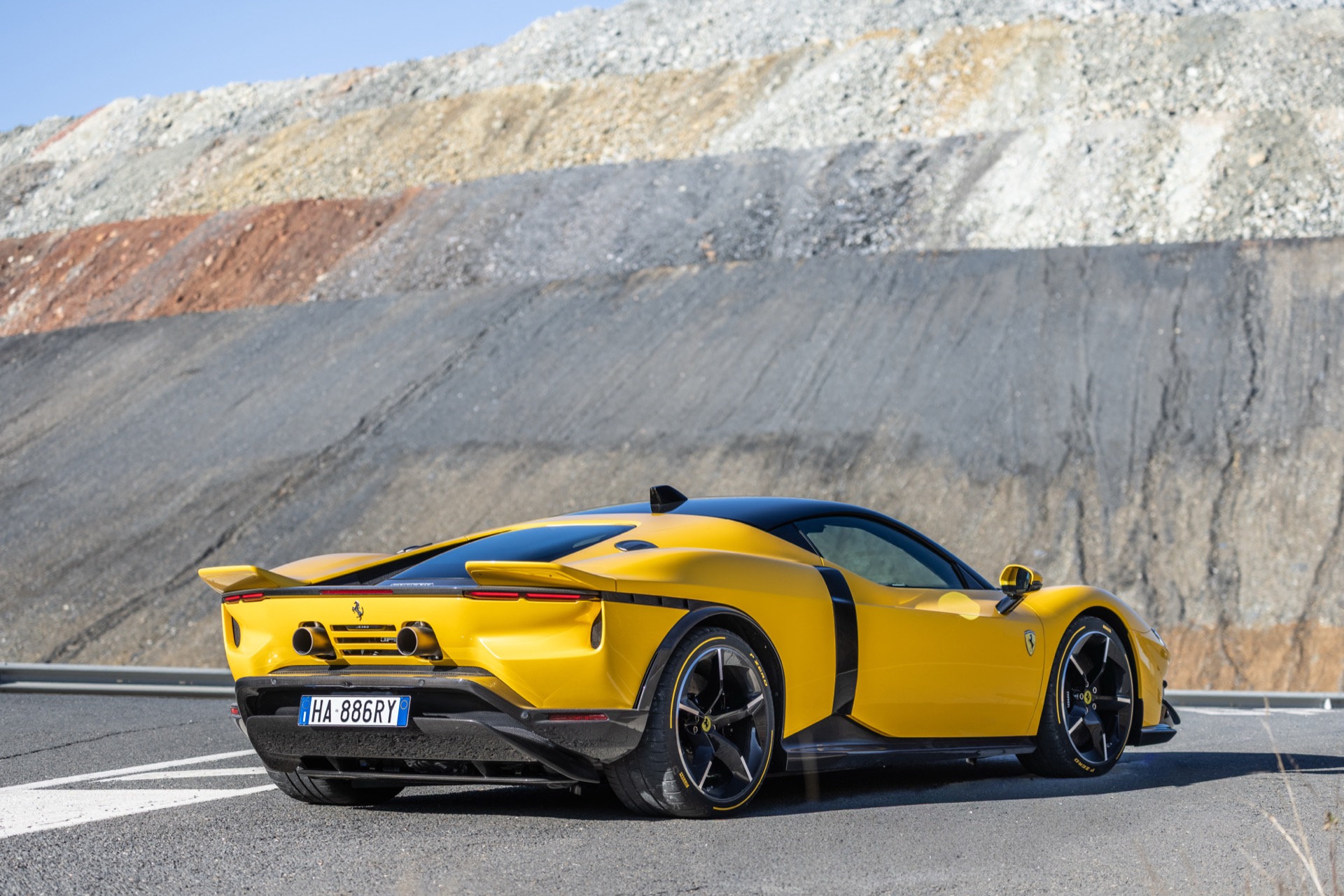
The design also divides opinions, and I agree with that too. I find the 849 Testarossa visually challenging, especially with the AF package including stripes. This is entirely subjective, and there’s no questioning the functional brilliance of the aero work, but it lacks the natural elegance of some other Ferraris. For those who prefer more classic proportions and more traditional powertrains, Maranello’s own catalog includes alternatives such as the 12Cilindri, which prioritize form, atmosphere and theater over outright technical aggression.
None of this affects the performance of the 849 Testarossa. It’s incredibly fast, deeply reassuring, and astonishingly complete. It makes four-digit horsepower feel usable, accessible, and coherent in a way that would have seemed absurd not long ago. It delivers a name that lights up the internet, not by relying on nostalgia, but by reminding us of what
Testarossa should always represent. Ferrari hasn’t just revived a legendary badge. It deserves it, but only if you take the time to understand why.