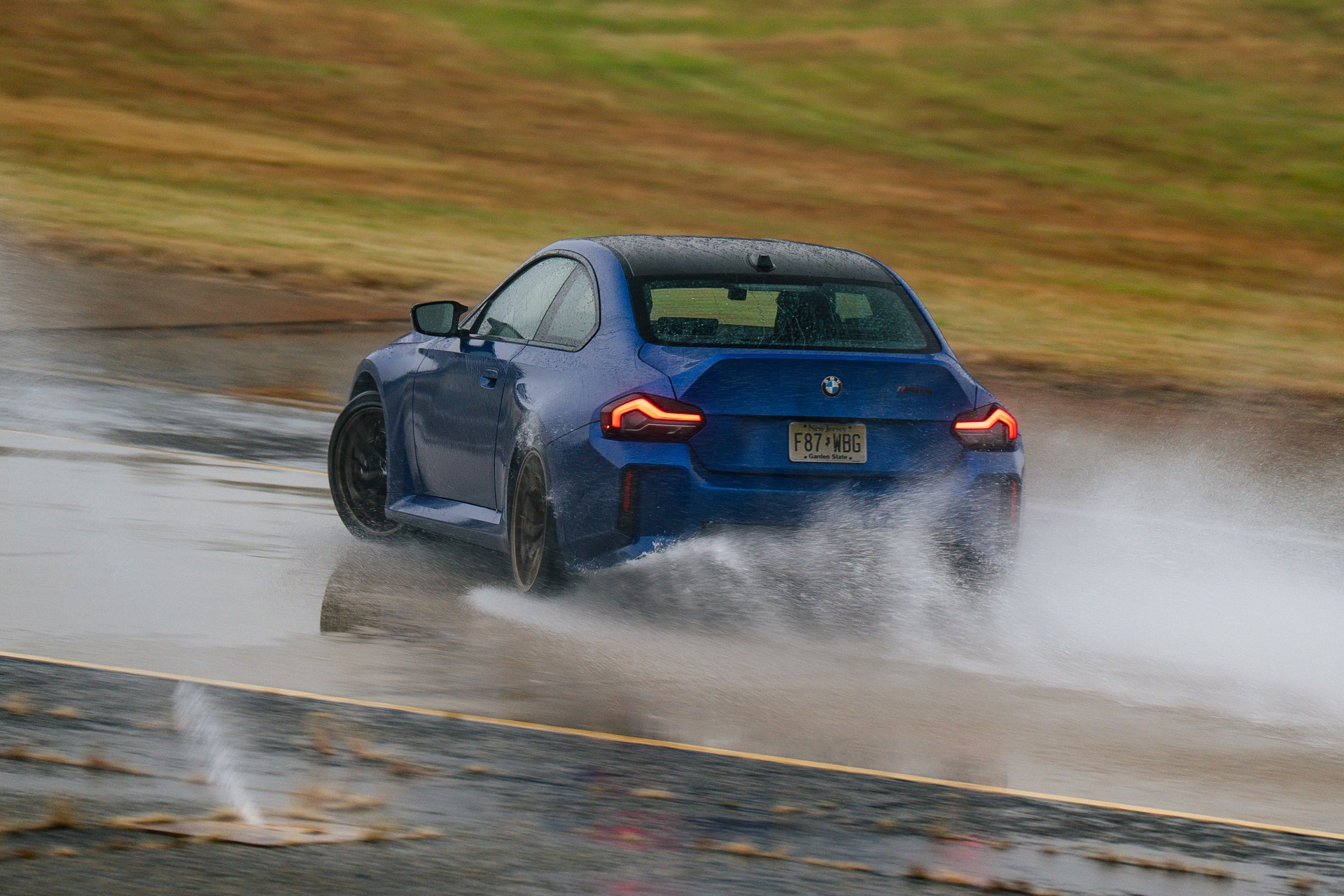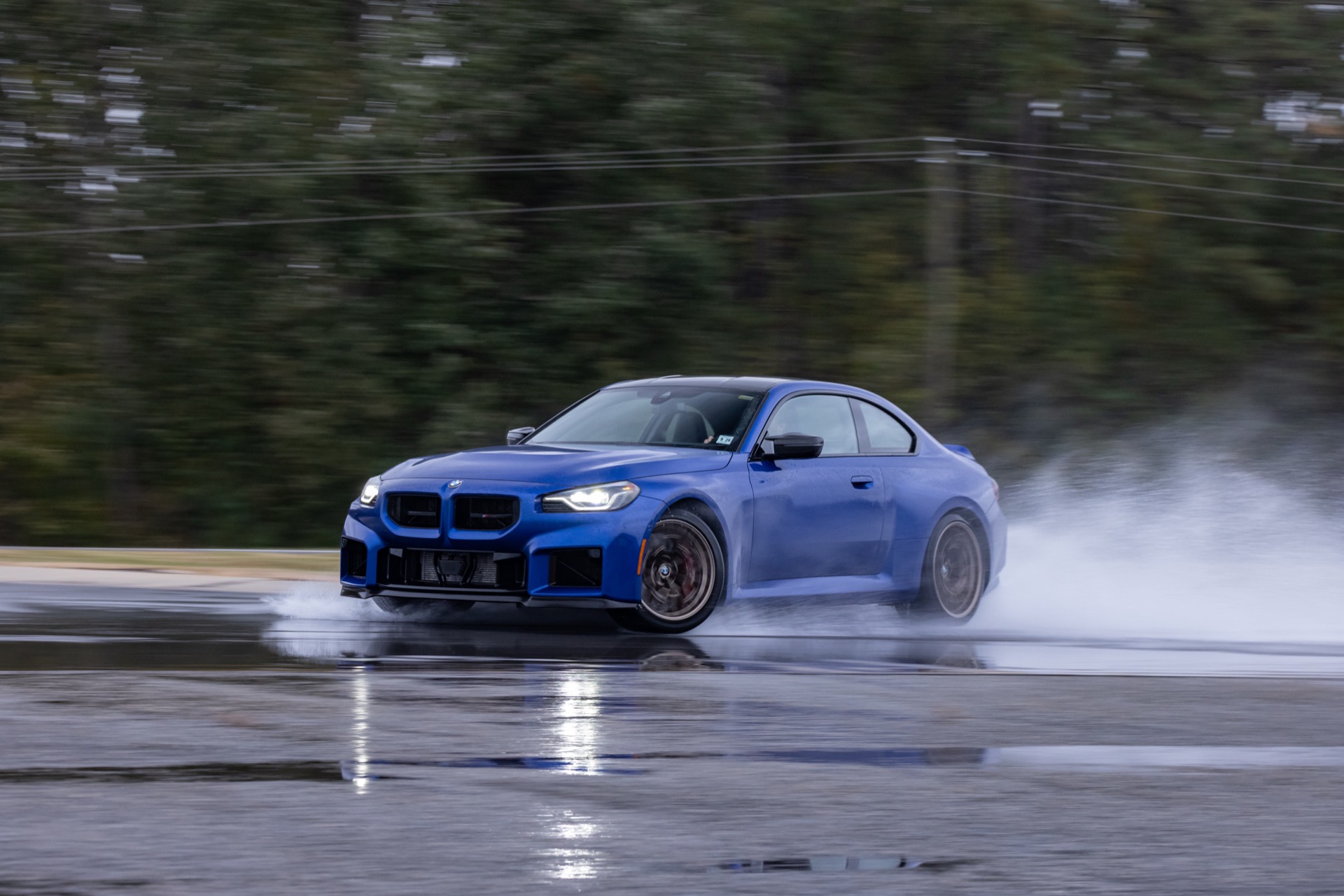
BMW’s CS emblem didn’t always mean the same thing. The M5 CS was a real highlight: lighter, sharper and with the kind of magic that makes great M cars unforgettable. The previous F87 generation M2 CS hit a similar sweet spot: more focused, wonderfully exploitable and, best of all, available with a manual. The G8X-era M3 and M4 CS models improved on their standard counterparts, but never quite achieved the polish that only comes along every decade.
Against this background, expectations for the new M2 CS are extremely high. More power, less weight and a chassis setup that feels sophisticated and not just stiff promise substance that goes beyond carbon. At first glance, it reads like a car built by drivers for drivers: the numbers are big, the hardware is serious, and the intent is clear.
The main numbers set the tone: 3.0 liter in-line six-cylinder, 530 hp and 650 Nm, with a claimed acceleration from 0 to 100 km/h in 3.8 seconds, serious figures for the “small” M car. Power delivery is clean and linear all the way to the redline, and throttle mapping feels a bit crisper than the standard car. The eight-speed M Steptronic gets the job done. At the most aggressive setting, the upshift noise can feel a bit synthetic, but selecting a smoother shift map restores a more natural cadence without sacrificing performance. The package feels immensely powerful, the torque comes through strongly and the feeling of speed in this (relatively) small BMW is addictive and exciting.
Compared to the standard M2, the M2 CS is a sharper, lighter and more focused package. The performance increases by 50 hp. By using CFRP parts, the CS saves 30 kg: roof, trunk lid with a distinctively integrated ducktail, rear diffuser, front splitter and a carbon center console with a large hole where an armrest should be, as well as forged 19/20-inch wheels. Surprisingly, BMW M did not mention the weight savings compared to the standard M2 with the optional ceramic brakes, which (like the M4 CSL) save around another 14 kilos and are only available on the M2 CS. The chassis hardware and software are tailor-made: the car sits 8 mm lower, with model-specific springs, dampers and control tuning, stiffer engine mounts, recalibrated M Sport differential and revised DSC/MDM. Braking upgrades include standard M-Compound stoppers with the option of the aforementioned carbon ceramic discs, while the 8-speed M-Steptronic with Drivelogic is standard here (no manual option, unlike the regular M2 in some markets).
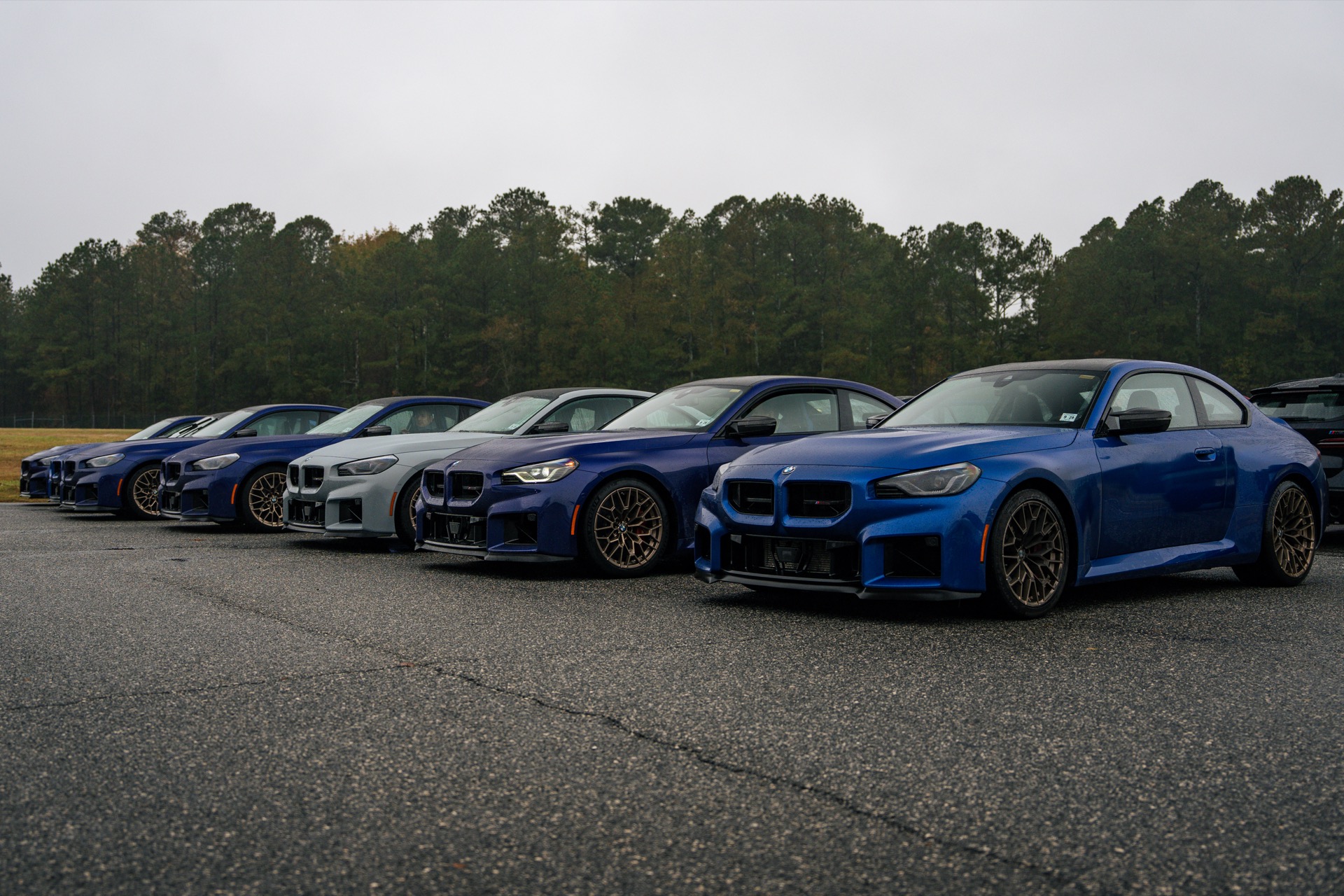
The test conditions were important. The race took place at the Michelin Laurens Proving Grounds on wet surfaces and on Michelin Pilot Sport 4S tires. I haven’t tried Cup 2 or Cup 2 R. Still, the balance of the CS shined through. The bite on the front wheel is stronger, the weight transfer is cleaner and the car remains adjustable at the throttle without becoming theatrical. That composure on less-than-ideal surfaces and roadworthy tires says a lot about the underlying tuning on a platform shared with the wider 2 Series.
In an autocross layout, I was able to explore the car with the DSC fully disabled and traction control reset using the ten-stage M traction control. It was incredibly fun. The high torque of the motor allows you to extend the tail wide in the second and third moments and then maintain a flat slide with small inputs. The steering isn’t exactly talkative off-center, but once the front is loaded the weight builds cleanly, making it easy to place the nose and manage slip. With the safety net set to a light setting, the CS remains playful yet recoverable, encouraging you to work with the chassis rather than fight against it.
The steering deserves nuance. As with most modern M products, the rim is too thick and needs to acclimate. Slightly off center, the frame is not full of texture; Feedback builds with load rather than constantly bubbling up. The advantage is stability. Once loaded, weighting is consistent and confidence grows quickly, allowing you to lean on the front axle sooner and maintain speed with fewer corrections.
Brakes: My car was equipped with the optional carbon ceramic system. It offers strong braking power and a firm, consistent pedal, with the advantage of reduced unsprung mass. I haven’t ridden the standard M compound setup so I can’t comment on it here.
Driving behavior and body control are assessed as good for the task. The CS is tight but not brittle, rounds off sharp inputs and then settles cleanly. This leads to fewer secondary movements while on the move. On the racetrack, this means you can place the car precisely and repeatably. It seems like there is more scope to explore before electronics have to intervene.
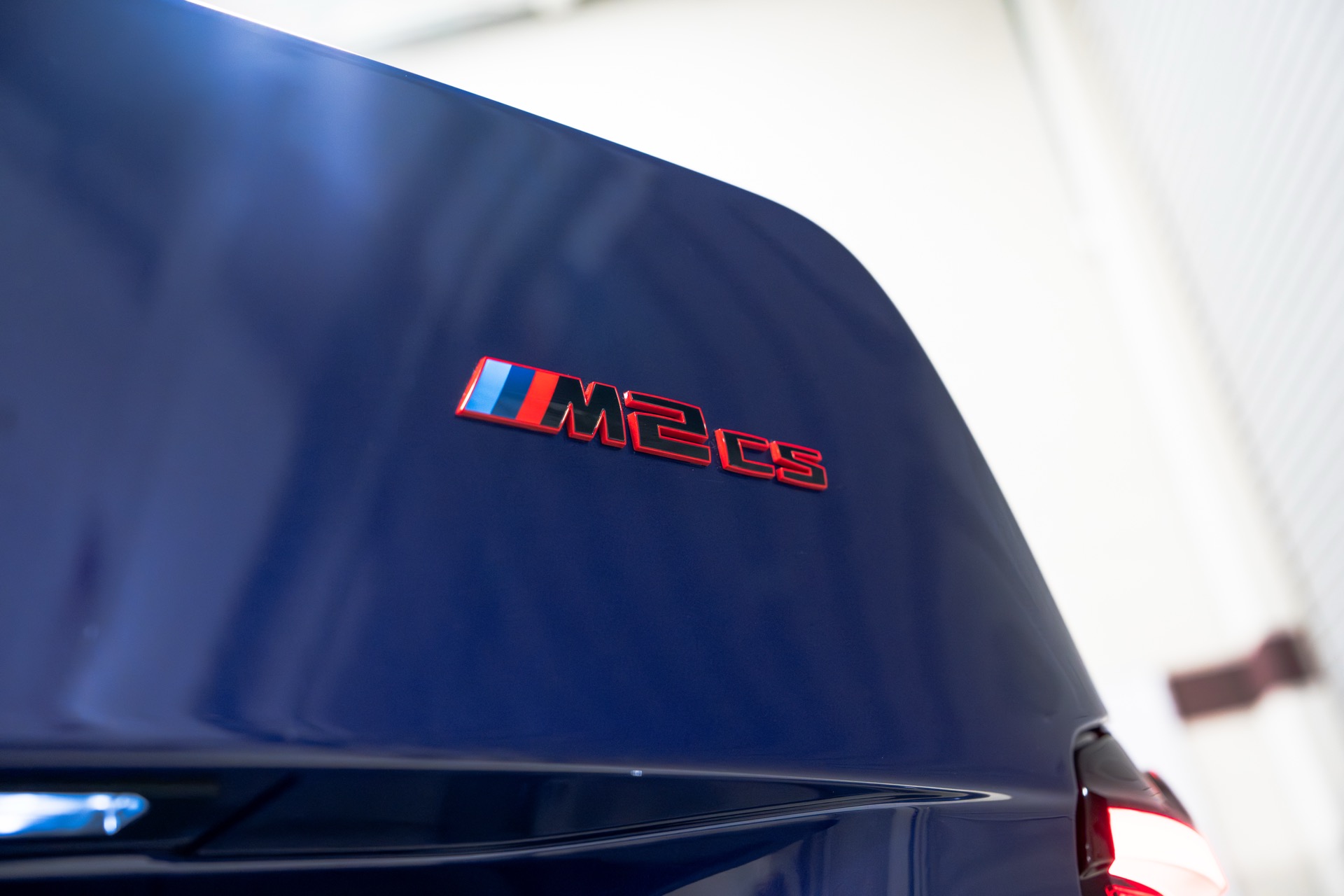
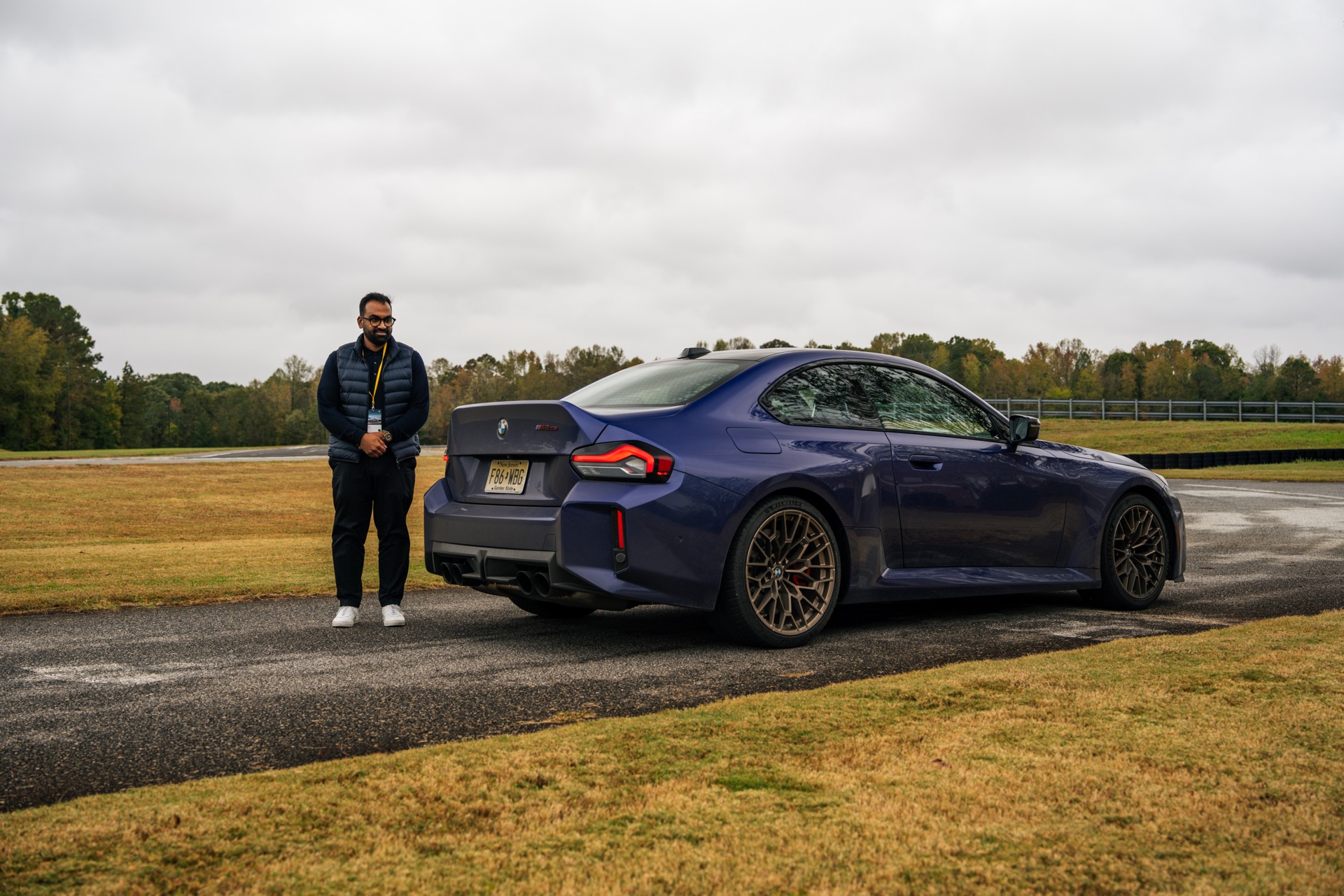
The CS treatment is visible and noticeable. Carbon panels, a neatly integrated CFRP duck tail, a simple grille and forged bronze wheels give it elegance without cartoonish exaggeration. Inside, the carbon fiber center console and buckets look good and the driving position is spot on. The workmanship quality is also impressive. Built in Mexico, this car feels solid where it counts, from closing the door to flicking the switch. Could it be further different from the standard M2 and more CS? Perhaps all other current CS models feature prominent yellow daytime running lights, and a carbon fiber hood would also have been a nice touch, adding to the list of weight-saving features.
Where does it end up? In rare company. Since the 718 is being retired and the Alpine A110R is about to end after weak sales figures, compact sports cars with rear-wheel drive and combustion engines are hardly represented anymore. The M2 CS feels like a keeper: compact footprint, wide range and a focus on the connection between driver, chassis and road.
The M2 CS is a real entry-level option. It’s quicker, smoother in its reactions and inspires more confidence than the regular M2, even on wet track and PS4S rubber. The rim is too thick and the initial rack feel won’t please every purist, but the way the car holds together when loaded and the authority of its carbon-ceramic stoppers set it apart. Expensive? Yes. But in 2025, this is one of the most complete, fascinating and authentic driver’s cars you can buy.