The days when the Tokyo Motor Show was a globally renowned showcase of automotive expertise are long gone. The biennial mega-event in Tokyo, now renamed the Japan Mobility Show, has transformed into a comprehensive celebration of mobility in all its forms. And while the local market remains unique and fascinating, no brand wants to be caught failing.
Anyone who assumes that electric drives will dominate in Japan – or that they would make the headlines at this event – is seriously mistaken. A quick drive through Tokyo, a megacity of over 30 million people, shows that electric vehicles still play a marginal role on Japanese roads. Depending on the brand, electric vehicles only make up a small single-digit percentage of new car registrations. Public chargers are rare, and where there is electrification, the Japanese still prefer their tried-and-tested hybrid technology, particularly for tackling urban traffic, where it significantly improves real-world efficiency. What dominates the streets is the same story as always: tiny kei cars remain the heartbeat of the world’s largest metropolis – affordable, tax-friendly and perfectly adapted to urban life.
This distinctive hometown feel extends from the streets to the cavernous halls of Tokyo Big Sight. National brands such as Toyota, Mazda, Nissan, Suzuki, Mitsubishi and Honda set the tone of the trade fair and each gave the event their unmistakably Japanese stamp. BMW is one of the few European manufacturers that continues to play a major role here. Nevertheless, brands such as Volkswagen, Audi, Mercedes and Porsche still enjoy great appeal among Japanese car enthusiasts, even if the trade fair itself has become less important for them.
With the introduction of the all-new Land Cruiser FJ, Toyota continues to build on the Land Cruiser legend. The 4.57 meter long car is based on the Hilux Champ sold in Southeast Asia and is powered by a 2.7-liter four-cylinder gasoline engine with 161 hp, paired with a six-speed manual transmission and switchable all-wheel drive. Even more noticeable on Toyota’s stand is the ultra-luxury sub-brand Century. Once the exclusive domain of Japanese royalty and top CEOs – originally powered by V12 and later hybridized V8 engines – Century is now a premium sub-label that presents high-end SUVs.

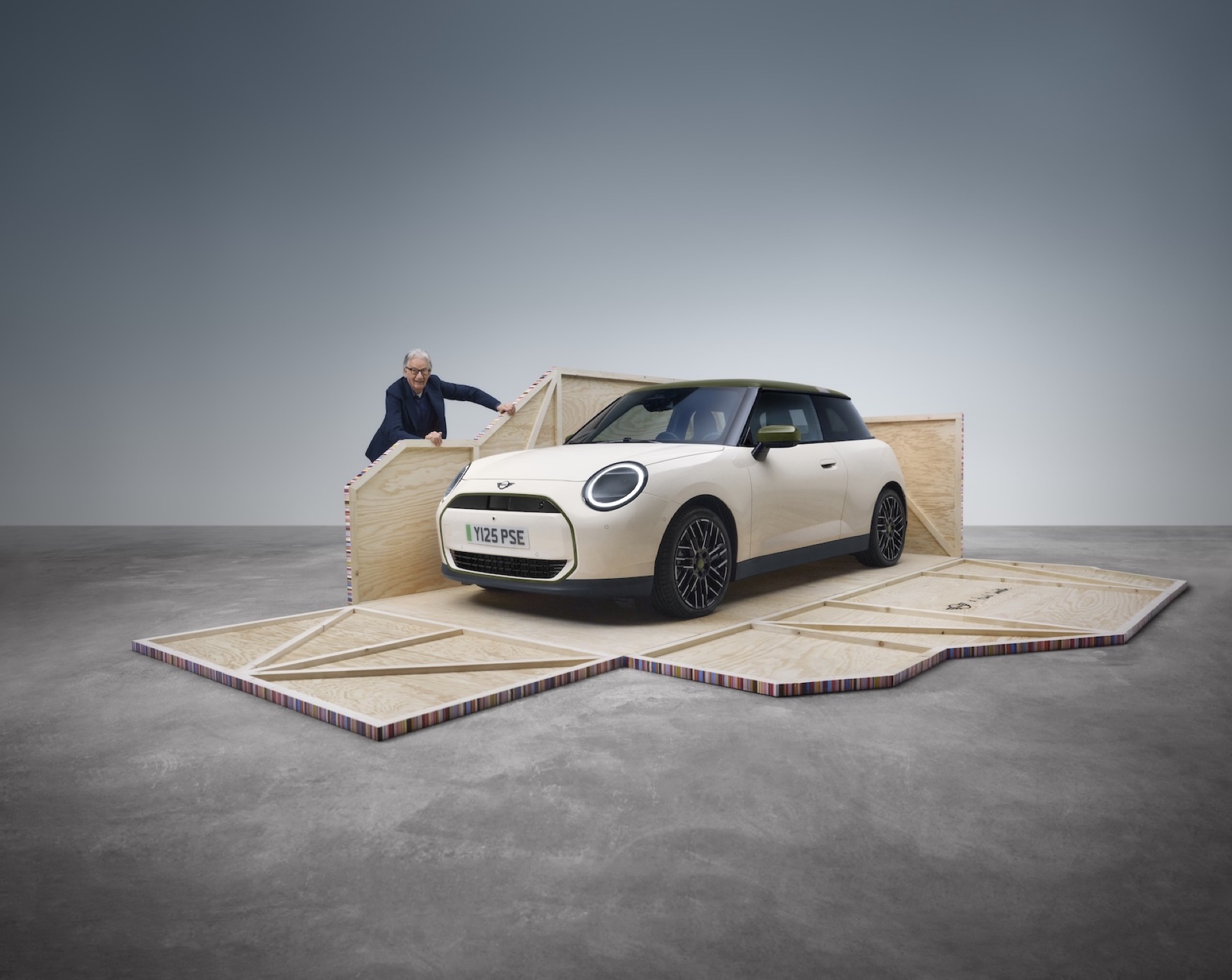
Mazda unveiled two eye-catching concept cars with clear production potential. The 510-horsepower Vision Meanwhile, the well-rounded, city-ready X-Compact looks like a direct preview of the next-generation Mazda2. Mini, a brand with great affection in Japan, also carries the compact class flag. The new Paul Smith Edition Cooper made its debut here, paying tribute to both the model and the 79-year-old designer. In such venerable company, even the new BMW iX3 seemed to fade into the background at its Asian premiere.
Tokyo without kei cars? Unthinkable. These micromachines, typically powered by tiny sub-660cc turbocharged engines, remain ubiquitous. Suzuki used the show to prove that they can also drive electric. The Suzuki Vision e-Sky is a preview of a compact electric vehicle due to launch next year, offering a range of 270km in just 3.4 meters long – ideal for Tokyo, Osaka or Kyoto. The Van e Every Concept, developed with Toyota and Daihatsu, has the same dimensions and promises a range of 200 km.

Mitsubishi’s Elevance Concept previews the brand’s future flagship, based on the next-generation Outlander platform. CEO Takao Kato says it “combines our best electrification and all-wheel drive technologies” as the Delica range evolves in design and performance. Meanwhile, Nissan made a splash by bringing the iconic Patrol SUV back to Japan for the first time since 2007. Closely related to the new Micra (itself a cousin of the Renault 5), the Patrol returns to take on the likes of the Land Cruiser, G-Class and Range Rover.
Perhaps even more significant for Nissan is the all-new Elgrand. It has defined the premium minivan segment in Japan since 1997. Now in its fourth generation, it brings updated design and new electrified powertrains to a category of huge importance locally. Kawasaki also caused a stir and presented hydrogen-powered concepts for both quads and motorcycles. Subaru has revived its STI badge with the Performance-E STI and Performance-B STI concept vehicles. And for those who prefer a rugged aesthetic, Wilderness versions of the Forester and Outback were also on display.