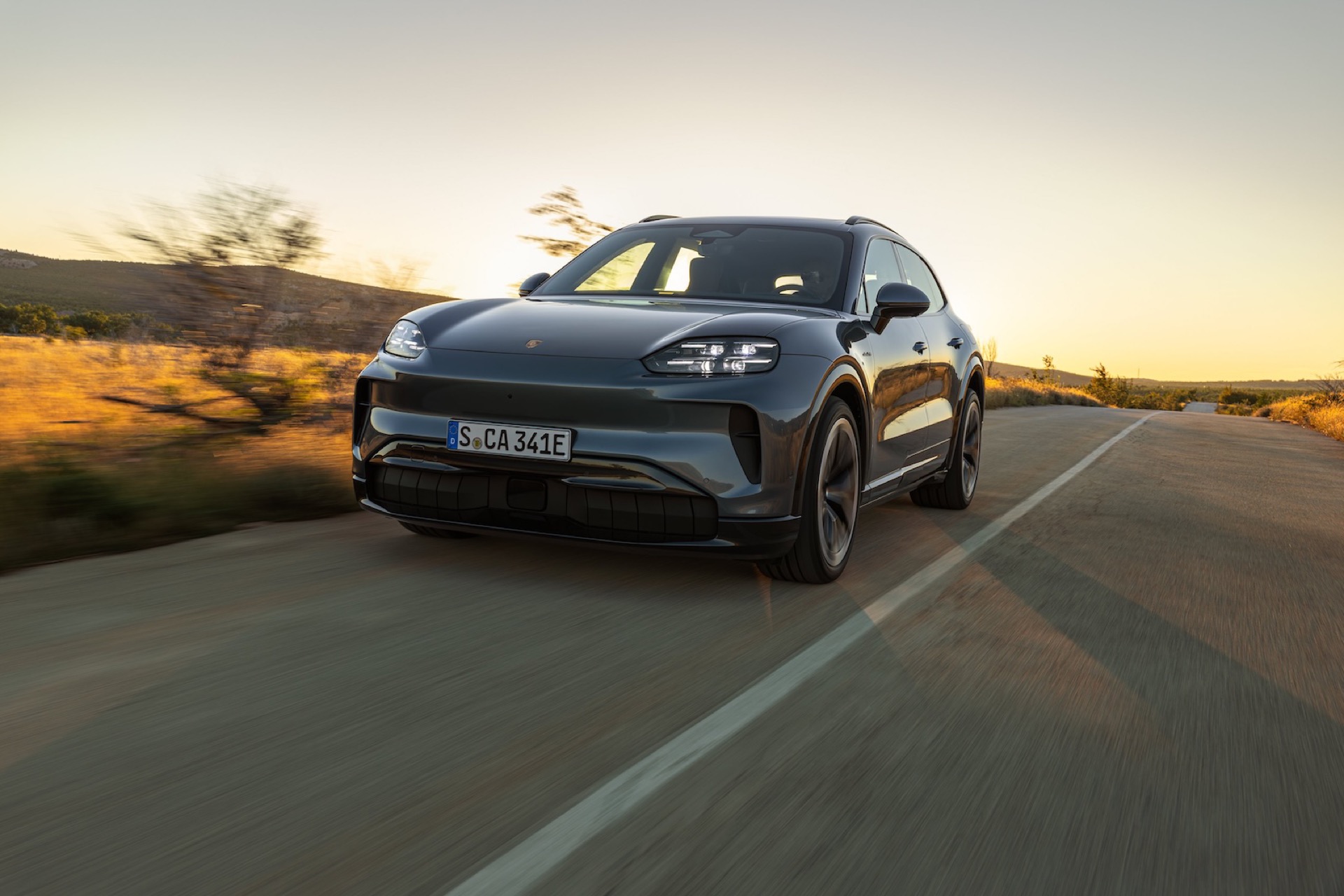
Porsche isn’t giving up on its electric car plan and couldn’t. After the smaller Macan, the Cayenne is now also electrically powered – and the pricing is higher than many expect.
In a difficult market, Porsche is launching a model that is more important than ever: the Cayenne. The Macan’s bigger brother is now coming as a fully electric vehicle, and not every customer will be happy. After the recent sales declines and gloomy financial data, Stuttgart has reacted and will keep the current Cayenne with combustion engines and as a plug-in hybrid in the range, as it is clear that not all buyers will switch to electric.
The new Cayenne Electric makes this switch easier. When it launches early next year, it will be available as the Cayenne Electric and Cayenne Turbo Electric. The top version delivers values that are likely to unsettle die-hard combustion engine fans: up to 850 kW (1,156 hp) in overboost, 1,500 Nm and 260 km/h. The 0-100 km/h sprint in 2.5 seconds is wild, if not particularly relevant. In normal operation, the turbo produces up to 630 kW (857 hp). The entry-level Cayenne produces 300 kW (408 hp) and 835 Nm, accelerates from 0 to 100 km/h in 4.8 seconds and reaches 230 km/h. The WLTP consumption for both is around 20 kWh/100 km.
The range is around 640 km and the fast charging power is 400 kW. The 113 kWh battery charges from 10 to 80 percent in 16 minutes. Inductive charging at home is offered as an option, but the additional charge of 5,000 euros is high. “The Cayenne Electric shows performance in a completely new dimension and sets standards in terms of SUV dynamics and cargo,” says outgoing CEO Oliver Blume. The engineers are just as proud of braking as they are of acceleration: peak recuperation is 600 kW, so that despite an empty weight of just under 2.5 tons, most stops can be managed using energy recovery.
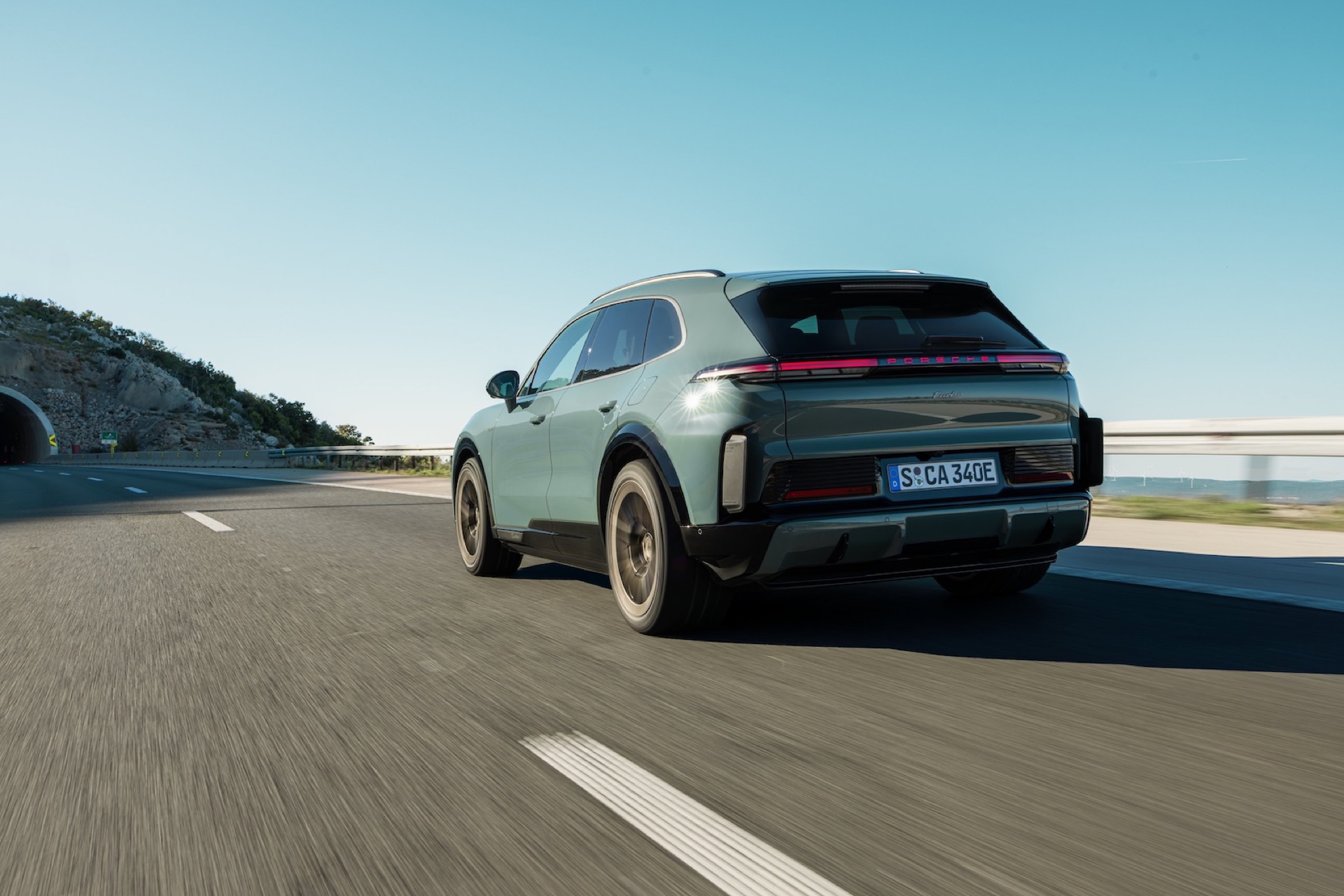
All versions are all-wheel drive with adaptive air suspension. The Turbo also has a differential lock on the rear axle for traction and active roll stabilization for body control. Rear axle steering is optional. A slippery body helps achieve a drag coefficient of 0.25, which underpins the range. Overall, the dimensions are almost identical with a length of 4.99 m, but the wheelbase increases by 13 cm to 3.02 m, which benefits the space in the rear seats. The rear seat is electrically adjustable as standard, from the lounge-like reclining position to the cargo-friendly high position.
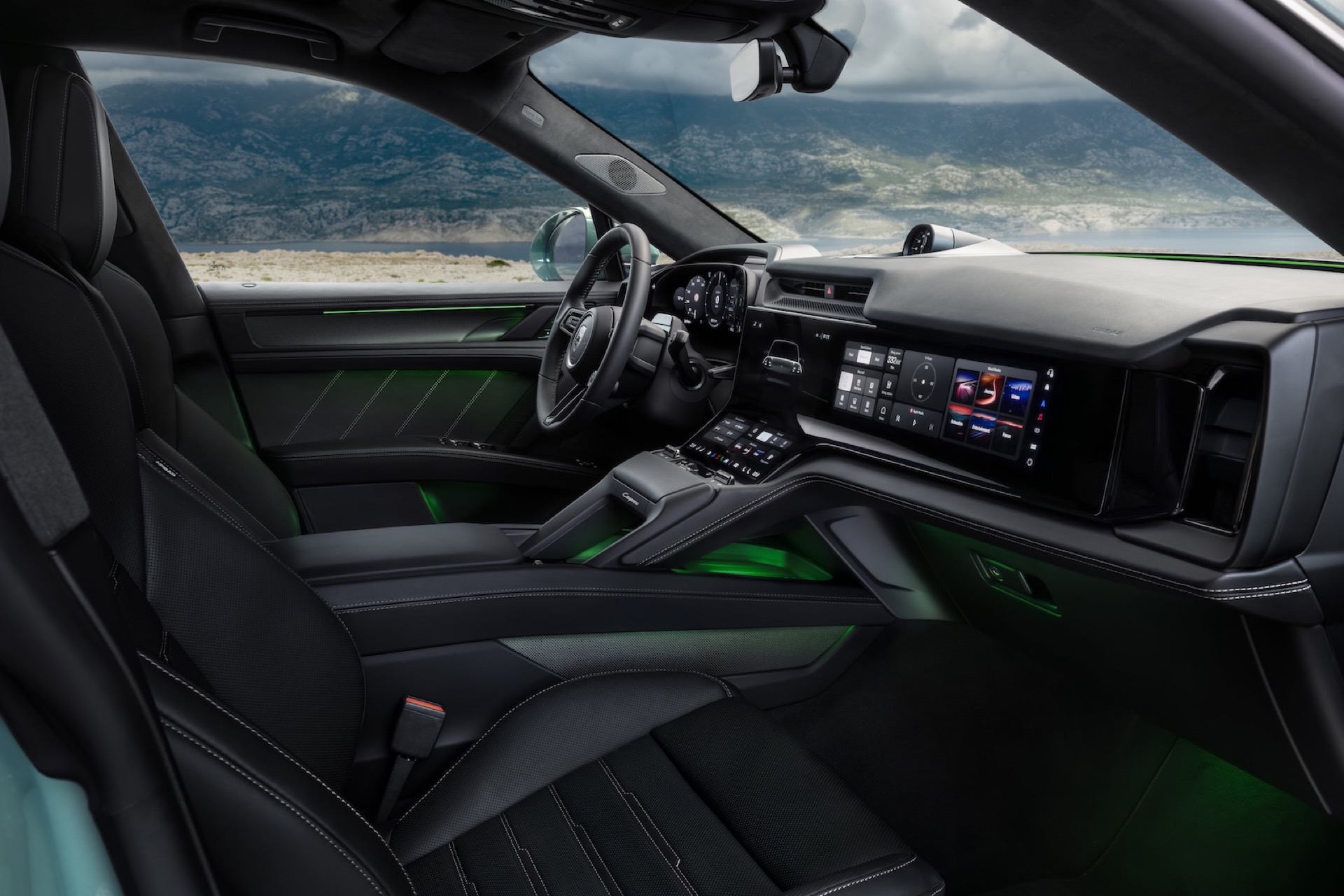
Larger displays inside include a curved central OLED, as well as heated armrests and trim pieces reminiscent of luxury sedans. The trunk holds 781-1,588 liters and is complemented by a 90-liter trunk. The trailer load is up to 3.5 tons. Prices start at 105,200 euros for the Cayenne Electric and 165,500 euros for the Cayenne Electric Turbo. This means that the basic EV is only just above the corresponding petrol engine and the electric turbo is around 20,000 euros below the current Cayenne Turbo E-Hybrid with around 740 hp.