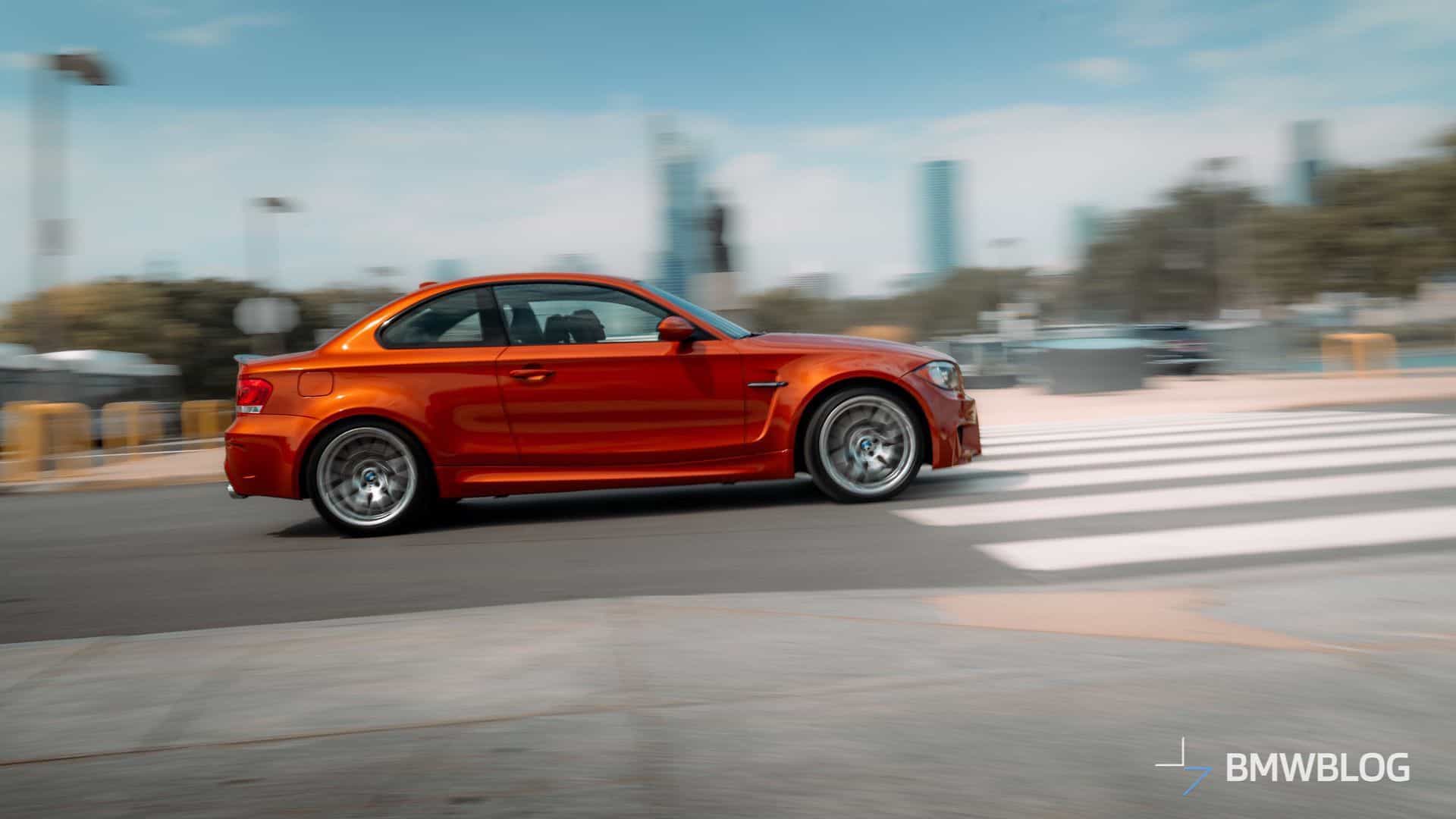
BMW’s history with V8 engines is strangely selective. Some of the brand’s most iconic cars were built with eight cylinders – the E39 M5, the E92 M3, the E38 7 Series and the timeless beauty of the 507 – all relied on V8 power to make their point. But the V8 has never been BMW’s standard performance solution, nor is it what the Bavarian is best known for. BMW earned its reputation with brilliant four-cylinder and inline-six engines – engines with a crisp, mechanical clarity that became part of the brand’s DNA. Looking back, however, it’s hard not to feel that Munich left some great V8 opportunities open, especially in the modern era.
And of course, in the 2000s and 2010s, AMG’s motto was to stuff everything with V8 engines, while BMW played with the scalpel on AMG’s hammer. But a handful of modern Bimmers longed for eight cylinders, and with V8s clearly on time, it’s hard to wish that BMW had built a few more. So which BMWs would have been even better with a V8?
BMW 1M
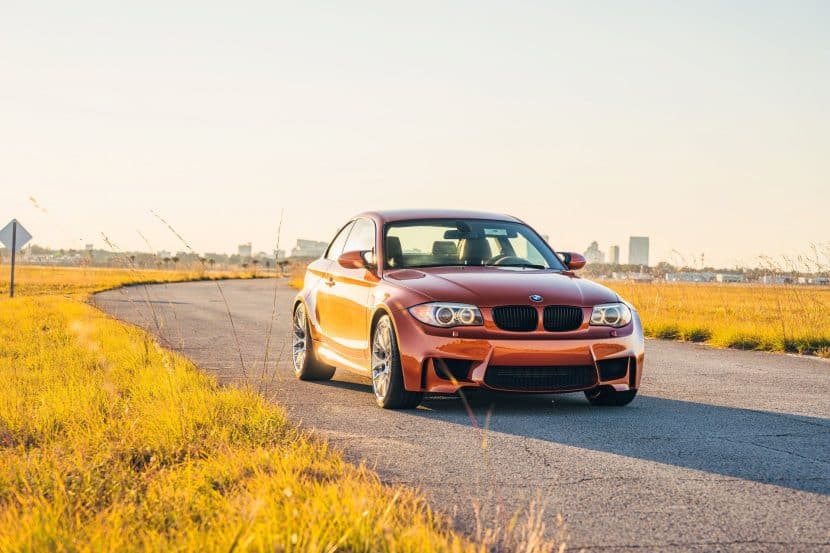
That’s easy. The BMW 1M will always be an enthusiast favorite due to its raucous turbocharged inline-six engine, razor-sharp handling and fierce looks. It was also a bit of an underdog, being manufactured from the M Division spares warehouse and with a non-M Division engine. Despite all this, it is as popular as it is.
However, that doesn’t mean it can’t be better. Several tuners have already recognized the potential of the 1M and stuffed the S65 4.0-liter naturally aspirated V8 engine from the E92 M3 under the hood. It’s a tight fit but works and gives the smallest M car so much more character. Even if you forget the power increase – which is significant, as the S65 made 414 hp, compared to the 1M’s paltry 335 hp – the S65’s 8,250-rpm redline and spine-tingling noise are far superior to the 1M’s standard six-cylinder.
Add that high-revving V8 and killer soundtrack to one of the most fun-to-drive BMWs of modern times and you have the perfect M car. In addition, they would finally give it a real M engine and not just an off-the-shelf N54.
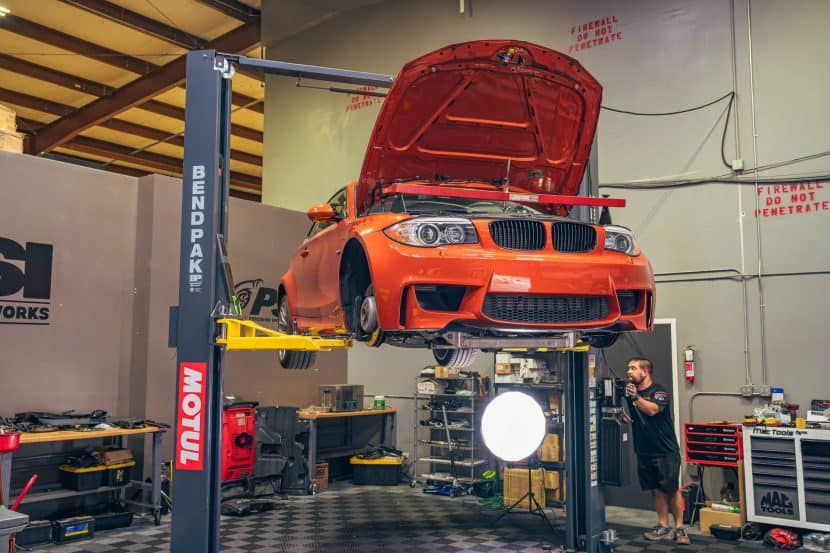
Although several tuners have already built cars like this, don’t expect there to be more of them. BMW only built 6,309 1Ms for customers worldwide, and only for the 2011 model year, making it rare and valuable. A change can reduce this value, especially for something as drastic as an engine swap. So you won’t see as many owners lining up to put another engine under the hood any time soon. Still, for those who do it, it’s a combination of the car gods.
G80 BMW M3
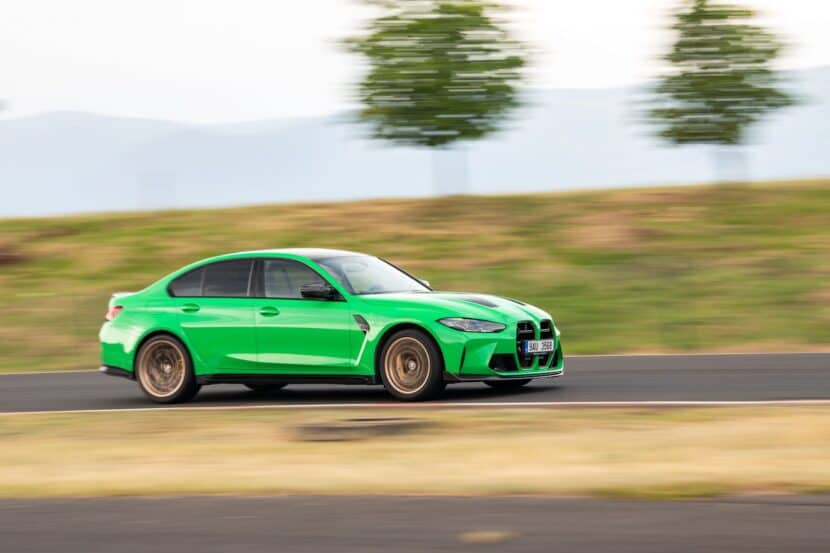
First, let’s say that there’s nothing wrong with the G80 M3 in its current form. Its S55 3.0-liter twin-turbocharged inline-six is a masterpiece of power and capability. BMW claims 523 horsepower in the M3 CS, but it feels even more monstrous. It wouldn’t surprise me if the true performance number started with a “6.” However, it has one flaw: noise. The S55 just doesn’t sound good, even with fancier M Performance exhaust systems. It sounds flat and generic, like it was tuned in Forza. So while the results on the road are exciting, the noise levels are never really impressive.
A V8 would fix that. I’m imagining what BMW’s new S63 engine would look like, and it’s legendary, at least in my head. Powering every big Bimmer from the M5 to the X7, the S63 is a monster of a powerplant. In most applications it produces 617 hp and can do much more. But it’s not necessarily the extra power that I think would make it work so well in the M3, as that car is already quick enough. Instead, it’s the character it would add.
The G80 M3 is not like the old M3s. It’s not a scalpel-sharp sports car that just happens to have back seats. It’s far more brutal, with seemingly endless grip and power. Driving fast in the G80 M3 doesn’t feel like you’re dancing along the pavement, as the best M3 did, but rather like you’re pounding the pavement into submission. So I think a powerful twin-turbo V8 would suit its character much better, especially with all-wheel drive.
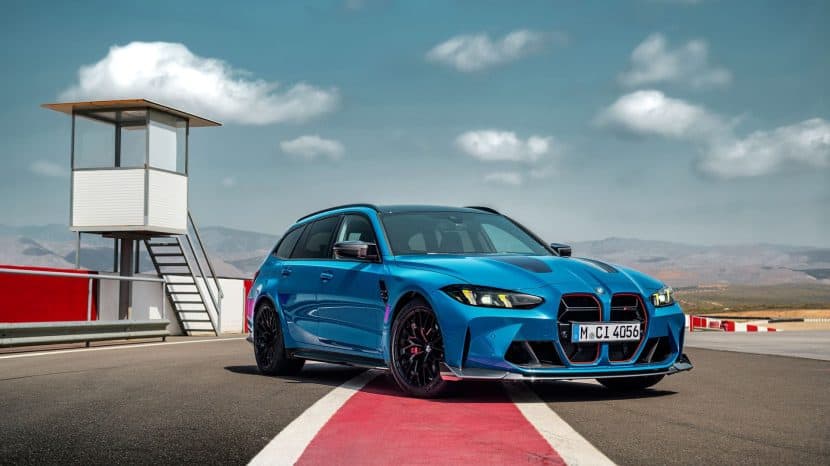
Ironically, when I think of this combination I don’t think of a BMW M product, but of a Mercedes AMG. More specifically, the epic W204 Mercedes C63 AMG. OK, this had AMG’s 6.2-liter naturally aspirated V8 engine, the absolute best engine I’ve ever used, so the M3 wouldn’t be anything special. However, a combination of the agile handling, sharp steering and tenacious grip of the G80 M3 with the power and noise of the S63 would be the stuff of legend. We would be talking about it for decades. Now imagine it like a cart…
BMW i8
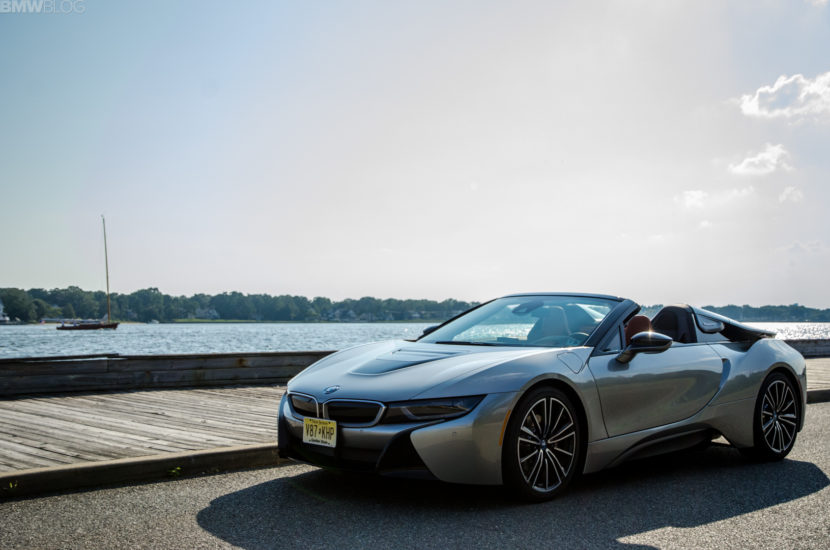
I’ve driven many BMW i8s over the years, and on every single drive I always felt like the hybrid system needed to be replaced with a proper combustion engine. Don’t get me wrong, I love a good hybrid system, I love electric vehicles and the i8’s powertrain was pretty brilliant in its day. But as brilliant as its three-cylinder hybrid all-wheel drive system was, it was the weakest part of the car.
The i8 had a sensational mid-engine chassis, something that BMW fans had their favorite brand build for decades after the legendary M1. Since then they have been begging for BMW too. So it’s a shame that Bayern wasted it on a hybrid that only made 369 hp. OK, thanks to its fairly light curb weight of 1,500 kilograms, it still managed a 0-60 mph time of under four seconds. But it had much more potential.
Instead of a puny turbocharged three-cylinder engine from Mini behind the driver, the BMW i8 should have had the S65 V8. Yes, the S65 was a bit old at that point and probably wouldn’t have met the emissions standards. But if BMW had figured it out, it would have been an absolutely sensational supercar that would go down in the history books. The i8’s chassis was a beautiful carbon fiber chassis and its looks were from another planet. Can you imagine a 414 horsepower, 8,250 rpm roarer powering it? And since the S65 isn’t much longer than the three-cylinder it would replace, it would actually fit quite reasonably. BMW even admitted that it was originally designed for the S85 V10. However, I think the lighter, smaller V8 would have suited the character of the i8 a little better.
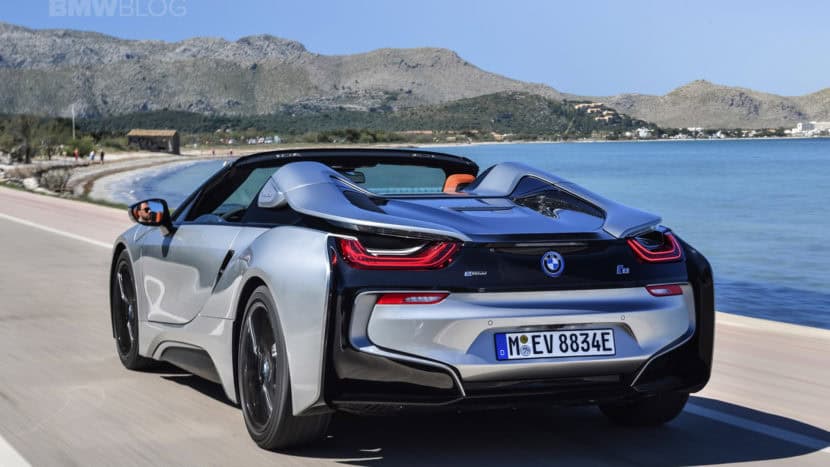
More importantly, it would solve the emissions problem. With the i8, BMW faced the difficult challenge of creating a three-cylinder sound worthy of a six-figure mid-engine supercar. And frankly, it failed. For this reason, it was necessary to resort to tricks with the cabin speakers to make the driver believe that there was something spicier behind his head. What I didn’t know until a recent Hagerty video with Jason Cammisa is that BMW also made a fake exhaust pipe that was essentially a speaker to fool even outsiders into thinking it was more exciting than it was. This is unforgivable and completely tarnishes the i8, at least in my heart. So rip out the mini-engine and bulbous exhaust speaker and install a screaming V8 that can make a serious racket. It would be the modern supercar that fans have always wanted but that BMW never built. Hopefully some creative and adventurous tuner reads this and gets to work.
