
BMW has a global reputation in terms of precision technology, sports handling and state-of-the-art technology-but sometimes the limits are exceeded. Not every BMW meets the brand for long -term reliability. In fact, some models have achieved a notorious reputation for the stranded (and bankruptcy) owners through over -composed designs or the low cooked technology. Here are five BMWs that are best addressed with caution despite their performance potential or their luxurious attractiveness – or a solid BMW guarantee.
1. BMW 550i (F10, 2011–2013) engine: 4.4l Twin-Turbo V8 (N63B44O0)

On paper, the F10 550i looked like a winner: slim, sophisticated and over 400 hp. But under the bonnet, the notorious N63 engine of the first generation-a Twin-Turbo V8 lurked with the habit of devouring its own internal.
The real headache include:
- Timing chain (yes, even less than 60 km))
- Valve strain failure failure (hello, smoke show at the start)
- Turbo heat soak cooking nearby components
- Constant oil consumption even after repairs
- False ignitions, injector errors and battery drainage problems
BMW finally started a “customer care package” that replaced timing chains, valve seals and other problem areas. But even after the fix, many owners report recurring problems. It is a shame because if things go right, it is a phenomenal car – but the chances are not in your favor.
2. BMW 745i / 750i (E65 / E66, 2002–2008) – Motors: N62 V8, N73 V12

The E65 7 series was BMWS Moonshot sedan -packed by futuristic tech, a radical new design and the debut by Idrive. Unfortunately, it was also the figurehead for “just because they can, that doesn’t mean they should.”
Common owner frustrations:
- Glitchy Early Idrive System (sometimes replaced)
- Endless electrical errors: power windows, door handles, comfort access
- Valve stem troubleshooting that leads to smoke and oil loss
- Transmission errors that arrive earlier than expected
The owners often describe the E65 as “technical demo that escape the laboratory”. It may have contributed to forming the future of BMW, but it was the costs of reliability. DIY repairs are almost impossible, and even BMW dealers had to deal with early software errors.
3. BMW X5 XDrive50i (E70 LCI, 2010–2013) engine: 4.4l Twin-Turbo V8 (N63B44O0)

The E70 Facelift brought the new life in the X5 -with more electricity, more technology and unfortunately a familiar catastrophe under the bonnet: the same problematic N63 engine in the F10 550i.
Typical problem list:
- Turbocharger errors through excessive underwater heat
- Timing chain and worn guides
- Air frictional error and transmission case wear
- Electrical gremlins (cameras, sensors, Idrive freezing)
In such a heavy vehicle, the errors of the N63 engine are even more exposed. It is not unusual to hear, as the owners say that in two years they have spent more repairs than the current value of the truck.
4. BMW 335i (E90/E92, 2007–2010) engine: 3.0l twin-turbo i6 (N54)
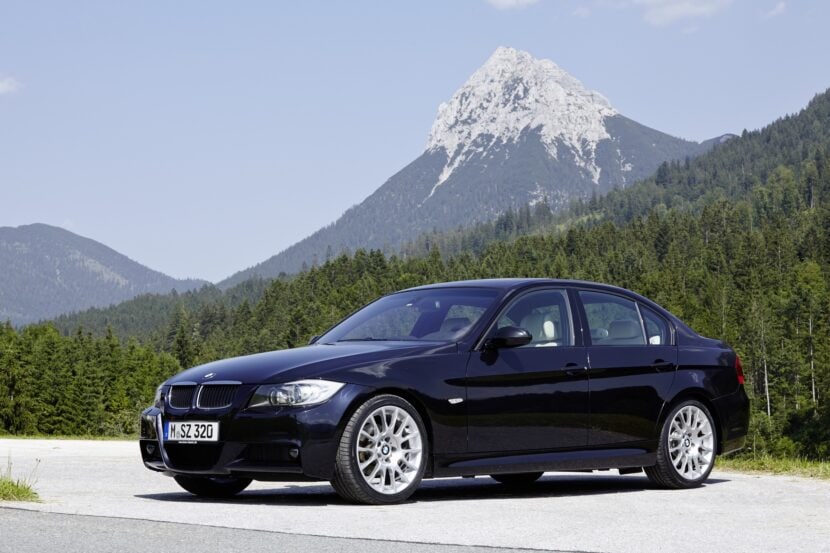
The E90 335i delivered almost M3 performance with space for tuning. However, if you have spent time in BMW forums, you know that the N54 engine is a reliability field field.
Frequent complaints:
- HPFP errors (high-pressure fuel pump) (often several times several times)
- Turbo Wastegate Rassel and increase of the loss
- Needs injectors and carbon build -up on inlet valves
- Cooling system components that hardly survive the guarantee
Enthusiasts love the tuning potential of the N54 – but it’s not about whether something fails, it is when. Budget for walnut blades, injector replacement and a lot of preventive maintenance.
5. BMW M5 (E60, 2006–2010) – Motor: 5.0L V10 (S85)

The E60 M5 is one of the most exciting cars ever built BMW. With a screaming 8,250 rpm V10 and 500 hp, it was a real technical shop window. Unfortunately, the maintenance bill was also.
Known weaknesses:
- Stage bearing wear (a ticking time bomb without replacement)
- SMG III Gearbox: Brillant, if it works, is annoyed if it doesn’t
- Errors of throttle valves that trigger the SIMP mode
- Vanos magnetic and oil pressure problems
The S85 engine is essentially a late F1 engine with no racing team support. If you do not change the oil religiously, replace pole bearings proactively and drive it as if you were in time, now, you are likely.
Many of the unreliable BMWs come from epochs of quick innovations. The models of 550i, E60 M5 and early N63 offer an incredible driving dynamics but it can be a recipe for frustration, but to have one without a deep repair fund (or a second car). If you consider one of these vehicles, not only check the Carfax -examine the forums, look for Full service records and make sure that the known main problems have already been tackled.
