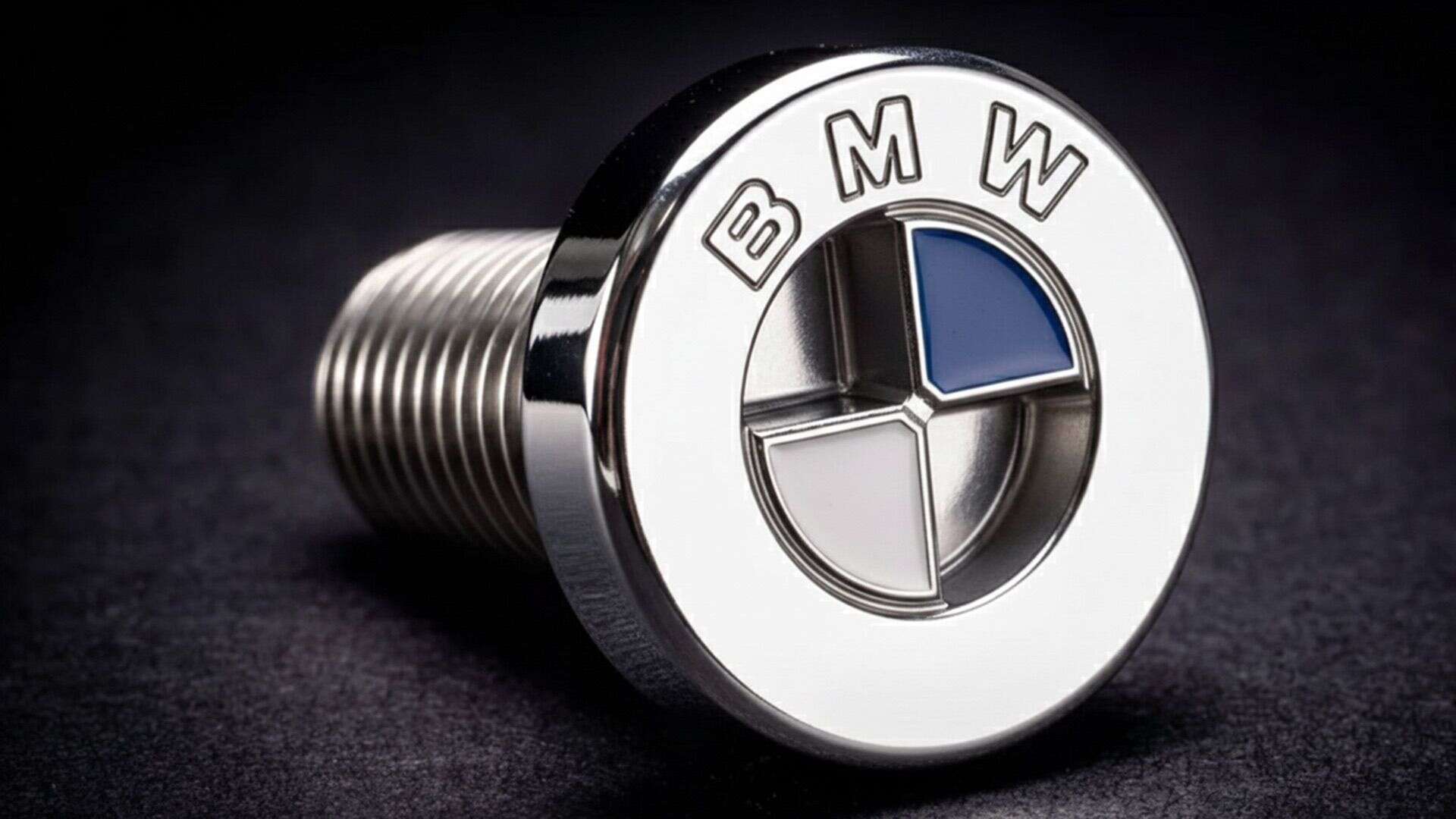
BMW is not afraid to set new standards in terms of design, technology and engineering. Therefore, it is not surprising that a new patent has surprised everyone. This new patent filed by WIPO shows a closure concept that is clever, distinctively branded, and seemingly designed to make easy access more exclusive than is sometimes necessary.
The schematics show BMW experimenting with proprietary screw heads modeled after the company’s rondel. Rather than relying on familiar torx or hex pieces, the design utilizes a circular head divided into four quadrants, reflecting the emblem’s layout and quadrant details. The patent shows four different head types, including socket, flat and round head variants, all featuring the same geometry inspired by the logo.
Functionally, the concept relies on an unusual engagement pattern. Two quadrants are recessed, while the remaining sections are either flat or elevated. This combination would likely require a matching, custom-made screwdriver – meaning normal tools wouldn’t grip properly. BMW even stamps its logo around the outer ring, leaving little doubt about the origin of the closure or the intention behind it. From an aesthetic perspective, it fits with BMW’s long-standing habit of highlighting details, even on parts that would normally be out of sight.
Where could the screws be used?
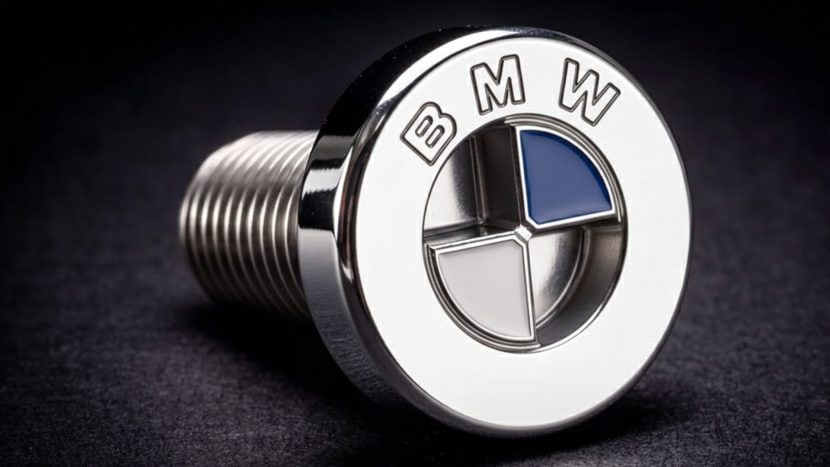
The bigger issue is where BMW suggests using these screws. According to the patent, the fasteners are intended for structural and semi-structural applications, including seat fasteners and areas where the interior is connected to the vehicle body. These are high torque locations that already require appropriate equipment and correct procedures. Adding a proprietary head design doesn’t make these jobs safer or clearer for owners – it just limits who can realistically do them without investing in BMW-specific tools.
And this limitation is no coincidence. BMW’s stated goal is to prevent unauthorized persons from tightening or loosening with common tools. In practice, this means that owners, independent repair shops and smaller workshops may be left out if they do not purchase specialist equipment. Even routine work could result in visits to the dealer, not because the work is inherently complex, but because the fastener itself becomes the gatekeeper.
Will it go into series?
It’s also worth remembering what it is – and what it isn’t. These screws are patented drawings, not production parts. Car manufacturers file numerous patents that never go beyond the sketchbook. In this case, the drafts were submitted on June 7, 2024 and published on December 11, 2025. For now, they remain a concept on paper.
[Via Autoblog]
