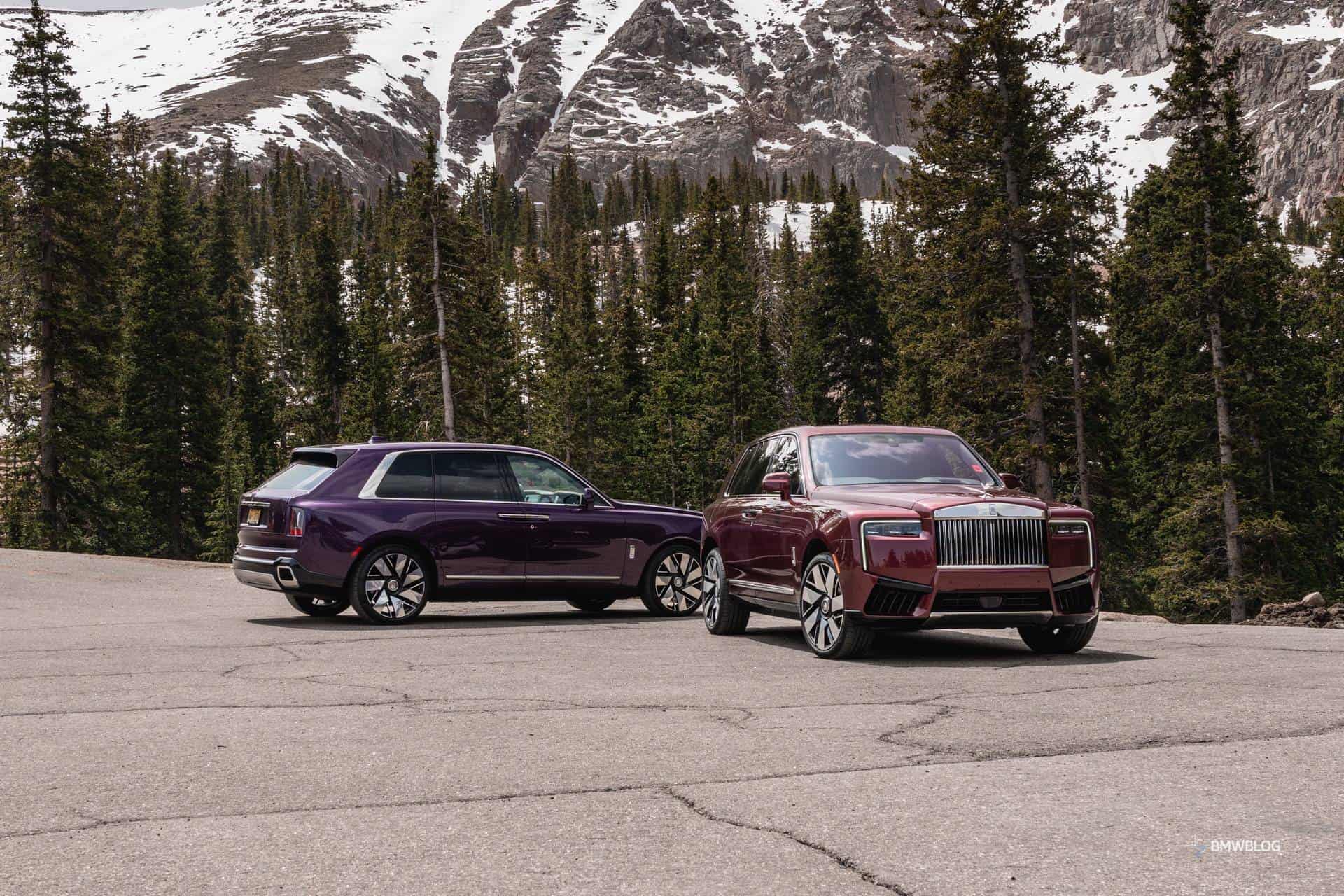
For a while, Rolls-Royce made the roadmap sound simple: drive completely electrically without exception by 2030. This clarity was important because it portrayed Specter as the first step of a straightforward plan rather than an isolated incident. That was in 2023. But lately, the messages from across the BMW Group have felt less clear in the way they are interpreted and repeated – less “This is settled” and more “This is the direction… depending on how the market and regulations develop.”
This change, subtle as it is, makes the next product decision even more important. If Rolls-Royce wants to keep the electric story credible, it can’t just be a coupe. It needs to be shown that the plan works where the brand actually makes its modern money and volume: SUVs.
Cullinan – A success story
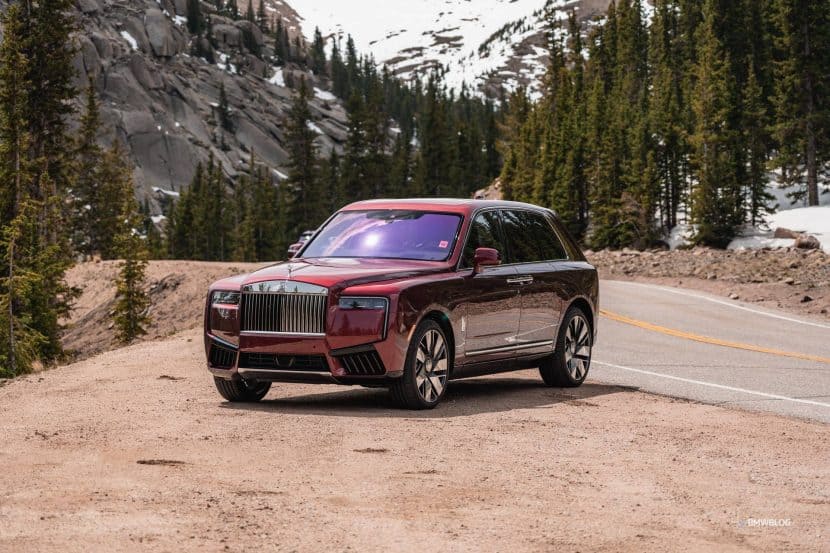
The Cullinan is still the focus. It’s the Rolls-Royce that people choose when they want a car that can do it all – chauffeured duty, long trips, city life, bad roads, snow, you name it. In other words, it’s not just popular; It is the model that best reflects what today’s Rolls buyer values: ease of use and flexibility. If Rolls goes electric but leaves the SUV part vague, most of its own customer reality remains unresolved.
Specter, on the other hand, proved to be something just as practical. Electric cars aren’t hard to sell at this end of the market. For the typical Rolls owner, the lack of engine noise isn’t a disadvantage – it’s almost the point. These cars are already designed to feel independent of mechanical effort. They are based on silence, consistent torque and isolation. Specter simply delivered these characteristics without the need to disguise a combustion powertrain. Early demand told Rolls what it needed to know: The buyer base isn’t fundamentally opposed to electric vehicles.
A future electric Rolls-Royce crossover?

So when people in the industry keep coming back to an electric Rolls-Royce SUV – especially after the Automotive News rumor earlier this year – it’s not because it sounds trendy. That’s because it’s the obvious missing link between what Rolls claims to be and what its customers actually buy.
A dedicated EV SUV platform would also give Rolls-Royce something it can’t fully get by adapting an existing architecture: packaging freedom. That means more rear legroom without pushing the roofline into awkward proportions, a cleaner, flat-floored cabin and more usable cargo space. These are not marketing brochures; They’re the everyday reasons why SUV buyers continue to buy SUVs, especially in the ultra-luxury class where the back seat is just as important as the driver’s seat.
Range shouldn’t be a problem
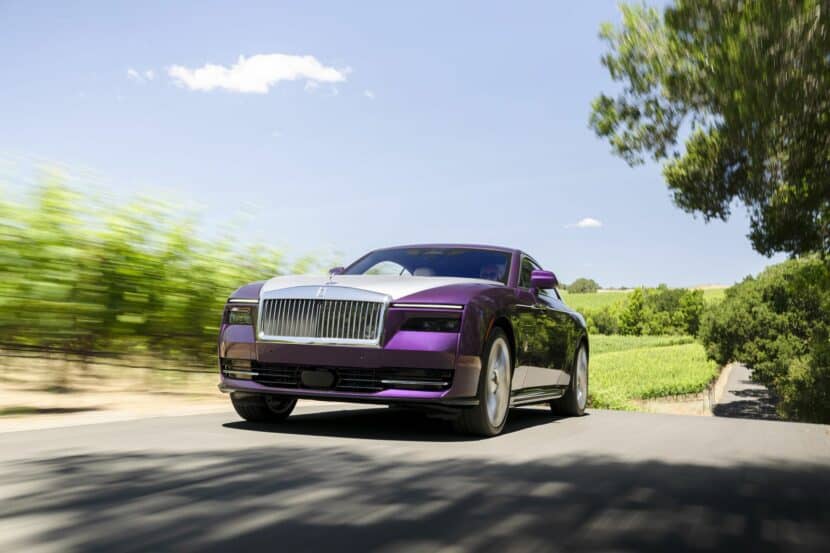
And honestly, the reach conversation shouldn’t be the headline here. A large, heavy and expensive SUV can accommodate a large battery. As Rolls taps into the next generation of BMW Group EV technology – New Class-era Gen6 batteries and motors – the efficiency improvements alone make the idea of 400-plus miles EPA and huge WLTP numbers seem more realistic than optimistic. More importantly, Rolls-Royce owners don’t handle charging the way normal people do. If you’re writing a check for a Rolls, which can easily fetch around half a million dollars if Bespoke is involved, you’re also the kind of person who can make charging a background task – whether at home, in the office, or done by co-workers.
The benefit more relevant to Rolls is how this new technology could change the way the car feels while driving. Specter’s regeneration tuning is already strong, because Rolls knows that the smoothness of braking is what defines the brand’s reputation on the move. The New Class control systems go a step further and focus on how the car combines recuperation and friction braking, how it moves in traffic and how it reacts without abruptness. If BMW’s “Heart of Joy” approach delivers what it promises – tighter integration and quicker control over the vehicle’s core dynamics – then a Rolls-Royce EV SUV could end up producing even more of a “Rolls” feel than the current cars, simply because the powertrain and chassis can be managed with fewer compromises and less noticeable handoffs.
If the promise of being a fully electric vehicle by the end of the decade is now seen as less certain – whether due to regulatory changes, market demand or strategic flexibility – then the electric SUV will in any case become proof of it. Build it, and Rolls shows it can electrify the type of model its customers actually live with. Failing to build it looks like the electric car plan could stall on the easiest body style to electrify: a low-volume halo coupe.
At the moment, these are all assumptions on the part of the media, but we expect to know more about the brand’s future plans in 2026.
