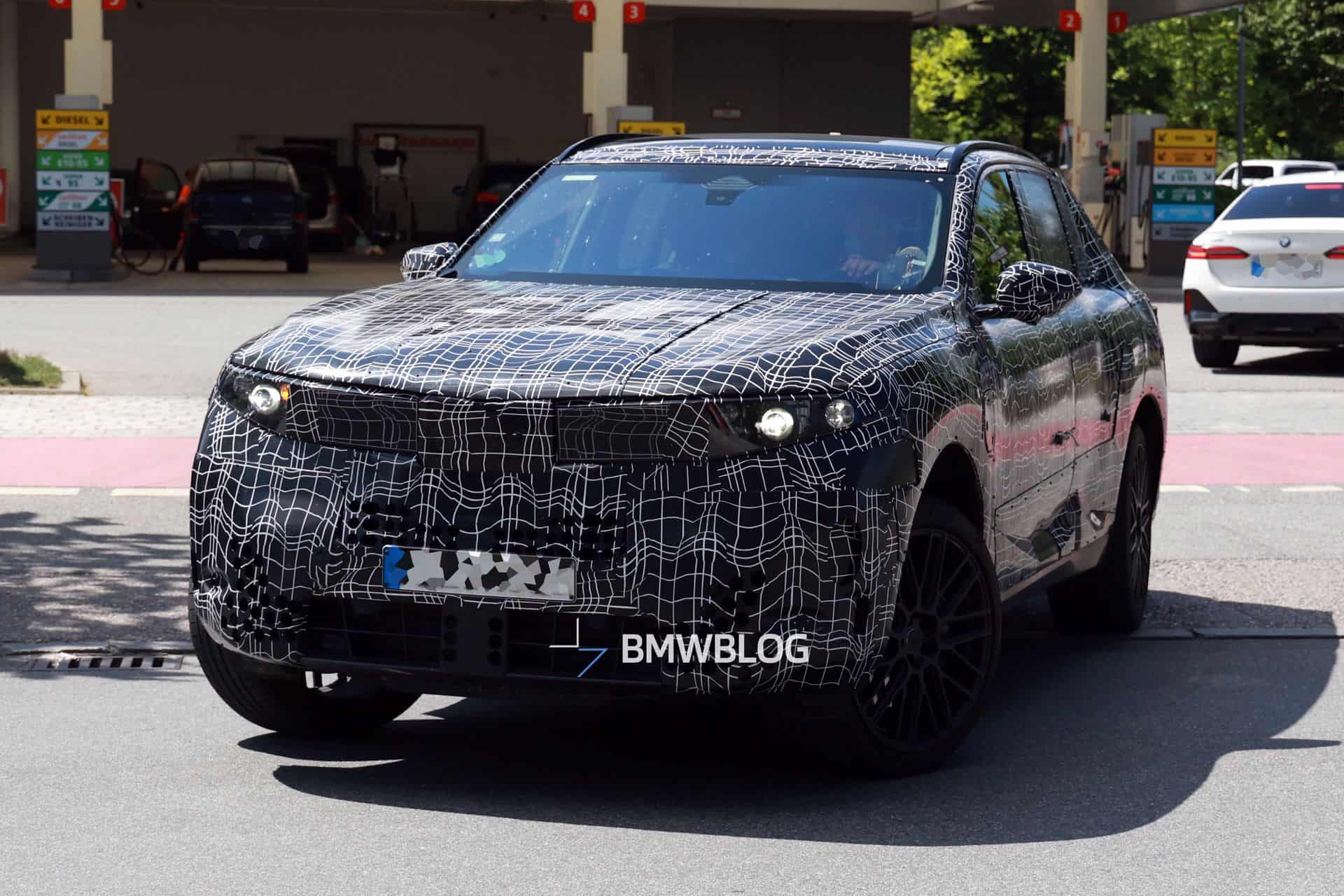
BMW has been working with electric vehicles for more than half a century. The journey began with two 1602 limousines converted for electric operation at the 1972 Olympics. The first production model came many decades later when the i3 was launched in 2013. While the city car was primarily an electric vehicle, it was also offered with a range extender that used a small internal combustion engine to charge the battery.
Many electric vehicles have followed suit since this quirky hatchback made a splash over a decade ago. They all have one thing in common: platforms that are also used to varying degrees by vehicles with combustion engines. The polarizing iX is also closely linked to the CLAR architecture. The second-generation iX3 breaks this pattern and is the first BMW based on a platform designed exclusively for electric vehicles.
The upcoming i3 sedan, which launches in a few months, will ride on the same underpinnings as the iX3. However, this does not mean that all future electric cars from Munich will switch to dedicated platforms. In an interview with Car Motor and SportBMW chief technology officer Joachim Post explained that larger electric models will continue to share architecture with their gasoline-powered counterparts.
The reason is the cost. According to Post, BMW could justify investing in a pure electric platform for the iX3 and i3 since they are expected to be high-volume models. Larger vehicles are sold in smaller quantities due to their higher prices. Therefore, future electric vehicles based on the next-generation X5 and X7 will stick with the proven CLAR platform.
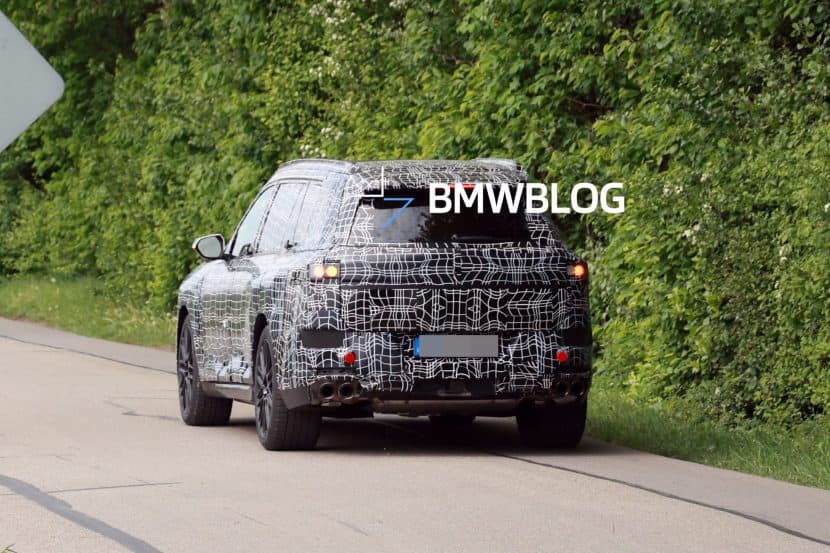
The first iX6 and the supposedly rugged SUV are also expected to use the same multi-energy architecture. While packaging compromises often come with electric vehicles based on internal combustion engine platforms, Post is confident that BMW can continue to deliver “uncompromised electric vehicles.”
According to the CTO, the CLAR platform is not going anywhere. The reason is simple: BMW expects internal combustion engines to remain in production well into the 2030s and possibly beyond. The next model to use the cluster architecture will be the eighth-generation 3 Series. The “G50” is scheduled to come onto the market later this year, then we will also see the new X5 “G65”.
It remains unclear whether electric vehicles smaller than the iX3 and i3 will receive the full Neue Klasse treatment. The next-generation iX1 has already been spotted, and an i1 hatchback and i2 sedan are reportedly due to arrive later this decade. Given the lower prices, volumes could be large enough to justify a dedicated platform.
However, lower profit margins in the compact segment make it difficult to rationalize a tailored EV architecture. It will be interesting to see which path BMW takes, but one thing is certain: there will be no change to the dual strategy of offering both combustion engine and electric vehicle models across almost the entire product range.
Source: Auto Motor und Sport
