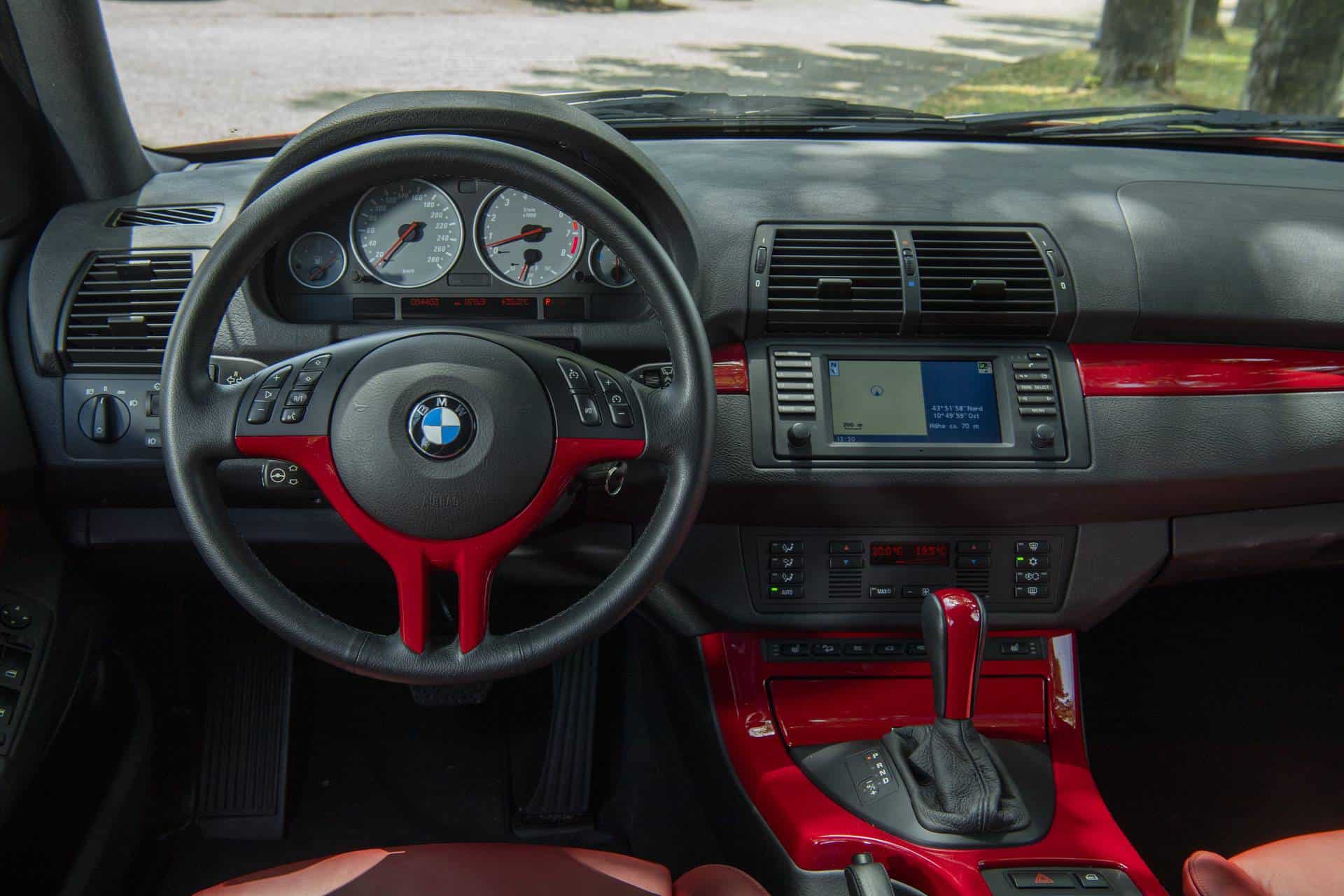
BMW has issued a new safety recall for early production E53 X5 models after discovering that some vehicles may have received Takata PSDI-4 airbag inflators as replacement parts. The campaign, filed as NHTSA 25V748000, includes 5,361 units from the 2000 and 2001 model years. All potentially affected vehicles were built between February 19, 1999 and March 31, 2000.
The recall applies to:
- 2000-2001 BMW X5 3.0i
- 2000-2001 BMW X5 4.4i
BMW’s documentation states that these X5s did not originally leave the factory with Takata inflators containing ammonium nitrate. Rather, the risk comes from replacement airbag modules in the sports steering wheel, which may have been installed as part of service work more than two decades ago. These modules could include a PSDI-4 inflator, the same type used in many previous Takata recalls.
The problem is now known. Over time, under conditions of high humidity, heat, and repeated temperature fluctuations, the gas generator fuel may deteriorate. If the airbag is deployed, the casing can burst and throw metal shards into the passenger compartment. This is the same failure mode that led to the global Takata crisis, and the same concern applies here: a crack in the inflator can result in serious injury or death.

Takata’s internal testing, referenced in the recall request, shows age-related changes in the inflator’s characteristics. Combined with environmental impact and normal manufacturing fluctuations, the risk is so high that BMW and NHTSA are expanding the previous campaign (19V015) to include these additional vehicles.
BMW checks the driver’s airbag and replaces it if a PSDI-4 inflator is present. The repair is free. Owner notification letters are scheduled for December 23, 2025, and VIN numbers will be searchable on NHTSA.gov the same day. If you have any questions, owners can contact BMW customer service at 1-800-525-7417.
For anyone driving an early X5 – especially one equipped with a sports steering wheel – this is worth considering. Many of these vehicles have a long operating history and not every replacement part installed in the early 2000s is well documented. Once the VIN lookup goes live, owners should confirm whether their vehicle is part of the extended recall.
