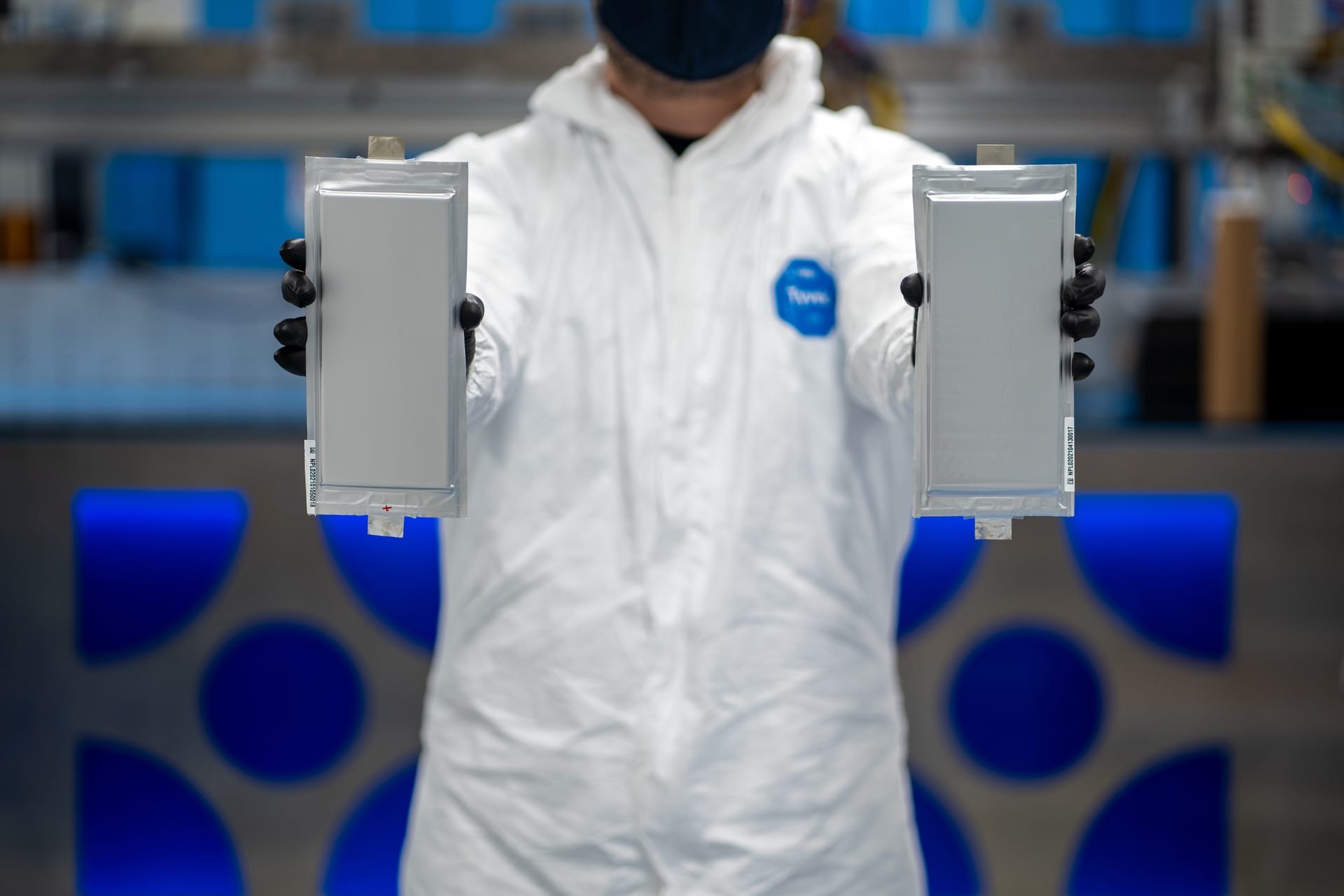
Solid-state batteries have been on BMW’s radar for years, but the next phase is now getting even more serious. Colorado-based Solid Power has announced a new collaboration with Samsung SDI and BMW to develop and validate a demonstration vehicle powered by All Solid State Battery (ASSB) technology.
It’s a clear signal that BMW’s long-term next-generation battery project is entering a more practical phase, involving real test vehicles rather than laboratory samples.
Building on years of work
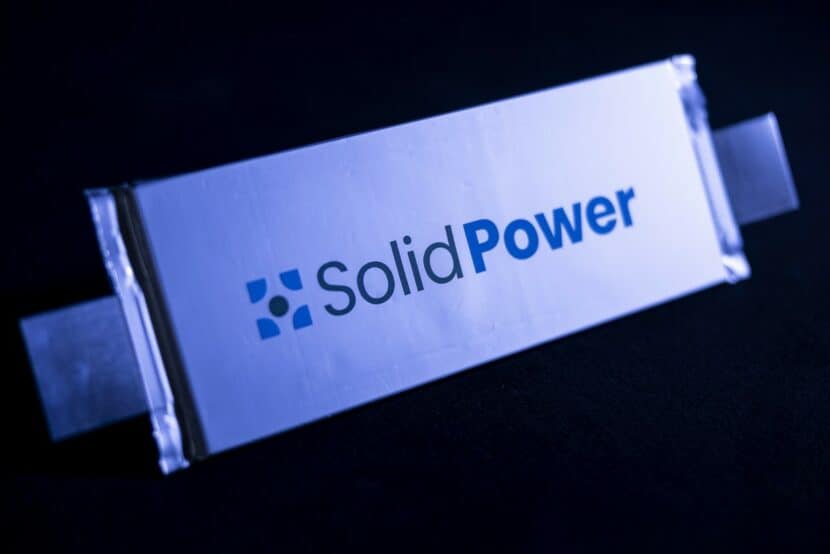
We’ve followed BMW’s solid-state efforts since the beginning. The partnership with Solid Power dates back to 2017 when they signed their first agreement. In 2021, BMW received its first prototype cells for testing. These early cells ended up at the company’s Cell Manufacturing Competence Center (CMCC) near Munich – a facility built specifically to develop future cell formats and manufacturing methods.
By the end of 2023, BMW had received its first “A-pattern” solid-state cells, and earlier this year a BMW i7 prototype was reportedly tested in Munich with Solid Power’s sulfide-based electrolyte. This latest announcement adds Samsung SDI – an important step towards scaling the technology.
Under the new agreement, Solid Power will supply its sulfide-based solid electrolyte to Samsung SDI, which will build and test complete cells from the material. These cells are then evaluated by BMW and Samsung based on agreed performance targets. The end goal is a demonstration vehicle equipped with solid-state cells.
The state of the solid
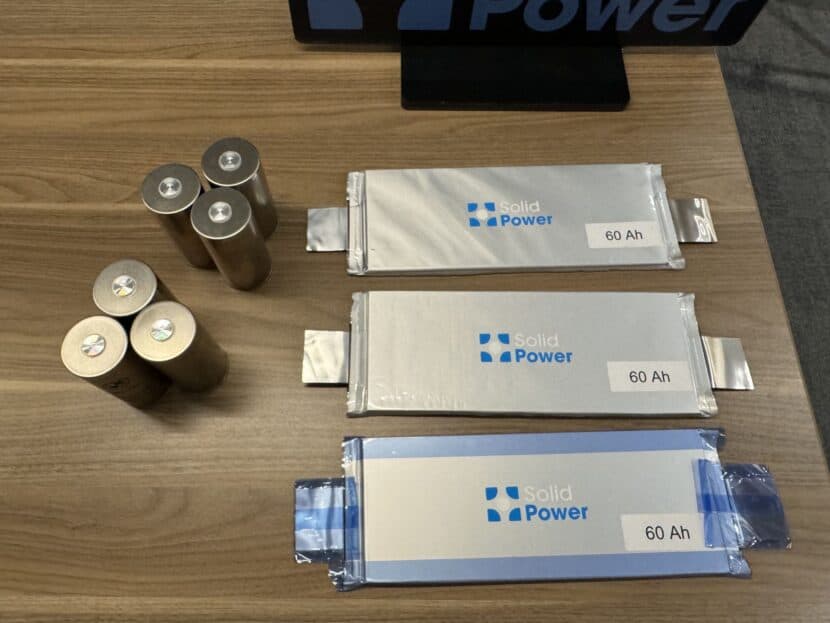
Solid-state batteries replace the liquid electrolytes of today’s lithium-ion batteries with solid materials and promise better energy density, more safety and a longer service life. They can run cooler, store more energy in less space and reduce the risk of fire – all important benefits for electric vehicle technology.
However, cost remains the biggest hurdle. BMW executives have said solid-state cells won’t make their way into production cars until around 2030, when the technology becomes more affordable and scalable. For now, BMW’s plan is to prove that the chemistry works in real vehicles, while continuing to refine the Gen6 round cell technology for upcoming new-class models.
The partnership also supports Solid Power’s broader strategy: supplying its electrolyte material to Tier 1 manufacturers and automakers, rather than competing directly in cell production.
In the case of BMW, it is not just a scientific project. The company has already built its infrastructure – including the Parsdorf CMCC – to be ready when the technology matures. Solid-state is the logical next step after lithium-ion, but it’s not a night shift. It is a long process that BMW, Samsung SDI and Solid Power are now bringing from the laboratory to the road.
