
BMW is the first German car manufacturer to receive certification in accordance with the United Nations’ new DCAS regulation, a framework that sets international standards for driver assistance systems from level 2 onwards. DCAS – short for Driver Control Assistance Systems – is based on UN Regulation No. 171 and sets strict safety and performance criteria for systems that handle both steering and acceleration while assuming the responsibility of the driver.
The certification covers the latest functions of BMW’s highway and city assistant, which will be used for the first time in the upcoming models of the new class, starting with the BMW iX3 (NA5).
A step beyond the 5 system
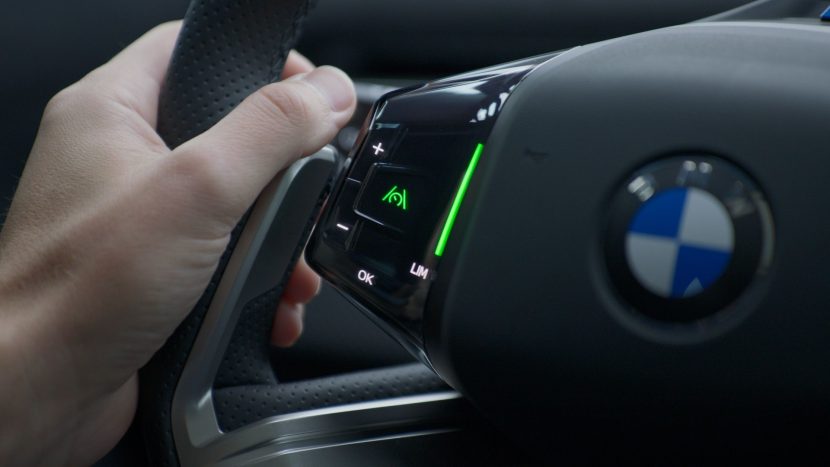
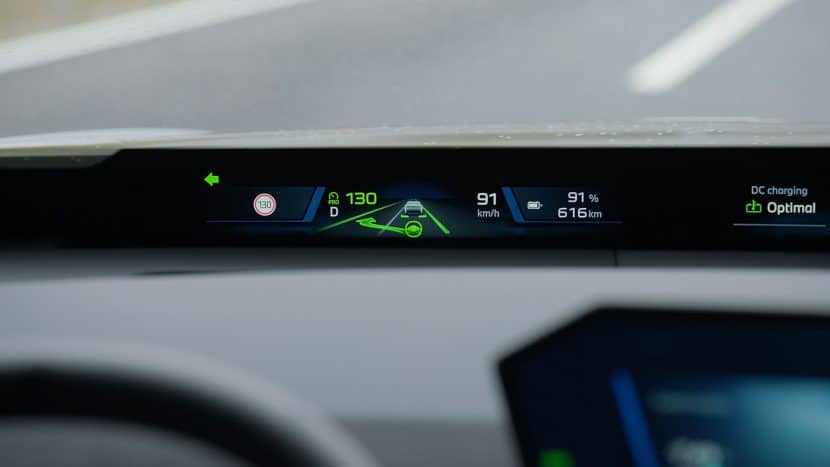
The current highway assistant from BMW first appeared in the 5 Series (G60) in 2023 and enables contactless driving on approved roads at speeds of up to 130 km/h. The system maintained lane position, managed acceleration and suggested lane changes, confirmed by looking in the side mirror.
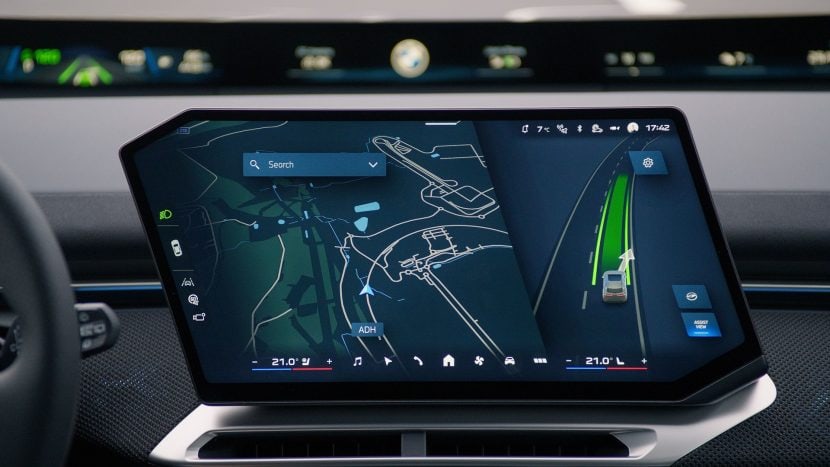
In the New Class generation, technology takes a significant step forward. With active route guidance, the assistant can now manage motorway intersections and exits and proactively recommend a lane change to the right lane and the corresponding exit. A quick look in the mirror still serves as confirmation.
Smarter in the city
The new City Assistant extends these capabilities to city driving. The car can automatically stop at red lights and start again when they turn green without user input. Additional features – particularly for complex intersections and mixed traffic – will be introduced through over-the-air updates as the system evolves. We had the opportunity to test these new features in a BMW iX3 prototype a few months ago. You can watch this video below:
“Symbiotic Drive”: BMW says this is a new philosophy
BMW calls the technology philosophy behind these systems Symbiotic Drive – a term intended to describe the collaboration between man and machine rather than replacement. The idea is simple: the driver remains in control, but the vehicle understands subtle corrections.
If the driver lightly presses the brake or nudges the steering wheel while the assistance is active, the system does not switch off. Instead, it interprets the action as a short input and resumes operation as soon as the driver eases up. This approach ensures a smooth process and avoids unnecessary reactivations.
Dr. Mihiar Ayoubi, Senior Vice President for Driving Experience Development, summed it up: “The safety-oriented DCAS regulation ensures that we can introduce our highway assistant with hands-off function in many more countries. Our goal is a perfect interaction of rule-based algorithms and artificial intelligence – the driver remains involved and the behavior of the system is always predictable.”
What the certification means
Under the previous framework, BMW required individual national exemptions to sell its hands-off system in certain markets. With DCAS approval, these exceptions are no longer required. This paves the way for rollout across Europe and other regions that recognize UN Regulation 171.
The upcoming iX3 will be the first to be certified under the new regulations with both Highway and City Assist. Further new class models – including the i3 (NA0) – will follow before 2027.
Symbiotic steering and braking
BMW also introduces symbiotic steering and, for the first time, symbiotic braking. This allows the driver to influence the vehicle’s behavior at any time and gently adjust the speed or direction without deactivating the support. The system remains active, combining human input with computer control. The company has filed over two dozen patents related to these technologies.
With DCAS certification secured, BMW can now offer its improved highway and city assistants in large parts of Europe without any further regulatory hurdles. For drivers, this means longer stretches of hands-free driving under careful supervision and a more natural partnership between driver and vehicle.
