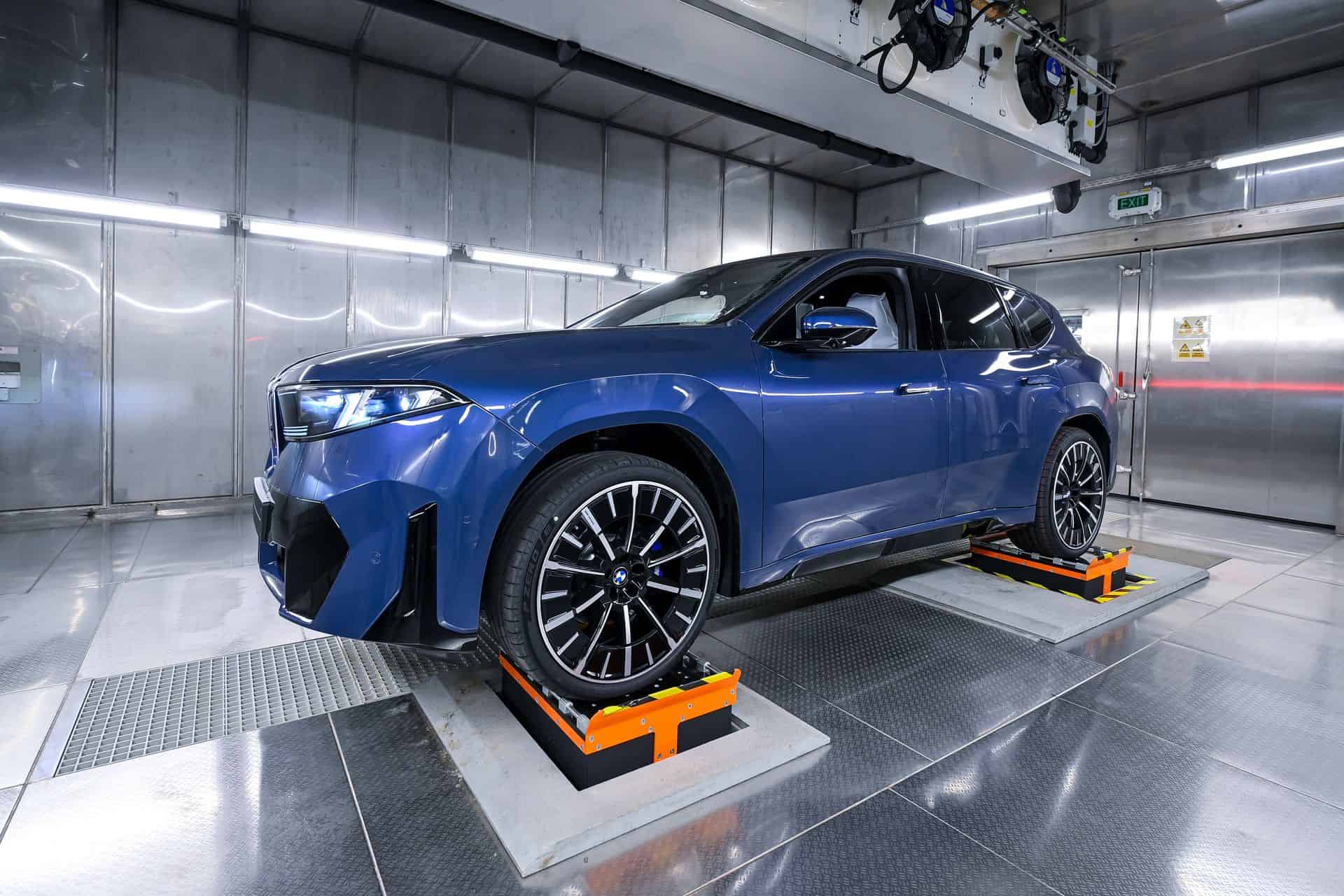
BMW laid the foundation stone at the Debrecen plant in June 2022. A little more than three years later, the iX3 is already rolling off the assembly line. Series production began last month and once fully ramped up, the factory will build up to 150,000 vehicles annually. To show where all the magic happens, a new video takes a behind-the-scenes look at the Hungarian website.
As you would expect from a state-of-the-art facility, the iX3 is assembled by an army of robots working alongside a team of highly trained specialists. BMW’s first factory in Central Europe has almost 1,000 industrial robots in body construction alone. As for the workforce, the company says it has created more than 2,000 direct jobs at the site.
Together, robots and humans can build up to 30 vehicles per hour, all of them the iX3 50 xDrive. This is followed by cheaper and more expensive variants, starting with the “40” versions with all- and rear-wheel drive through to M Performance and full M models. The hotter examples are likely to be offered exclusively with xDrive, with the flagship M potentially producing up to 800 hp.
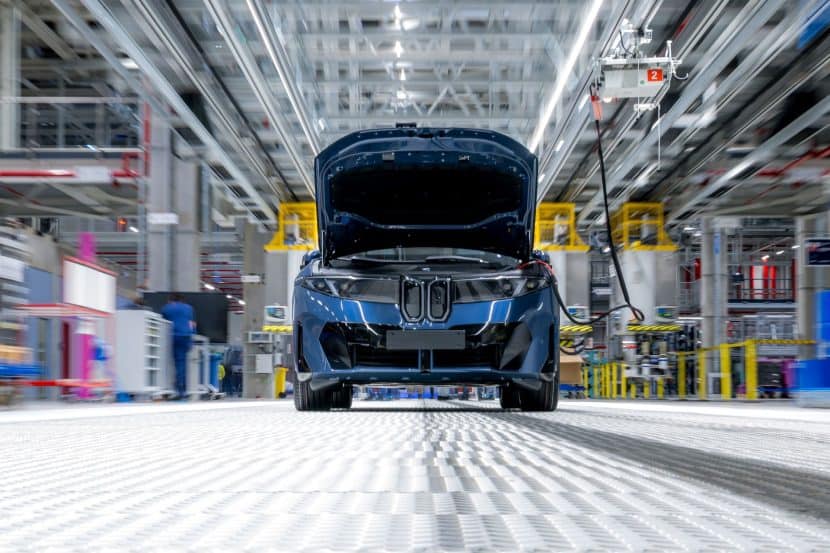
Looking ahead, it is unlikely that Debrecen will remain a one-model factory for long. It would make sense to produce the recently discovered iX4 at the same location, as it’s essentially the same vehicle with a steeper roofline.
Although Debrecen currently has exclusive rights to iX3 production, that will soon change. BMW has already announced a long wheelbase version for China, which will be built at the Shenyang plant from mid-2026. In addition, it is widely expected that the New Class vehicle planned in San Luis Potosí from 2027 will be the standard wheelbase iX3.
To better understand BMW’s production footprint, it is worth noting that the company operates no fewer than 33 production and assembly plants worldwide. The most productive location last year was Spartanburg, South Carolina, with 396,117 vehicles. Dadong in China followed with 343,973 units, just ahead of Regensburg, Germany, with 342,521. Debrecen was, as expected, last on the list, with only 92 vehicles, all pre-production prototypes.
