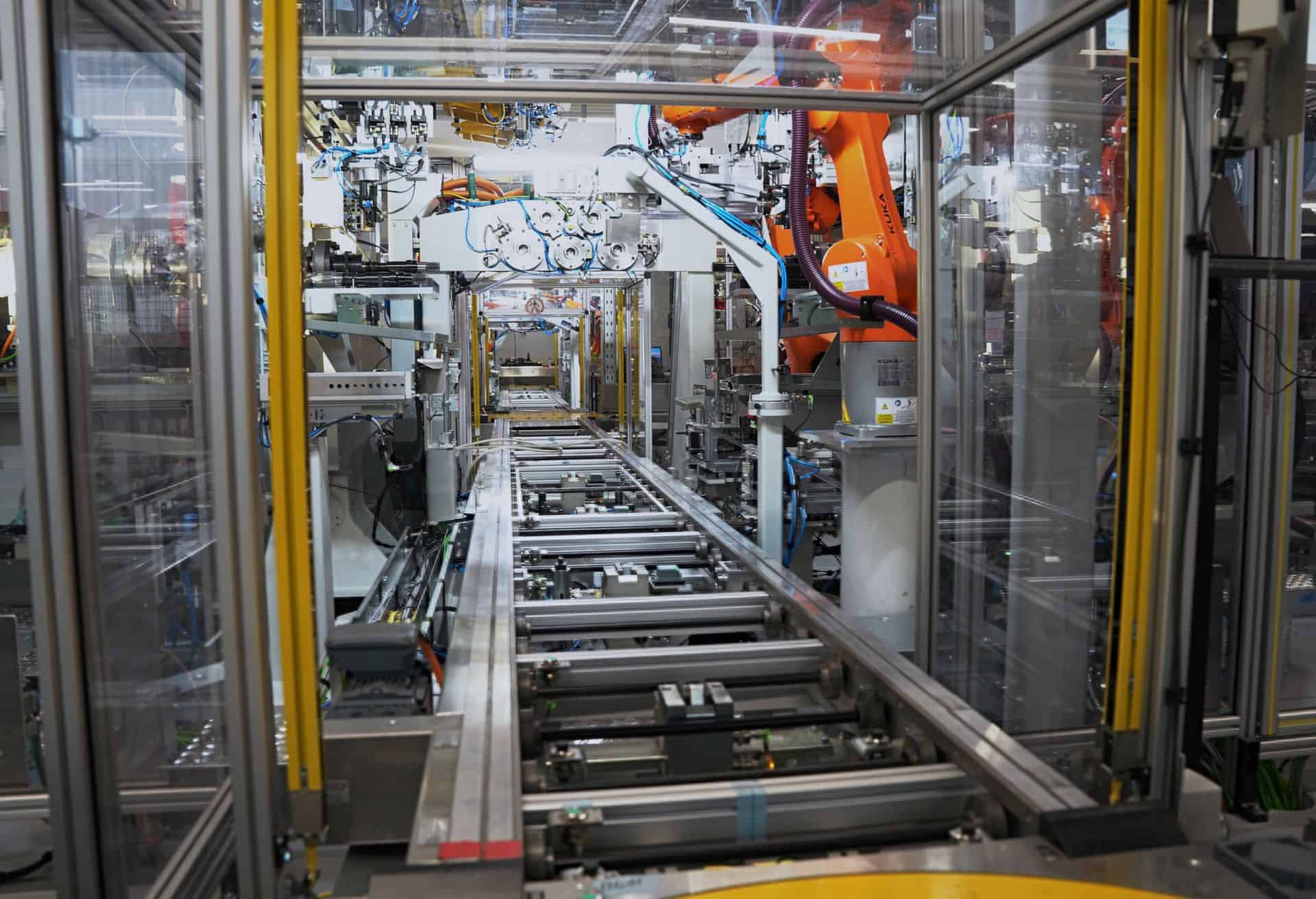
The BMW engine plant in Steyr, Austria, has officially entered the next phase of its transition to electrification. After starting series production of the iX3 electric motor (NA5) at the beginning of the year, the factory has now started pre-series production on a second assembly line for new high-performance electric motors.
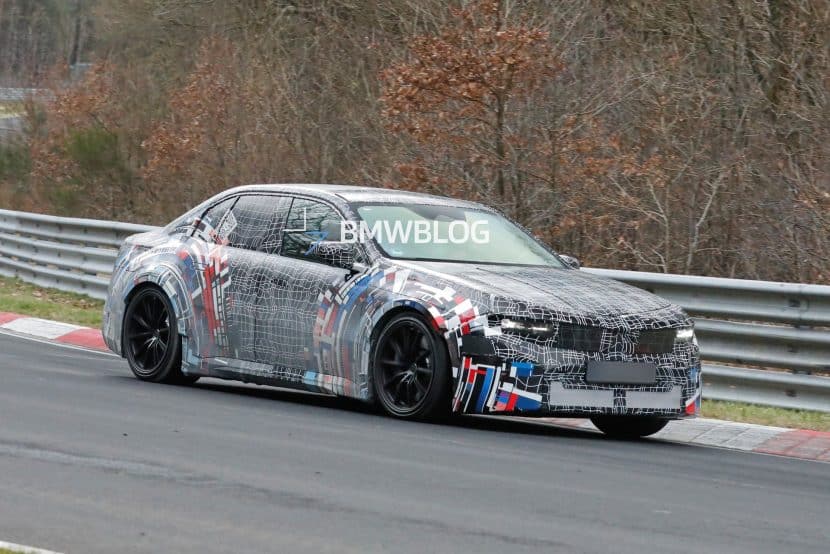
The company’s press release refrains from naming a future model, but the timing and details leave little doubt. This new powertrain is almost certainly destined for the first electric BMW M3 (ZA0) – the car that will mark BMW M’s full entry into the high-performance electric vehicle segment. An X3 M (ZA5) is expected to follow with a similar setup.
The second line: Designed for performance and flexibility
The new line in Steyr creates the basis for several electric powertrains, including M-specific systems. “The second line for the production of electric motors not only increases capacity, but also offers greater flexibility in drive variants,” said plant manager Klaus von Moltke. “What has long been standard for combustion engines now also applies to electromobility.”
The line works alongside the one that already produces engines for the iX3 and upcoming Neue Klasse models. This dual-line structure allows BMW to simultaneously build standard and performance-oriented electric motors – an essential step in preparing M for electromobility.
At the end of October, BMW produced its first high-performance electric motor on the new line. The company confirmed that this engine is already undergoing prototype testing, which focuses on responsiveness, agility and precision, rather than just raw power.
Quad engines for the electric M3
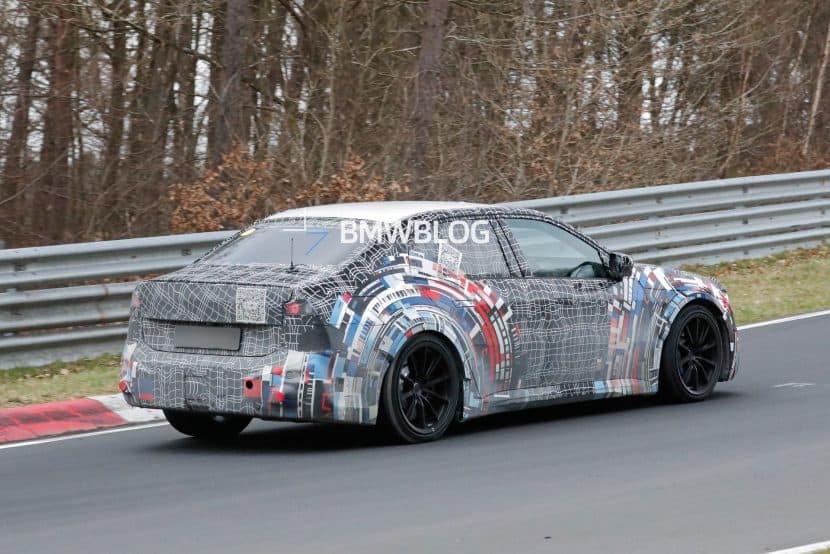
Although BMW hasn’t released any technical specifications, M CEO Frank Van Meel suggested that the upcoming M3 ZA0 will use a four-motor setup with one motor per wheel and fully independent torque distribution. This configuration allows for instant control of traction and cornering forces, something that internal combustion vehicles simply cannot match.
Rumors vary about the system’s overall performance, but most reports suggest that BMW M is aiming for well under 1,000 hp – probably in the 800 to 900 hp range. That’s still a huge leap over the current M3’s performance, but reflects BMW M’s focus on balance and controllability rather than chasing headlines. The brand has made it clear that the goal is not to build a drag strip monster, but a car that feels precise and alive – something that still fits the DNA of an M3.
Massive investment for the next generation
Between 2022 and 2030, BMW invested over 500 million euros in machinery and equipment for the two new engine production lines and a total of over 1 billion euros in the development of electromobility in Steyr. This makes the plant one of BMW’s central hubs for electric drive systems and replaces the long-standing focus on combustion engines.
