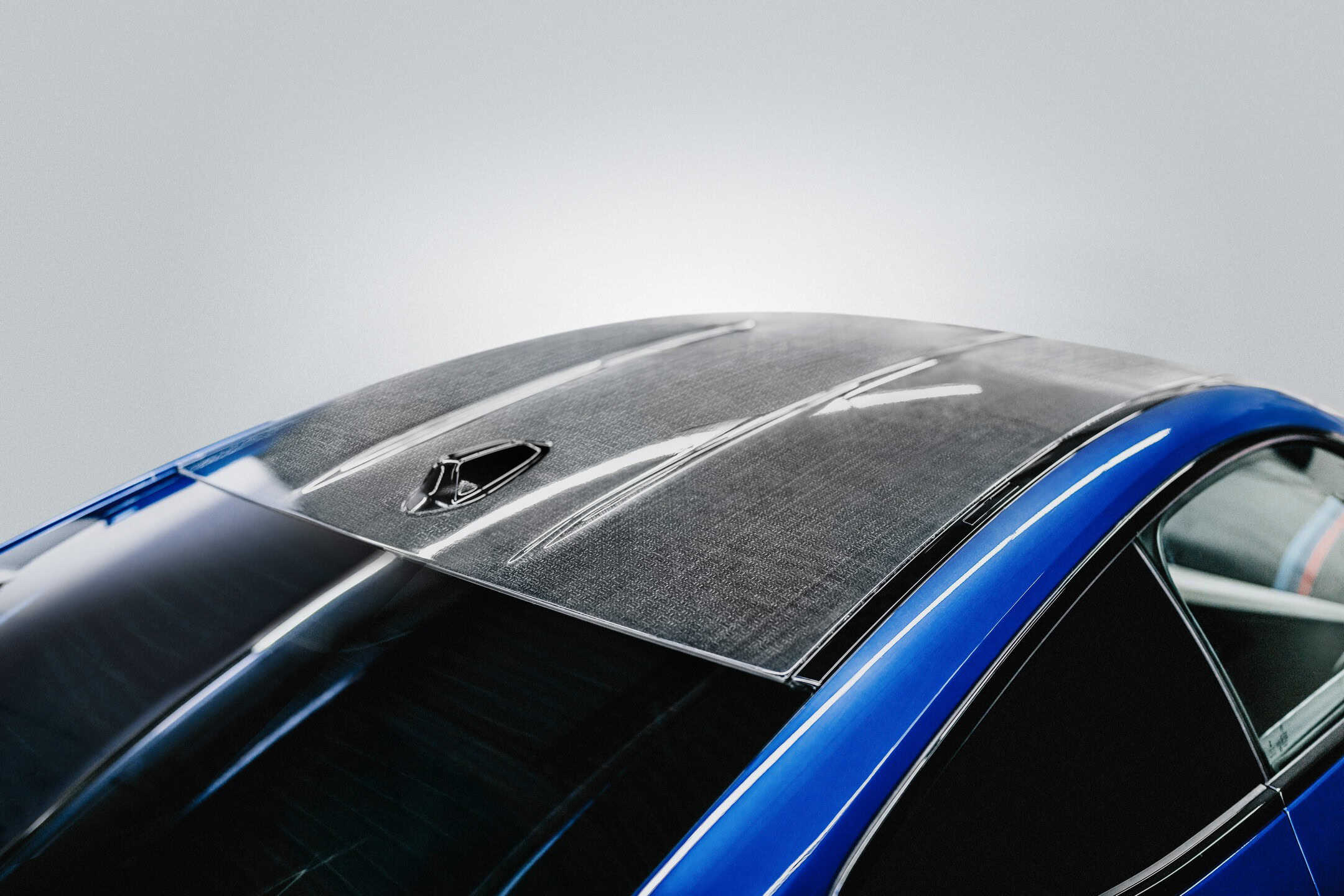
BMW actively examines the use of renewable raw materials to reduce the emissions generated during car production. The company has been experimenting with natural fiber composite materials in racing cars for several years. The technology has now matured so far that it can be used in road vehicles. These new light parts are based on flax. It is a blue -flowering herbaceous plant that is cultivated for its stems, seeds and the thread it derived.
In order to bring this innovation to the market, she has teamed up with BCOMP, a Swiss company specializing in bioba -based technologies. In 2022, the BMW Group acquired three years after the first use of the company of the company in Formula E. The IFE.20 racing car contained a flax-based refrigeration company from renewable plant fibers.
The following cooperation included replacing specific carbon fiber reinforced plastic components of the M4 DTM and M4 GT4 with natural fiber composite materials. The latter will use this cleaner technology again this weekend during the 24 -hour endurance race from Nürburgring. It will not be long before BMW introduces light -based components in its road vehicles.
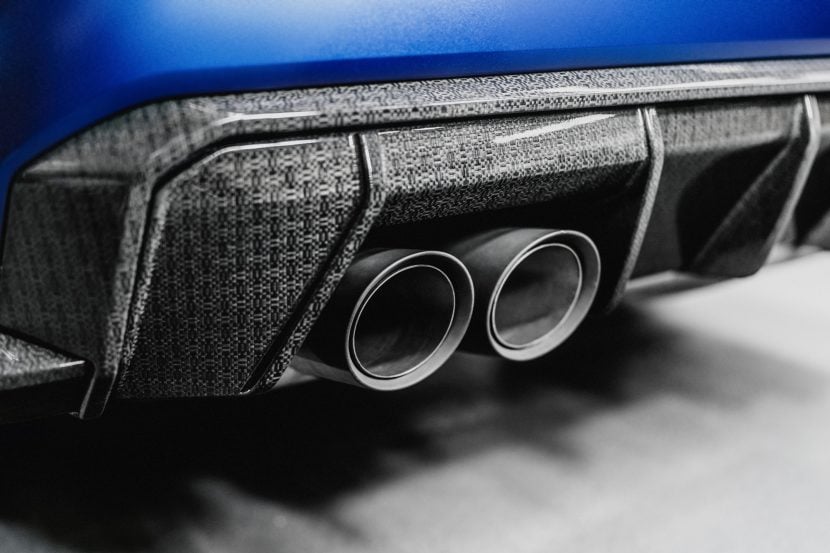
According to BMW, future M cars will contain these environmentally friendly materials. While certain details are scarce, available images indicate that an M4 G82 has a roof and a rear diffuser made of natural fiber composite materials. The roof alone cuts carbon dioxide equivalent (CO₂e) emissions by 40% compared to a conventional carbon fiber roof.
However, this technology is not limited to external components. It can also be applied to certain visible elements in the cabin. If it meets the strict structural requirements of a car roof, we imagine that it has the potential for wider use in the entire vehicle.
However, you do not expect light parts to see in current BMW models on a flax-based. Only vehicles from the next generation BMW group portfolio benefit from natural fiber composite materials. As for the model that will debut the technology, the best presumption of the M3, probably either the fully electrical “ZA0” or the petrol-driven “G84” with its inline-Six engine.
Source: BMW
