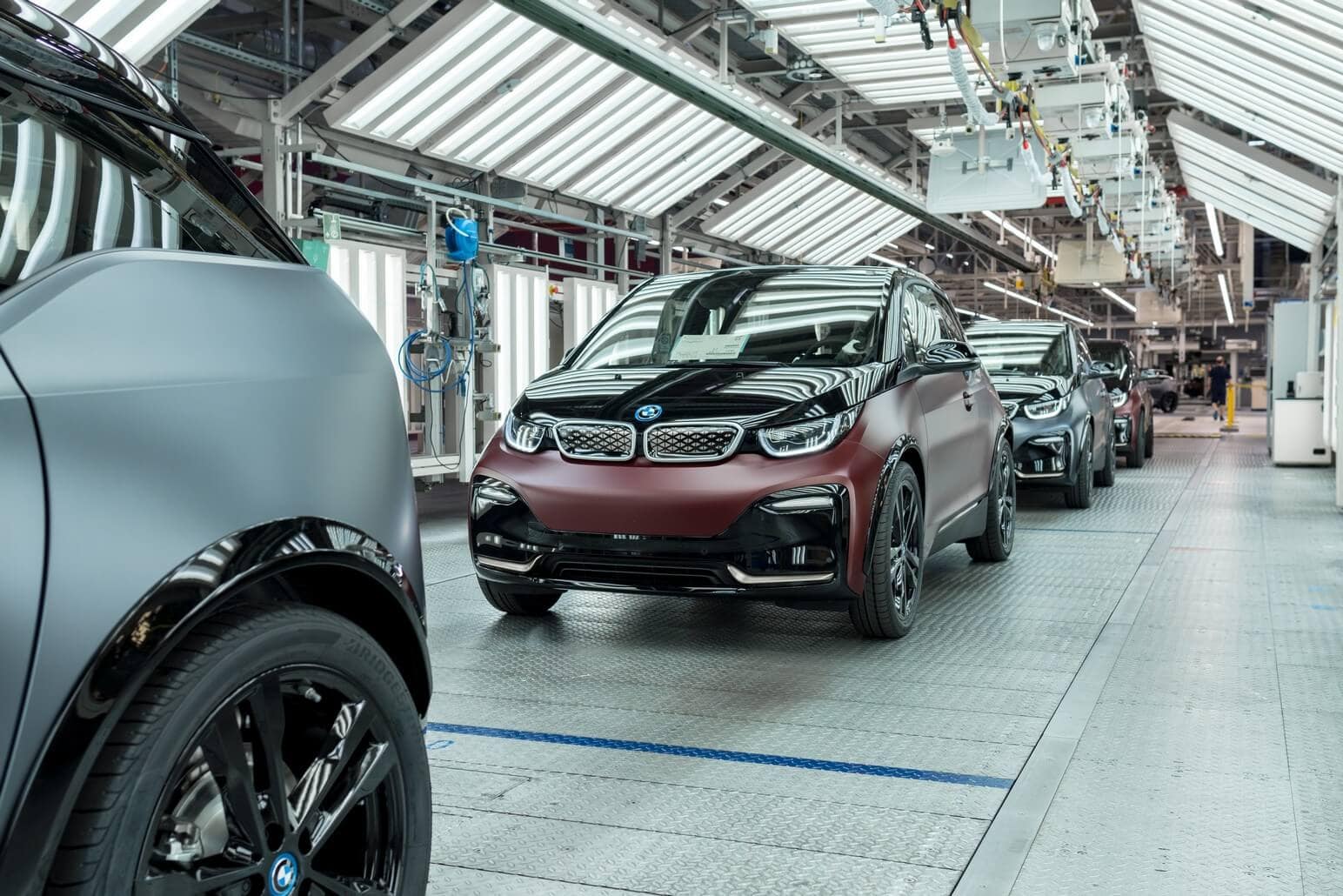
BMW’s most unconventional ideas rarely arise from nothing. They often begin as even stranger experiments, hidden deep in the brand’s design archives. Long before the i3 became BMW’s quirky, environmentally conscious statement, the company was already tackling bold questions about urban mobility and renewable materials. An early design study called “Bigfoot” pushed these ideas further than most realized. And although the world never saw this prototype on the road, it quietly set the stage for one of BMW’s most unique production cars.
The BMW i3 and an unlikely connection to “Bigfoot”
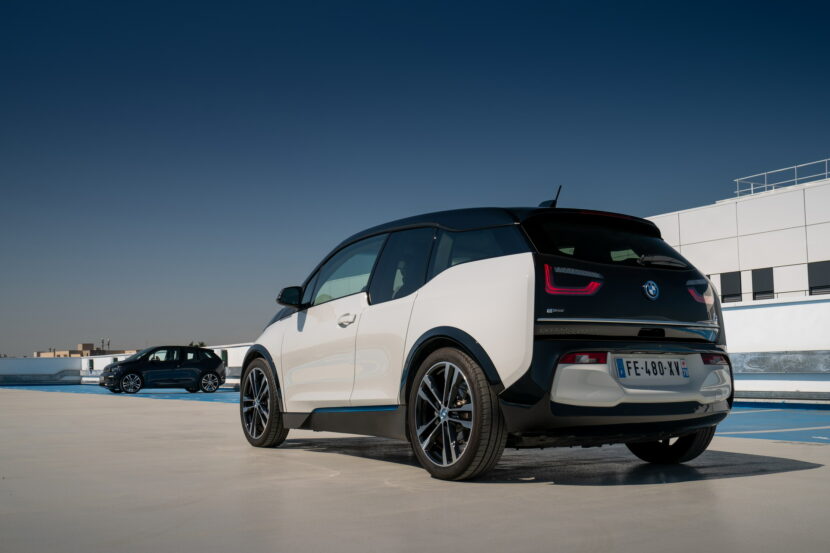
While “Bigfoot” probably isn’t the first thing you think of when you see the tiny electric BMW i3 (the old One, mind you), a concept with that very name that gave the intrepid little city car much of its design. Project Bigfoot – which we don’t have pictures of (yet?) – featured a single door, which later became a rear-hinged door in the i3. Like the i3, it was a bubble-shaped car that relied on renewable materials like wood. Oversized wheels and a small footprint (despite its misleading name) – after all, Bigfoot was designed as a megacity vehicle, a similar niche that the i3 occupied – draw comparisons even further with the i3 we know and love.
The name Bigfoot illustrates one of the underlying concepts underlying its existence. A Designworks spokesperson explains how size and design are linked. “For us, scale is also a setting. It doesn’t necessarily have to be the actual size.” He goes on to say that Bigfoot is a collaboration with the Munich engineering team. While the design exercise was theoretically a global collaboration, Bigfoot looks that way in part because of Designworks’ California location. A lot of Bigfoot’s design inspiration came from the architecture of the studio and the things around it. Inspired by California, the design team apparently asked themselves, “How can you create a living space on wheels?” The spokesman said the influences included tiny houses, which were popular in California at the time. The results included unorthodox materials such as corrugated steel and wood panels. And an interior modeled on that of the production i3.
Bigfoot’s influence on the i3 is a design reminder
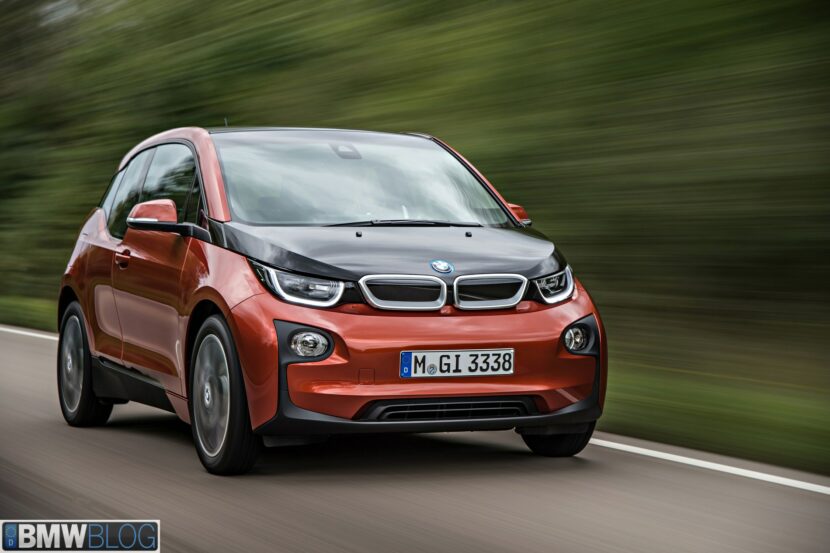
The BMW i3 is still a style statement today. And for Designworks, Bigfoot’s relationship with the small electric city car is a memory. Although “Bigfoot” never went into production in its original form, that is almost irrelevant. “Without this input, the i3 likely would not have become such an innovative, radical design,” said the same Designworks spokesperson. “We didn’t translate it literally, but it gives you an idea of how far we go and look for new ideas.” Which car embodies this principle better than the i3? Even years after production ended, the car still attracts fans and critics.
