 In this article
BMW’s electric roadmap is often described as a “transitional,” but that word underlines how deliberate the strategy actually is. BMW will voluntarily operate two fundamentally different EV architectures in parallel over the next few years: the existing CLAR platform and the all-new Neue Klasse platform, known internally as NCAR. Understanding the difference between the two is key to understanding why certain models come when they do – and why others simply can’t wait. It’s also worth noting that the technology and design of the New Class is shared between these two architectures.
Before we delve into product names and codenames, it’s worth starting with the architecture itself.
CLAR vs. New Class: Two EV philosophies
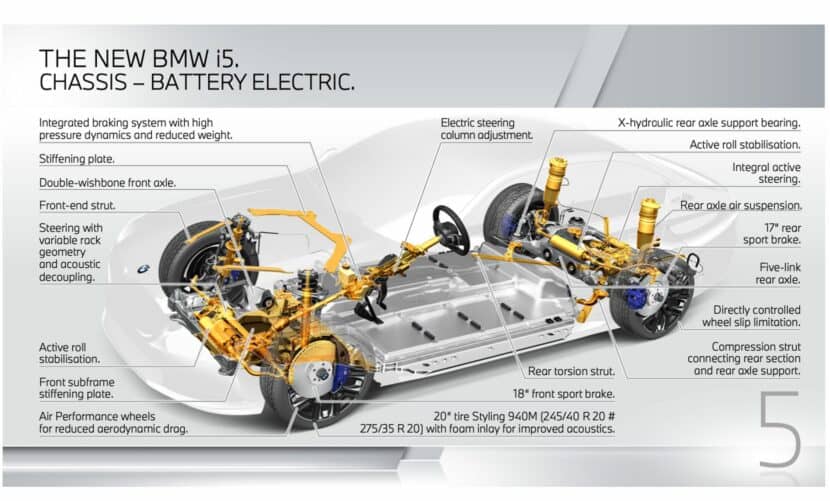
CLAR was never designed to be a purely electric platform. It’s BMW’s modular, rear-wheel drive-based architecture that supports internal combustion engines, plug-in hybrids, hydrogen and electric vehicles under one roof. This flexibility is its strength – and its limit. The packaging is constrained by hard points around engines and transmissions, meaning battery placement, cabin proportions and efficiency are somewhat compromised compared to a pure EV design. What BMW gains, however, is the flexibility in production, which has paid off greatly for the company so far.
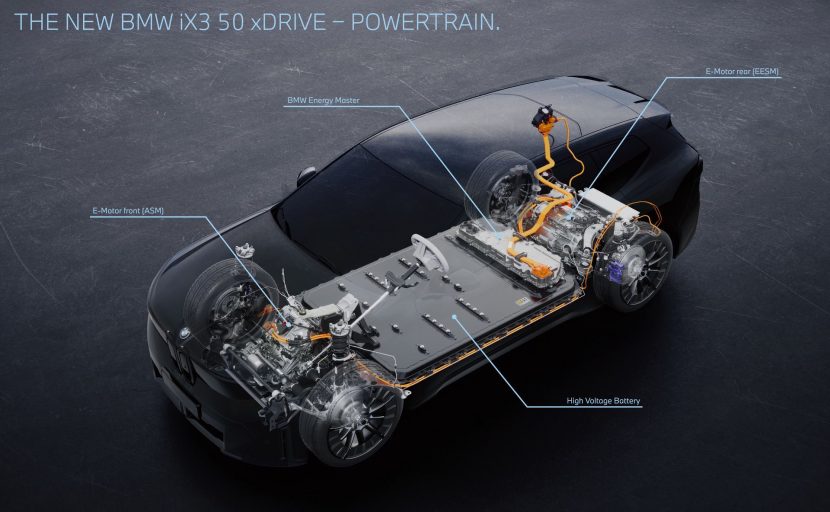
The New Class (NCAR) is the opposite. It is BMW’s first large-volume, all-electric architecture, designed from the ground up with sixth-generation battery technology, structural battery integration, centralized data processing (Heart of Joy) and an all-new 800V electrical architecture. It’s not an evolution of CLAR – it’s a reset.
BMW has made it clear that the Neue Klasse will ultimately underpin the core of the brand. But just as important is what BMW didn’t say: CLAR won’t disappear overnight. Or ever. Large vehicles, high-margin SUVs and certain M derivatives will remain on CLAR well into the second half of the decade. And possibly beyond.
This overlap explains the product mix we’ll see in a moment.
A necessary disclaimer: What is confirmed is what is inferred
BMW has not officially confirmed the full EV lineup for either architecture. What we know today can be divided into three categories:
- Officially confirmed products such as the NA0 i3, the ZA0 M3 and the Neue Klasse iX3.
- Strongly verified products supported by supplier information, sources, spy photos and independent research firms for product predictions.
- Logically inevitable products based on BMW’s existing product range, platform scalability and market segmentation.
Everything below fits into one of these buckets. None of this contradicts BMW’s public strategy – and much of it is already visible when you understand how BMW plans generations, derivatives and production locations.
New Class (NCAR): The electric core of BMW

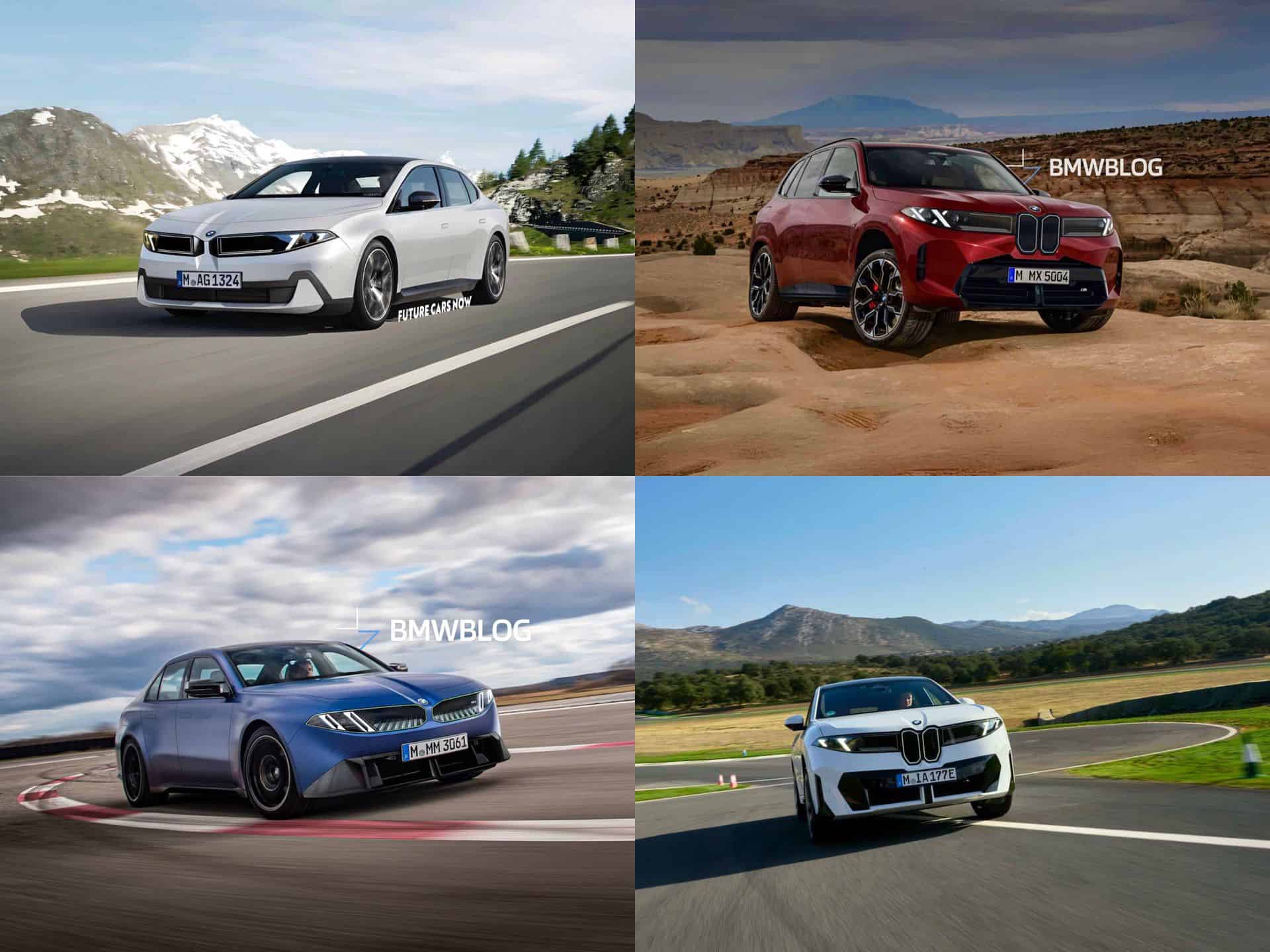
The New Class begins where BMW volume begins: in the 3 Series and X3 segment. They form the global backbone of the brand, and BMW has confirmed that the Neue Klasse will anchor itself here before expanding outwards.
The first series SUV in the new class will be iX3 (NA5)followed by a long wheelbase variant (NA6) was aimed primarily at China. A sporty one iX4 (NA7) is expected to follow and will be based on BMW’s traditional SUV coupe strategy.

On the limousine side is the NA0 i3 is the most important car that BMW will launch this decade. It replaces the CLAR-based electric 3 Series approach with a dedicated EV sedan, closely followed by the NA1 i3 Touringwhich strengthens BMW’s commitment to station wagons – even in the age of electric vehicles.
From then on, the lineup logically expands. Coupe and convertible body styles are reappearing NA2 i4 Coupe And NA3 i4 convertiblesignaling that the Neue Klasse is not just about efficiency, but also about emotive body styles that BMW has championed in the past.
It is rumored that the 1 Series in the compact segment will finally get an electric version called i1 (NB0). Electric X1 derivatives (long wheelbase NB5 and NB6) are also expected after this iX1 generation is phased out. They will bring New Class technology to the downmarket, including a long-wheelbase X1 variant for China.
We expect the top model to be a successor to the popular BMW i7 electric sedan. The codename has been rumored for some time, ND0and we don’t expect that to change. The second-generation i7 will bring Neue Klasse technology to the luxury flagship segment, replacing today’s CLAR-based i7 with a platform that finally allows BMW to rethink proportions, interior space and battery integration without compromise.
BMW M is also being electrified
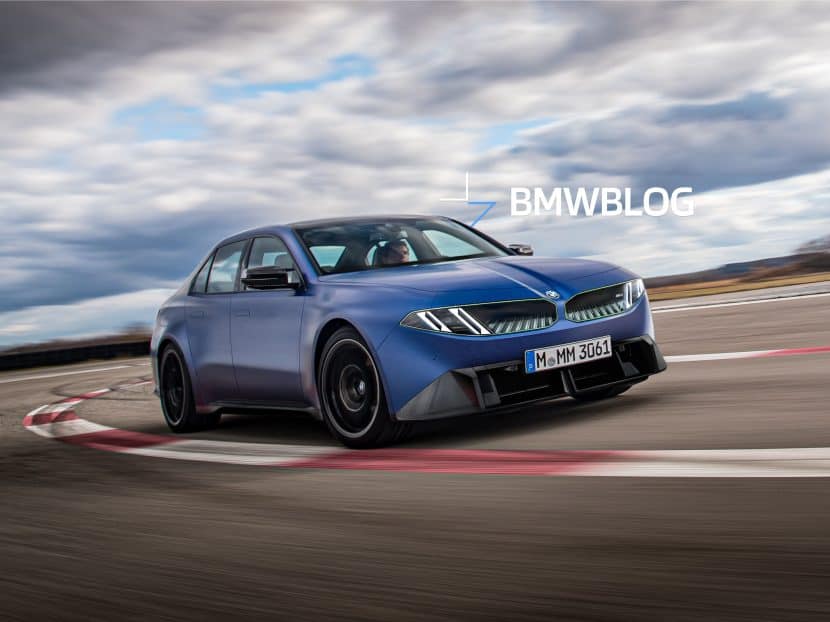
The electric future of BMW M also begins in the New Class. Fully electric M Performance and fully electric M models – included ZA5 X3 M electric, ZA7 X4 M electricAnd ZA2 M4 Electric – are set to make their debut here, leveraging the platform’s centralized computing and torque vectoring capabilities rather than upgrading performance to a flexible architecture.
CLAR electric vehicles: Why BMW still needs the old platform
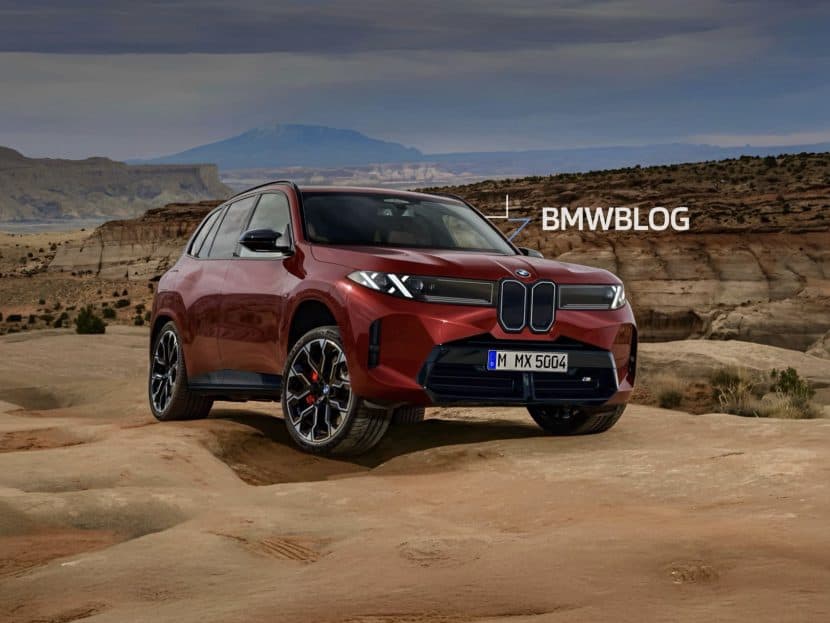
If the New Class is the future of BMW, CLAR remains its present – especially when it comes to large SUVs. BMW has little incentive to bring full-size vehicles to a brand new platform when CLAR already supports profitable, well-understood products. That’s why the next generation of large electric SUVs will continue on CLAR.
These include the iX5 (G65), iX6 (G66)And iX7 (G67) – electric counterparts to BMW’s largest and most lucrative ICE models. These vehicles prioritize space, towing ability and comfort over state-of-the-art efficiency, making CLAR a perfectly acceptable compromise.
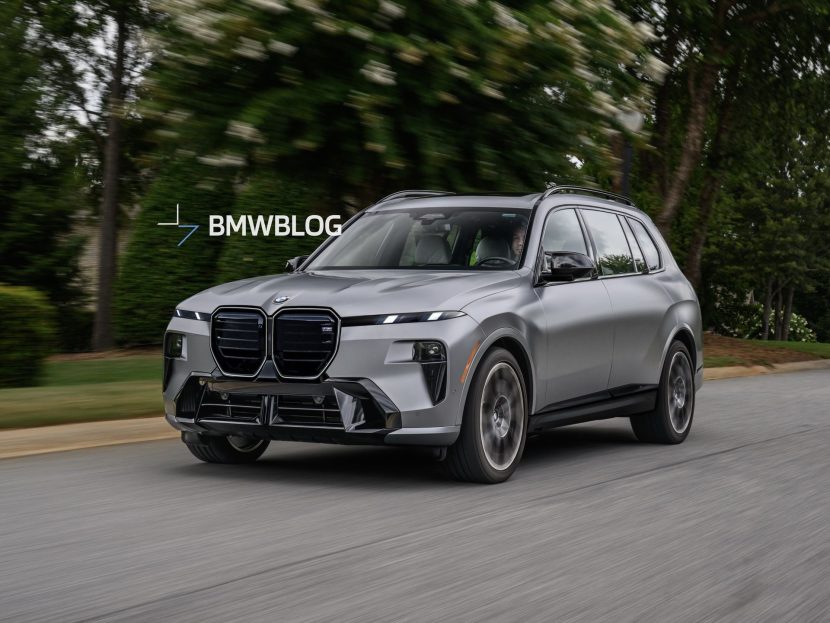
This is right at the top ALPINA iX7 (G99)a product that almost defines why CLAR must exist alongside Neue Klasse. ALPINA customers expect sophistication, performance and continuity – not the early introduction of radical architectures.
BMW has already publicly confirmed the iX5, and the rest comes naturally from BMW’s product cadence and SUV hierarchy.
Why this division actually makes sense
From the outside, running two EV architectures can seem inefficient. In fact, it provides BMW with strategic flexibility at a time when electric vehicle adoption rates, regulations and regional demand remain uneven.
New class is optimized for:
- High volume segments
- Efficiency and charging performance
- Software-defined vehicle behavior
- Long-term scalability
CLAR remains ideal for:
- Large premium SUVs
- Lower risk electric vehicle conversions
- Markets where EV adoption is slower
- High-margin niche products
BMW doesn’t hedge its bets – it calculates them.
The New Class could eventually completely replace CLAR for electric vehicles, although no one knows that yet. The political landscape around the world seems to be changing weekly, if not daily, but that’s the beauty of this divided approach: BMW seems willing to adapt quickly. Until then, this dual-platform strategy allows BMW to continue selling cars that people actually buy while quietly laying the groundwork for what comes next.
Of course, there are likely more products in the pipeline on both architectures, so we hope to learn more about them in the future and add a new update to this list.
