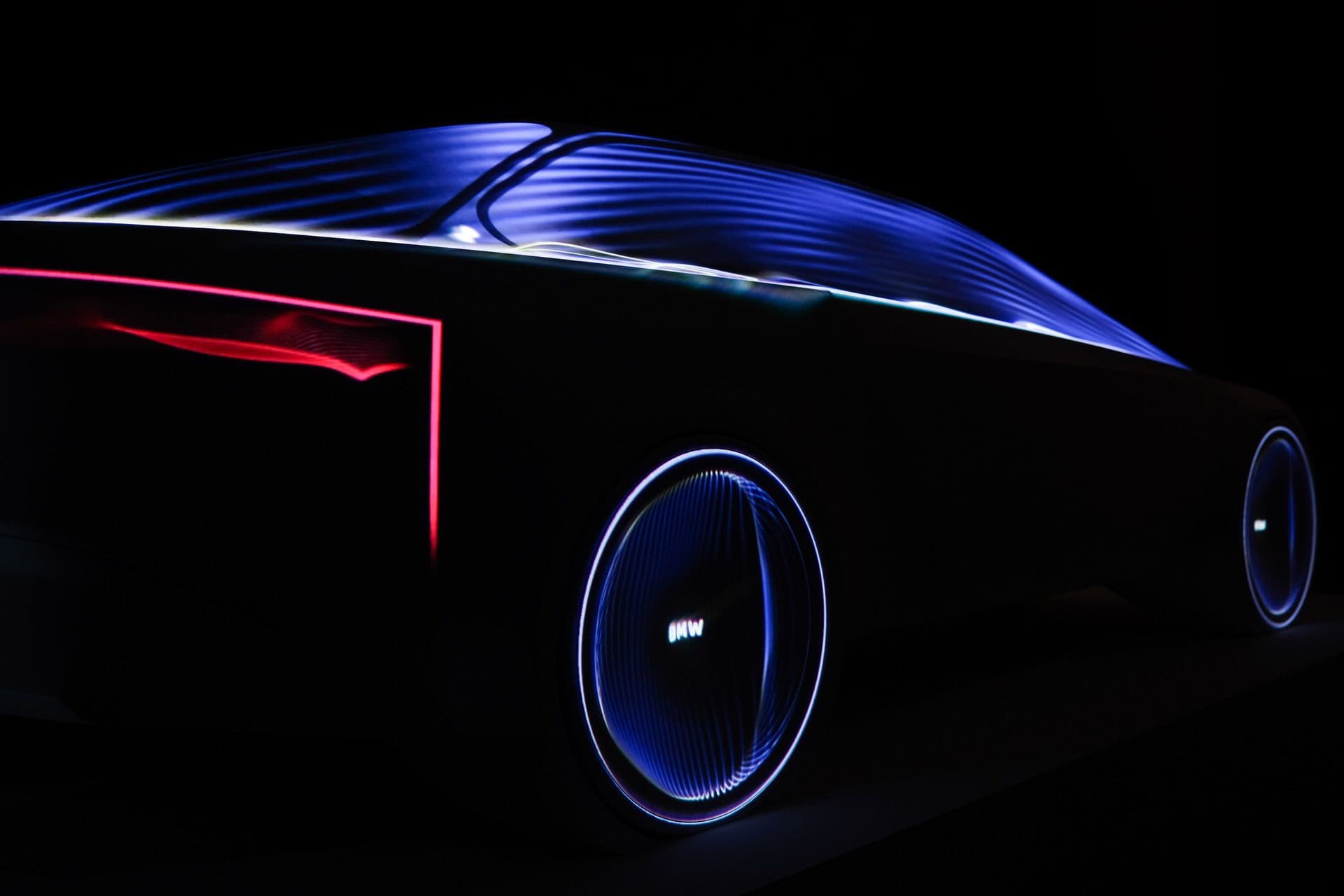
Perhaps the most popular buzzword at BMW in recent years is “circularity”. After all, the future of BMW’s New Class came largely from a concept called i Vision Circular. More importantly, the brand is touting the iX3 – the first car in the New Class – as a game-changer in sustainability, citing in particular its “circular design”. But what does the word really mean and how does BMW’s design studio Designworks implement circularity? Behind closed doors we find out more about how the brand interprets the concept of its latest vehicles.
Designworks and BMW agree on circularity
“Reducing our carbon footprint is something we still believe in,” says Adrian van Hooydonk. “The new class is taking a big step in this direction.” However, he admits that there is still a lot of work to be done and to achieve true circularity, the brand needs “new materials that our customers find attractive,” as he says. After all, BMW has always attached great importance to recycling components wherever possible. But it is a development from generation to generation. not that something happens overnight. “We don’t want to convince them on a rational level, but on an emotional level,” he continues. “If the carbon footprint is smaller, all the better.” In a way, van Hooydonk is selling circularity and sustainability as a side benefit – almost a happy accident – for customers, rather than the priority that BMW really gives them.
It’s clear that BMW never wants circularity and sustainability to feel like a downgrade. Designworks seems to be largely on the same page. One speaker touts it as a “benefit mindset” and compares it to an “Impossible” (plant-based) burger. “Our attitude towards circularity is that it’s about more rather than less, and that’s our whole attitude that applies to innovation.” The Designworks spokesperson continues: “How can we focus on a 10x impact rather than a marginal improvement?” It is important for Designworks and BMW that the sustainable option is always the upscale option.
Circularity is also related to performance
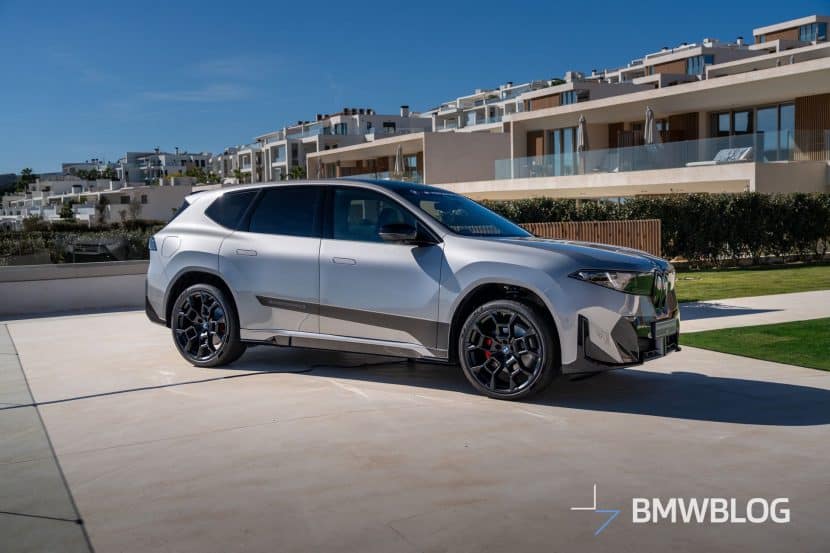
Whether expected or not, circularity is uniquely linked to performance and design. There is an obvious connection between electrification and high horsepower, instant response and a low center of gravity. But Designworks, which operates primarily on the design side, also links circularity to performance through aesthetics. “What does performance mean when it’s not just about the room you’re in, but about you personally?” a speaker asked us. Treating performance as a sense of individuality broadens the brand’s horizons, they say. “For the US, strength is really important here. But strength can be defined differently depending on the region,” they continue. “For us, we like the idea that strength means mass. This means that there is presence and posture, and we define this in the ability to act and lead. This entails some direct aesthetic design calculations that can be applied to the silhouette or posture.”
