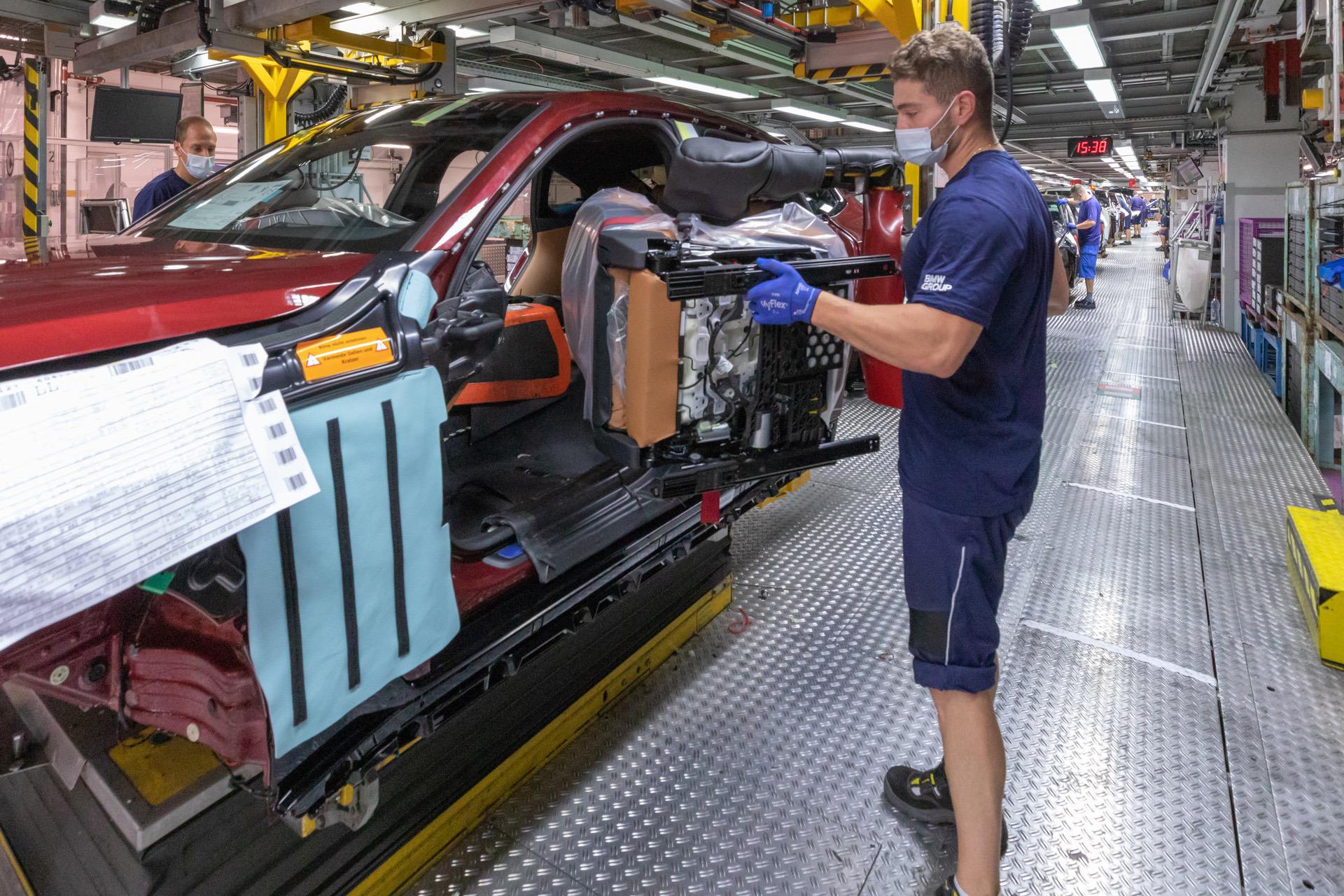
The COVID-19 pandemic has changed many things. In BMW’s case, it had an irreversible impact on the way the company – and its associated brands – sold cars. It wasn’t all on the supply side either. The pandemic also shaped the way people searched for their new rides. However, none of this has been easy, at least in part due to the constant changes in federal regulations in the United States. Given the multitude of different regulations and approaches to contain the pandemic, BMW had to remain flexible.
How BMW adapted: shutdowns, flexibility and a new way of selling cars
As the pandemic worsened, BMW locations also closed. The Spartanburg, South Carolina plant closed between March 29thTh and May 4thTh2020. But it wasn’t just a health precaution; BMW claims it was in response to supply chain problems that continued to dog the brand during the pandemic years, as well as a sharp drop in demand. But the downtime was put to good use. BMW introduced new distance and hygiene regulations and used the opportunity to carry out maintenance and repair work if necessary. There was a shorter break in the performance center, which also used the time to set up protective equipment and sanitary stations. Thermal or BMW Performance Center West in California would remain closed until the end of the year.
However, these were far from the only changes that took place within the brand. Remote work became the norm at BMW North America, with less than 60 percent of employees at BMW headquarters in Woodcliff Lake, New Jersey, on-site in person at any time. Jersey “had ups and downs,” says Sebastian Mackensen, then president and CEO of BMW NA. “We opened the office and had to close it again, and then we had to decide to bring everyone back.” The changes throughout the building reflected the more “part-time” use with more common areas and co-working spaces. More importantly, it influenced the way customers bought cars. Twice as many customers as usual were reportedly ordering specific vehicles rather than simply purchasing something from the dealer’s inventory. This also resulted in smaller inventory levels nationally, reducing costs throughout the supply chain.
MINI’s digital leap: How “MINI Anywhere” redefined online car purchasing
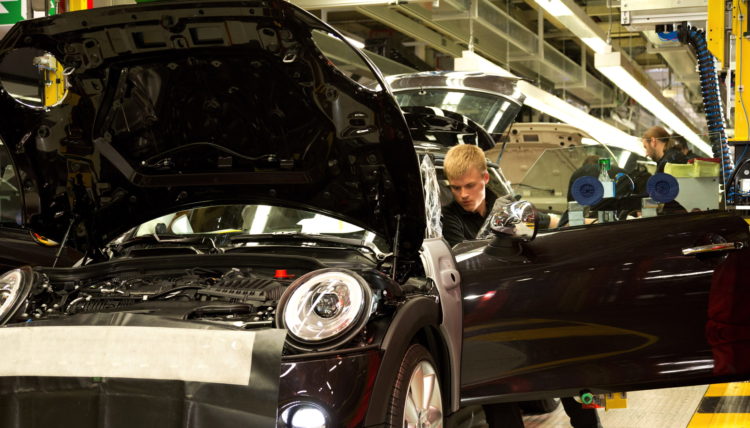
By and large, the most significant changes at MINI were “digital retail,” essentially the way car buyers could buy a car online. While many other brands were already offering this somewhat consistently, the management team at MINI at the time felt that the brand was lagging far behind. The result was an innovation: MINI Anywhere. “We built a tool called MINI Anywhere that was beautiful, clean and kind of bold because we were the smallest automotive company in the country and had a bespoke digital retail solution that JD Power ranked as one of the best in the industry four years in a row,” says then-head of marketing and product Patrick McKenna.
Despite all the challenges presented by the COVID-19 pandemic, BMW and MINI have proven resilient. In the third quarter of 2020, the brand reported a year-over-year decline in U.S. sales of 16.2 percent and 11.9 percent, respectively. Compared to the 39.3 percent decline in sales in the previous quarter, the third quarter was a measurable success. By 2021, BMW was able to make up the ground it lost last year. The brand moved 336,644 cars; only 1,359 fewer than annual sales in 2019. By 2023, BMW was breaking annual records again.
Source: BMW USA
