To mark the 50th anniversary of Designworks’ presence in the United States, BMW brought a small group of journalists to Santa Monica. The highlight of the day was a round table with Adrian van Hooydonk, Senior Vice President BMW Group Design, and Julia de Bono, CEO of Designworks. The conversation touched on a wide range of topics, from the upcoming Neue Klasse products to the pressure to adapt to digital life in the car to the question of how new tools – especially AI – are changing their work processes. There was also a short question and answer session, which allowed media to ask other questions as well.
The digital world in the cabin
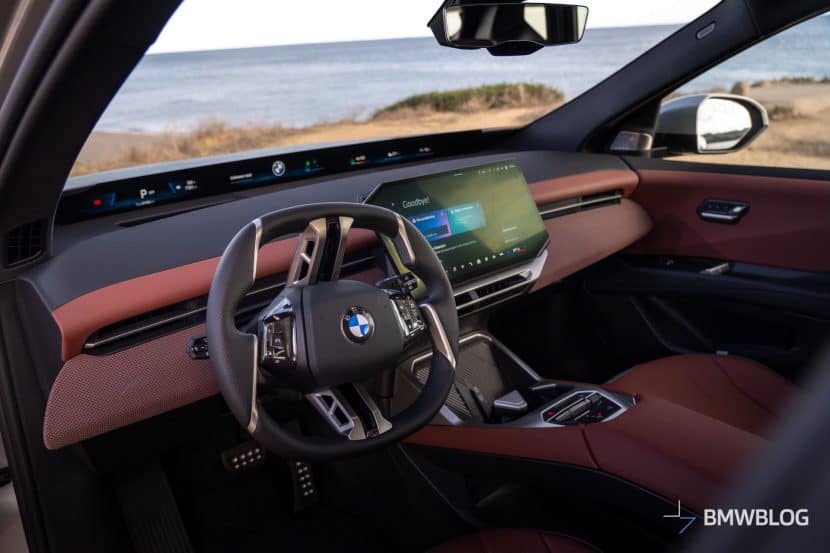
One of the first topics was the increasing digitalization of BMW interiors. With the upcoming iX3 and the broader Neue Klasse family moving toward a cleaner, more software-driven layout, there has been speculation that BMW might eventually ditch physical buttons. Van Hooydonk stopped this early.
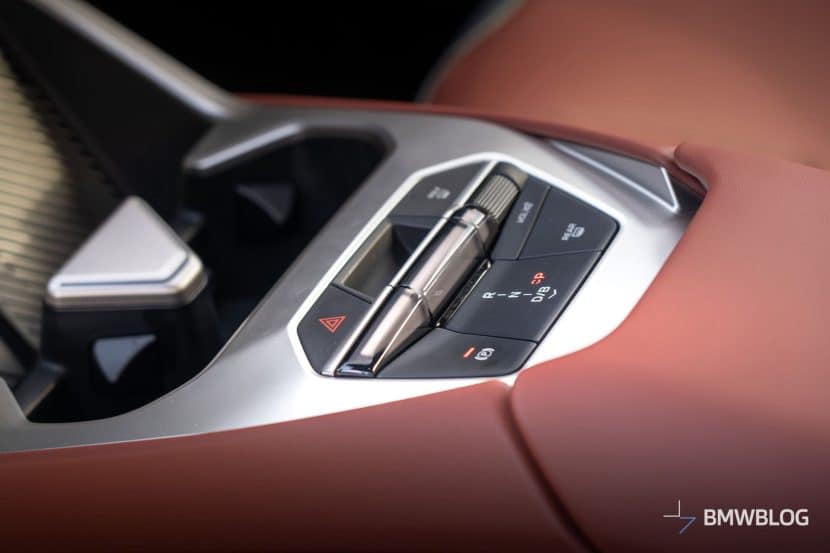
“The car is not completely switchless,” he said, explaining that BMW had deliberately avoided a purely screen-based cockpit. “We didn’t go completely radical. There are still switches in the center console.” He described how BMW analyzed the controls that customers reach for most often and designed the interior according to those recurring habits. Some of these controls inevitably remain physical, while others appear as fixed digital elements that never move within the interface. De Bono added that this is consistent with all industries Designworks serves, from aviation to agricultural equipment. “In any design where people are the focus, something tactile – something that appeals to all the senses – will always be retained,” she said, emphasizing that haptics is not a nostalgic idea, but an ergonomic idea.
A smartphone-like experience?
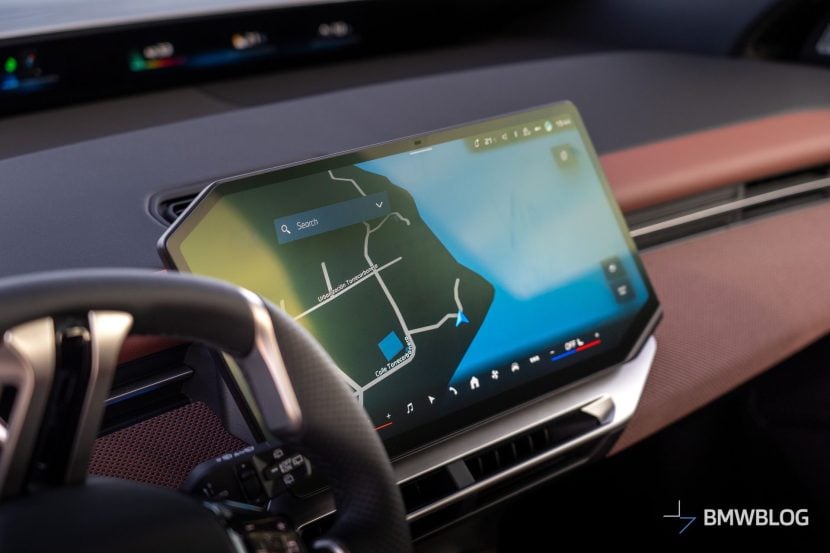
The tension between digital familiarity and safe driving has been a concern for BMW for years, particularly as consumer behavior is increasingly shaped by smartphones. Van Hooydonk said the design team thought long and hard about whether a car’s interface should behave more like a phone or retain its own logic.
“Automotive companies come from a mechanical world,” he explained. “Tech companies are born through touch and voice. Five years ago the question was: Which logic should win?” The answer finally took shape in the New Class Panoramic Vision Display. Instead of turning the dashboard into a giant tablet, BMW divided the digital environment into two zones – important driving information directly in front of the driver and customizable widgets further to the right. “In the iX3, customers can configure apps like they would on a mobile device,” he said, “but the driving environment still works.” The aim was to acknowledge how people interact with technology today without sacrificing the clarity required in a moving vehicle.
The future of Apple Car Play and Android Auto
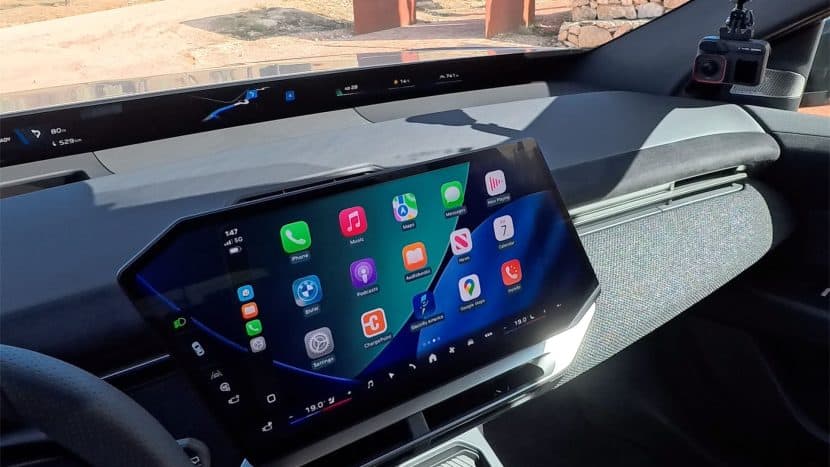
This naturally led to a question about Apple CarPlay and Android Auto, especially since some automakers have moved away from supporting them recently. Van Hooydonk was direct: BMW is not giving up on CarPlay. “We offer CarPlay,” he said. “We want customers to use it when they want. Half of our customers have an iPhone.”
However, he also made it clear that BMW wants to continue to be the better choice for understanding the performance of a car with its own system, especially when it comes to electric vehicles. “Our interface will become more and more connected to the car,” he explained. “An electric BMW knows your charging status and your next charging point and routes you seamlessly.” The message was less about competition with Apple and more about the fact that the car needs to understand things that a phone can’t.
The role of AI in car design
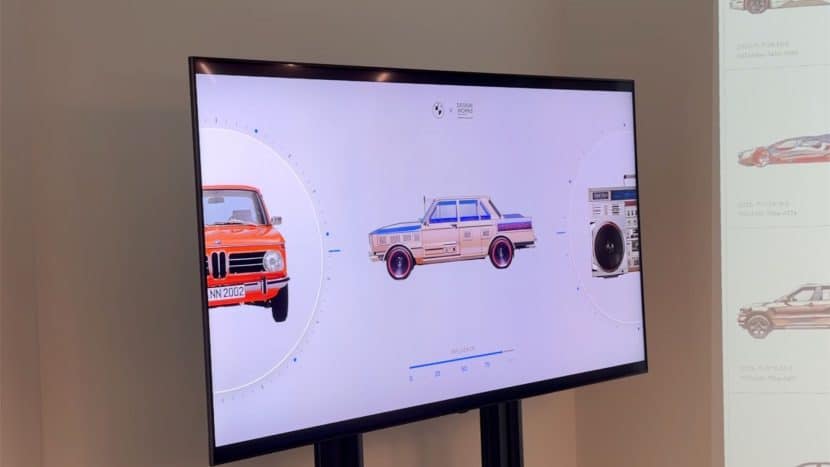
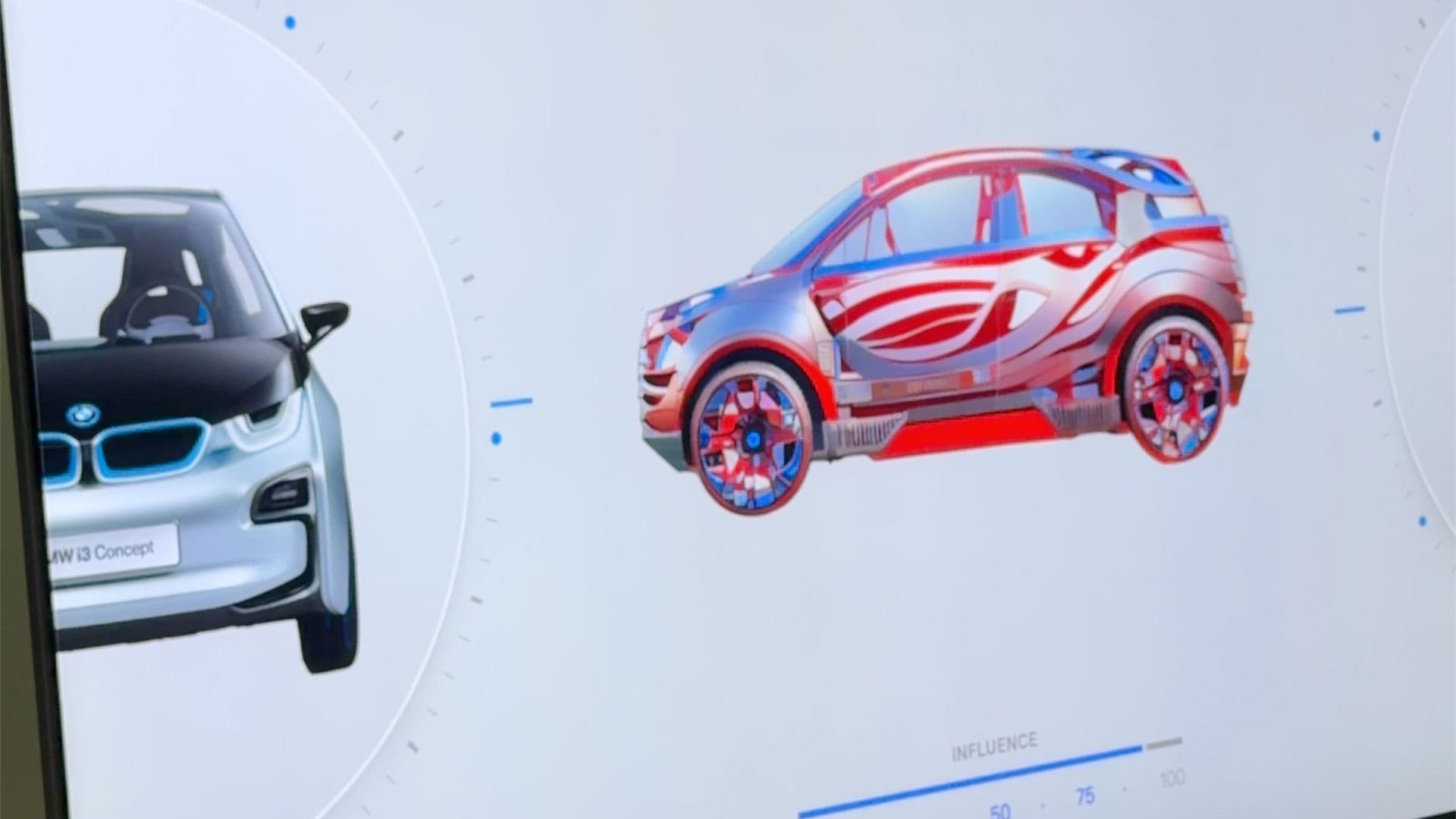
The topic that generated the most discussion and honest introspection was artificial intelligence. BMW has been experimenting with AI in its design studios for more than two years, but not in the consumer-focused way most people would imagine. Van Hooydonk made it clear that BMW does not rely on public generative tools to design its products.
“We don’t want ChatGPT to design our next BMW,” he said. “It would grab images from the internet and mix them together. We train our own AI.” De Bono explained how Designworks trained its internal models using BMW designers’ sketch styles. This process took almost a year until the system could convincingly reflect the expression of individual designers.
“It took nine to 12 months for the AI to really express how our designers express themselves,” she said. “Now I can look at sketches and say, ‘That’s Hane. That’s art.'”
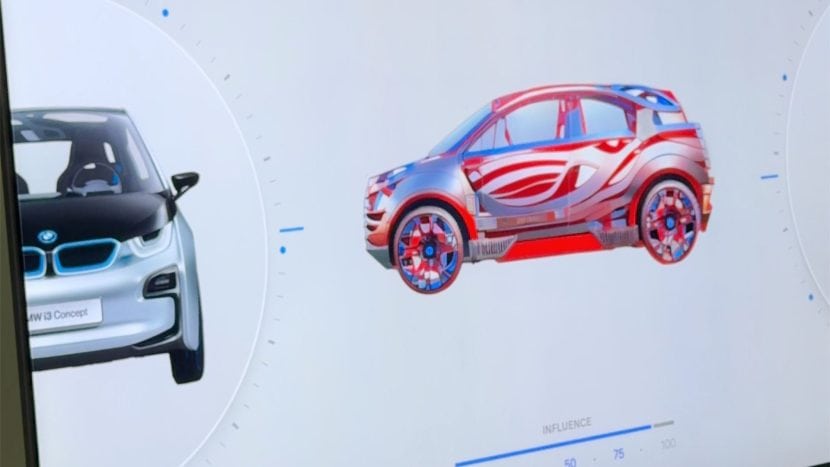
This shift is changing the way designers collaborate. People who don’t normally design complete vehicles, such as B. Color and material specialists can now create complete concept proposals. Designers can enter animated 3D scenes much earlier in the process, allowing them to assess proportion, movement and presence even more vividly. Van Hooydonk pointed out that this type of tool, once properly integrated, could take a fraction of the time that older digital modeling workflows required. “It took us 15 years to integrate early modeling tools,” he said. “AI will take three or four.”
Shorter development cycles for cars?
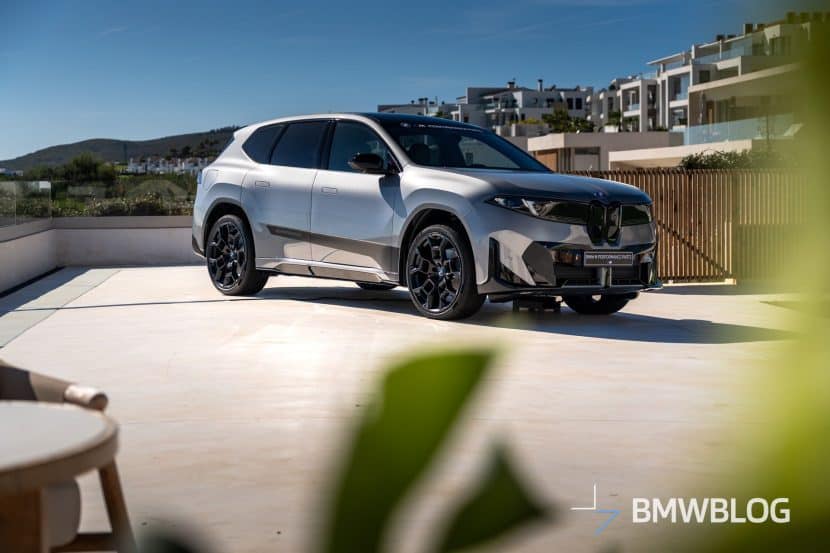
When asked whether AI will ultimately shorten vehicle development cycles, van Hooydonk gave a well-founded answer. While the design itself may progress more quickly, the majority of a vehicle’s timeline – and cost – comes from engineering and industrialization. “We can already design a car quickly,” he said. “The expensive part is after the design.” But he expects AI to speed up many of the technical tasks that often slow projects down, such as checking stamping feasibility or determining how difficult it will be to make a particular shape.
“AI could analyze a shape and tell you how difficult it is to make,” he said. “We will see gains there.”
BMW has no interest in retro design
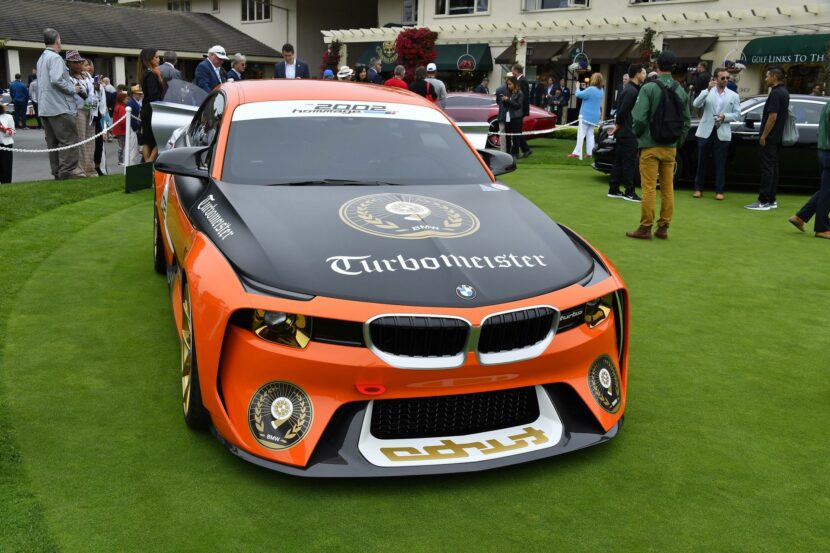
The question was also raised in the conversation as to whether BMW might rethink ideas from previous concept cars. Van Hooydonk did not show much interest in tracing old design work. “I like to look forward,” he said. “Why go back?” Still, he acknowledged that the Neue Klasse intentionally contains subtle nods to BMW’s heritage, not as a retro style but as a way to maintain continuity during a major shift in technology and user experience. “We are introducing big changes to the core of our brand,” he said. “We want existing customers to come along.”
Are you designing for individual markets or a global audience?
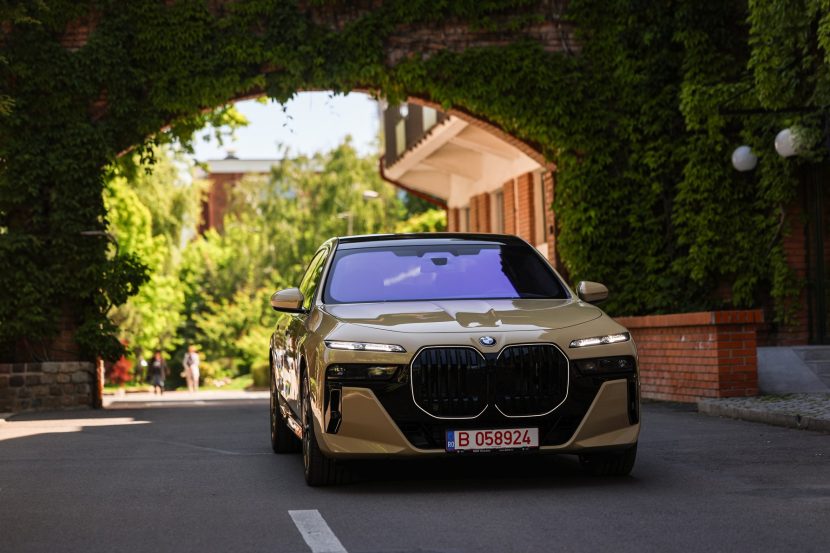
Since the event took place in Los Angeles, the discussion ultimately revolved around market trends in the USA and how they differ from Europe or Asia. De Bono described LA’s car culture as unusually expressive, pointing to the large number of packaged cars, bold colors and highly personalized vehicles on local streets. She pointed out that size remains a strong preference in the U.S., too, which is consistent with what BMW is seeing in customer behavior.
“The car culture in LA is vibrant and authentic,” she said. “You see extreme designs, bold colors, wraps everywhere. Large sizes are very important here.” She also emphasized the relevance of semi-automated driving in the region’s heavy traffic, saying: “Level 2+ ensures relaxed traffic in LA. The more we can hand over in traffic situations, the better.”
Van Hooydonk added that the BMW teams are exploring product categories in which the brand is not traditionally present, with some ideas already in development. “We found things worth developing,” he said. “That’s all I can say at the moment.”
The roundtable ended not with a big announcement, but with a clearer sense of how BMW designers are approaching the next few years. The tools evolve, the workflows change and the products will reflect this, but the general attitude remained measured. It was an honest look at a team adapting to new realities without abandoning the fundamentals that have guided them so far.
