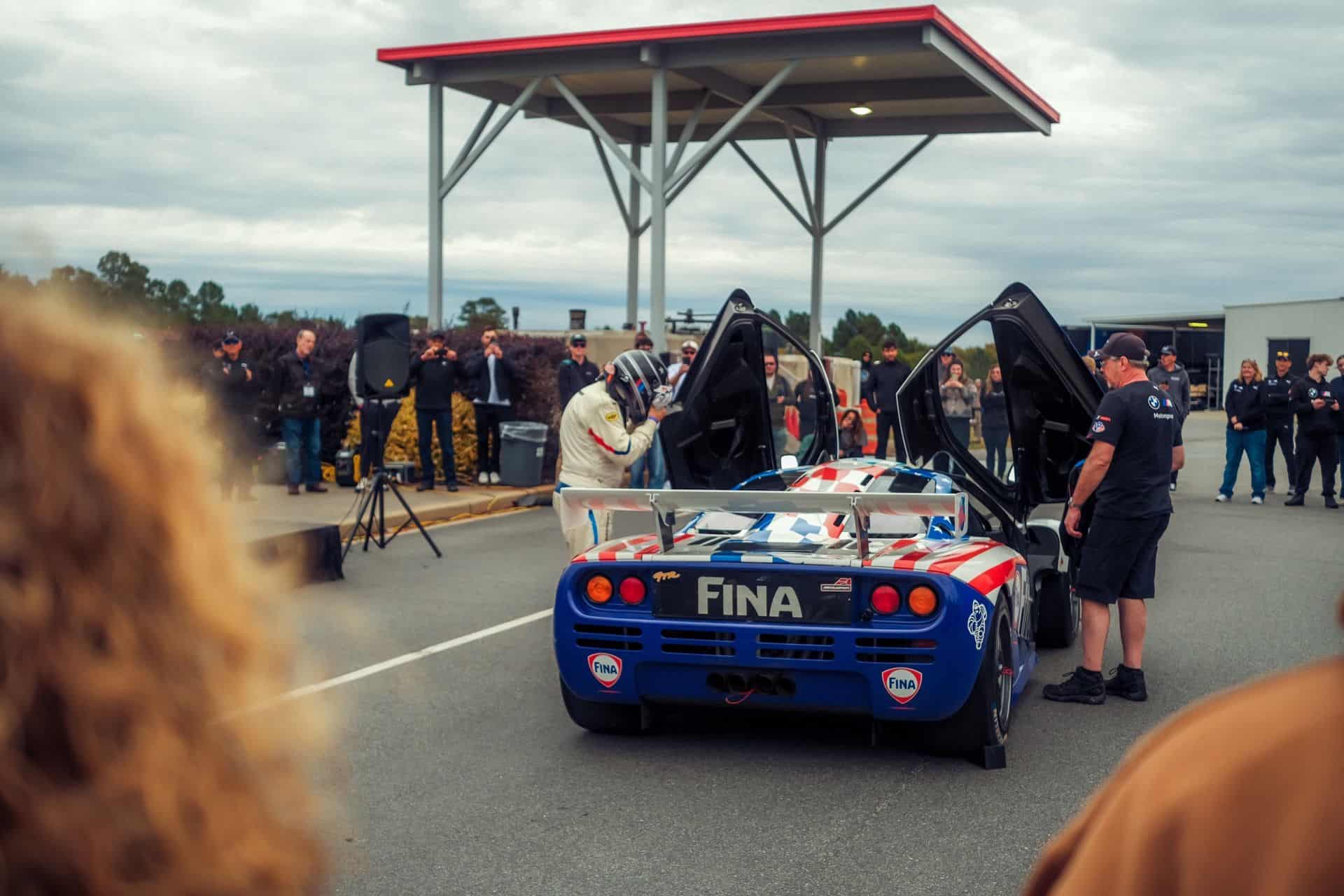
If you missed this year’s BMW Performance Center Classic and Motorsport Festival, unfortunately it’s already too late. On Sunday, October 26, 2025, countless BMW enthusiasts flocked to the automaker’s Performance Center in Greer, South Carolina to enjoy a motorsports gathering unlike any other. With a calendar of events that included hot laps with factory racer Bill Auberlen, it’s arguably one of the most enjoyable driving experiences any crazy enthusiast could ever have. We captured it all – including the epic machines that BMW and enthusiasts had on display.
McLaren F1 GTR chassis #17R
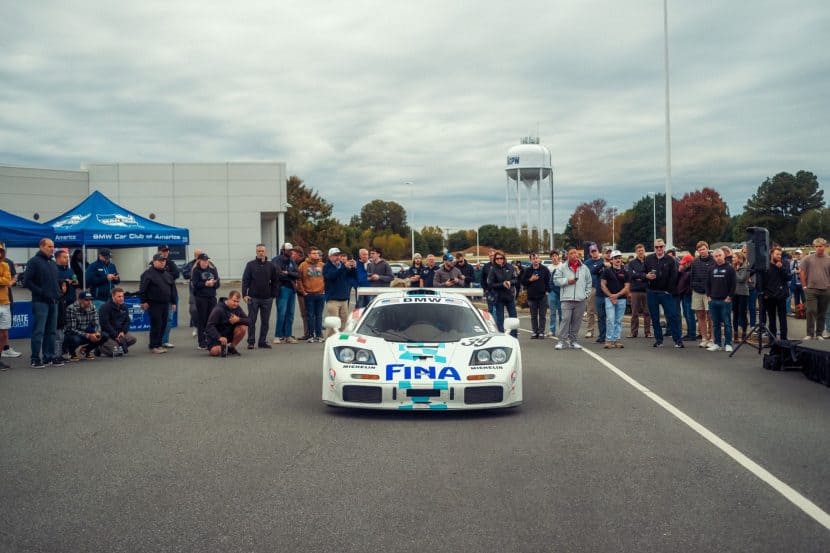
Even though the F1 was designed from the ground up as a racing car, things get even more serious with the GTR (racing version). Ceramic brakes, a fixed rear wing, cooling ducts and lightweight construction measures made the car even faster on the track than the “normal” F1. This example, chassis number 17R, is the well-known “FINA car”. Originally one of three cars purchased by BMW Motorsport (chassis 16R to 18R), it made a name for itself in the 1996 season, finishing fourth overall at Silverstone before tackling the 24 Hours of Le Mans. Driven by Nelson Piquet, Johnny Cecotto and Danny Sullivan under BMW’s Italian partner Bigazzi Team SRL, it secured eighth place overall and sixth in class, beating only three other McLaren F1 GTRs. Although the 17R only competed three times, its racing heritage and rarity – one of only 28 F1 GTR chassis built – make it a cornerstone of BMW North America’s collection.
BMW G80 M3 CS / M4 GTS
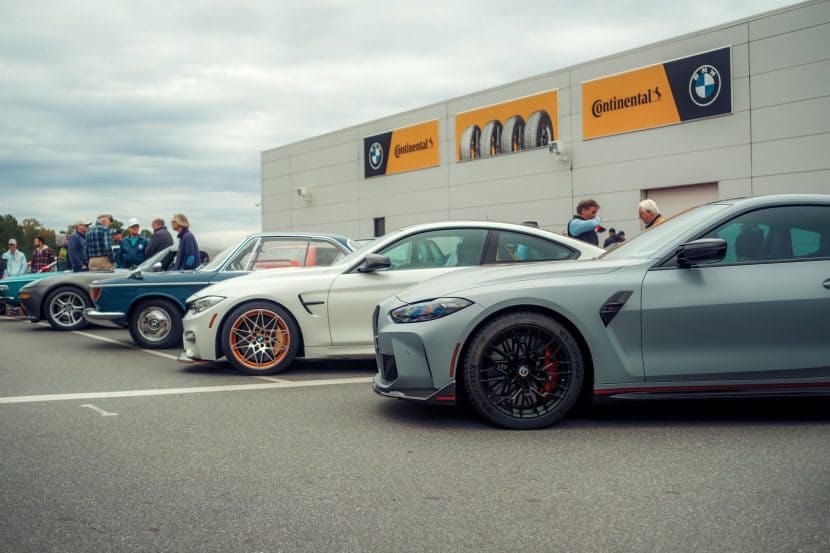
The BMW G80 M3 CS represents the pinnacle of the current M3 lineup. Powered by a twin-turbocharged 3.0-liter S58 inline-six, it delivers 543 horsepower and 479 pound-feet of torque – a significant increase over the standard M3 Competition. Power is transmitted via an eight-speed automatic transmission and BMW’s xDrive all-wheel drive system for rapid acceleration and secure grip. In some ways, this couldn’t be more different than the M4 GTS parked next to it. This car is a rear-wheel-drive, water-injected, dual-clutch automatic monster. He is content with 493 hp. What both have in common, however, is the principle “less is more”. Lightweight carbon fiber components and a reduced interior make both cars faster. Model-specific tuning and aggressive design set them apart visually and dynamically from their competitors.
BMW M1 Procar
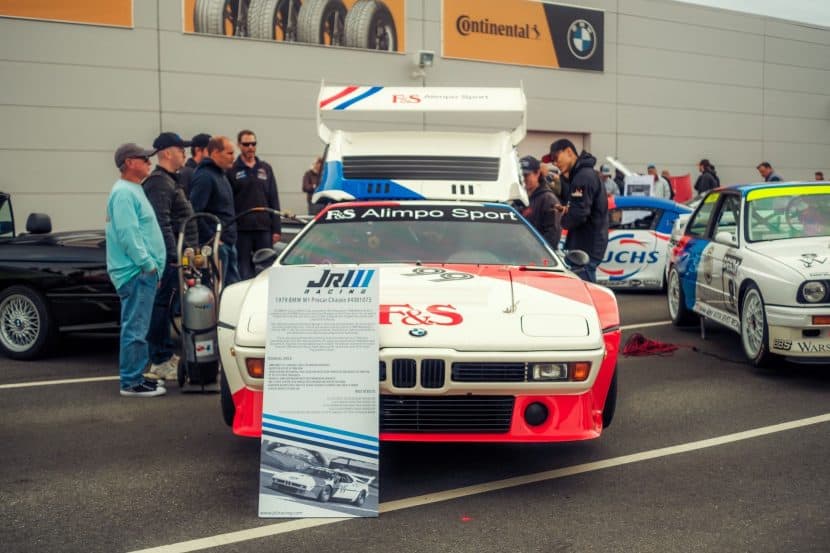
The shape and design of the M1 was iconic. But it was with the M1 Procar that the model truly cemented its legendary status. The Procar Series pits the five fastest F1 drivers, hand-picked from European F1 races, against each other while driving identical, race-prepared BMW M1 racing cars. The Procar versions have optimized bodywork and other updates, including a unique tire and wheel package. The later Group 5 variants offered turbo engines with an output of between 850 and 1,000 hp.
BMW 3.0 CS (and CSL)
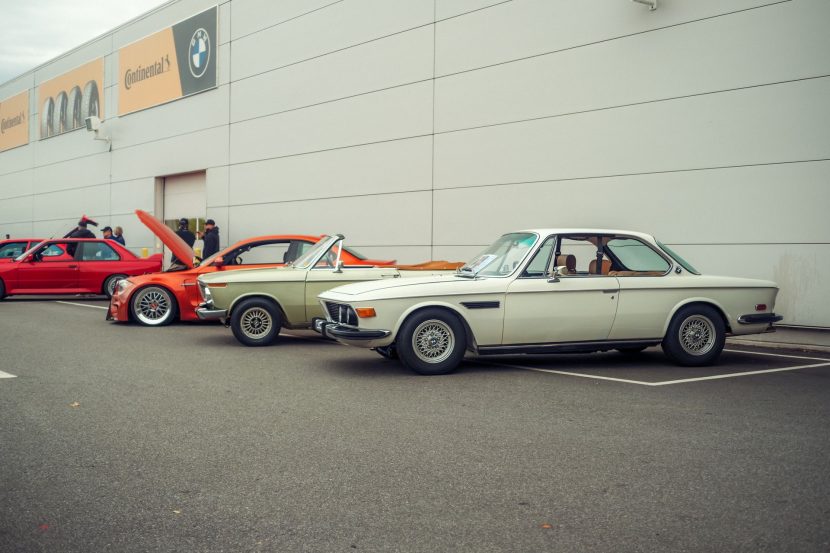
The original BMW 3.0 CS, introduced in 1971, was part of BMW’s elegant E9 coupe range and marked a turning point for the brand’s performance identity. Powered by a 3.0-liter inline six-cylinder with around 180 hp, it combined refined grand touring comfort with athletic handling, paving the way for BMW’s reputation as the “ultimate driving machine.” Its long hood, slim pillars and pillarless windows gave it an elegant, timeless design. The 3.0 CS was also the basis for the legendary “Batmobile” 3.0 CSL, which dominated touring car racing and cemented BMW’s motorsport legacy for decades to come. Reduced features and aluminum body panels contributed to a weight savings of nearly 450 pounds. Only about 1,200 CSLs were produced, and one showed up today. Later models received a hotter 3.2-liter engine and a wild body kit. The equipped car quickly received the nickname “Batmobile”.
BMW 507
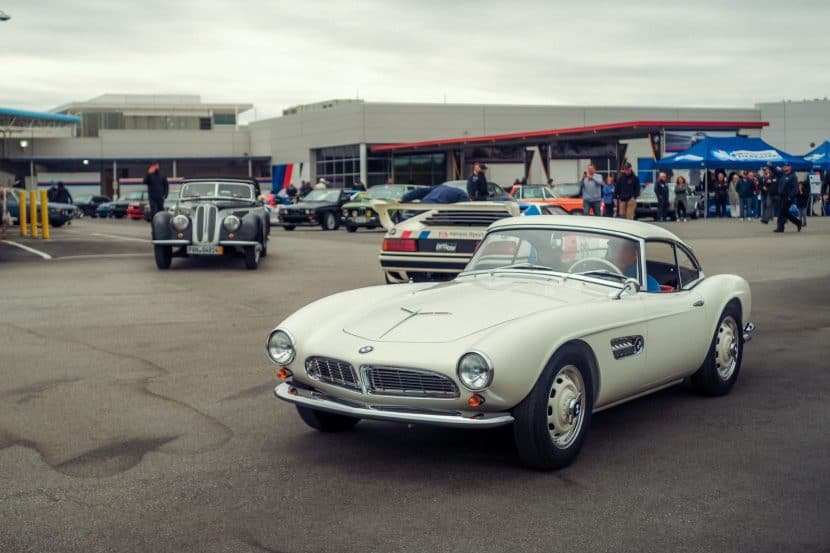
Arguably even more iconic than the 3.0 CSL, albeit for entirely different reasons, is the BMW 507. Famously driven by wealthy clients such as Elvis and Fred Astaire, the 507 was introduced as part of a plan to refine BMW’s image into something more “sporty”, but this cost the company dearly. The sales flop – BMW wanted to sell thousands per year but managed to produce only 254 – led to the company’s near bankruptcy. The car arguably spawned the Z3, Z4 and Z8, all of which adopt design features such as the side fender vents. Today, 507s in good (and even bad) condition sell for $1 million or more depending on their provenance.
Lots more BMW Magic in the gallery
Check out the gallery below and you’ll see plenty of other BMWs. E30 M3 race cars, lots of vintage metal and modern classics like the 1M and Z8. For enthusiasts, this is all a real goldmine. Check out the pictures and maybe check out the festival in person next year!
