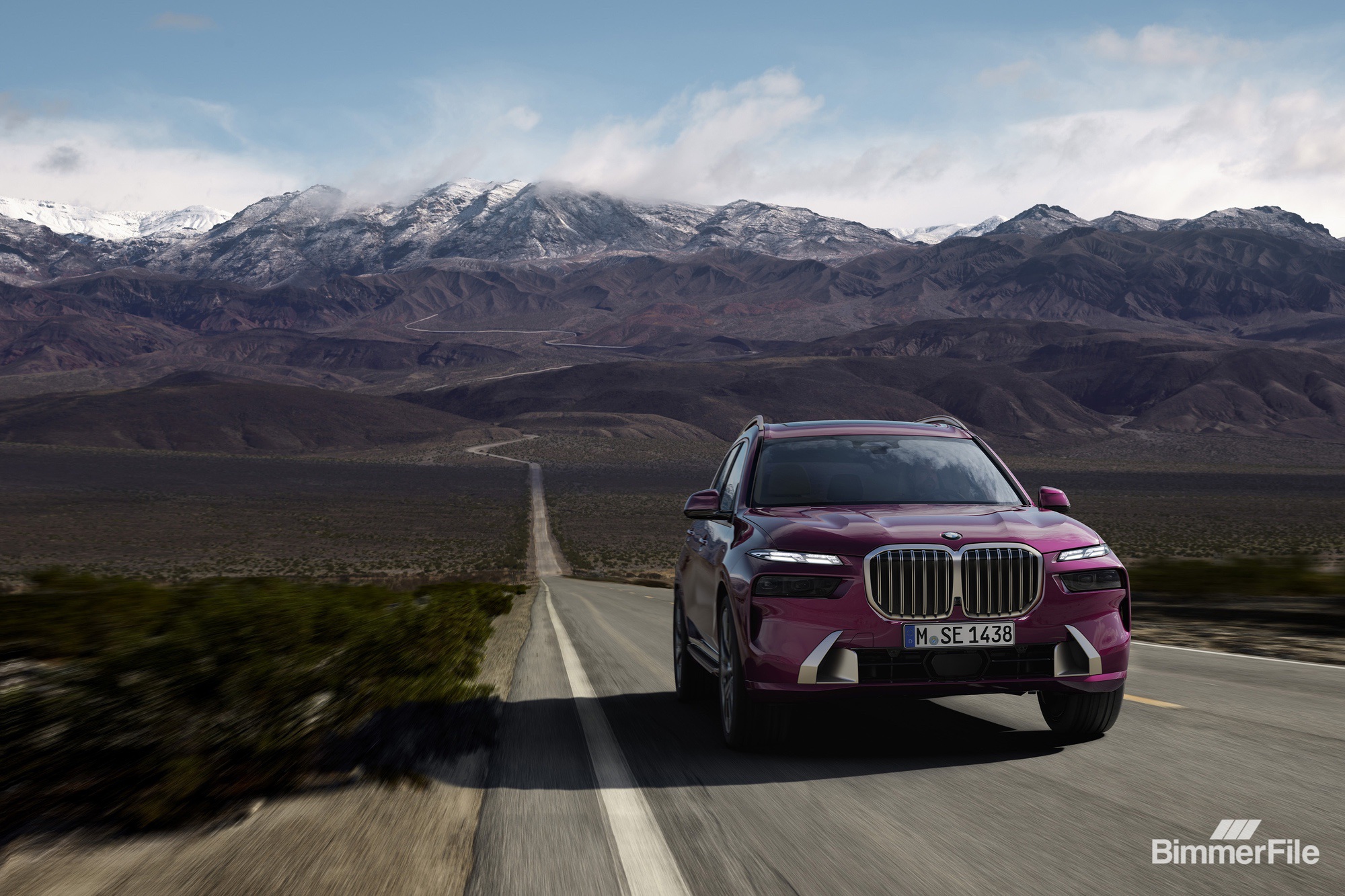
BMW has spent the better part of the last five years telling the world that it is fully committed to electrification. New Class Concepts. Dedicated EV platforms. Big promises about software-defined vehicles and a clear break with the past.
And yet, if you step back and look at the actual product roadmap taking shape over the next decade, a very different story emerges. One that is far more pragmatic and arguably far more interesting.
At the center of it all is a platform that BMW doesn’t want to give up.
| Model | Drivetrain | platform | Start of production | End of production (expected) |
|---|---|---|---|---|
| 1 series | ICE | UKL | 2026 | 2034 |
| i1* | EV | New class | 2028 | 2035 |
| 2 Series Gran Coupe | ICE | UKL | 2026 | 2033 |
| i2GC* | EV | New class | 2029 | 2035 |
| 2 Series Coupe | ICE | CLEAR | 2021 | 2029 |
| 3 series | ICE | Clare II | 2026 | 2033 |
| i3 | EV | New class | 2026 | 2035 |
| 4 series | ICE | Clare II | 2026 | 2034 |
| i4 | EV | New class | 2027 | 2035 |
| Z4 | ICE | CLEAR | 2018 | 2026 |
| 5 series | ICE | Clare II | 2026 | 2034 |
| i5 | EV | New class | 2026 | 2035 |
| 7 series | ICE | Clare II | 2026 | 2034 |
| i7 | EV | New class | 2026 | 2035 |
| 8 series | ICE | CLEAR | 2017 | 2026 |
| X1 | ICE | UKL | 2026 | 2034 |
| iX1 | EV | New class | 2027 | 2035 |
| X2 | ICE | UKL | 2026 | 2034 |
| iX2 | EV | New class | 2028 | 2035 |
| X3 | ICE | Clare II | 2025 | 2033 |
| iX3 | EV | New class | 2026 | 2035 |
| X4 | ICE | CLAR (last generation ends) | 2018 | 2025 |
| iX4 | EV only | New class | 2027 | 2035 |
| X5 | ICE | Clare II | 2026 | 2035 |
| iX5 | EV | Clare II | 2026 | 2035 |
| X6 | ICE | Clare II | 2027 | 2035 |
| iX6 | EV | Clare II | 2028 | 2035 |
| X7 | ICE | Clare II | 2027 | 2035 |
| iX7 | EV | Clare II | 2028 | 2035 |
| XM | ICE (PHEV only) | CLEAR | 2022 | 2029 |
As you can see above, BMW’s product roadmap is extremely complex. Since almost everything is a mix of electric vehicles and internal combustion engines, the portfolio is incredibly difficult to understand even for the most die-hard fan.
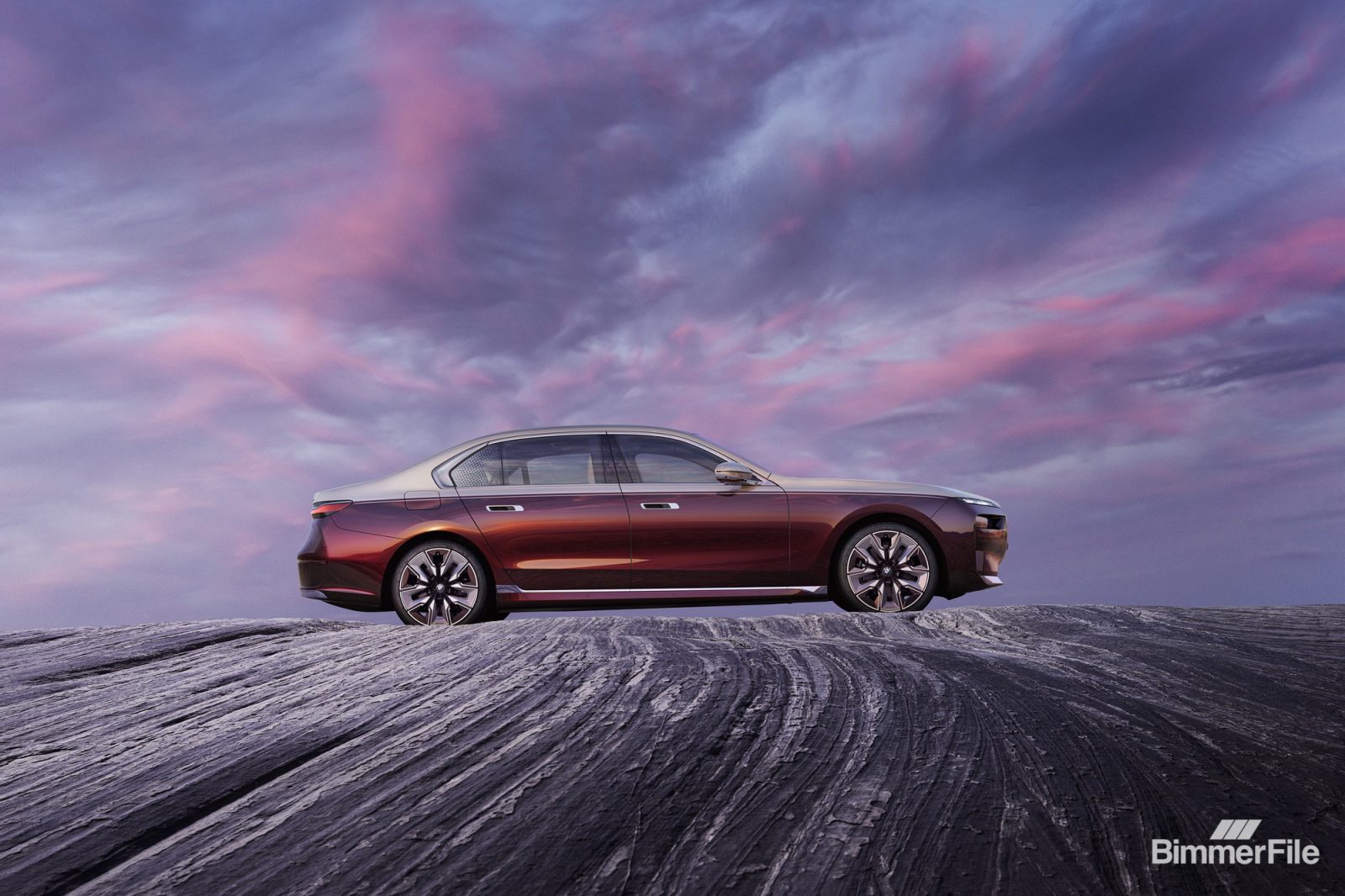
CLAR isn’t going anywhere
Despite the narrative surrounding the Neue Klasse, BMW’s CLAR architecture proves to be remarkably resilient. Originally designed as a flexible base for internal combustion engines, CLAR has quietly evolved into one of the most adaptable vehicle platforms in the industry.
Over the next decade, CLAR will continue to support some of BMW’s most important vehicles. These include the 2 Series, 3 Series, 4 Series, 5 Series, 7 Series and almost the entire top end of the X Series. What’s even more telling is that CLAR will support both ICE and EV variants simultaneously for many of these models.
This is no coincidence.
BMW has made it clear internally that internal combustion engines will remain part of the product mix well into the 2030s and possibly beyond. Regulatory realities, uneven EV adoption across global markets, infrastructure challenges and customer demand all point in the same direction. A hard stop on ICE simply doesn’t make sense from an economic perspective.
CLAR gives BMW optionality. It allows the company to build gasoline, diesel, hybrid and fully electric vehicles on a single architecture without forcing premature decisions. In a world where market conditions are constantly changing, this flexibility is invaluable.
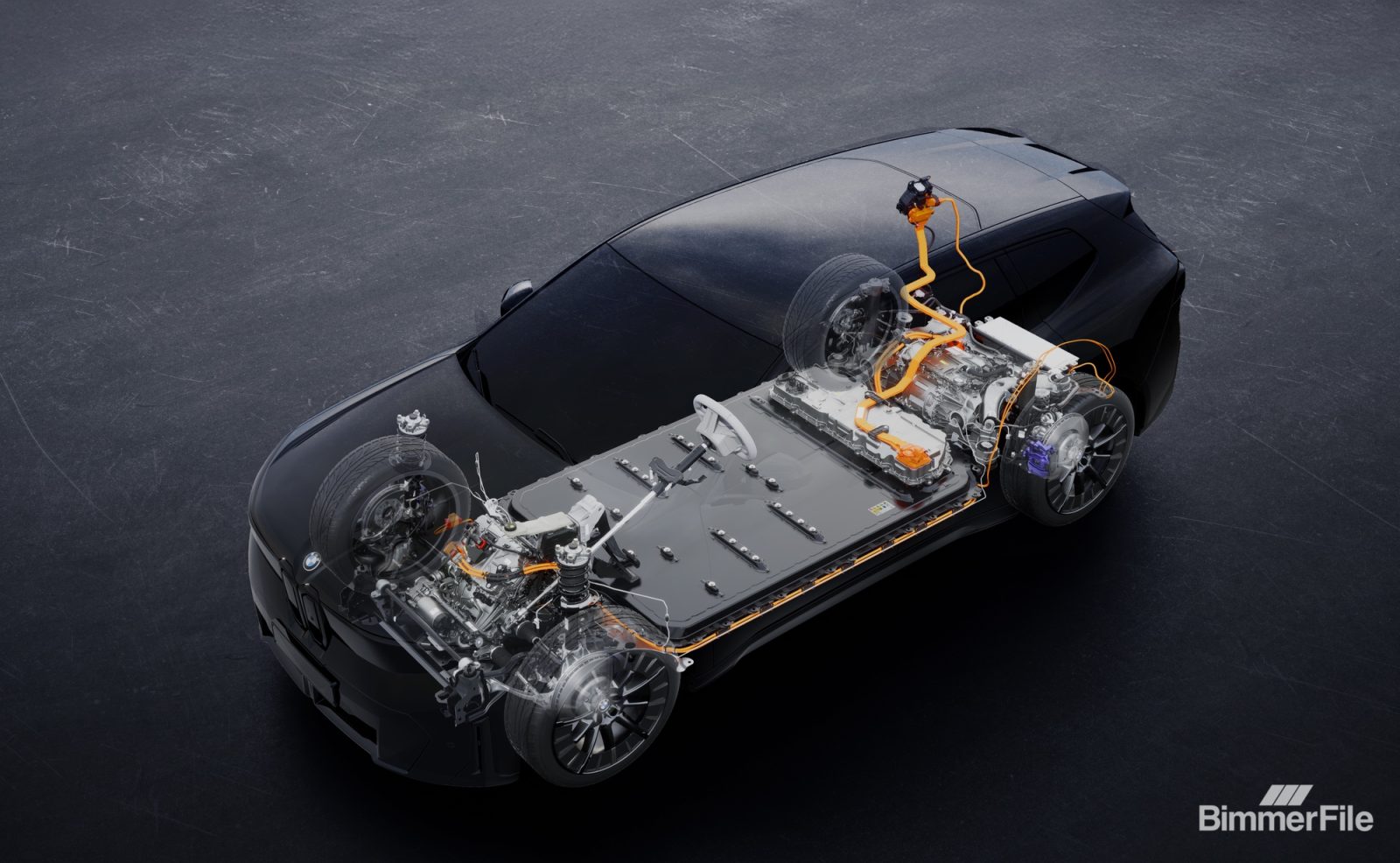
New class is a bet, not a replacement
That doesn’t mean that New Class is just window dressing. Far from it.
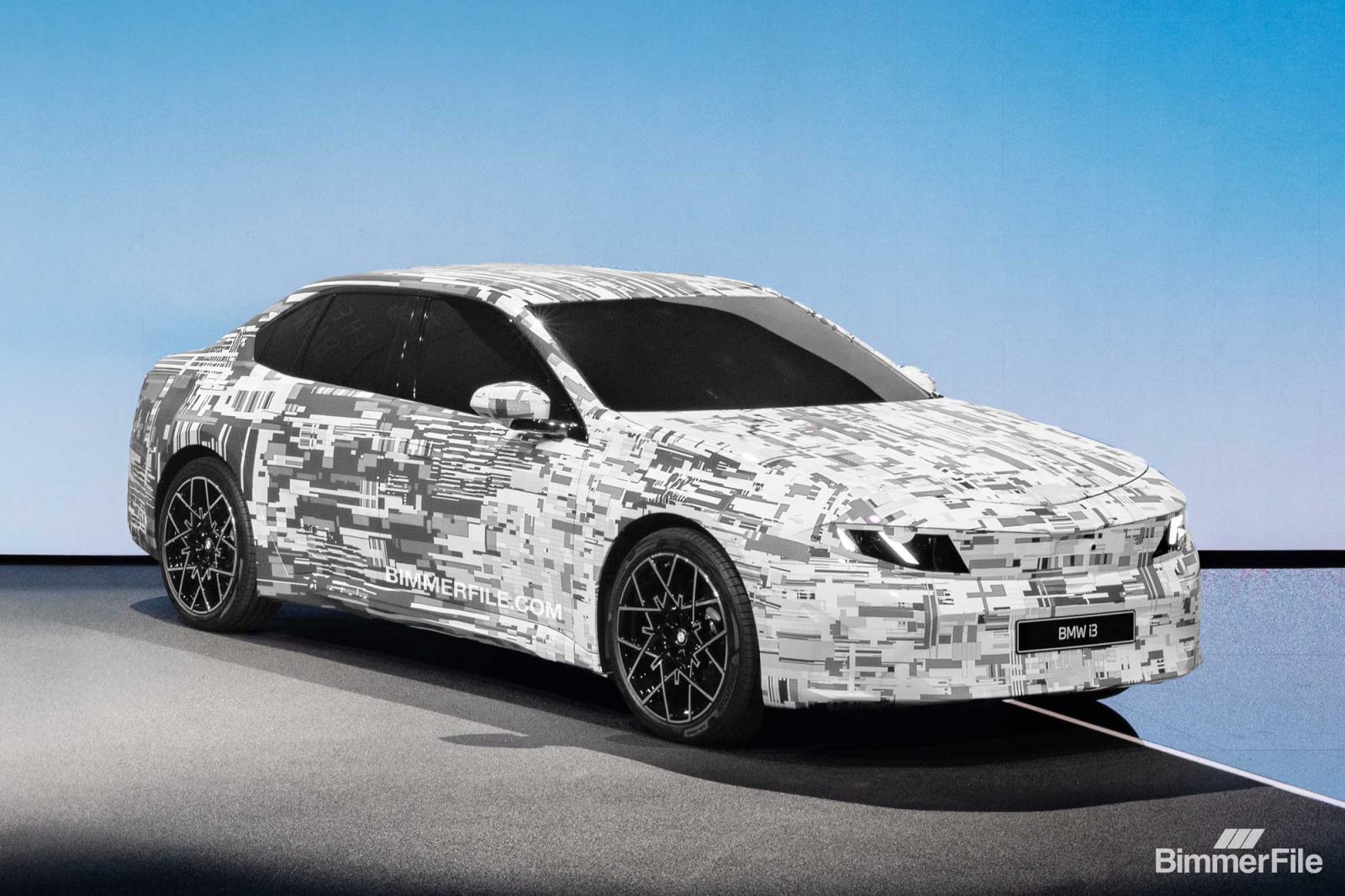
The Neue Klasse will be the backbone of the next generation of BMW electric vehicles, especially in high-volume segments. Models such as the iX3, i3, i4, i5 and i7 will increasingly migrate to the dedicated NK platform as production scale and costs decrease.
But what the New Class doesn’t do is kill CLAR.
Instead, BMW is pursuing both strategies in parallel. The New Class takes care of the EV future without conceding a goal. CLAR keeps the present and near future profitable and adaptable.
This two-pronged approach stands in stark contrast to rivals that plunged headfirst into single-platform electric strategies, only to find themselves in jeopardy when demand for electric vehicles waned or incentives shifted.

The X4 tells you everything you need to know
Perhaps the most revealing example of BMW’s thinking is the X4.
The ICE X4 is effectively finished. Production ends with the current generation; a direct combustion successor is not planned. Instead, the model will live on as the iX4, an all-electric coupe-style SUV based on the Neue Klasse.
This decision seems more surgical than ideological.
Coupe SUVs are image-driven, style-driven products that have less traditional buyers tied to internal combustion engines. It makes sense to electrify this niche first. Core models like the X5, the X6 and the
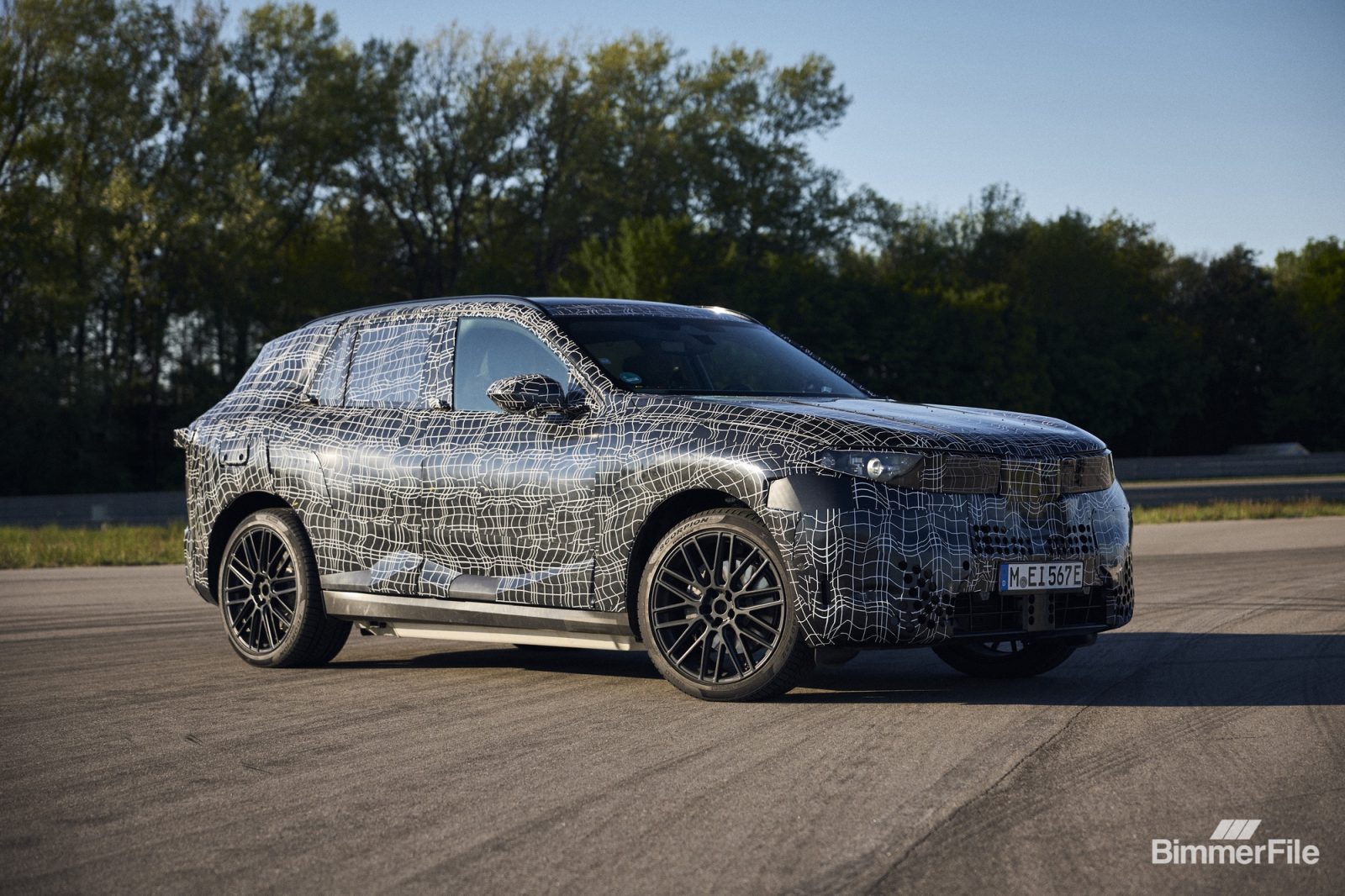
The question in the mid-2030s
The most fascinating part of BMW’s strategy isn’t what happens next year or even in 2028. It’s what happens around 2034 or 2035.
By then, CLAR and UKL will be legacy architectures, the New Class will have matured, and the regulations will (hopefully) be more clearly defined.
At this point, BMW faces a critical decision.
Is it investing in a new generation of combustible platforms? Will CLAR and UKL be fundamentally redesigned to further extend their lifespan? Or will it finally take a hard line and switch to pure EV architectures across the board? Given the direction we’re headed, we expect ICE to last well beyond 2035.
Either way, BMW is obviously keeping its options open. And that might be the smartest move of all.
Rather than bet the company on a single outcome, BMW builds flexibility into its design, manufacturing and product planning. CLAR’s continued existence is not a failure to commit to electrification. It is an admission that the transition will not be clean, linear or smooth.
If anything, BMW’s strategy suggests that the company understands something many others are still learning the hard way: The future is (mostly) electric, but the path to get there is anything but straight.
