 In this article
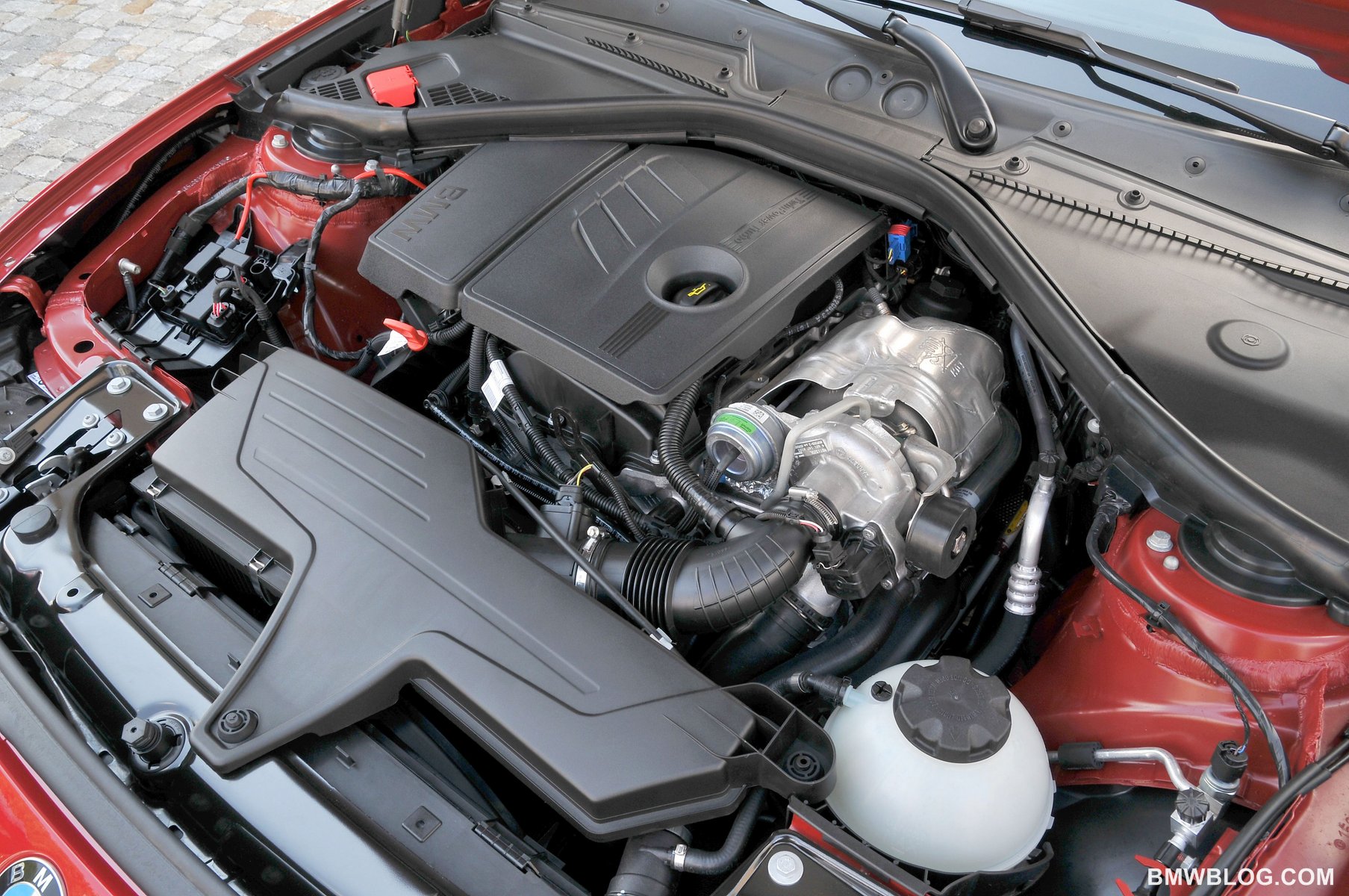
BMW’s B38 engine is rarely in the spotlight, but it has quietly become one of the most important powerplants in the company’s modern lineup. A turbocharged 1.5-liter three-cylinder, the B38 forms the basis of BMW’s modular engine family and shares the core architecture and design philosophy with the B48 four-cylinder and B58 inline-six.
It’s an engine designed primarily for efficiency, but it has proven to be more powerful – and longer lasting – than many expected. From compact hatchbacks and sedans to crossovers and the BMW i8, the B38 has become so widely adopted that its actual strengths and weaknesses are now well understood.
Which cars use the BMW B38?
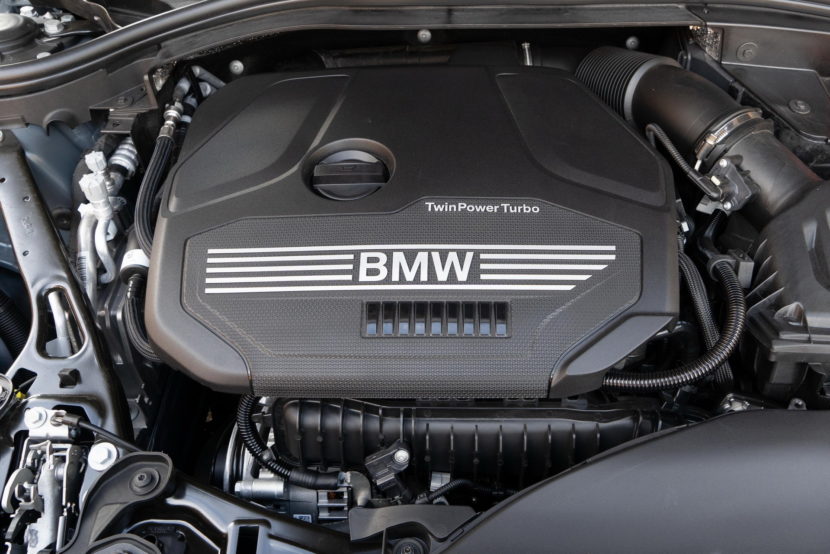
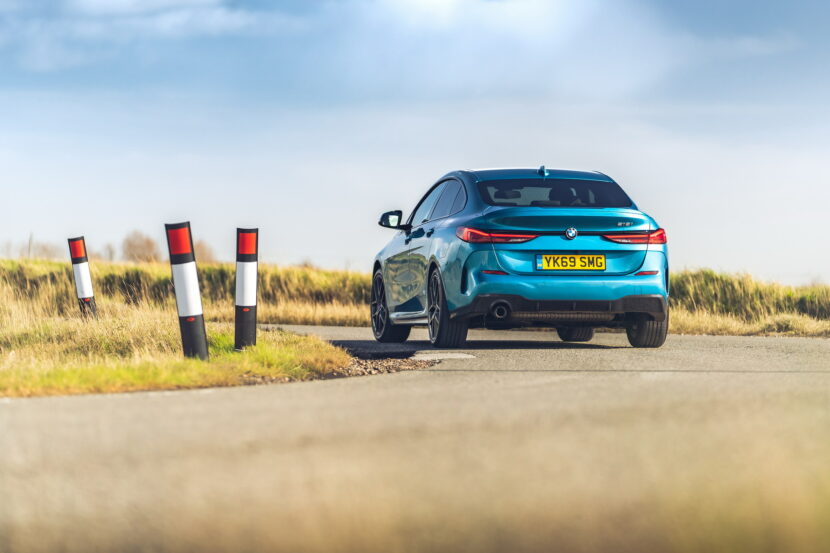
The B38 is available in a surprisingly wide range of BMW and MINI models in both conventional petrol and hybrid applications. Performance and tuning vary by model, but the underlying engine architecture remains consistent.
BMW models include:
- BMW i8 (high-performance hybrid application)
- BMW 1 Series (F20/F21 and F40): 116i, 118i
- BMW 2 Series (F22/F23 and F44): 218i Coupé, Convertible, Gran Coupé
- BMW 2 Series Active Tourer / Gran Tourer (F45/F46)
- BMW 3 Series (F30/F31 LCI): 318i
- BMW X1 (F48 and U11/U12): sDrive18i
- BMW X2 (F39 and U10): sDrive18i and hybrid variants
- BMW 225xe Active Tourer (plug-in hybrid)
MINI models include:

The B38 has also seen limited use outside the BMW Group in range extender and hybrid applications derived from previous BMW technology, further highlighting its adaptability.
Overall reliability record
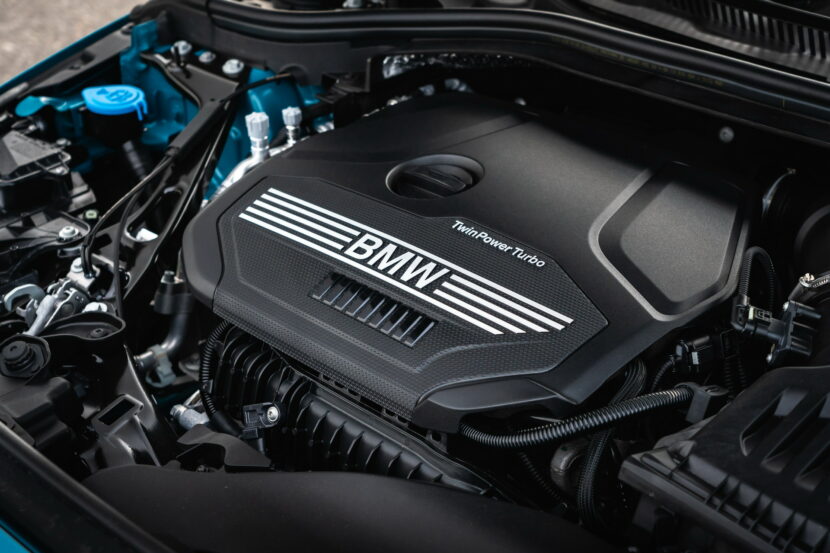
In everyday use, the BMW B38 has proven to be a reliable engine when properly maintained. Early concerns about the refinement and longevity of three-cylinder engines have largely faded as higher-mileage examples continue to perform without major internal failures.
One of the B38’s advantages is its shared DNA with BMW’s larger modular engines. Many components, systems and service procedures are familiar to technicians, which contributes to both long-term durability and operating costs. There are no widespread reports of bottom-end failures or structural weaknesses, and most problems encountered are typical of modern direct-injected turbocharged engines rather than B38-specific defects.
Regular oil changes, high-quality fuel and attention to the cooling system go a long way to ensuring that the engine remains healthy in the long term.
Common issues to be aware of
Like every modern BMW engine, the B38 also has some known weak points:
- Carbon accumulation – Direct injection can cause carbon deposits to form on the intake valve over time, especially in vehicles that are driven primarily on short journeys. As mileage increases, regular cleaning of the intake tract becomes more important.
- Cooling system wear – Electric water pumps and thermostats are well-known wearing parts. There is no guarantee of failure, but they are components that the owner should expect at some point.
- Turbo wastegate noise – Some engines experience wastegate rattling or slight turbo noise at low speeds. This is usually more of an annoyance than a serious reliability issue.
- Ignition components – Coil packs and spark plugs can fail prematurely, although this is common in many BMW engines and can be fixed relatively inexpensively.
None of these problems are catastrophic, and with proactive maintenance it has been shown that the B38 can achieve a long service life.
Efficiency

The B38 is characterized by efficiency. The engine, developed as part of BMW’s downsizing policy, places emphasis on low fuel consumption and reduced emissions without feeling under-challenged in everyday use. The combination of small displacement, turbocharging, direct injection, Valvetronic and double VANOS gives the B38 strong torque in the lower speed range and consistent power delivery. In real use, it feels noticeably more responsive than older naturally aspirated four-cylinder engines with similar performance.
Its compact size and low weight also have a positive effect on the overall dynamics of the vehicle, helping to reduce fuel consumption while maintaining good balance and handling. This efficiency-focused design is one of the reasons the B38 was chosen for use in the BMW i8, where thermal efficiency and space were critical.
Tuning and performance potential
A 1.5-liter three-cylinder isn’t an obvious tuning candidate, but the B38 offers more headroom than expected. A conservative Level 1 ECU tune can provide significant performance gains, often increasing power from the stock mid-range of 130 hp to a mid-to-high 170 hp, depending on the application. The increase in torque is usually more noticeable than peak power and improves mid-range response and everyday driving characteristics.
Basic supporting modifications – such as intake improvements or freer-flowing exhaust components – can further improve throttle response, although gains remain modest compared to the larger BMW engines.
Tuning limits
The B38 has clear limits. The standard turbocharger, fuel system and cooling system set limits to the safe increase in performance. Aggressive tuning without the support of upgrades can quickly jeopardize reliability. Due to the engine’s complex torque and knock management strategies, care must be taken when tuning. The B38 responds best to sensible, well-tuned upgrades aimed at improving drivability rather than chasing big dyno numbers.
Should I get a BMW with a B38 engine?

The BMW B38 is better than its reputation suggests. It’s not designed to excite enthusiasts in the traditional BMW sense, but it succeeds in what it was built to do: deliver strong real-world performance, excellent efficiency and reliable everyday operation for a wide range of vehicles.
When properly maintained, the B38 has proven to be long-lasting and for owners interested in light tuning, it offers worthwhile benefits without sacrificing longevity. It may never replace an inline-six in the hearts of purists, but as a modern downsized BMW engine, the B38 is a capable and sophisticated piece of hardware.
