Article summary
- The 2017 X3 M40i with B58 engine is your safest choice. It combines proven powertrain reliability with modern features and consistently solid JD Power ratings.
- The model year is more important than you think. Critical timing chain issues from previous years have been fixed on the 2 Series and 2016 3 Series – timing is everything when buying a used BMW.
- Skip the V8 engines and use the six engines. The N52 and N55 inline-six engines have proven themselves, while previous N63 V8 engines continue to be money pits for reliability-conscious buyers.
When buying a used BMW, reliability is just as important as the driving experience. Although BMW is always one of the top premium brands when it comes to reliability, not all model years and engines are the same. We’ve put together a guide to some of the most reliable used BMWs according to JD Power reliability data to help you make an informed decision on your next purchase.
Why JD Power is important for used BMW buyers
JD Power’s Vehicle Reliability Study measures problems reported by vehicle owners three years after purchase, making it an invaluable tool for understanding real-world reliability. For comparison: BMW is currently in ninth place overall among all brands with 189 problems per 100 vehicles in the 2025 study – the best result among German luxury brands. However, as you delve deeper into specific models and engines, you’ll discover some real gems worth considering.
BMW X3 with B58 engine – codename G01, model year 2017
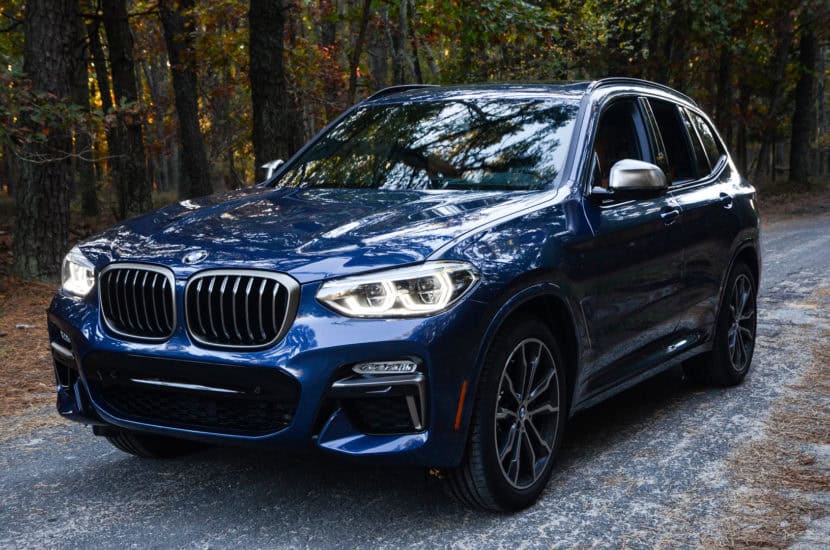
The sweet spot: The 2017 X3 M40i is one of the most compelling used BMW cars available today. Powered by the legendary B58 turbocharged inline-six, this SUV combines impressive performance with proven reliability.
The B58 engine has earned an excellent reputation since its introduction in 2015. Unlike previous BMW turbocharged engines such as the N54 and N55, the B58 solved many chronic reliability problems while delivering smooth, responsive performance. The
What to Expect: The B58 is known to have minimal major problems when properly maintained. Yes, as with any turbocharged BMW engine, there may occasionally be coolant system leaks or valve cover gasket problems, but these are a manageable cost. Regular oil changes with high-quality synthetic fluid and monitoring coolant levels will keep you in good shape. Many owners report over 150,000 miles without any significant drivetrain issues.
Why it ranks: Data from JD Power shows the 2017 model year X3 performs above average in its segment. The B58 combination with the G01 chassis offers a modern, feature-rich driving experience that hasn’t aged badly.
BMW 2 Series – codename F22, model year 2016
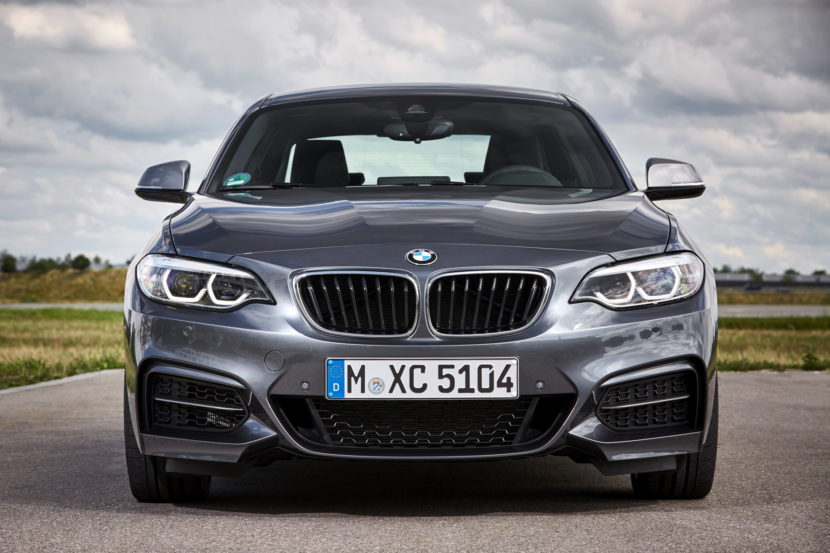
The Overlooked Champion: The 2016 2 Series is a hidden gem in the used luxury market. This compact performer received significant reliability improvements in 2016, particularly through its turbocharged engine lineup.
The key to the 2016 2 Series’ reliability is timing. Early 2 Series models (2014-2015) with the N20 engine suffered from timing chain problems as the plastic chain guides were prone to premature wear. However, BMW corrected this design flaw through revisions made after January 2015, so the 2016 models are particularly solid. The 2016 model year is considered one of the best years for the first generation 2 Series.
Engine Options to Consider: The 228i comes with a 2.0-liter N20 turbocharged four-cylinder (240 hp), while the M235i comes with a 3.0-liter turbocharged inline-six (320 hp). Both are significantly more mature by 2016 and most of the early teething problems have been resolved.
Why it ranks: Consumer Reports data shows the 2016 2 Series to be more reliable than average for its model year. The combination of sharp handling, quality interior and proven powertrains make it an excellent value on the used market. You get spirited driving dynamics without the complexity of larger BMW models.
BMW X5 with N55 engine – codename F15, model year 2018
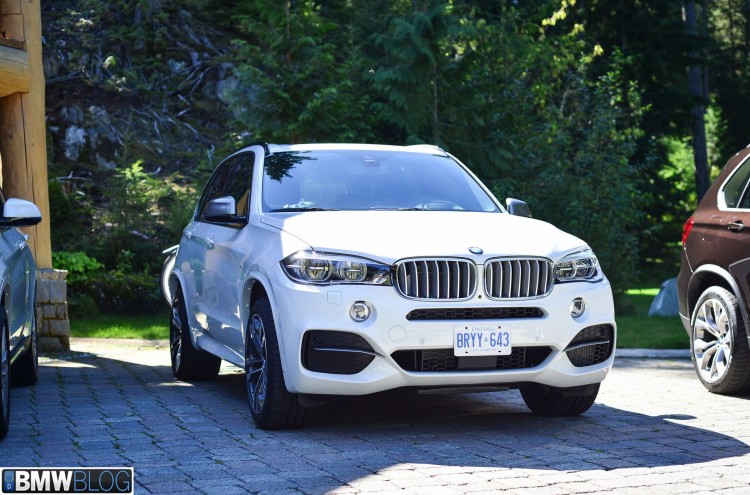
The balanced SUV: Powered by the turbocharged N55 inline-six, the 2018
The N55 engine is significantly more reliable than its previous turbocharged cousins. While previous X5 models with the V8 N63 engine (particularly the 2008-2013 models) struggled with turbocharger failures, oil consumption and valve stem seal leaks, the inline-six N55 offers a more streamlined and reliable architecture.
Important difference: While the 2018 X5 50i came with an N63TU V8, for the N55 you should opt for the xDrive35i or sDrive35i models. These engines have a proven track record and manageable maintenance costs. The final year of the F15 platform also benefited from updated software and the most sophisticated version of the gearbox.
Why it ranks: The 2018 model year was BMW’s final evolution of the F15 and fixes known issues from previous production years. The N55 powertrain alone makes it more attractive than previous F15 models, and owners report solid reliability with proper maintenance.
BMW 7 Series with N52 engine – codename E65/E66, model year 2007
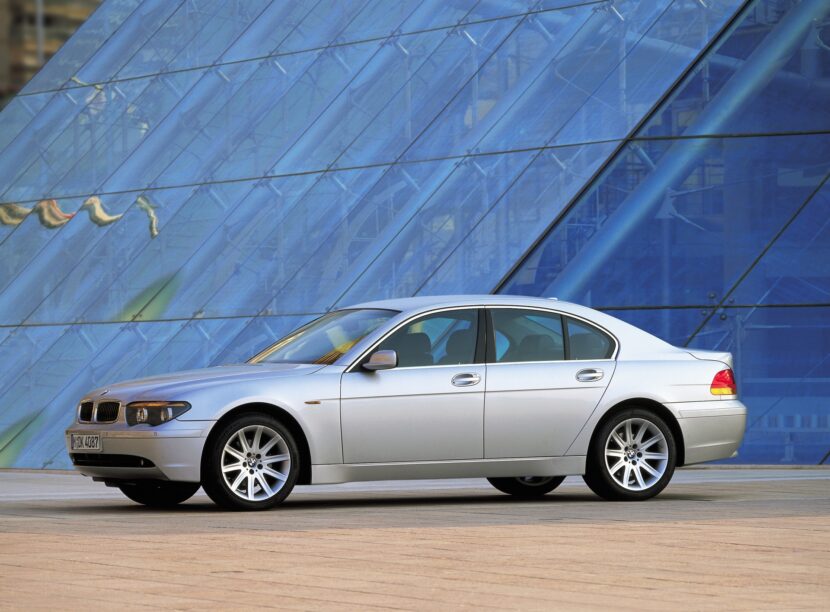
The demanding choice: The 2007 BMW 7 Series E65/E66 with the N52 engine represents a more nuanced reliability story. While the E65 generation (2005-2008) was known for its complexity and electrical gremlins, the naturally aspirated N52 engine is actually one of BMW’s most reliable powerplants.
The N52 won Ward’s 10 Best Engines Awards in 2006 and 2007, and for good reason. Unlike subsequent turbocharged engines, the N52’s simpler design avoids many turbo-related failure modes. The magnesium-aluminum composite block is an engineering marvel and the engine’s track record speaks for itself.
The actual consideration: The complexity of the E65 7 Series goes beyond the engine. Electronics, suspension components and the advanced iDrive system were state-of-the-art for 2007, but age didn’t help everyone. If you’re considering a 2007 7 Series, pay attention to the service history and condition of the electrical systems.
Why it ranks: Despite the E65’s mixed reputation, JD Power data shows N52 models perform respectably. The engine itself is robust and early 7 Series models with comprehensive service protocols often provide many trouble-free miles. The key is to find one that has been well cared for.
BMW 3 Series with N20 engine – codename F30, model year 2016
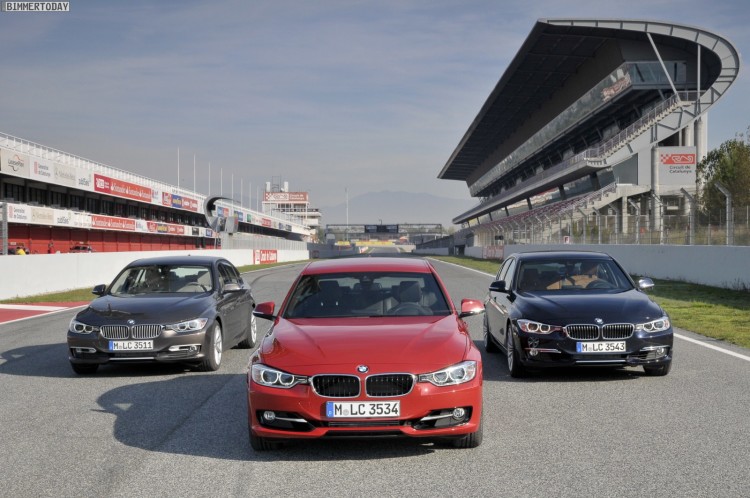
The sensible limousine: The 2016 BMW 3 Series with the N20 turbo four-cylinder engine benefits from the same timing chain corrections that improved the 2 Series. By 2016, BMW had significantly developed this engine, making it a good choice for reliability-conscious buyers.
The N20 makes 240 horsepower in the 328i and offers the kind of turbocharged efficiency that BMW drivers appreciate. Yes, this engine had problems in its early years, but the 2016 model year represents a mature, sorted version.
Why it ranks: The 3 Series is BMW’s volume model and the 2016 version was refined after a production run from 2012. Early issues with timing chains and valve covers have been resolved. The affordable used market value combined with proven reliability makes it an attractive entry point into BMW ownership.
Should I buy a used BMW?
While BMW’s overall reliability has improved in recent years, certain models shine better than others. The 2017 X3 M40i with B58 power, the 2016 2 Series, the 2018
The key is to balance your priorities – whether performance, luxury, practicality or value – with a model and model year that offers reliability.
