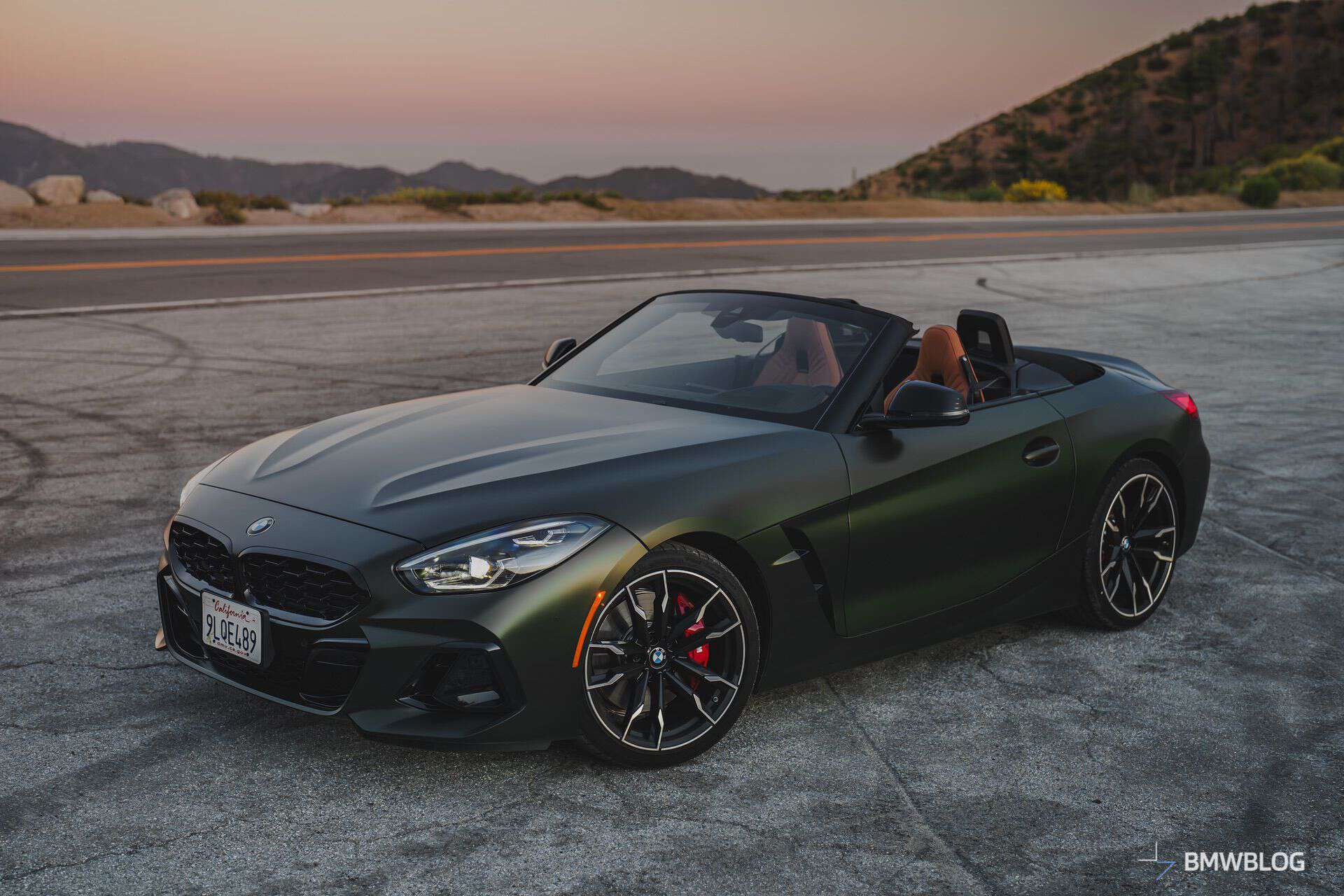
The end of the BMW Z4 Roadster is coming into sight. Production will end in the first half of 2026, and once the Final Edition leaves U.S. showrooms next spring, the long-running two-seater will retire without an approved successor. It’s not the first BMW nameplate to disappear, but this one hurts more than most – because the Z4 is one of the last BMWs that still feels distinctively and uncompromisingly old-fashioned.
And that’s exactly why his departure is important.
A shape that still carries BMW’s classic DNA
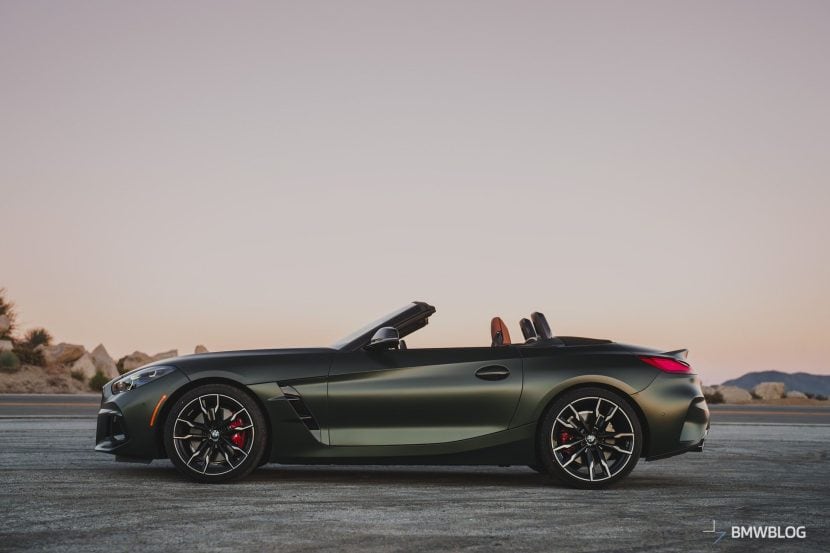
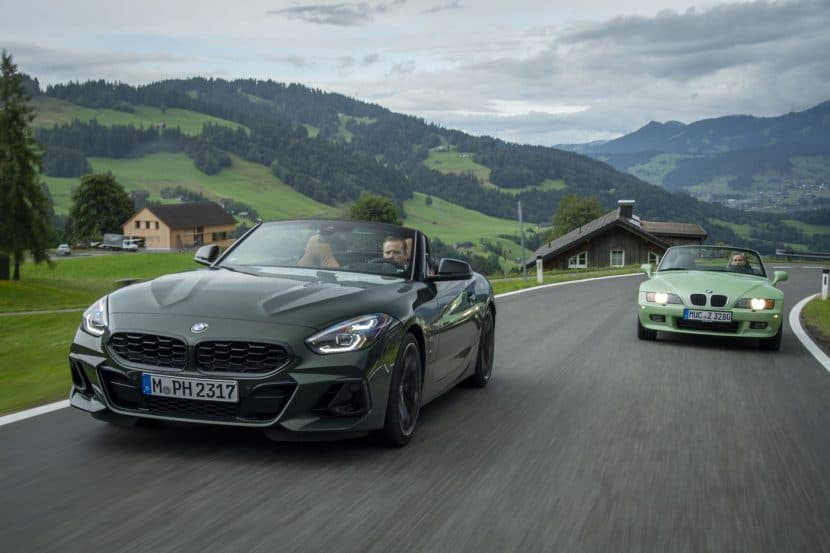
In a BMW world full of crossovers, illuminated grilles and expansive dashboard screens, the Z4 remains a reminder of how BMW used to design a sports car. Long hood, recessed cabin, short overhangs and rear-wheel drive proportions that cannot be confused with anything else. It still looks the way a BMW roadster should look – athletic, balanced and timeless.
There’s even a touch of James Bond nostalgia baked into it. The Z3 stole the spotlight at GoldenEye almost 30 years ago, but the design line is still easy to recognize. Few BMWs today have such a clean, purposeful look. No styling gimmicks, no need to explain the design language – just classic proportions that speak for themselves.
The updated manual switch shows what BMW can still do

If there’s a single reason the Z4 deserves a proper farewell, it’s the manual switch. BMW did the unthinkable in 2024: It gave the Z4 M40i a six-speed manual transmission late in its life cycle. And it wasn’t an afterthought. It drives like something built by people who still understand what a manual sports car should feel like.
The steering is lively and predictable. The rear axle is playful but never nervous. The chassis has the typical BMW mix of precision and elasticity – the ability to handle uneven surfaces while transmitting everything that matters. Among modern rear-wheel-drive sports cars, it’s one of the most satisfying machines to drive on a back road.
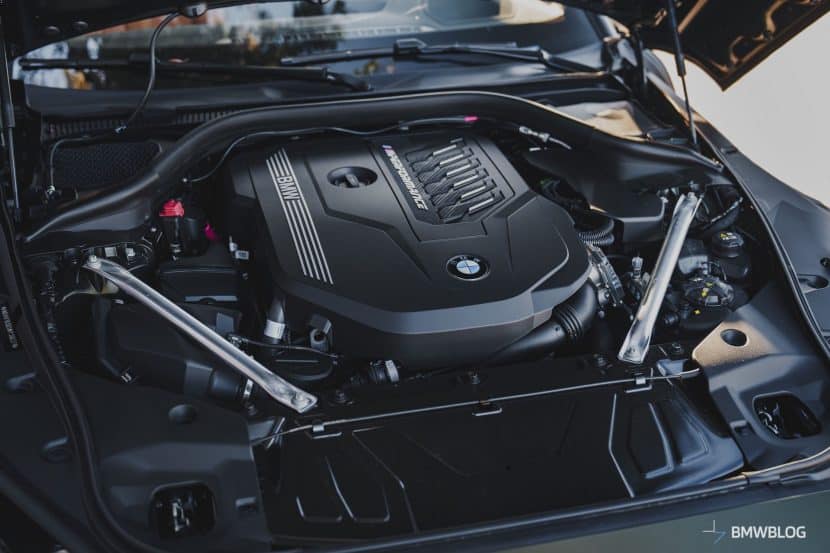
And this engine. The B58 in-line six-cylinder is still one of the best BMW engines of all time: high-torque, smooth-running and full of character, even in times of exhaust filters and noise regulations. Combined with a manual, it’s the closest thing BMW sells today to the old-fashioned straight-six roadsters that made its reputation.
A cabin from another BMW era – in a positive sense
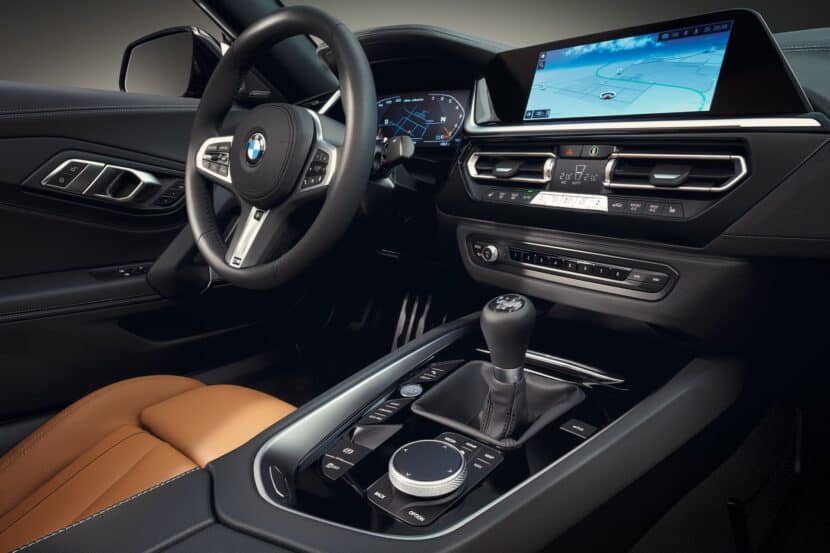
The interior is one of the Z4’s most underrated strengths. Yes, it’s dated compared to the curved displays and digital walls in newer BMWs, but that’s exactly what adds to its charm. The dashboard remains driver-focused. The climate controls are still physical buttons. iDrive 7 keeps everything familiar without taking over the entire car.
The digital screens are small and deliberately reserved by modern standards. The instrument cluster still looks analog. You can get in, put down the top, turn the knob and drive away – without instructions about hidden menus, color themes or virtual widgets.
It is the last BMW sports car in which simplicity seems intentional.
The final edition says goodbye with respect

With the M40i Final Edition for the US market, BMW is giving the Z4 a fitting farewell. Each car is available in Frozen Black with Shadowline decor, offset 800M wheels (19-inch front, 20-inch rear), M Sport brakes with red calipers and a cabin finished in black leather and Alcantara with red stitching. Fully equipped, regardless of transmission choice, it arrives at $78,675.
Even in the last few months, BMW hasn’t shipped it. The side skirts bear the “Final Edition” logo, the wheels are unique and the technical data are not reduced to the essentials. It’s a true farewell – something that’s becoming increasingly rare in the industry.
There is no substitute – and that says it all
BMW has no approved successor to the Z4. Not hybrid, not electric, not even conceptual. The Supra will return without a BMW platform, but Munich is not planning its own new Z car.
A roadster is hard to sell in 2025. Production is expensive, margins are low and regulations are becoming stricter. But the bigger challenge is philosophical: If BMW ever brings back a roadster, it might not feel like this one unless it remains internal combustion engine-equipped.
We already have a preview of what the future could look like. The Porsche community is struggling with the idea that the next Boxster could be electric. Even Porsche openly acknowledges the emotional gap between electric vehicles and internal combustion engine cars. If BMW were to one day revive the Z as a Neue Klasse electric car, it might be fast and efficient – but it wouldn’t generate the emotions that define this car.
The Z4 works because it is mechanical, analog and human. These properties cannot easily be transferred to batteries and motors. And enthusiasts know it.
