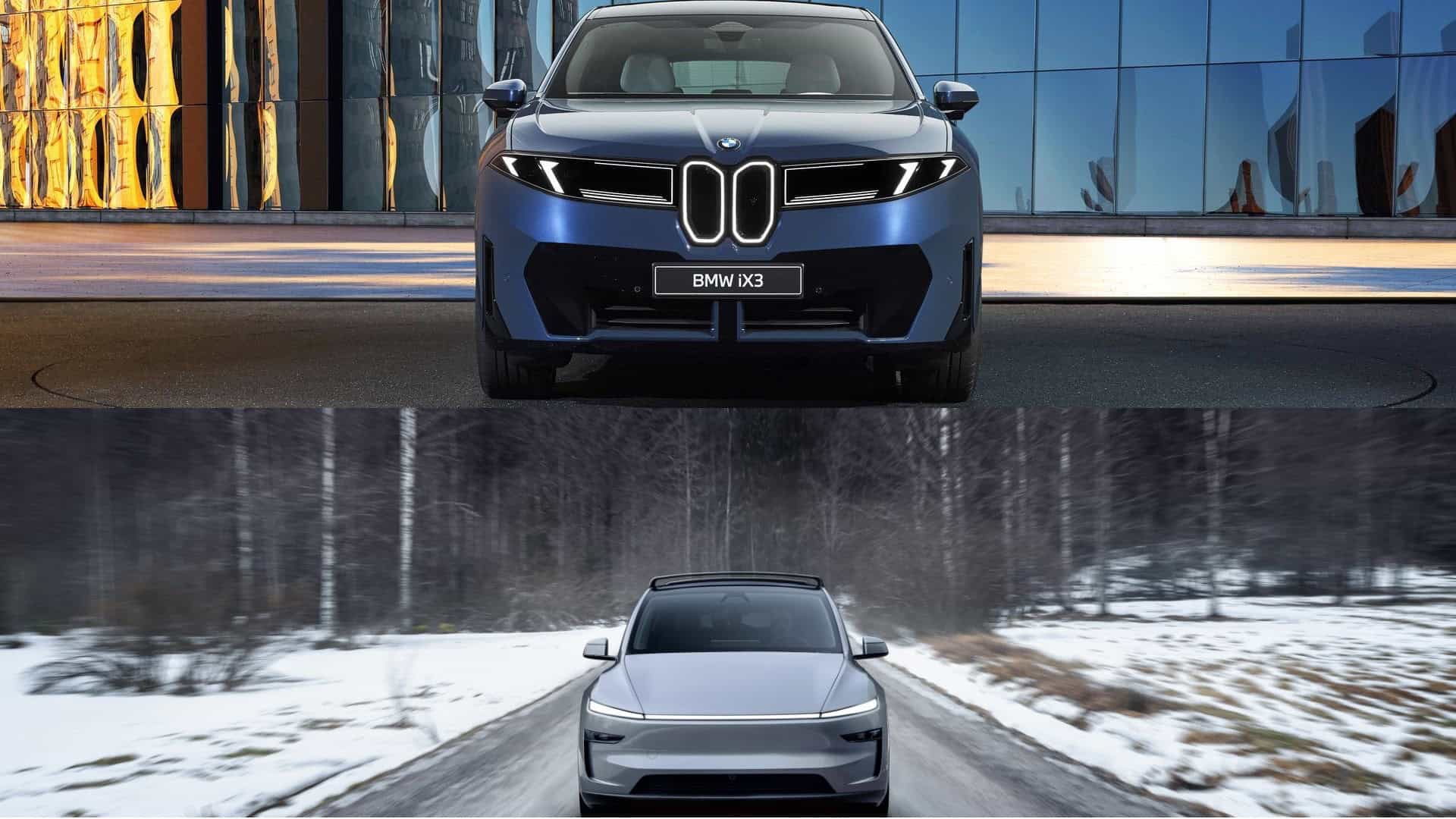
BMW is one of the largest premium automobile companies in the world with 2.45 million sales, a turnover of 166 billion US dollars (142.4 billion euros) and a brand value of 26 billion US dollars. The company also invests $10 billion annually in research and development (R&D) and has technology centers in Silicon Valley, Shanghai, Singapore and Tokyo.
However, all of this does not mean that the company is immune to competition and market risks. The company still faces significant threats that, if left unchecked, could spell the end of its decades-long success. Accordingly, in this article we examine the three biggest challenges facing BMW and how the company can overcome them.
Falling behind Chinese automakers in software-defined vehicles
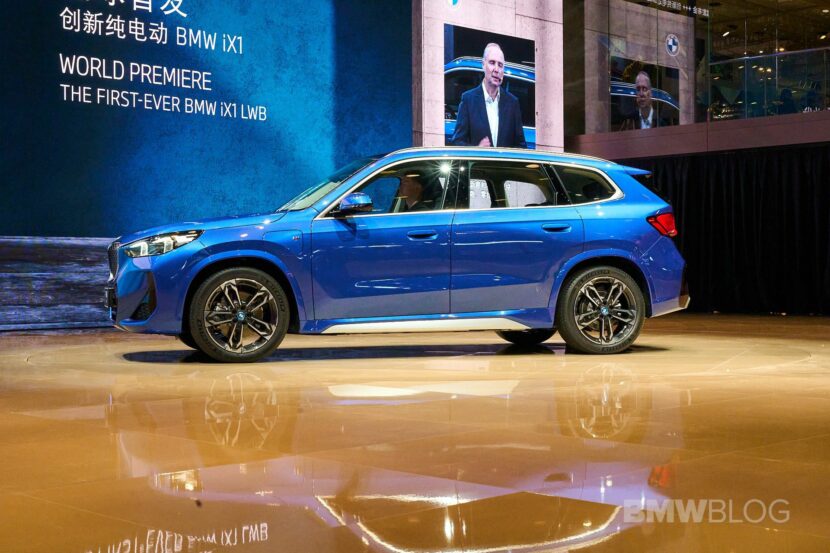
Although China accounts for more than 25 percent of BMW’s total sales, the company has lost momentum in Asia’s largest economy, with sales falling 15.5 percent in the first half of 2025. Much of that is due to the rise of local brands such as BYD, Xiaomi and NIO, which have more advanced software and digital capabilities than German OEMs.
It goes without saying that BMW needs to find a way around this problem or risk having a “Kodak moment.” Finally, nearly 60 percent of luxury car buyers in China are willing to switch brands for better connectivity features, and software-defined vehicles (SDVs) are expected to generate $650 billion in value by 2030.
Oversupply, price wars and new competition in electric vehicles
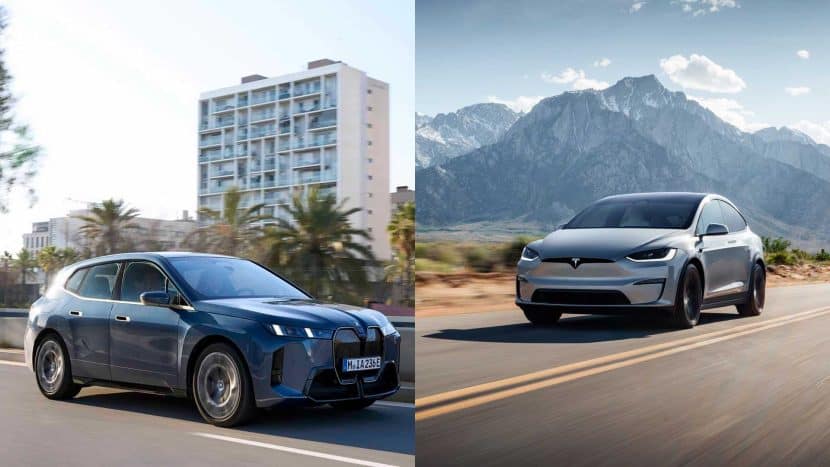
Sergio Marchionne famously noted in his talk “Confessions of a Capital Junkie” that the automotive industry has an overcapacity problem that is exacerbated by OEMs’ overzealous investments in electric vehicles. While greater choice would benefit consumers, the oversupply will also put significant pressure on BMW’s margins and make the market far more competitive than the Munich brand is used to.
Crucially, this EV threat is not limited to China. BMW also faces challenges from American upstarts like Tesla, Rivian and Lucid, as well as legacy manufacturers like Hyundai – whose IONIQ 5 N was named the 2024 Car and Driver Electric Vehicle of the Year.
Trade wars, tariffs and geoeconomic tensions
Globalization was key to Germany’s postwar success, but the international trading environment has become increasingly volatile in recent years due to geopolitical tensions between Europe, the United States and China. In fact, this tension is the main reason BMW’s profit margin fell from 10.3 percent in 2021 to 6.2 percent in the first half of 2025.
The only solution to this is clearly localization/regionalization (as BMW puts it: acting locally for locally). Restructuring decades-old supply chains and production capacity will not yet be easy, especially given the skills shortages, over-regulation and political uncertainty that prevail in most economies.
