Article summary
- Proven German sports sedans were able to beat established competitors and directly inspired the slogan “The Ultimate Driving Machine”. Without them there is no 3 Series.
- The first M car proved that BMW could deliver supercar-level performance with comfort and reliability. Introducing the entire M brand and the E30 M3.
- BMW’s first sporty SUV became a bestseller. Its success transformed BMW into an SUV company and funded the technological dominance we see today.
If you were to count the number of important or influential BMWs in the 100 years of their existence, you would have been there for a while. BMW has important cars from the 1930s and is still producing industry-changing machines. However, if you just want to identify the cars that changed the shape of BMW forever, there are three that stand out far more than the rest.
To be considered truly groundbreaking cars, they must draw a line in the sand of BMW’s history, sharing what the brand once was and what it later became. There are many cars that have led to a small change at BMW, such as the E28 M5 and the BMW i3. However, these three cars changed BMW’s direction forever.
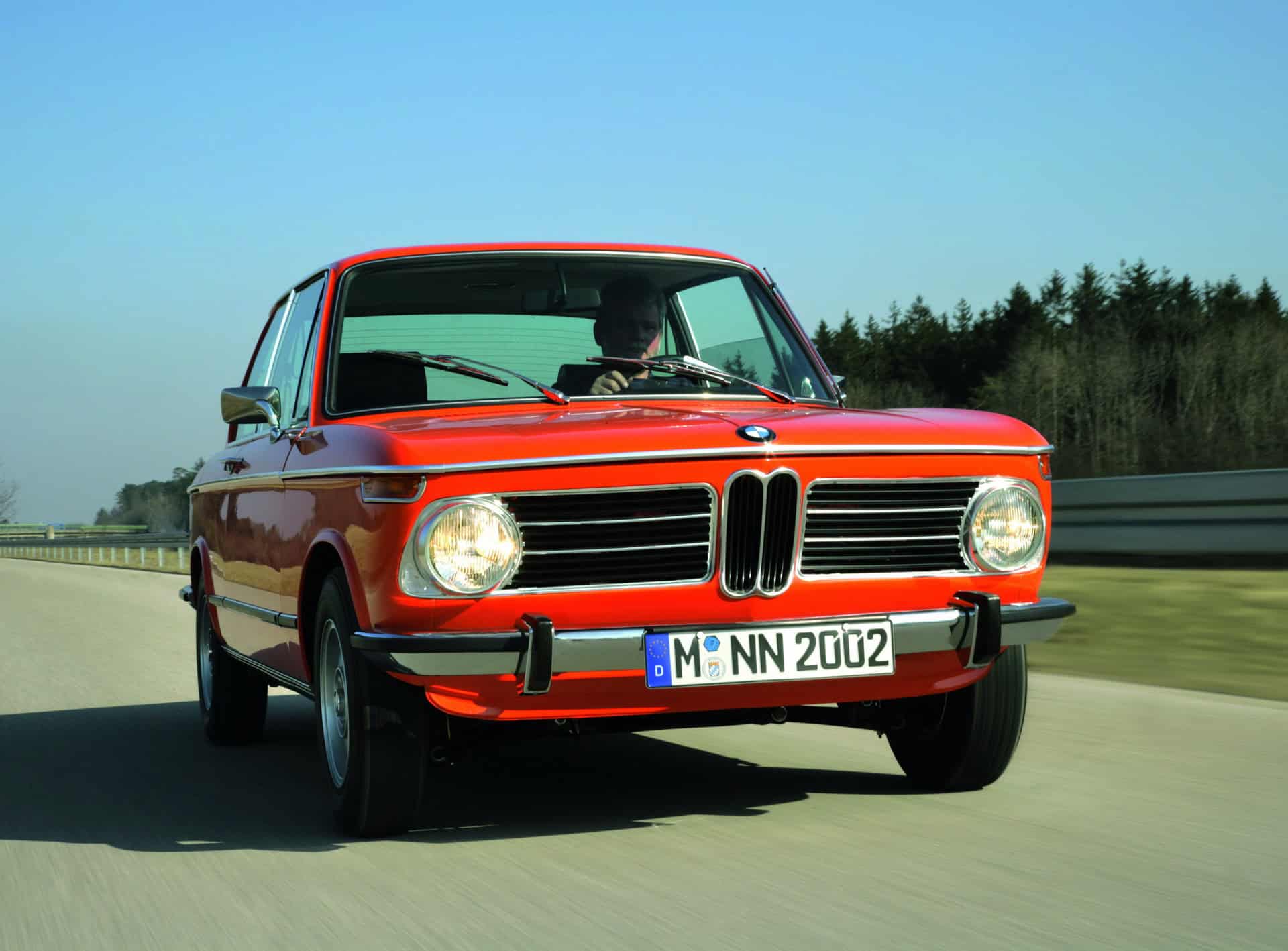
BMW 2002
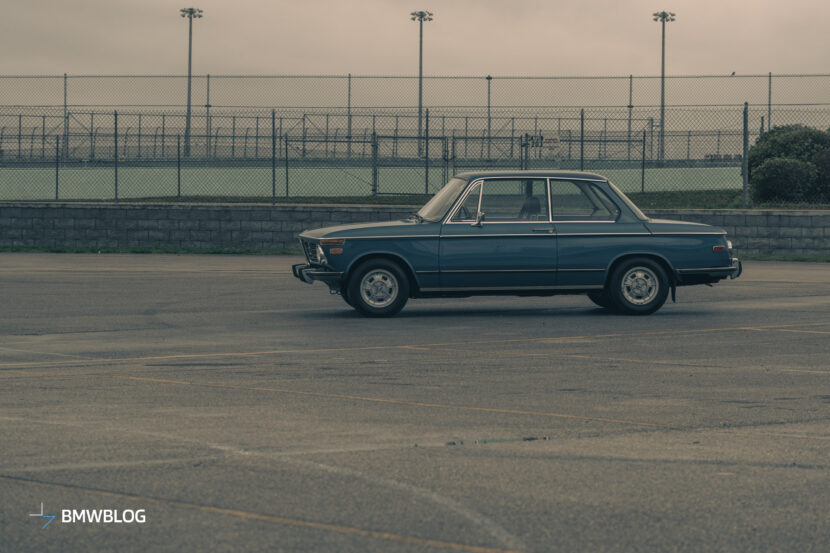
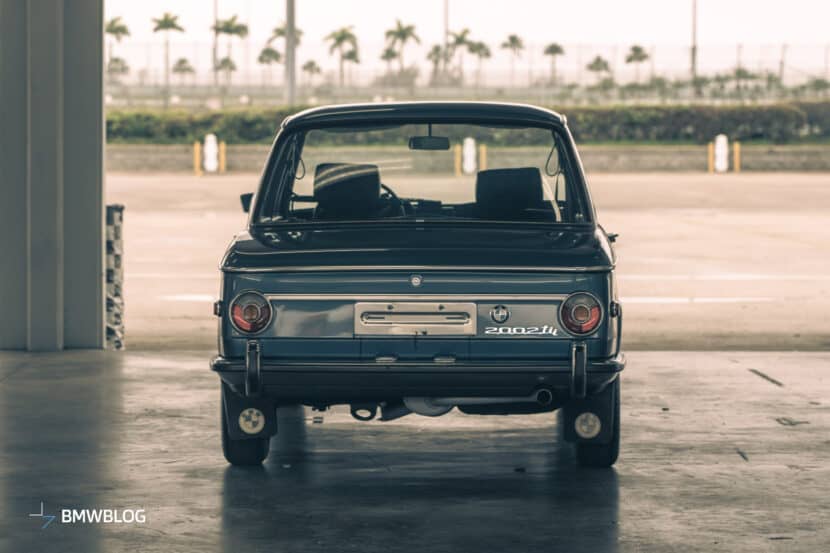
It’s impossible to start this list with anything other than the BMW 2002. Bavaria’s most important car, the BMW 3 Series, does not exist without the 2002. And not only that, BMW’s slogan “Ultimate Driving Machine” does not exist without the 2002. The car review that is often considered the best car review of all time and one of the reviews that got me writing about cars was David E. Davis’ Car and driver Test report on the BMW 2002.
Davis’ words about the 2002 helped change America’s view of German sports sedans by proving to them that light, agile cars with modest power were not only fun, but also fast enough and powerful enough to defeat even far more established sports cars. This quote about what the 2002 did to more traditional sports cars, some with bigger engines, will always make me smile: “What you like to look for are Triumphs and Porsches and so on. They can slaughter them no matter how hard they try. And they always try. They really believe all this jazz on their highly tuned, sophisticated sports machines, and the first few hits through the 2002 make them think they’re on a bad ride or something. But then they learn the terrible truth and start hanging back at traffic lights and pretending they’re not actually racing and stuff. Ha! Grovel, Morgan. Sneak home with your tail between your legs, MG-B. Hide in the garage when you see a BMW coming. If you have to race something, pick a sick kid on an old bike.”
This review came to public attention in 1968. Six years later, in 1974, board member and legendary automotive executive Bob Lutz pushed BMW to develop a unified marketing vision based on performance, not luxury, to differentiate the brand, particularly in America. When the advertising agency Ammirati & Puris presented “The Ultimate Driving Machine,” Lutz and BMW knew immediately that it was the right thing. And given BMW’s newfound car enthusiast market, thanks in no small part to Davis and 2002, the slogan really meant something. BMW has maintained this reputation ever since.
The 2002 was the car that first proved to the world that BMW was awesome. It helped BMW stand out from another German company, Mercedes-Benz. Without 2002, there would be no 3 Series or any of BMW’s iconic sports sedans of today. It was the defining moment for BMW, the car that gave the brand the vision of what it needed to be. It changed BMW forever.
BMW M1
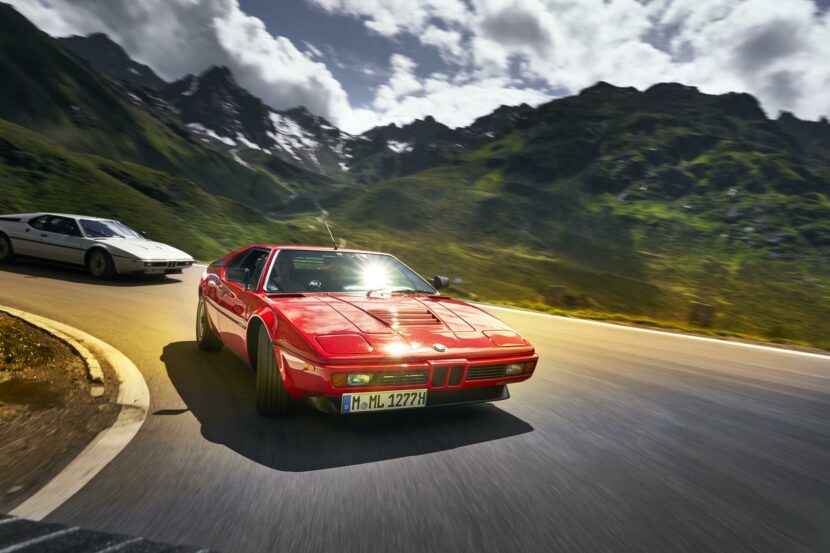
You’ve no doubt seen countless M cars on the road, as BMW has been releasing them in large numbers since the 1980s. However, there were no such cars before the M1. In the 1970s, BMW’s motorsports division, whose sole mission was to build race cars, needed a replacement for its highly successful but aging 3.0 CSL and wanted to switch to a mid-engine platform in order to build one. We’ve already covered the M1’s history in detail, but the cliffnotes version says that the M1 was developed as a road car for homologation purposes so that BMW could race it in various touring car classes.
Although it didn’t sell very well because the road car project was a bit of a mess, driving up production costs way too high and thus making the price way too high for customers, it still changed the brand forever. For the first time, BMW sold a “motorsport” product with an “M” emblem in the name and the colors of the motorsport division. It was the first M car and the world took notice.
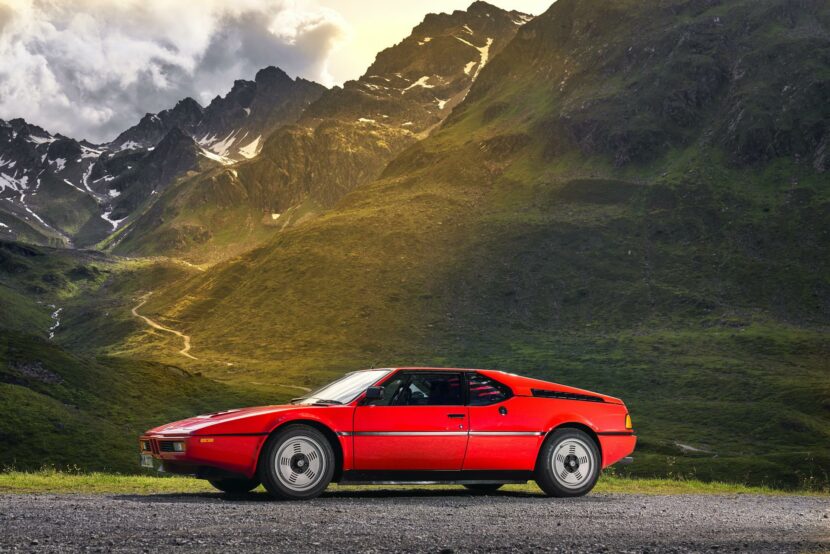
Even without the significance of its emblem, the BMW M1 was a huge turning point for the brand. Despite its failure in sales, the M1 was a sensational machine. Its beautiful Giugiaro-designed wedge shape looked as exotic as anything from Lamborghini or Ferrari, yet it was comfortable inside and had actually usable interior space, something Italian brands couldn’t always boast about. And although its 3.5-liter inline-six wasn’t as exotic on paper as the Italian V12 engines, the power and noise it produced were very exotic. The BMW M1 proved that BMW can produce powerful machines that can compete with the best supercar manufacturers in the world, while offering a level of comfort, refinement and reliability not normally found in such cars. It proved this not only to the world, but also to BMW.
After the M1, BMW built the first mass-produced M car, the E28 M5. Then the E30 M3. And the rest is history. But none of that would have happened with the M1 and the M division wouldn’t have existed at all. And now that every BMW seems to wear an “M” badge, whether it was built in Garching or not, it seems like the M1 has changed far more than just performance cars, but the face of the brand as a whole.
BMW X5
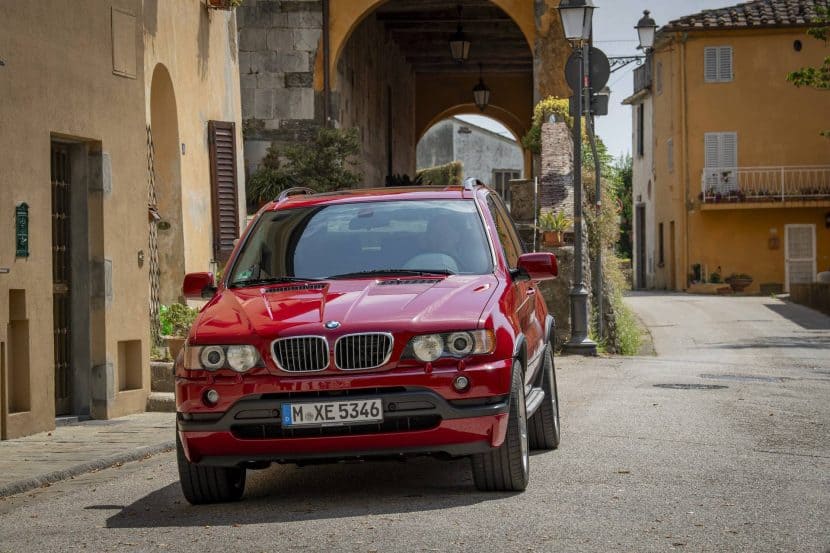
For a brand built on its reputation for building sports cars and surprisingly nimble luxury cars, it’s strange that one of its most impressive vehicles was actually a luxury SUV. However, the original E53-generation X5 marked a radical change in BMW’s history and set the company on the path to becoming one of the largest and most profitable automobile manufacturers in the world.
In the late 90s, BMW was smart and saw the writing on the wall. It knew that North America was and would remain its largest market, and it saw how SUV-crazy American customers were. Cars like the Ford Explorer, the Chevy Tahoe and even the Mercedes-Benz ML-Class dominated suburban driveways, and BMW wanted to gain a foothold in the market. So they set out to build their first-ever SUV, but did so the only way they knew how. BMW made it sporty.
With its powerful in-line six-cylinder and powerful V8 engines, the BMW X5 was no ordinary people’s engine. It was fast and made great noises regardless of what engine was under the hood. Additionally, the steering and handling were more like a large sports car than a lumbering body-on SUV. Despite its sportier handling and more comfortable ride, it wasn’t bad off-road either. It proved that SUVs don’t have to be boring, a lesson Porsche followed (and admittedly improved) with the first-generation Cayenne. However, today’s sporty SUVs all owe their existence to the first-generation X5.
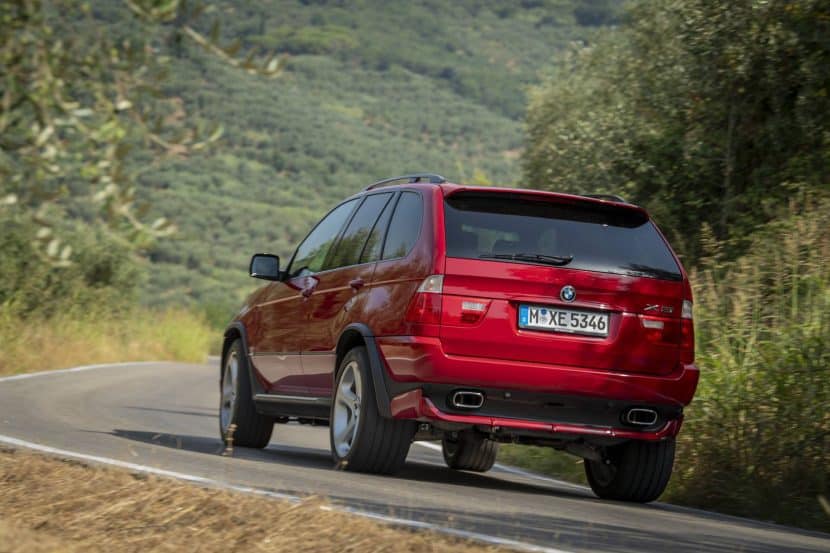
However, the OG X5 was more than just influential. It was also a complete sales success. The X5 was so successful that BMW couldn’t help but become as much an SUV company as a sports car company. People wanted BMW SUVs, especially in America. Shortly thereafter, BMW launched the X3, and the rest is history. There is a BMW SUV in every possible segment and more. BMW formed SUV segments with cars like the X6, X4 and X2, segments that were copied by every other automaker in the world. And the massive increase in SUV models meant a huge increase in sales and profitability. The success of the first-generation X5 and its subsequent SUV siblings gave BMW the financial wherewithal to become the automotive technological powerhouse that it is. Without the first generation X5, BMW would not be the company it is today.
Some enthusiasts might argue that’s a bad thing, that the original X5 forced BMW to stray too far from its roots in search of big bucks. And maybe that’s true, maybe BMW would still be a small but profitable sports car maker if it never embraced the SUV trend. However, I would argue that BMW’s recent move away from its “Ultimate Driving Machine” ethos has more to do with the brand’s search for overall customer appreciation than with vehicle types. Look at Porsche. It makes SUVs, electric vehicles, station wagons and sedans, but they all drive similarly Porsches. So the frustrations with BMW’s current range of vehicles aren’t the fault of the original X5, because that car drove like one BMW. The original X5 was a monumental achievement that stunned the world and changed BMW forever. It deserves its place among the greats.
