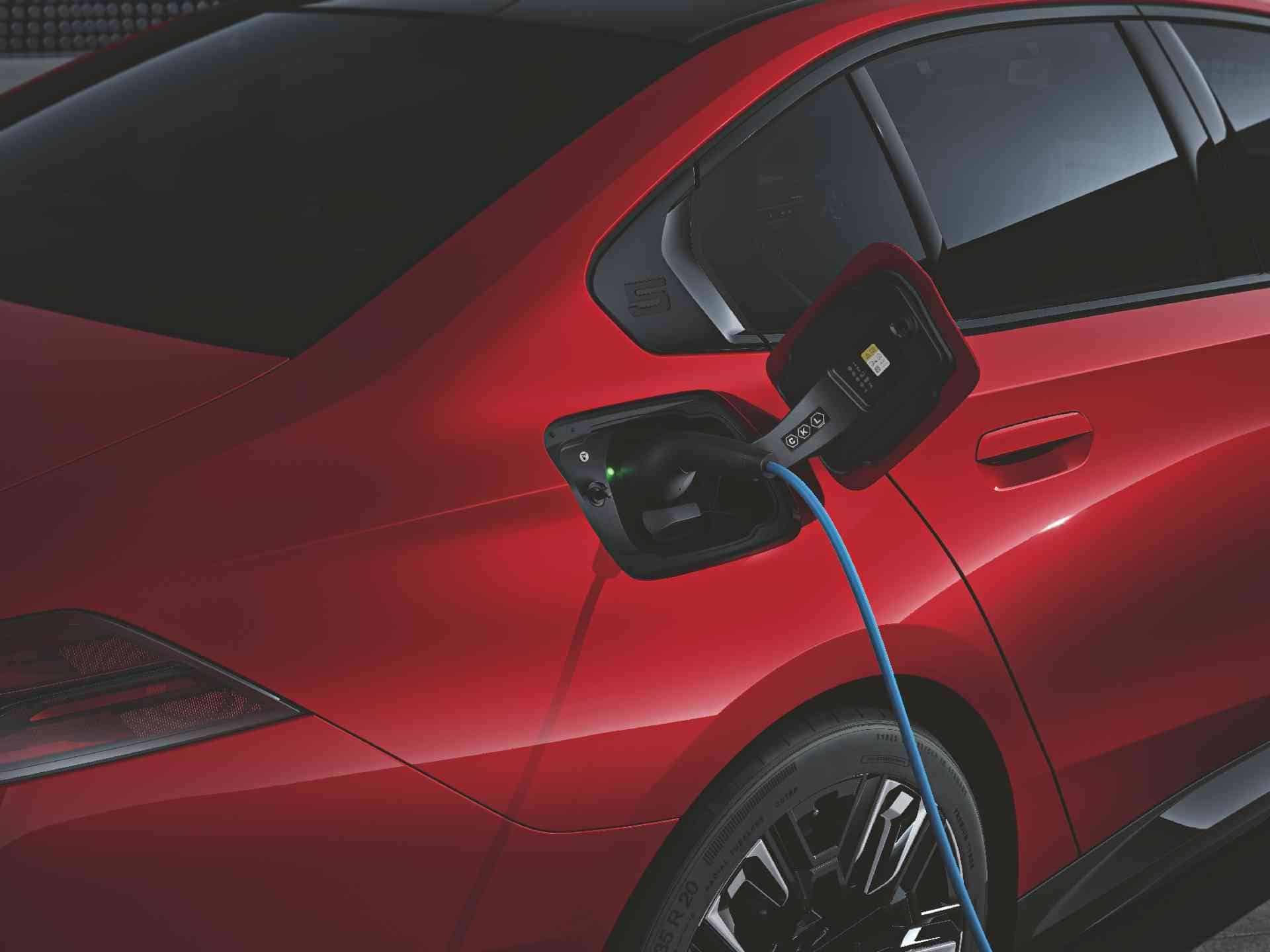
Scroll through the comments under almost any BMW post about an electric model — especially something new like the upcoming iX3 — and you’ll see a familiar refrain: “BMW should stop making electric vehicles.” “Stay true to your roots.” “We want gas cars.” “Nobody cares about electric vehicles.” “Keep the BMW M brand pure.”
I understand it. Some people really love internal combustion engines. Others live where the charging infrastructure is unreliable. And many are simply old-school BMW enthusiasts who feel disconnected from the EV era. So let’s play devil’s advocate. What if BMW actually came out tomorrow and said, “We’re done with electric cars. From now on it’s only gasoline cars”?
Let’s find out what this world could look like.
1. The regulatory wall
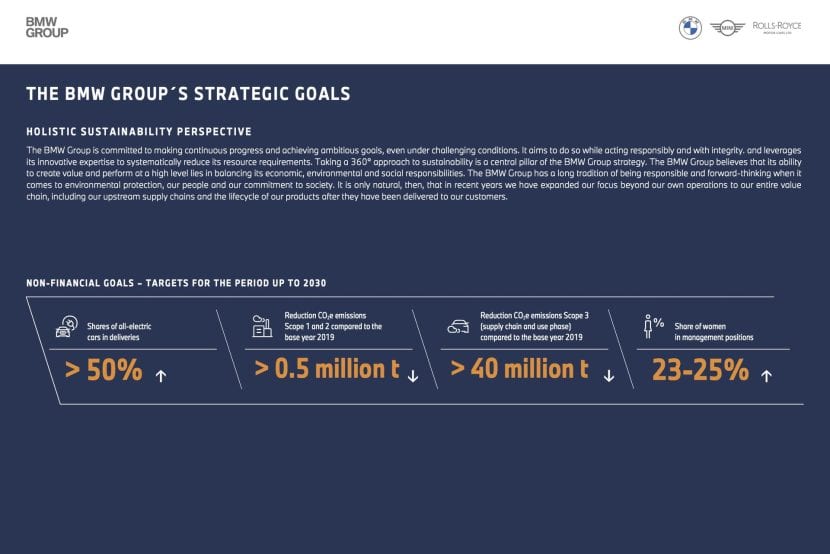
Even before market forces come into play, BMW would face a legal hurdle. Europe plans to stop selling new internal combustion engine vehicles by 2035 (although that is still unclear), China is tightening its quotas for new energy vehicles and the US is imposing increasingly strict fleet emissions limits. Without electric or hybrid vehicles to offset CO₂, BMW faces billions in fines and may not sell any cars at all in some markets. In other words, “gas only” is not a business model – it is a countdown to exclusion from key regions. Just like the plug-in hybrid M5 would have been excluded from some markets.
2. Losing ground with customers
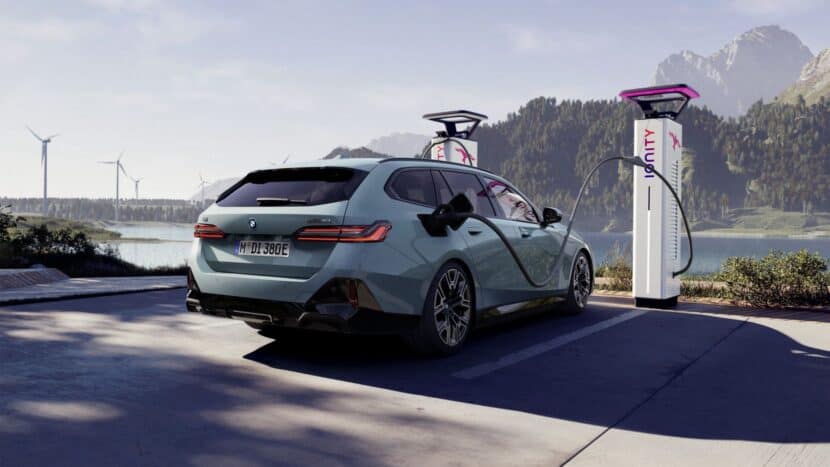
A large portion of BMW’s current growth comes from electric vehicles. In 2024, electric BMW sales rose sharply, and the Neue Klasse will only accelerate this trend. Many buyers want both: an M3 or M2 for the weekend and an electric SUV for everyday life. If BMW stopped offering electric vehicles, these customers wouldn’t suddenly abandon electrification – they would simply switch to Mercedes, Porsche or Tesla. The result? A shrinking customer base and an aging demographic.
3. Brand perception: From innovator to relic
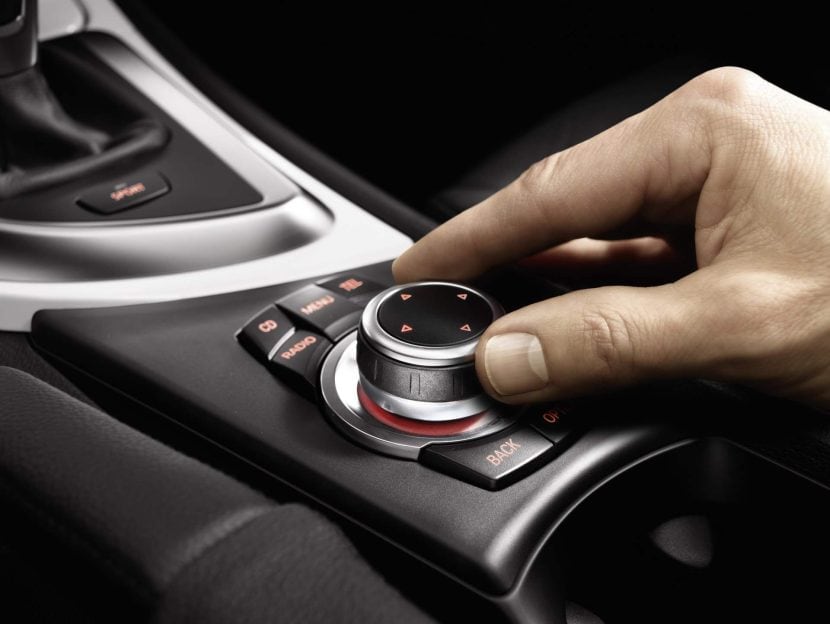
BMW’s image has always been associated with progress – the company that pioneered fuel injection, turbocharging, carbon fiber and iDrive before others dared. Abandoning electric vehicles would destroy this story overnight. To customers, BMW would appear less like an innovator and more like a brand that remains stuck in the past. In a premium market where buyers value both performance and technology, appearing dated isn’t just a PR problem, it’s also a sales problem.
4. Falling behind technologically

The New Class isn’t just about electric motors and batteries – it’s the foundation for BMW’s next leap in dynamics and intelligence. The “Heart of Joy” central computer coordinates power delivery, traction and chassis control faster and more precisely than any combustion system. By abandoning electric vehicles, BMW would be giving up the very technology that could redefine what “driving fun” means over the next decade.
A pure ICE system would mean technical stagnation – sticking with yesterday’s tools while competitors move the goal posts.
5. A cost and supply chain nightmare
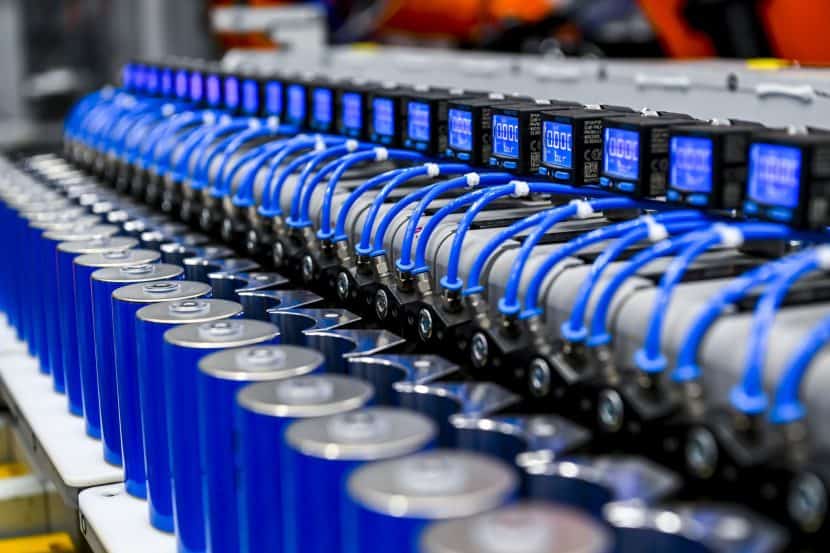
Car manufacturers worldwide are investing billions in batteries, semiconductors and electric drives to increase production and reduce costs. The more they build, the cheaper each electric vehicle becomes. A BMW exit would mean higher costs per unit, no access to shared technology and a dependence on ever more niche suppliers for engines, exhaust systems and exhaust components. That’s a recipe for shrinking margins in a company that’s already under pressure.
6. Decline in market share
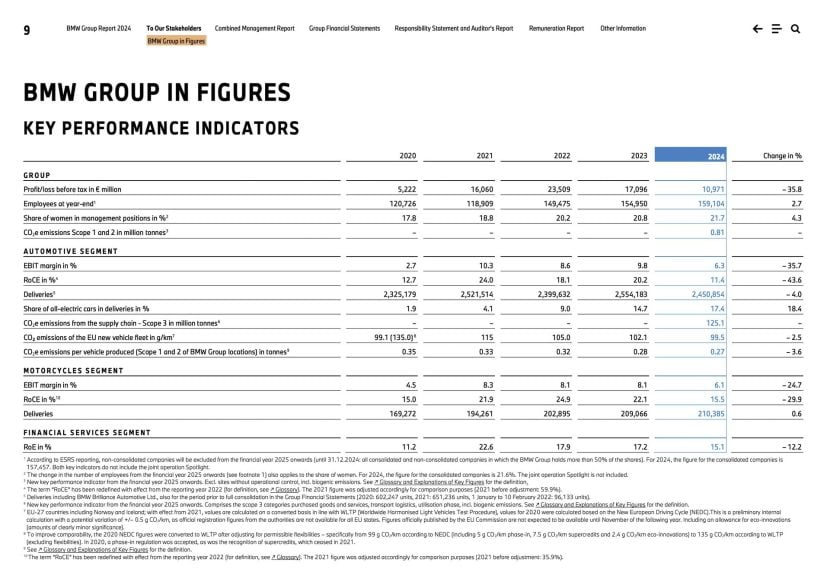
Electric vehicles are the fastest-growing part of the global automotive market – and in several countries they are already outperforming diesel or plug-in hybrids. If BMW were to drop out of this race, the company would hand over growth markets to its competitors and watch its global market share shrink year after year. It’s not just about profit; it’s about visibility and relevance. You cannot be a global premium leader if you lack the largest and most dynamic segment.
7. Corporate conflict and ESG backlash
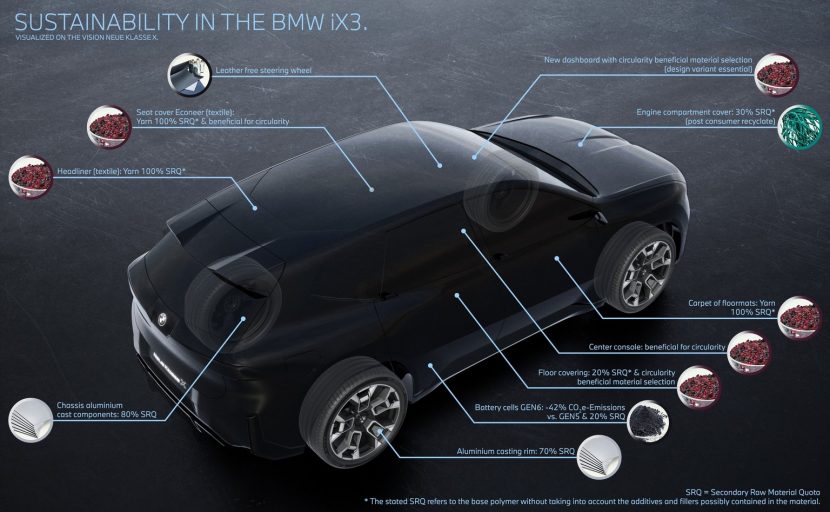
The damage would not be limited to consumer perception. In today’s industry, sustainability is directly linked to investment and regulation. A BMW that rejects electrification would face pressure from ESG-focused investors, higher borrowing costs and possible deterrence from governments or partners aligned with climate goals. The headlines wouldn’t be about driving pleasure, but rather about a company unwilling to evolve in a world that demands progress.
8. The “Too Late” Trap
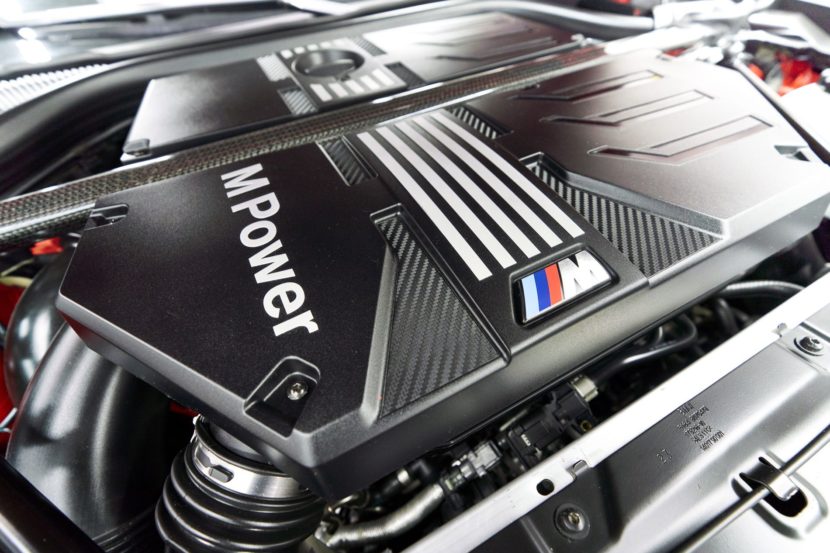
Let’s say BMW stuck with internal combustion engines only for a decade and then changed its mind. By then, battery technology, software and charging ecosystems would have made dramatic progress. The competition would be years ahead, production networks would be locked down and catching up would cost billions. Starting from the back is much more difficult – and far more expensive – than continuing to develop now.
9. Abandoning the next generation
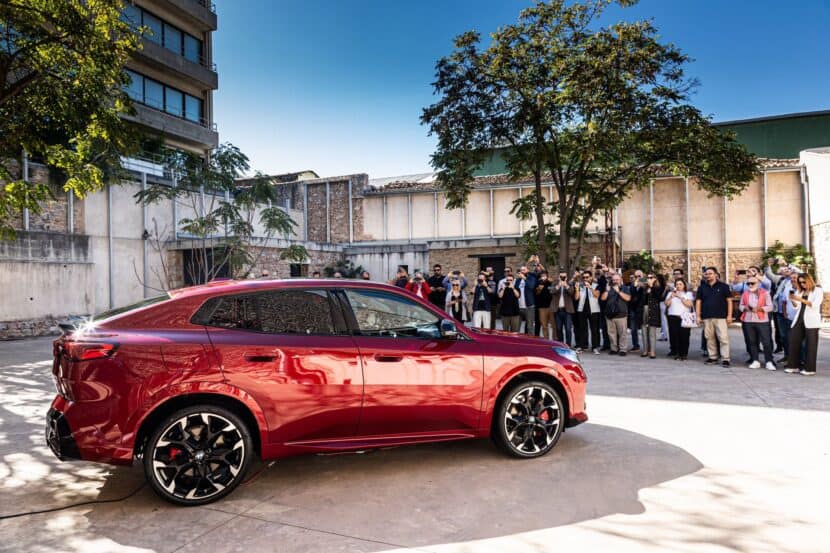
Younger buyers are already growing up with electric vehicles as normal. To them, a company that refuses to innovate feels irrelevant, no matter how great the engines sound. If BMW wants to remain desirable in the coming decades, it must speak the same language with its future customers – a language that encompasses sustainability, connectivity and new driving experiences. Moving away from electric vehicles would completely silence this conversation.
10. The real “Stay true to your roots”
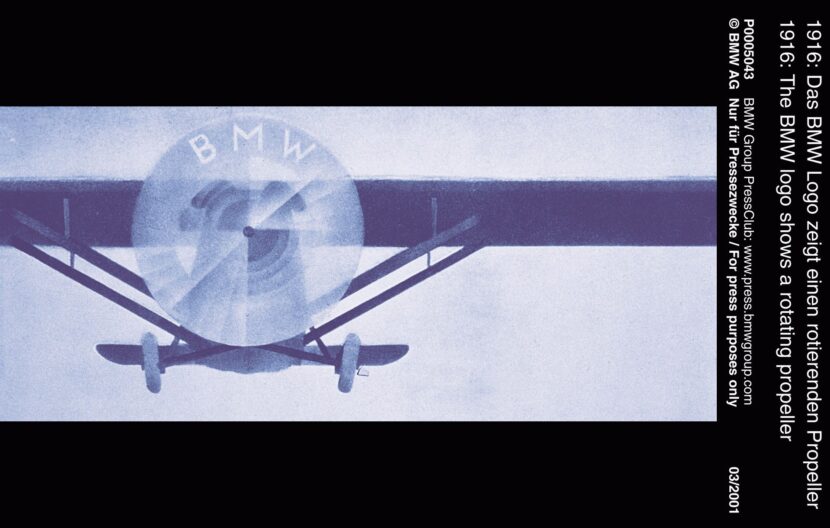
BMW’s roots aren’t about resisting change; They’re all about technical excellence and driving pleasure. The company has reinvented itself many times – from aircraft engines to motorcycles, from carburetors to turbocharging, from analog dashboards to iDrive. Electric vehicles are simply the next evolution of the same mindset.
Refusing to move forward wouldn’t preserve BMW’s identity – it would erase it.
The smarter play is what BMW is already doing: offering choice. Continue to improve internal combustion engines for markets that still want them, but lead the New Class with those ready to switch to electric power. This is how you protect your heritage and secure the future. Because if BMW ever really said, “No more electric vehicles,” that wouldn’t be a bold statement of tradition. It would be the beginning of the end.
