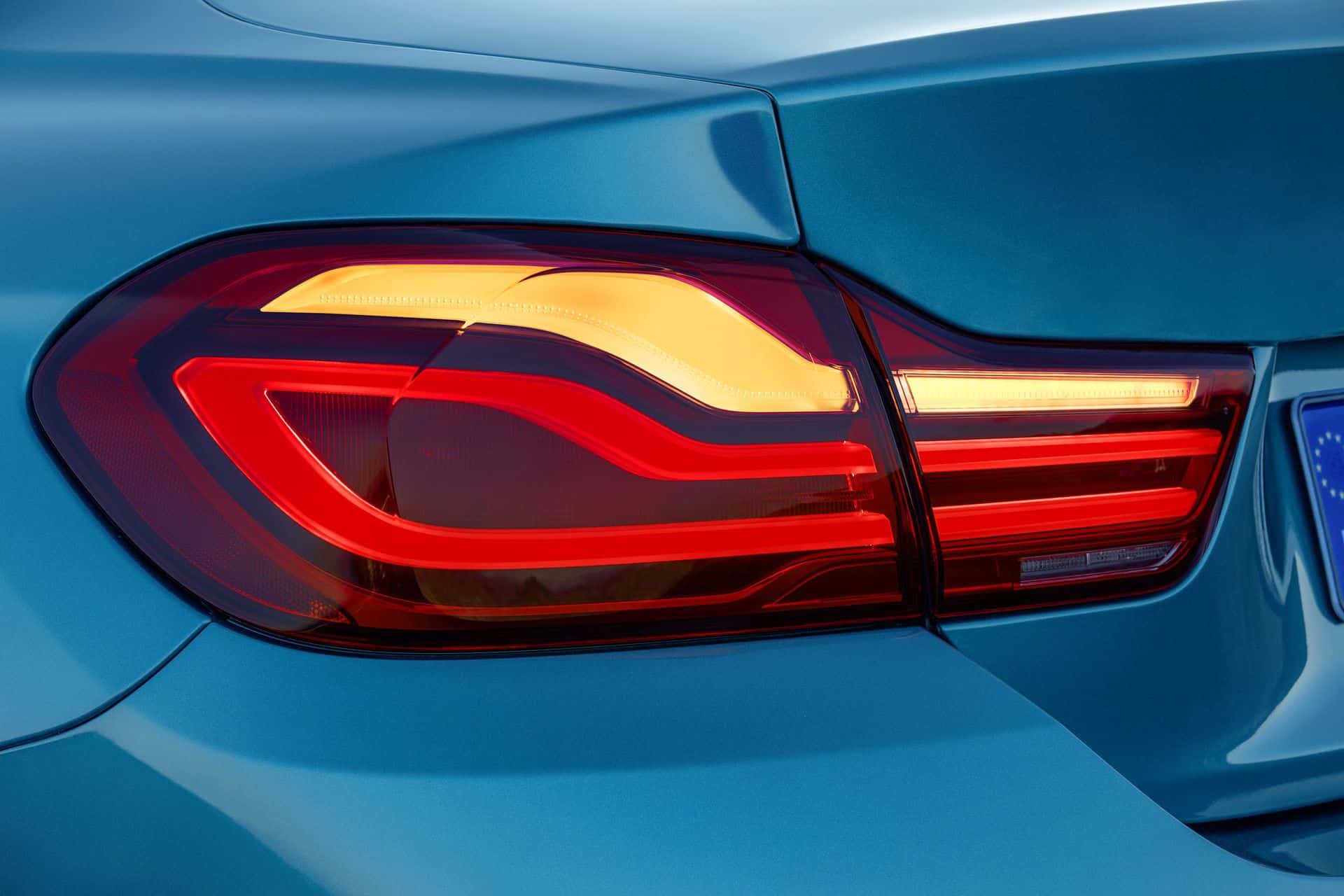
A US BMW parked in Germany always attracts attention. It is not the shield or the decorative badge. It is the light. European cars signal with a clear yellow flash. American cars signal with red, which merges into the brake and tail lights. Most people won’t notice. Anyone who pays attention to design will.
Two rule books, two lamp designs
It is often assumed that this difference exists because Americans prefer red or because it saves money. The real reason is simpler: the regulations don’t match. Europe follows ECE Regulation No. 48. The USA follows FMVSS 108 (49 CFR 571.108).[1] Europe needs yellow indicators. The USA only allows them. This one distinction leads to two lamp designs, two approval processes and two supply chains.
Photometric conflicts and the tail fog problem
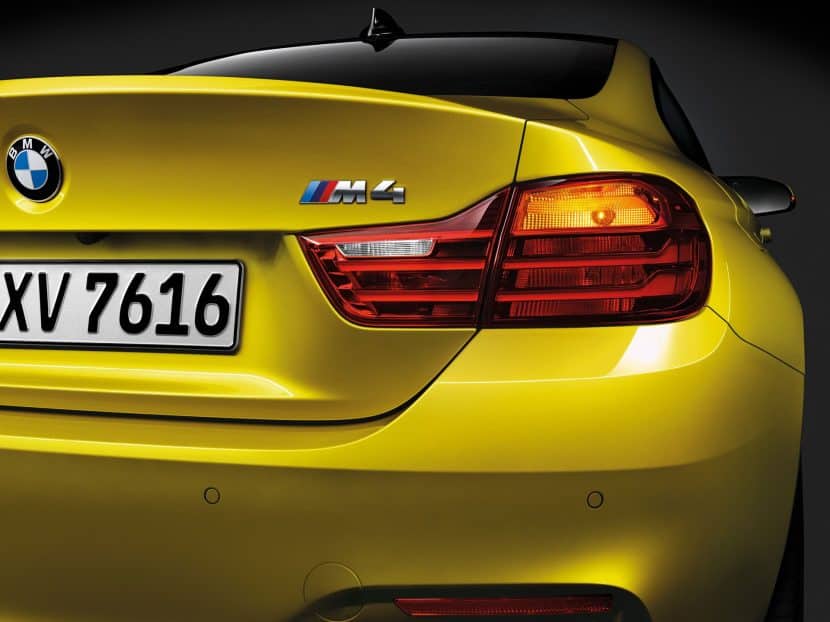
US regulations also specify different photometric values. A red turn signal has a requirement; A yellow signal must be brighter. BMW’s European optics are designed for a higher amber yield. If you use the same lens to produce red for the US market, it will not achieve the required intensity when tested.[2] Developing a single lamp that covers both standards means thicker optics and more LEDs. It’s not a lot, but it adds up across all model lines.
The rear fog light complicates things even further. European housings provide space for a 21-watt rear fog light. The US doesn’t require one. Leaving the cavity adds an unused feature that the dealer must explain. Removing means a separate form. In any case, it’s extra work.
Compromises on reliability
Reliability also plays a role. LEDs that change color become hotter, and heat affects long-term durability in harsher conditions. Internal BMW experience reports show around 0.8% replacement for single-color boards and 1.9% for two-color boards.[3] The gap is small but relevant since the US warranty is four years or 50,000 miles, especially in hot weather markets.
Taken together, these problems explain why U.S. BMWs still use red signals. It’s not a tradition or preference. These are regulatory discrepancies, reliability considerations and perhaps cost control.
If the hardware is not present
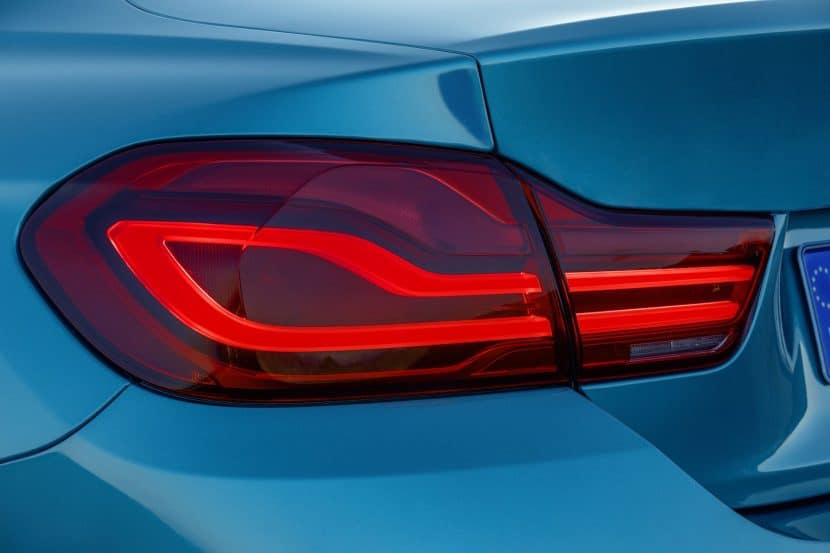
There’s another reality that needs to be acknowledged: not all BMWs even have the hardware for rear fog lights or adaptive LEDs. On some models, particularly certain LCI vehicles, owners who have opened the cases report that the rear fog LED location is simply not there. In these cases, BMW did not include the components at all, but it is unclear what the reasons for this are.
Despite these caveats, the overarching point remains: modern lighting hardware is more powerful than it used to be, and regional differences are often due to software choices rather than fundamental design limitations. On vehicles where the hardware is present, the ability to display amber is often physically present. The module simply follows the regional coding assigned to the vehicle at the factory.
Where software could still help
BMW already uses software profiles to configure infotainment functions, maps and even iDrive menus. Taillights follow the same logic. With coordinated design and consistent hardware, a single lamp could meet both photometric standards by scaling brightness as needed. The rear fog LED on US cars could remain inactive via software. Thermal management could be monitored through the vehicle’s diagnostics and adjusted if necessary through over-the-air voltage adjustment.
Regulators in Washington and Brussels would still require separate certification packages, but the part itself could be identical. A shape. A supplier. A parts inventory. Production becomes easier and design consistency improves. Safety studies already show yellow signals showing fewer rear-end collisions and better visibility.
BMW is already updating far more complex software systems than a light module. As regulations become more consistent – and assuming the hardware path is standardized across the range – the visual difference between a Munich 3 Series and a Miami 3 Series could disappear.
If that ever happens, every BMW will signal in the same way – clearly, visibly and consistently, no matter where it is registered.
