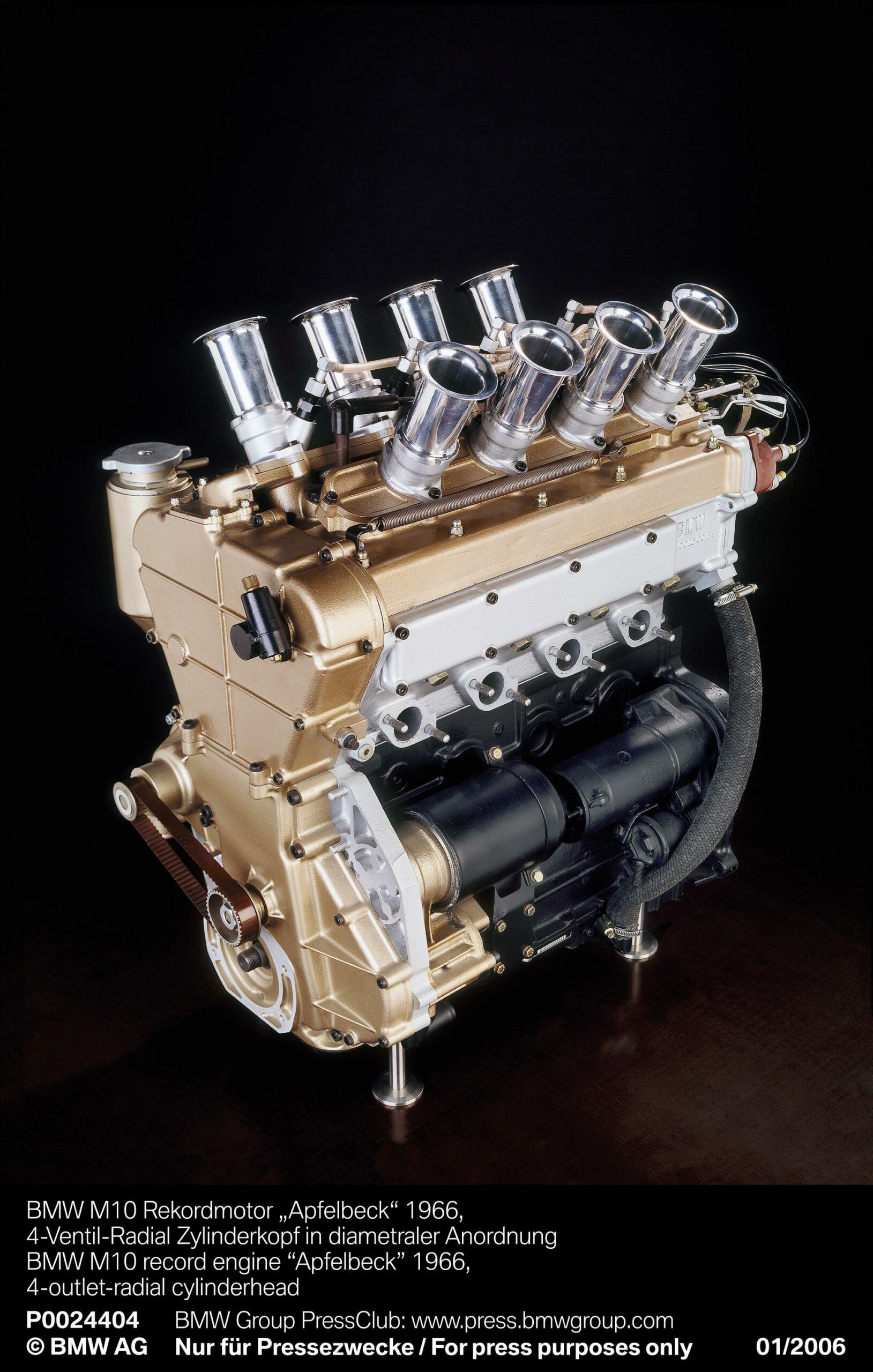
Every BMW enthusiast has an opinion about the brand’s biggest engine. Some argue for the S85 and its V10 theatrics. Others swear by the bulletproof charm of an M30 or the modern perfection of the B58. But when we talk about the engine that truly defined BMW – globally and especially here in North America – there is only one real answer.
It’s the M10.
I’ve spent years driving, reviewing, researching and writing about BMWs. I spoke to engineers in Munich, collectors in North America, and old-school mechanics who have rebuilt more engines than most people will ever see. In all of these experiences, one theme keeps coming up: the M10 is the foundation. The blueprint. The reason the rest of BMW’s story even exists.
This is not nostalgia or romance. It’s history. And it’s reality.
The engine that saved BMW
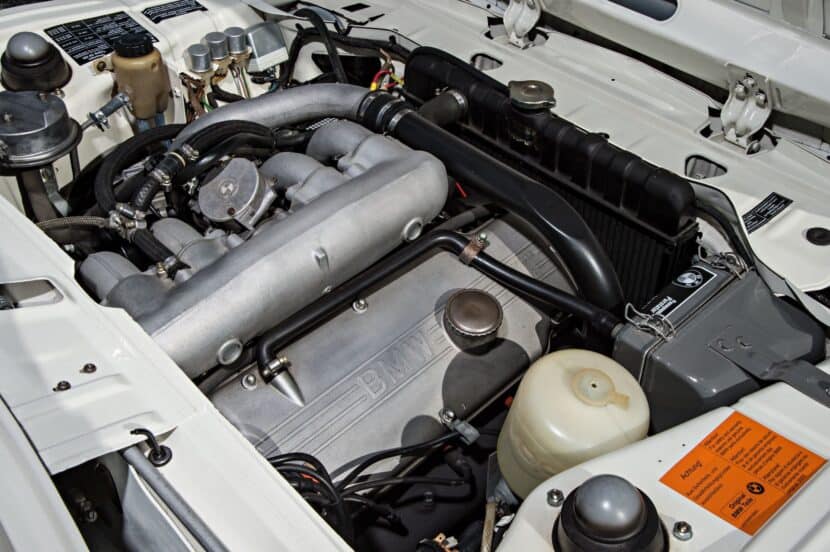
The M10 came onto the market in 1961, at a time when BMW could barely hold itself together. The company needed an engine that could support multiple models, meet new emissions and efficiency requirements, and remain reliable in countries with completely different climates and fuel qualities. The M10 has done it all, for almost three decades.
It powered the Neue Klasse sedans that saved BMW from financial collapse. It powered the 1800Ti/SA – the brand’s first road-legal homologation special model. It powered the 1600 and eventually the 2002, which became the brand’s first real sales success outside of Europe. And later, in a completely different universe, the same engine block powered the most absurd Formula 1 turbo unit of all time. No other BMW engine has a comparable résumé.
The M10 and the American breakthrough
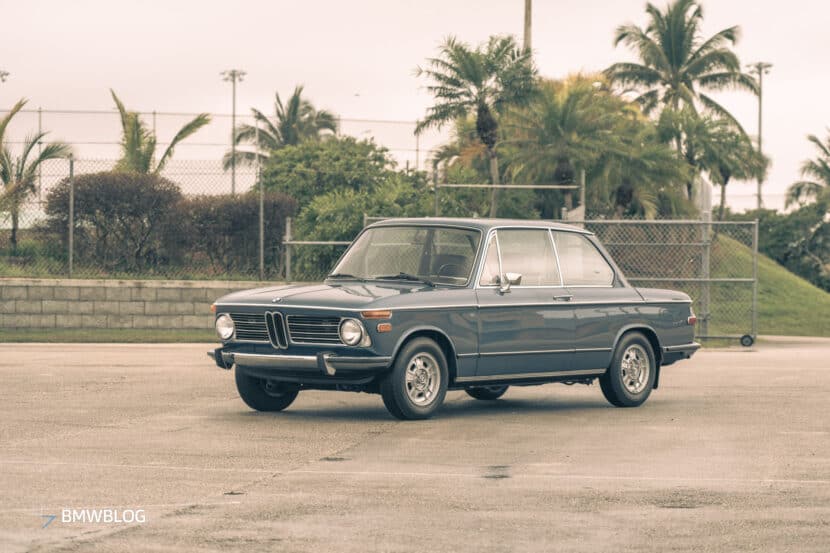
Ask any long-time BMW owner in the US where the brand really got its start here, and most will point to 2002. It wasn’t the fastest or fanciest car on the market in the late 1960s, but it drove differently. It felt tight. It felt awake. It felt artificial. The M10 was the reason.
American buyers at the time were accustomed to large-displacement V8 engines and numb suspensions. The 2002 showed them something new: a small German sedan with a free-revving, eager engine that made everyday driving a pleasure. This wasn’t marketing; it was a mechanical personality. The 2002 became an icon because of how it drove, not because of its advertising.
Without the M10, this moment never happens. Without 2002, BMW cannot establish its identity in the USA. And without success in the US, BMW won’t grow into the global powerhouse it is today.
A workhorse with endless potential
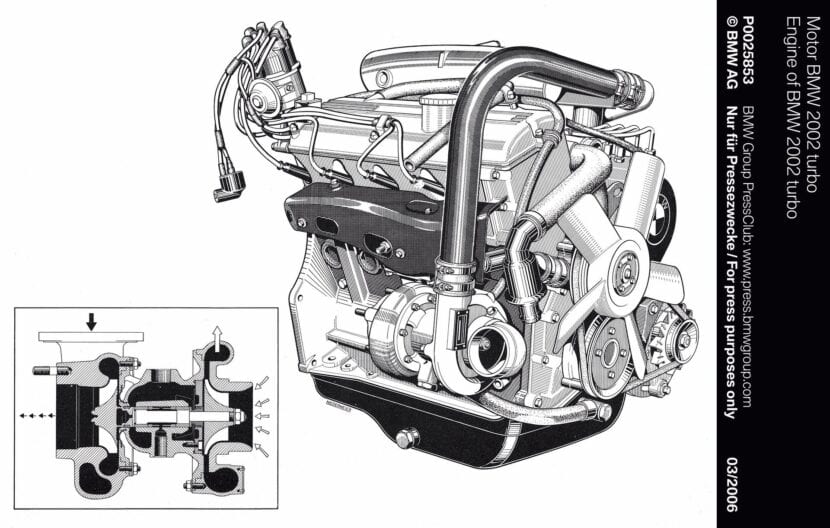
What sets the M10 apart from other legendary BMW engines is how much BMW asked of it – and how readily it complied with that request. Conceived as a simple 1.5-liter four-cylinder, it evolved into a two-liter unit, adapted to carburetors, mechanical injection, early electronic injection and finally full turbocharging. From the New Class Commuter to the 2002 Turbo, it remained smooth, predictable and durable. And despite all the changes, the basic architecture remained the same.
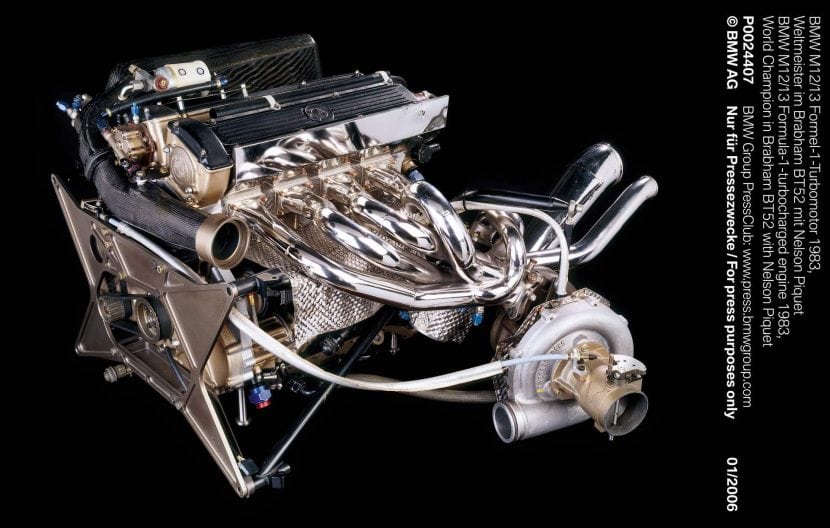
This stability allowed BMW to transform the M10 into the M12/M13 Formula 1 engine. The same block that moved families across Europe over the course of the week became the basis for a 1,300 horsepower qualifying shell that propelled BMW into the 1983 F1 World Championship. Mechanics who worked with these engines still say the actual number was probably higher.
The M10’s DNA never disappeared
The M10’s influence didn’t end in 1988. You can still see it in engines that came long after: the layout that defined the M20 inline-six owes its existence to the M10. The M50, M52 and M54 – engines that established BMW’s reputation in the 1990s and 2000s – continue improvements that began with the M10. Even the modern modular engine families follow the same principles: compact design, balanced interior and room for further development.
The M10 wasn’t the loudest BMW engine. It wasn’t the greatest. But it was the most versatile and effective.
Why the M10 is the most legendary BMW engine
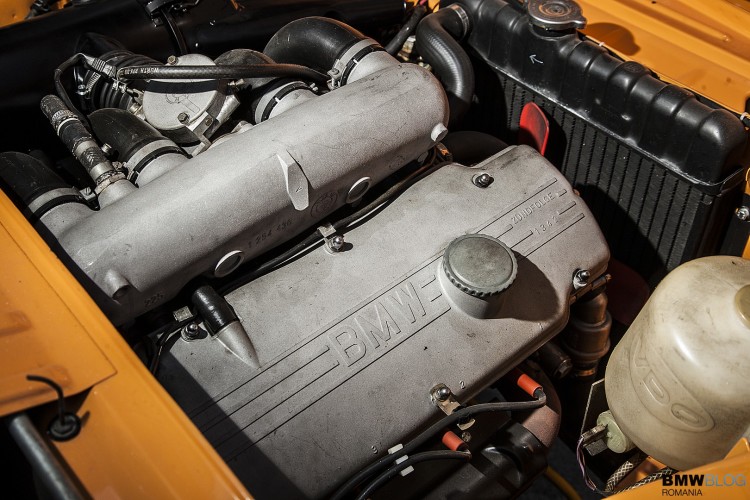
The word “legendary” is used a lot in automotive culture. But when you look at what the M10 actually accomplished, it deserves the title.
- It saved BMW at a critical moment.
- It powered the cars that shaped the brand’s early identity.
- It brought BMW into the North American market.
- It has adapted to changing automotive technology over the course of nearly 30 years.
- It became the basis for one of the most powerful engines in Formula 1 history.
- It influenced all subsequent major BMW engine families.
This is a factual historical arc.
