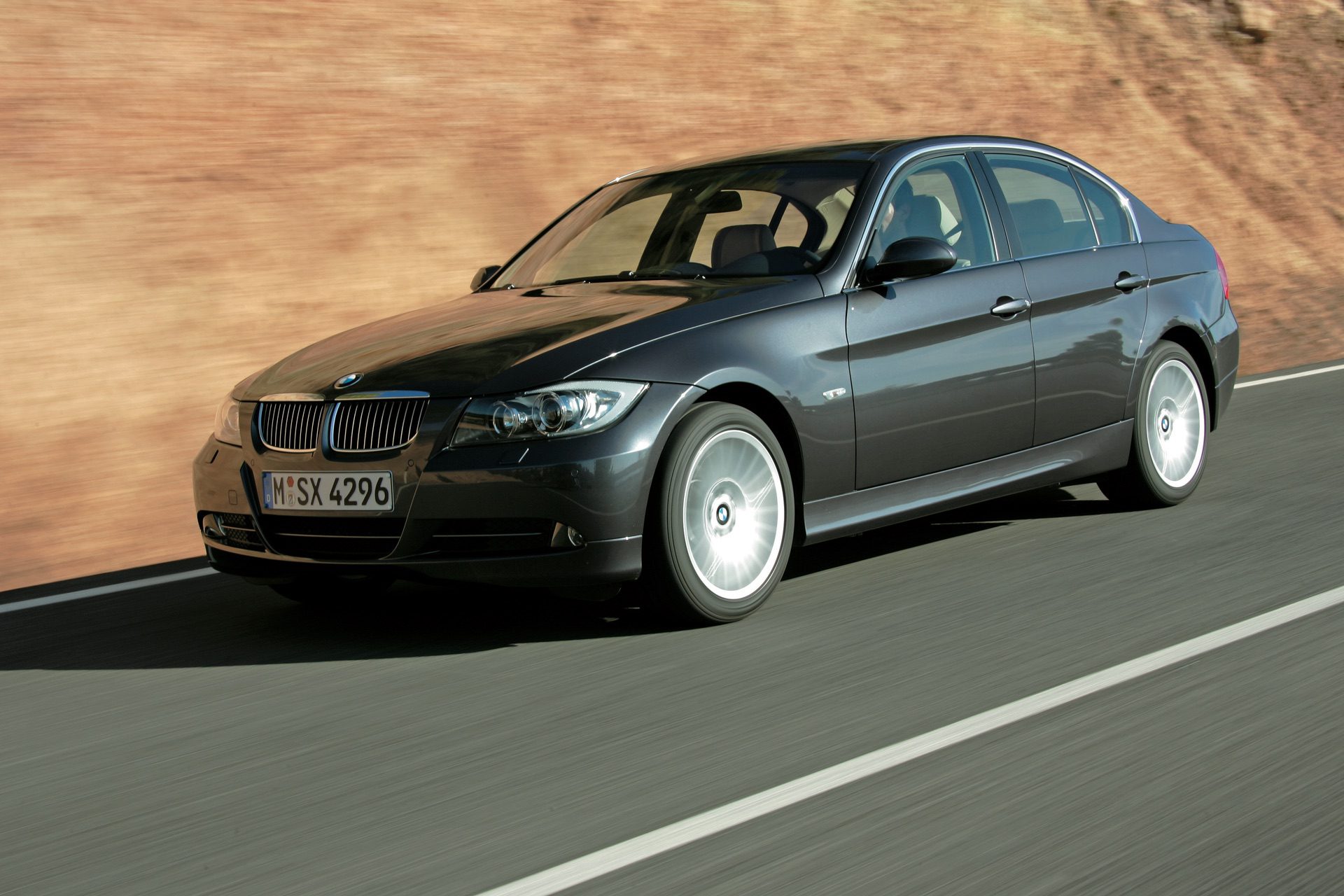
The oldest E90 BMW 3 Series you can buy today is now over two decades old. Its debut in 2005 doesn’t exactly make it a classic in most countries, but it’s well on its way. This also means there’s still time to get a good car before it becomes a certified classic – and the price is accordingly. And thanks to a wide range of powertrains, long-lasting style and plentiful offerings (BMW has sold over 3 million examples of the E9X chassis worldwide), it’s almost impossible to talk about a good choice for enthusiasts in 2026 without mentioning the E90.
Pros: Great mix of models, good steering, durable looks
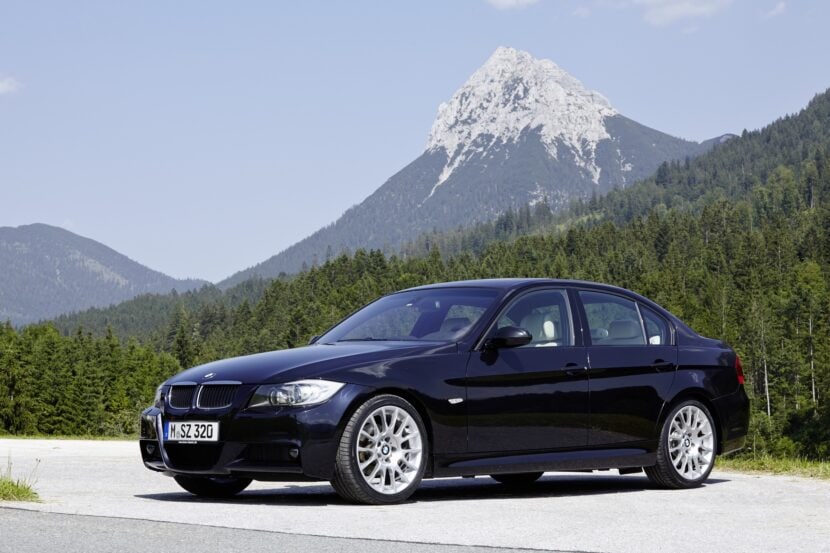
The E90 and its coupe, convertible and station wagon (Touring) counterparts – E92, E93 and E91 – endured one of the harshest acts in automotive history. The BMW 3 Series E46 was an incredible chassis in every respect. The charm of the car has not been lost even decades later. But one area where the E90 was more than a match for the E46 was variety. Sharing the same body styles as the E46, the E90 also featured a lively turbocharged inline-six that produced more than 300 horsepower on 335i-badged models. Additionally, you could get several different diesel models, including a 335d model with over 400 pound-feet of torque. Not to mention the numerous tweaks and special models that came out over the car’s life cycle – like the particularly amazing 335is.
Regardless of which version of the E90 you’re considering, one thing remains the same: excellent steering. The E90 was the last 3 Series to use old-school hydraulic power steering instead of the electric unit used in the industry today. Ironically, the E90 was never considered particularly attractive at the time. But today, its balanced design – particularly in the grille area – feels like the perfect dose of retro.
Disadvantages: Reliability of the turbo model, minimal advantages over the E46
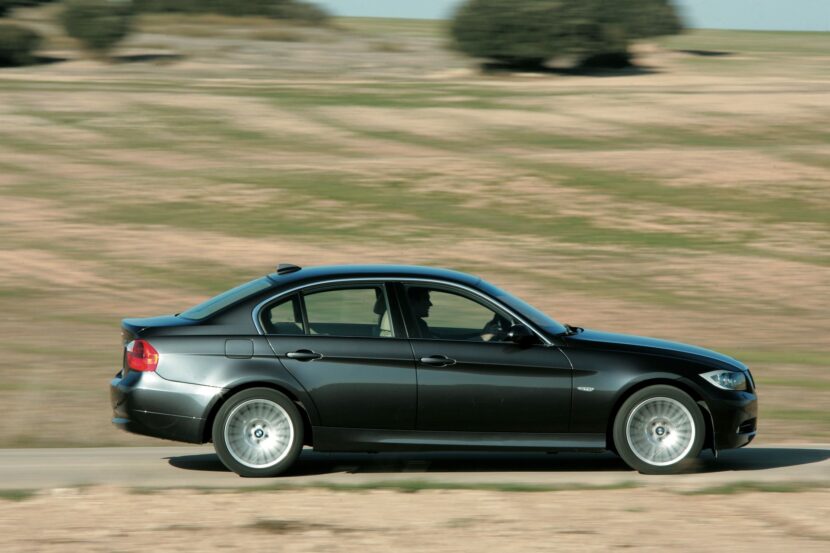
The biggest disadvantages of the BMW 3 Series E90 arise, perhaps predictably, in comparison to the 3 Series E46. The turbocharged models – particularly the early N54 models – offer tremendous power, but are typically not as durable as the naturally aspirated models and everything under the E46 3 Series’ hood. It’s a compromise that some are no doubt happy to make, but it’s there nonetheless. While opting for a non-turbocharged model like the 325i or 330i seems like a logical progression, there’s another problem. The simpler, lighter and arguably better-looking E46 3 Series is perhaps a more attractive value proposition. However, a well-maintained E46 is usually significantly more expensive than a similar E90 – at least at the moment. Depending on the model, there could still be good value for money.
E90 reliability in 2026
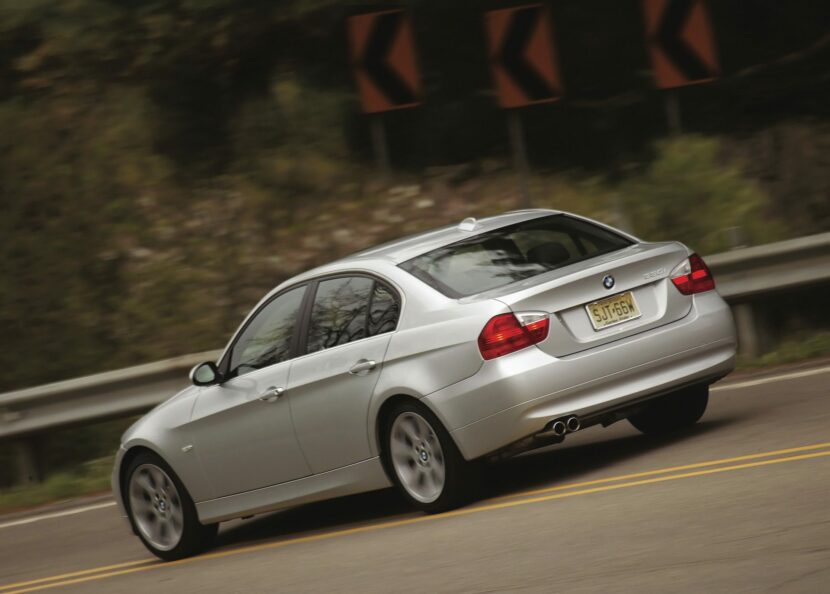
The E90 offers a pretty mixed bag of reliability, and it all depends on which powertrain you choose. Four-wheel drive cars obviously have more moving parts, so there’s more to destroy. The same rule applies to the N54 models – which use two turbochargers – and the N55 models with one turbocharger. Diesel versions have their own problems, primarily related to emissions equipment. Otherwise, you hardly have to compromise on reliability compared to the BMW 3 Series E46 and the older E36 vehicles. After all, the N52 engine under the hood of the 328i and other naturally aspirated models is a model of the earlier M54 and M52 engines. Another nice thing about the E90 is that the long-term quality issues of the 1990s in general have largely disappeared – meaning you don’t have to worry as much about broken window regulators and headliners on these cars as the earlier cars.
Conclusion: Buy an E90 in 2026?
The E90 is one of the few “classic” BMWs that still offers good value for money in 2026. You should definitely buy one, especially if you don’t like the design of the earlier cars. With such a wide range of models and equipment, as well as huge production numbers, the E90 is arguably one of the most affordable models in the brand’s history. Find a good example and enjoy it – 2026 is far from too late.
