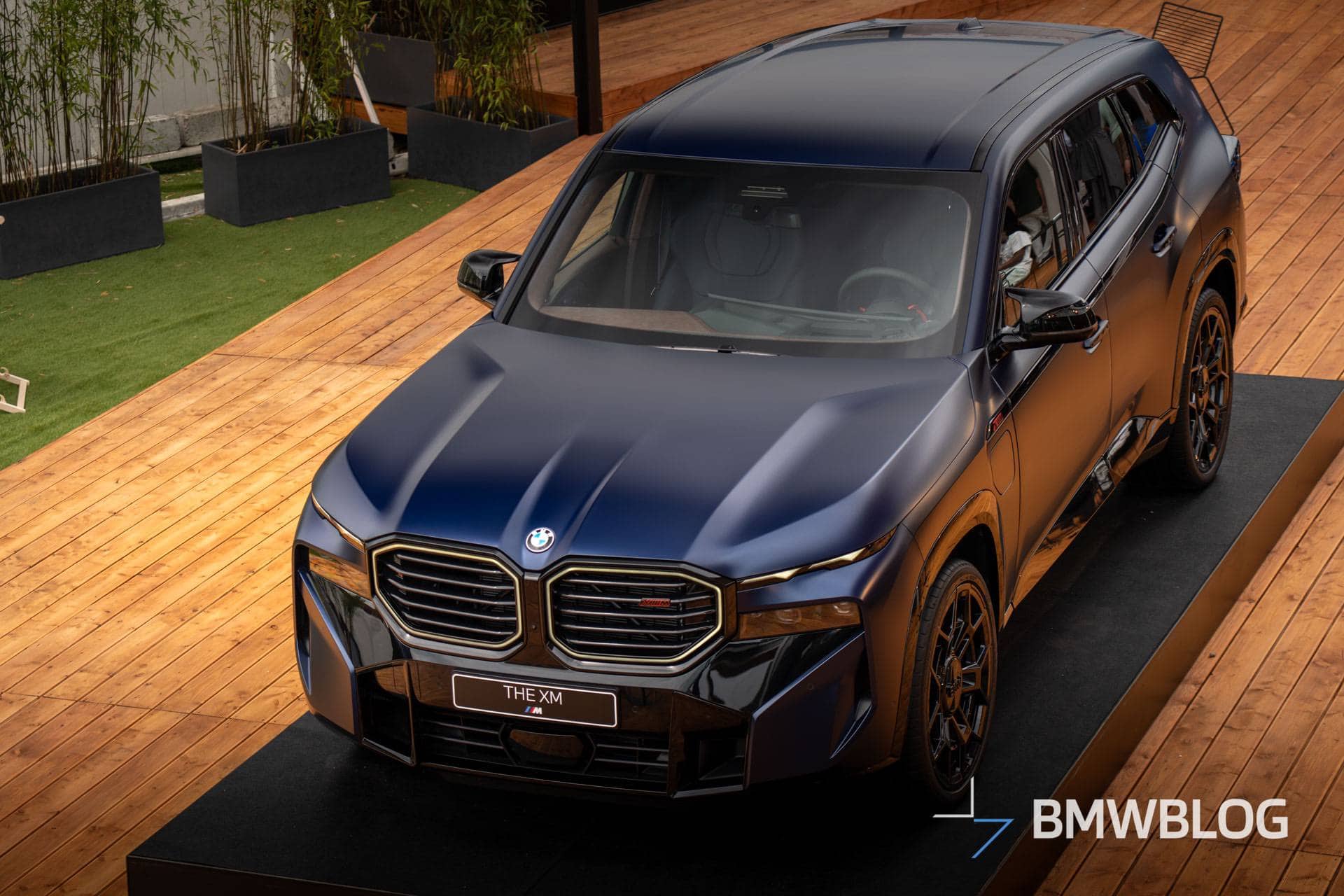
The BMW XM was never intended to be a background player. When BMW M decided to build its first standalone model since the M1, the idea was to make a statement in one of the most profitable areas of the industry: high-performance SUVs at high prices. BMW had been eyeing this space for years as the Lamborghini Urus grew in popularity, the Range Rover Sport SV found its momentum, and Porsche realized that the Cayenne Turbo GT was essentially a license to print money. From the outside, an Ultra M SUV seemed like an obvious step.
BMW didn’t rush the XM. During a recent visit to Designworks in California, it became clear that the project had been in the works for a long time. It was supposed to be a statement car that catapulted BMW M into a new category. But even with this preparation, the XM was never as well received as BMW had hoped.
A good start in sales
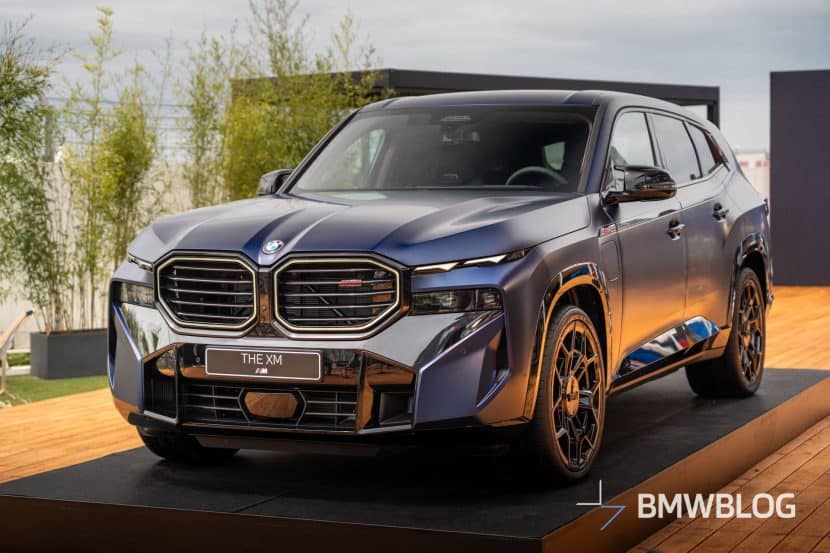
It wasn’t a disastrous start. When it launched at the end of the first quarter of 2023, the initial numbers were decent. BMW delivered 762 units in the second quarter, which isn’t bad for a six-figure experiment. There was even some growth in the first quarter of 2024, namely an increase of 32.3 percent compared to the same period last year to 541 units, which was also helped by the fact that the model finally arrived in the USA at the end of the previous quarter. For a moment it looked like the story was going in the right direction.
Then the slide began. The second quarter of 2024 brought a decline of 29.5 percent. In the third quarter the numbers fell again by 30.7 percent. And most recently, XM sales fell by 23.8 percent to just 409 units in the second quarter of 2025. Meanwhile, the rest of the segment continued to rise. Lamborghini sells every Urus they can build. In fact, the brand stated that they are sold out until 2026. The Range Rover Sport SV remains one of Land Rover’s most sought-after products. So why didn’t the XM connect?
A controversial design
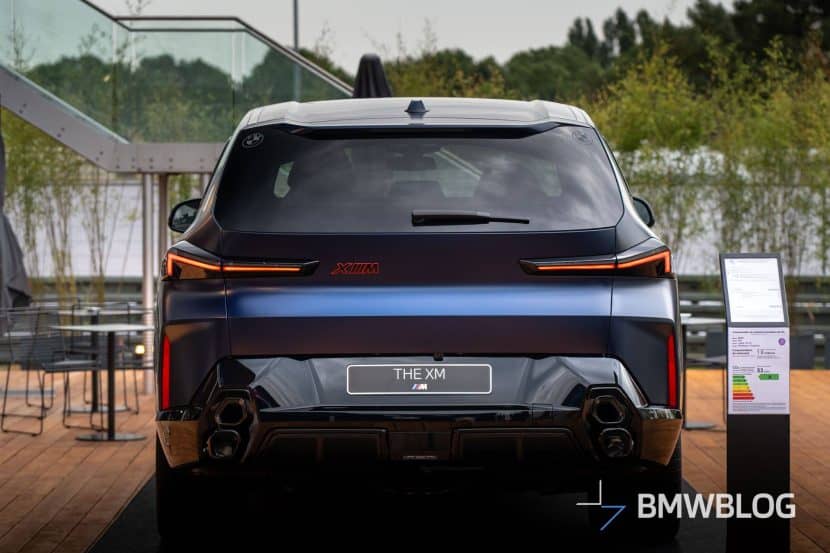
Design played a big role. The XM had no problems because it was brave; It was difficult because the overall shape never quite came together into anything coherent. The front end initially made headlines, but the real sticking point for buyers was the rear end. From some angles it looked muscular, from others it appeared bloated and strangely tapered. In this price range, the most important thing is the proportions. People will buy wild designs, but they need to be resolved visually. The XM always felt like a car that had some good ideas in it but never quite panned out.

The interior faced a different problem. It wasn’t bad – not even close – but it didn’t feel special enough for what the XM was supposed to be. Too much of the cabin looked familiar from the X5 and X6. Yes, the materials were better and the “M Lounge” lighting was interesting, but it didn’t provide the sense of occasion that buyers expect when spending so much money. Climb into a Range Rover SV or a Urus Performante and you immediately know you are in something unique. The XM didn’t make the same first impression.
It needs air suspension. Pronto
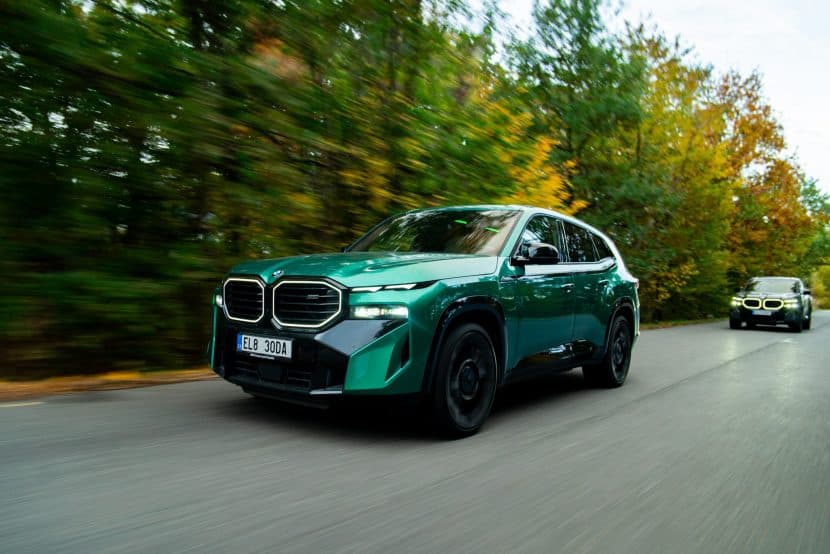
The ride comfort didn’t help either. BMW M chose steel springs because they wanted the XM to behave like an M car. Philosophically speaking, this makes sense. In practice that wasn’t the case. A six-thousand-pound SUV with steel suspension will feel stable, and in everyday driving the XM might be noticeably stiff. Buyers in this segment want something that can handle corners but also float over broken pavement. Air suspension exists for a reason. The decision not to use it resulted in the XM failing to meet customers’ expectations of a luxury SUV.
A heavy beast
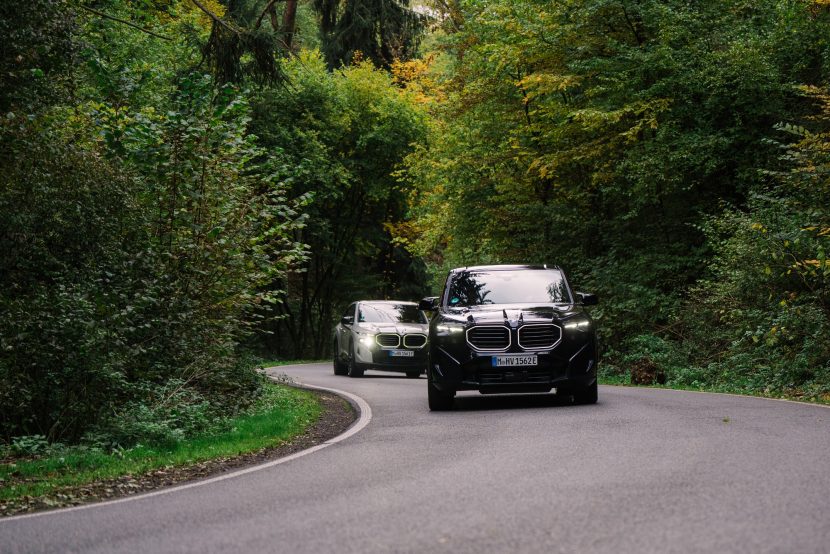
And then there is the weight. At 6,061 pounds, the XM carried more mass than even BMW’s engineers could fully conceal. The plug-in hybrid system had advantages on paper – torque, efficiency, a short electric range – but also made the SUV seem heavy. The best competitors in this space, particularly the Urus and Cayenne Turbo GT, succeed because they feel alive and eager despite their size. The XM could be fast, but it never felt light.
All of this paints a pretty clear picture: the XM had no problems because the concept was flawed. The idea of a BMW M flagship SUV still makes sense. The market is there. The appetite is there. The money is definitely there. The XM stumbled because several key decisions didn’t resonate with the people BMW needed to impress.
So should BMW try again?
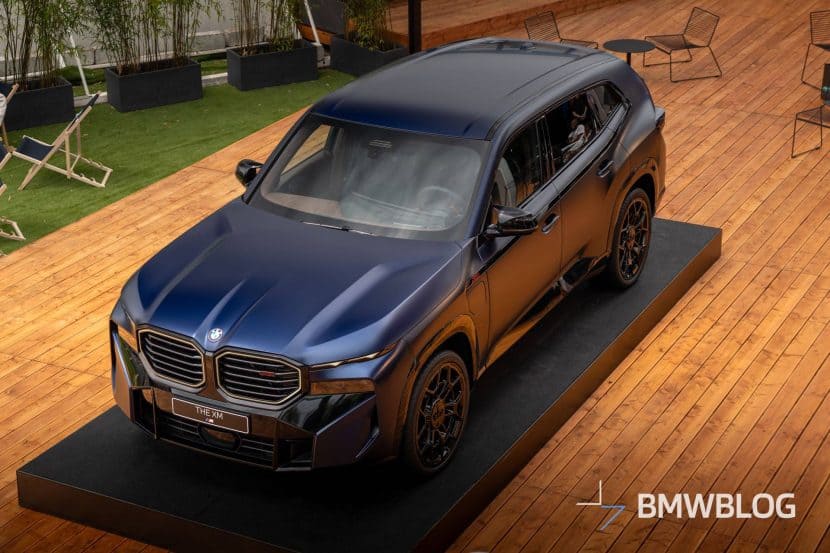
There is a strong argument for this, but only if the next attempt starts with a goal conceded. A successor needs a more cohesive design that is based on the clarity and sharpness of BMW’s New Class direction. It needs an interior that’s truly different from the rest of the range – not a nicer X5 M, but something that’s right at the top of the brand in terms of materials, layout and atmosphere. And it definitely needs a different mechanical structure.
A lighter mild-hybrid S68 V8 would solve most of the XM’s dynamic problems. Eliminating the entire PHEV system would immediately save at least a thousand pounds. This would give the next generation model the response and character expected in this segment. All top performers rely on combustion power to generate emotional engagement. BMW doesn’t need to chase them, but it needs to have the immediacy and feel it needs if it’s serious about competing.
You can also learn something from the Urus. Not the styling, not the noise, but the attitude. The Urus feels confident, eager, and unashamedly extroverted. Buyers respond to this. Despite its ambition, the XM never exuded the same energy. A successor must.
Will BMW build an XM successor?
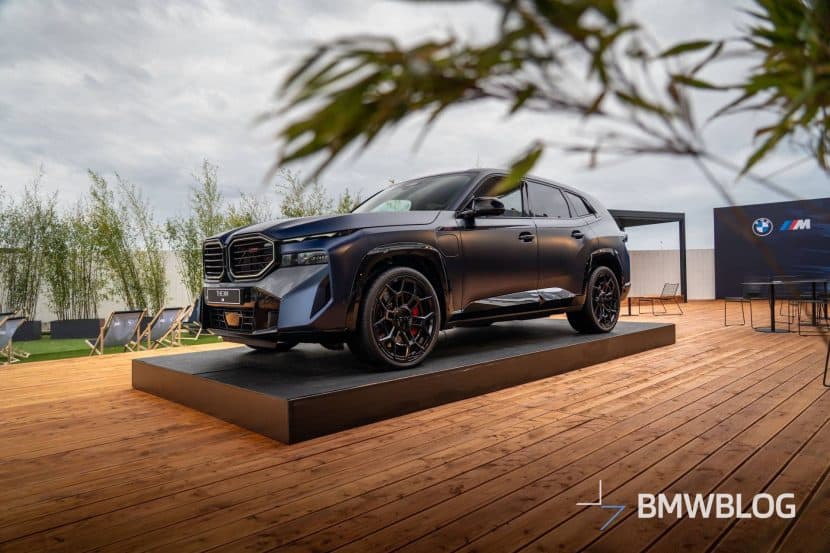
The history of the XM is complicated because it has been both daring and inconsistent. BMW swung toward the hurdles, and while the result wasn’t a home run, it wasn’t a total failure either. It was a car that showed where BMW was going, but didn’t quite nail the landing. The good news is that the underlying idea remains solid. The SUV that the XM wanted to be is still a valid product for BMW M. And with the right fixes — better proportions, a more distinctive interior, a lighter powertrain and a ride that doesn’t punish owners on imperfect roads — an XM successor could be just the halo model the brand originally envisioned.
The question now is simple: Does BMW want to give it another try? If so, there’s no reason why the second attempt can’t be the one that finally hits the mark.
